Indos
INT'L MOD

- Thread starter
- #106
Perbanas Research: 90% of MSMEs Feel They Do Not Need Bank Loans
Andi Hidayat
Kamis, 18 Jun 2026
Jakarta – The Indonesian National Banking Association (Perbanas) has found that 90% of micro, small, and medium enterprises (MSMEs) feel they do not need to apply for bank loans. This is considered one of the main reasons behind the relatively low level of bank lending to the MSME sector.
Aviliani, Chair of Research and Economic & Banking Studies at Perbanas, stated that MSME lending is largely demand-driven. According to Perbanas research, around 90% of both formal and informal MSMEs have not applied for bank loans because they believe they do not need them.
Perbanas Chairman Hery Gunardi emphasized that the findings indicate that the issue is not a shortage of credit supply from banks, but rather low demand for loans from MSMEs. This is despite the fact that MSME loan approval rates are relatively high.

 finance.detik.com
Andi Hidayat
Kamis, 18 Jun 2026
Jakarta – The Indonesian National Banking Association (Perbanas) has found that 90% of micro, small, and medium enterprises (MSMEs) feel they do not need to apply for bank loans. This is considered one of the main reasons behind the relatively low level of bank lending to the MSME sector.
Aviliani, Chair of Research and Economic & Banking Studies at Perbanas, stated that MSME lending is largely demand-driven. According to Perbanas research, around 90% of both formal and informal MSMEs have not applied for bank loans because they believe they do not need them.
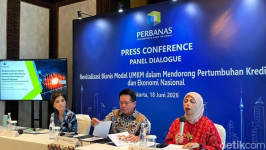
According to the study, 88% of MSMEs operate using their own funds. Perbanas is therefore encouraging MSMEs to seek bank financing to support business expansion.“MSME lending is more demand-driven. Nearly 90% of formal and informal MSMEs do not apply for loans because they feel there is no need,” Aviliani said during the event Revitalizing MSME Business Models to Drive Credit Growth and the National Economy at the Four Seasons Hotel in Jakarta on Thursday (June 18, 2026).
The findings are considered a structural challenge for Indonesia’s banking sector. While overall bank lending continues to grow positively, financing to MSMEs has been contracting.“What does this mean? It means they prefer to use their own capital. However, if we expect them to move up to the next level, they will certainly need to expand, and expansion inevitably requires bank financing,” she explained.
Perbanas Chairman Hery Gunardi emphasized that the findings indicate that the issue is not a shortage of credit supply from banks, but rather low demand for loans from MSMEs. This is despite the fact that MSME loan approval rates are relatively high.
“The majority of MSME entrepreneurs have not applied for loans because they feel they do not yet need financing and continue to rely on their own capital. Meanwhile, when MSMEs do apply for loans, the approval rate is relatively high,” he said.
Key Figures
- 90% of MSMEs do not apply for bank loans because they feel they do not need them.
- 88% of MSMEs rely on their own funds to run their businesses.
- Perbanas views low loan demand—not limited credit availability—as the main obstacle to MSME lending growth.
- Banks report relatively high approval rates for MSME loan applications.
Riset Perbanas: 90% UMKM Merasa Tak Perlu Kredit Bank
Perhimpunan Bank Nasional (Perbanas) mencatat 90% UMKM merasa belum perlu mengajukan kredit ke perbankan.
finance.detik.com