Indonesia's Manufacturing Sector

Manufacturing PMI Reaches 53.8, A Sign of Indonesia’s Economic Recovery?


Zahwa Madjid, CNBC Indonesia
02 March 2026 20:40


To view this content we will need your consent to set third party cookies.
For more detailed information, see our cookies page.

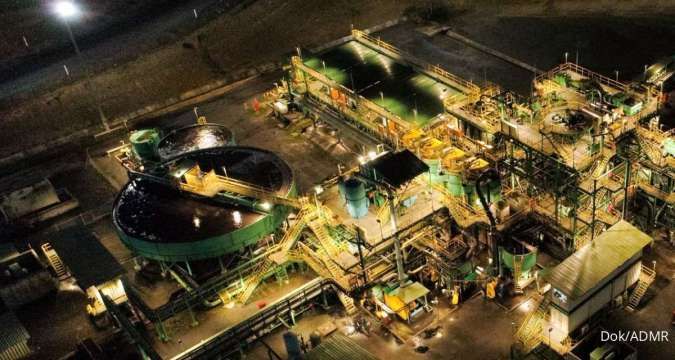
Astra Otoparts Company Profile​


Jakarta, CNBC Indonesia — Indonesia’s manufacturing performance showed an expansionary trend in February 2026. The Indonesia Manufacturing PMI rose to 53.8, up from 52.6 in January 2026, marking the highest level in nearly two years.

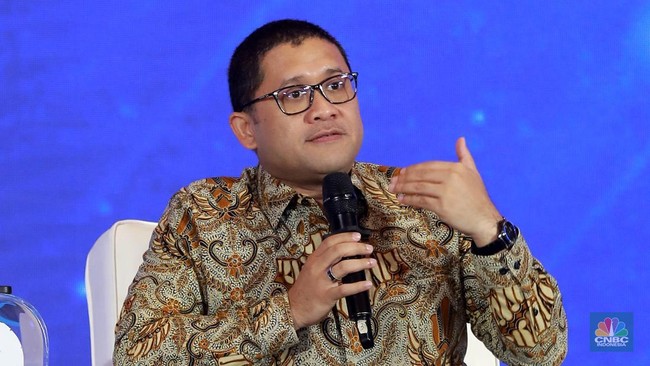
The Director General of Economic and Fiscal Strategy at the Ministry of Finance explained that the improvement was driven by a surge in new orders accompanied by significant production growth.

“Domestic economic resilience is an important foundation amid a dynamic global situation,” said Febrio in an official statement quoted Monday (March 2, 2026).
Manufacturing PMI figures among several of Indonesia’s key trading partners also showed expansionary trends, including Vietnam (54.3), Thailand (53.5), India (57.5), Japan (53.0), and the United States (51.2), supporting prospects for Indonesia’s manufacturing exports.

Febrio added that the positive sentiment was also supported by strengthening domestic demand.

In January 2026, the Real Sales Index (IPR) grew 7.9% year-on-year, driven by increased sales of food and beverages, clothing, and higher public mobility.

“Strengthening consumption is also reflected in positive motor vehicle sales, with motorcycle sales rising 3.1% and car sales growing 7.0%,” he said.
Public optimism also remained strong, reflected in the Consumer Confidence Index (CCI) for January 2026, which stood at an optimistic level of 127, up from 123.5 in the previous month.

Meanwhile, Indonesia recorded a trade surplus of US$0.95 billion, supported by export performance reaching US$22.16 billion, growing 3.39% year-on-year, mainly driven by non-oil and gas exports.

Non-oil exports were supported by the manufacturing sector, which grew 8.19% year-on-year, particularly palm oil, nickel, iron and steel, as well as higher value-added commodities such as automotive and electronics products.

Imports reached US$21.20 billion, increasing 18.21% year-on-year, largely driven by higher imports of raw materials and capital goods, in line with rising domestic production activity and investment.

From a global perspective, risks stemming from conflicts in the Middle East will continue to be closely monitored, particularly following attacks by Israel and the United States on Iran on February 28, 2026, followed by the closure of the Strait of Hormuz.

Febrio explained that potential disruptions to global supply chains — especially energy and oil supplies — along with increased volatility in global financial markets, remain major concerns.

Global trade tensions also pose risks to Indonesia’s export performance through weaker external demand and rising logistics costs.

“The government continues to closely monitor global geopolitical dynamics and various risks that may affect the national economy,” Febrio said.


Indonesia Assures Fertilizer Supply Security, Eyes 1.5 Million Tons in Exports Amid Global Tensions​


The Jakarta Globe
April 1, 2026 | 8:25 pm


1775444874161.png
(Photo Courtesy of Pupuk Indonesia)


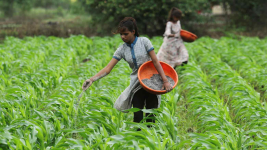
Badung, Bali. Indonesia has assured that its domestic fertilizer supply remains secure and said it is ready to export up to 1.5 million tons of surplus production to partner countries, as global supply chains face disruptions linked to geopolitical tensions.


The commitment was delivered on the sidelines of the Argus Fertilizer Asia Conference 2026, held from March 31 to April 2 in Bali, which brought together industry leaders across the region to discuss market dynamics, supply resilience, and long-term collaboration.


The forum convened major players, including Pupuk Indonesia, Brunei Fertilizers Industries, and Petronas, as Southeast Asian producers explored coordinated responses to supply shocks.


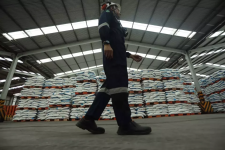
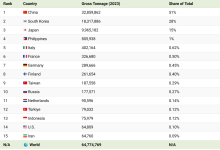
Indonesia currently produces around 14.5 million tons of fertilizer annually, placing it among the world’s top seven producers. With domestic needs met, the country maintains an exportable surplus of between 1.5 million and 2 million tons of urea each year.


Deputy Agriculture Minister Sudaryono said Indonesia is positioning itself as a stabilizing force in the global fertilizer market, particularly as disruptions intensify amid tensions involving Iran, Israel, and the United States.


“Indonesia is no longer merely a price taker. We want to play a balancing role. When markets are disrupted, we are ready to respond to countries seeking stable fertilizer supplies unaffected by export restrictions elsewhere,” Sudaryono said on Wednesday.


He added that disruptions in the Strait of Hormuz—a key global shipping route—have complicated supply flows, prompting several countries to approach Indonesia for urea imports.


Indonesia expects to generate about 1.5 million tons of surplus production this year, much of which has already attracted strong interest from at least five to six countries, he said, noting buyers were willing to secure supplies at prevailing market prices.


Despite the external pressures, Sudaryono stressed that domestic fertilizer availability remains unaffected. “Our national needs are secure. Farmers do not need to worry. In fact, Indonesia stands to benefit from rising export demand,” he said.


Industry leaders at the conference underscored the critical role of fertilizers in both agriculture and industrial applications. About 30% of global agricultural productivity depends on fertilizers, while urea is also used in diesel exhaust fluid (DEF) for vehicles meeting Euro 5 and Euro 6 emission standards.


Rahmat Pribadi, executive officer of Pupuk Indonesia, said regional producers have anticipated potential disruptions and have been building a collaborative platform since last year.


“We realized early on that global conditions would not remain stable. Together with Brunei Fertilizers Industries and Petronas, we have worked intensively to establish a platform for closer collaboration,” he said. “This inauguration comes at the right time, showing that Southeast Asian producers are ready to unite and support fertilizer needs globally.”


Harri Kiiski, chief executive of Brunei Fertilizers Industries, highlighted the importance of regulatory alignment and cooperation across ASEAN, noting that fertilizers are essential to feeding roughly half of the world’s population.


“In ASEAN, major players contribute significantly to regional supply. What the industry needs is a level playing field—consistent regulations, shared best practices, and a collective commitment to sustainability,” Kiiski said.


He added that future investments in decarbonization—worth billions of dollars—would require policy consistency across countries, even as current geopolitical crises temporarily shift focus away from sustainability goals.


Indonesia’s fertilizer industry comprises five main producers, including Pupuk Iskandar Muda, Pupuk Kujang, Pusri Palembang, Petrokimia Gresik, and Pupuk Kalimantan Timur.


As global uncertainty persists, Indonesia’s strategy signals a dual focus: safeguarding domestic food security while leveraging its production strength to support international markets.


India looks to fertilizer exporters in Indonesia and Malaysia amid Iran war​

Analysts warn of shortages in winter sowing season if Hormuz disruption continues

1775445303909.png
India depends heavily on imported fertilizers, and is actively looking for alternative sources after the blockage of the Strait of Hormuz. © Reuters

KIRAN SHARMA
April 3, 2026 11:05 JST

NEW DELHI -- India is the world's second largest consumer of fertilizers after China and depends on imports to meet domestic demand. It is looking to diversify sourcing beyond the Middle East, tapping nations like Indonesia, Malaysia and Egypt amid shipping disruptions caused by the Iran war.


PT PAL Leads National Shipyard Consolidation, Optimizing Indonesia’s Maritime Potential​


Merdeka (Economy)
28 Feb 2026


To view this content we will need your consent to set third party cookies.
For more detailed information, see our cookies page.

PT PAL launched 141 meters Red and White frigate in 2025


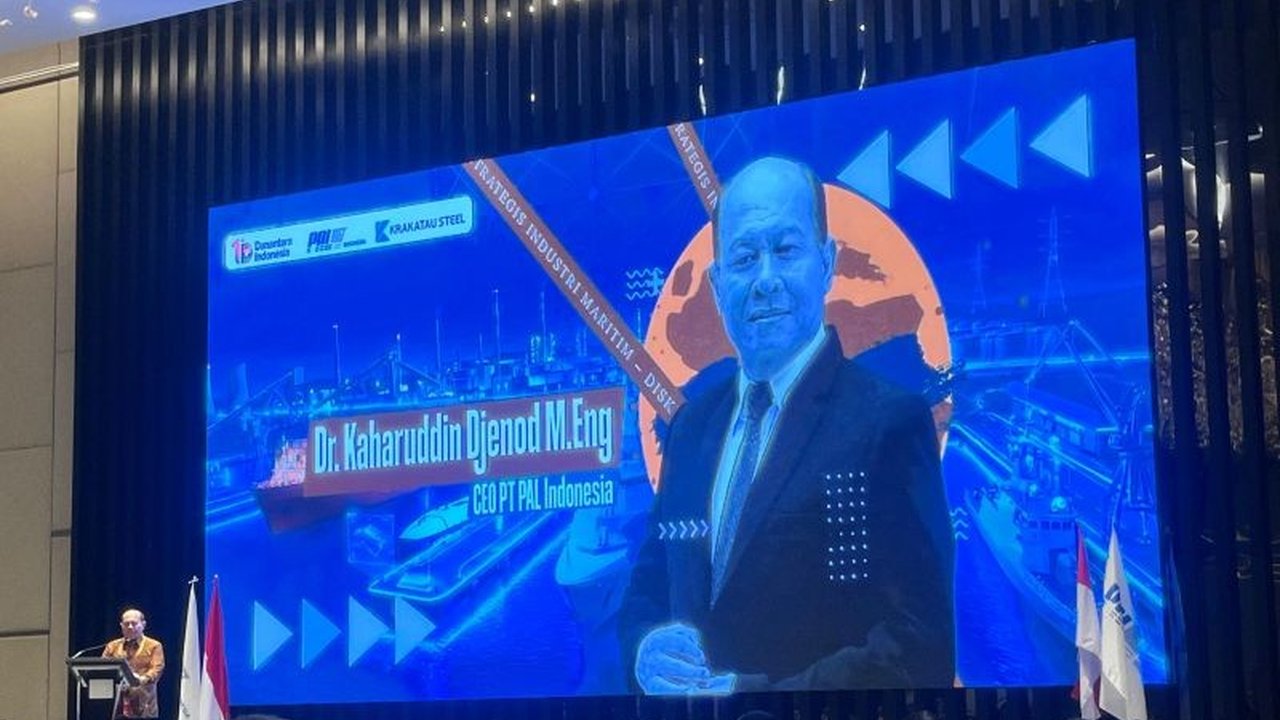
PT PAL Indonesia has been appointed as the lead integrator in the national shipyard consolidation, a strategic move aimed at optimizing Indonesia’s maritime potential and driving economic independence.

Saturday, February 28, 2026


Central Role of PT PAL​

PT PAL Indonesia is taking a central role in the consolidation of national shipyards. This initiative aims to maximize opportunities in Indonesia’s maritime sector.

President Director of PT PAL Indonesia, Kaharuddin Djenod, emphasized that this consolidation is crucial to fulfilling maritime needs independently.

The appointment of PT PAL as lead integrator was made through the Daya Anagata Nusantara Investment Management Agency (BPI Danantara). Under this policy, all new ship orders from state-owned enterprises (BUMN) must be placed through PT PAL.

This move aligns with President Prabowo Subianto’s designation of the maritime sector as a key pillar of economic growth.

Kaharuddin stated that this assignment is not merely a large-scale project, but a major responsibility requiring extraordinary effort to realize the nation’s vision for maritime advancement.

Strategic Role in Industrial Ecosystem​

As the lead integrator, PT PAL holds a critical mandate:

  • All new BUMN/SOE ship orders will be centralized through PT PAL
  • At least 23 ships are expected to be contracted and built this year
This large volume of projects reflects the scale of trust and responsibility assigned to PT PAL.

The consolidation is expected to enable:

  • Better division of work based on capability
  • Proportional collaboration across shipyards
  • Development of a strong and integrated maritime ecosystem
Despite the potential for increased revenue, Kaharuddin stressed that this is a national mandate, not just a business opportunity.


Challenges in the Maritime Industry​

Indonesia currently faces serious challenges in the maritime sector, particularly:

  • Unhealthy competition among domestic industry players
  • Internal friction between companies and stakeholders
  • Leakage of economic potential to foreign markets
“High growth figures mean nothing if they do not deliver welfare,” Kaharuddin noted.
This consolidation is seen as a solution to unify the industry and ensure that economic benefits remain within Indonesia.


Massive Economic Opportunity​

Indonesia’s maritime sector holds enormous potential, but requires collective management.

The “economic pie” is too large to be contested through unhealthy competition.
Collaboration is expected to:

  • Keep economic value within the country
  • Distribute benefits more evenly to society
  • Strengthen national industrial capacity

Two Key Mandates from the President​

President Prabowo has assigned two major mandates to PT PAL:

1. Strengthening Corporate and Product Quality​

  • Improve competitiveness of Indonesia’s maritime industry globally

2. Achieving Industrial Scale (Economies of Scale)​

  • Centralize ship orders
  • Aggregate demand for components such as:
    • Main engines
    • Generators
    • Cables
    • Pipes
    • Electrical panels
This consolidation will create sufficient business volume to justify building new factories in Indonesia.

Kaharuddin explained that this initiative is not just about project allocation, but about elevating the entire maritime industry and enabling the development of hundreds of factories domestically.


Downstream Industrialization Contributes 30% of 2025 Investment, Expansion Planned​


Ria Fortuna Wijaya
February 9, 2026 | 3:30 pm


Iqbal Suwitamihardja, news anchor at Jakarta Globe, speaks with Tirta Nugraha Mursitama, Senior Advisor for Investment Equity and Partnership at the Investment Ministry, during the Jakarta Globe Corner discussion on Indonesia's investment climate in Jakarta. (Feb. 9, 2026).


Jakarta. The government is intensifying efforts to expand industrialization and strengthen investor confidence as part of a broader push to improve Indonesia’s investment climate and support long-term economic growth, a senior official from the Investment Ministry said.

Tirta Nugraha Mursitama, Senior Advisor for Investment Equity and Partnership at the ministry, said stronger public engagement and clearer communication of government programs are essential to help authorities better understand private-sector needs while ensuring the public benefits from rising investment realization.

“Investment achievements must be communicated widely so the public can also feel the impact, including better job performance and broader welfare gains,” Tirta said on the sidelines of the Jakarta Globe Club in Jakarta on Monday.


He added that the administration is placing downstream industrialization at the center of its investment strategy, expanding beyond minerals and energy into agriculture, fisheries and marine sectors through more comprehensive and coordinated industrial policies. The government aims to align industrial development, trade policy and investment planning to attract both foreign and domestic investors, with the long-term goal of supporting stronger economic growth. Tirta expressed optimism that, with solid fundamentals and consistent execution, Indonesia could move toward an 8% growth trajectory by 2029.

Downstream activities already contributed roughly 30% of total investment realization in 2025, though investment remains concentrated in natural-resource industries such as coal and gas. Several strategic projects have entered the groundbreaking phase this year, with economic impacts expected to materialize within two to three years, he said, emphasizing that investment requires patience alongside strong fundamentals and proper implementation.

Indonesia remains open to investors from all regions. Engagement has been strengthening and could translate into larger inflows this year. The government’s approach focuses on maintaining satisfaction among existing investors while simultaneously attracting new ones through international outreach and confidence-building measures led by senior officials.

Highlighting Indonesia’s advantages over regional peers, Tirta pointed to the country’s large domestic market, abundant natural resources and long-term growth prospects, alongside regulatory streamlining and continued development of the Online Single Submission licensing system that enables investors to process permits remotely while improving coordination across ministries.

“Indonesia is a big country with abundant natural resources and a very promising future. We are working seriously on streamlining licensing, deregulation and strengthening the system so investors can complete the process from anywhere,” he said.

The reforms, he added, are expected to strengthen Indonesia’s competitiveness as a destination for global capital while supporting more inclusive economic development.


Minister: Indonesia’s Textile Industry Attracted $1.26 Billion Investment in 2025 and Employed 3.96 Million Workers​


Ilyas Fadilah

Kamis, 16 Apr 2026


1776430850838.png
Indonesia’s Minister of Industry, Agus Gumiwang Kartasasmita
Source: Ministry of Industry (Kemenperin)


JAKARTA — Indonesia’s textile and textile products (TPT) industry recorded 3.55% year-on-year growth in 2025, demonstrating resilience amid global geo-economic and geopolitical uncertainty.

During 2025, the sector achieved:

  • Exports of US$12.08 billion
  • Trade surplus of US$3.45 billion, mainly driven by garment exports

💰 Investment and Employment (2025)​

In the same period, the industry:

  • Attracted Rp20.23 trillion (≈ $1.26 billion USD) in investment
  • Employed 3.96 million workers, representing 19.48% of total employment in the manufacturing sector
“This performance reflects sustained investor confidence in Indonesia despite global uncertainties,” said Minister of Industry Agus Gumiwang Kartasasmita on Thursday (April 16, 2026).

⚠️ Industry Challenges​

Despite strong performance, the textile industry continues to face several challenges:

  • Rising global raw material prices
  • Supply chain disruptions
  • Volatility in international demand
The government emphasized the need for stronger coordination between policymakers, industry associations, and businesses to respond effectively.


🌍 Strategic Role of Industry Events​

The Indo Intertex – Inatex 2026 exhibition was highlighted as a strategic platform for:

  • Business matching between domestic and global players
  • Expanding partnerships and attracting new investment
The event is expected to reinforce optimism that the textile sector remains a “sunrise industry” in Indonesia.

🔧 Policy Support and Industry Strengthening​

The Ministry of Industry aims to strengthen the sector through:

  • Expanding domestic and export market access
  • Providing fiscal and non-fiscal incentives
  • Improving productivity and efficiency
  • Supporting full industrial integration from upstream to downstream

🌐 Global Opportunities​

Shifts in global supply chains—driven by geopolitical dynamics and production diversification—are opening opportunities for:

  • Investment relocation to Indonesia
  • Strategic international partnerships
This trend is further supported by growing global demand for sustainable textile products.


📈 Broader Manufacturing Performance​

Indonesia’s manufacturing sector also showed strong performance:

  • Growth: 5.30% (2025) — exceeding national economic growth for the first time in 14 years
  • Contribution to GDP: 19.07%
  • Share of exports: 84.89% of total national exports
  • Employment: 20.31 million workers

📊 Industrial Confidence​

The Industrial Confidence Index (ICI) stood at:

  • 51.86 in March 2026 → indicating continued expansion

🔎 Strategic Insight​

The data confirms that Indonesia’s textile industry remains a labor-intensive and investment-attractive sector, benefiting from global supply chain shifts and sustained investor confidence despite external uncertainties.

🧠 Final Analyst Note​

All key performance indicators — including growth, exports, surplus, investment, and employment — refer specifically to full-year 2025 performance, ensuring consistency in interpretation.


KAI Deploys Flatbed Railcars from Banyuwangi to South Sumatra to Support Domestic Industry​


I. Jalaludin S
17 April 2026

To view this content we will need your consent to set third party cookies.
For more detailed information, see our cookies page.

INKA new and second factory in Banyuwangi, East Java


JAKARTA, KOMPAS.comPT Kereta Api Indonesia (KAI) continues to strengthen Indonesia’s national logistics system by deploying hundreds of flatbed railcars, while also supporting the use of domestic industrial products.

Flatbed railcars are used to transport:
  • Industrial materials
  • Energy commodities (especially coal)
This initiative reflects KAI’s commitment to enhancing national industrial self-reliance, particularly in Southern Sumatra.


🚆 Delivery Progress​


As of mid-April 2026:
  • 780 railcars (13 train sets) have arrived in Palembang
  • All units are ready to support national logistics distribution


⚡ Strategic Role in Energy Supply​


According to KAI’s Vice President of Corporate Communication, Anne Purba:
  • Strengthening freight capacity ensures:
    • Reliable and timely distribution of strategic commodities
    • Including coal for power plants
“The use of domestic products is also essential in creating added value for national industry,” she stated on April 17, 2026.

💰 Investment in Rail Logistics​


KAI has allocated:
Rp1.05 trillion (≈ $65.6 million USD)
for the procurement of:
  • 1,125 railcars
👉 This investment is aimed at:
  • Increasing logistics capacity
  • Enhancing competitiveness of rail-based freight transport
  • Supporting domestic manufacturing

🌱 Shift Toward Efficient Logistics​

The initiative also supports:
  • Transition to more efficient logistics systems
  • Lower-emission transportation compared to other modes

📈 Long-Term Targets (RJPP 2029)​


Under KAI’s Long-Term Corporate Plan (RJPP 2029):
  • Coal transport target → 111.2 million tons
  • Non-coal freight → 10.9 million tons

To view this content we will need your consent to set third party cookies.
For more detailed information, see our cookies page.

PT INKA export to New Zealand in 2026


🏭 Domestic Manufacturing (Key Highlight)​

The railcars were produced by:
  • PT INKA (Persero) in Banyuwangi
With:
  • High local content (TKDN)

👉 This reinforces:
  • Domestic industrial capability
  • Local supply chain development

🔎 Strategic Impact​

This initiative contributes to:
  • Strengthening national logistics infrastructure
  • Supporting energy distribution (coal supply)
  • Promoting domestic industrial products
  • Expanding KAI’s role in Indonesia’s logistics ecosystem

🧠 Clean analytical sentence​

KAI’s $65.6 million investment in railcars highlights a dual strategy of strengthening logistics capacity while promoting domestically manufactured industrial products.

⚠️ Clarifications​

  • 780 units → Delivered so far (partial deployment)
  • 1,125 units → Total planned procurement
  • Investment → Covers full procurement program, not only delivered units

🔥 Strategic Insight​


This article signals:
  • Expansion of rail-based logistics for energy distribution
  • Government push for domestic industrial utilization (TKDN)
  • Increasing role of infrastructure in energy security and supply chains


Manufacturing Stays in Expansion as PMI Hits 52.03%, Bank Indonesia Reports​


Martin Bagya Kertiyasa
April 17, 2026 | 7:52 pm


To view this content we will need your consent to set third party cookies.
For more detailed information, see our cookies page.

Newly Industrial Zone in Batang, Central Java


Jakarta. Indonesia’s manufacturing sector maintained expansion in the first quarter of 2026, with stronger output, orders, and inventories signaling sustained industrial momentum, Bank Indonesia reported.


The central bank’s Prompt Manufacturing Index (PMI) rose to 52.03% in the January–March period, up from 51.86% in the previous quarter, remaining firmly above the 50% expansion threshold.

“Based on its components, PMI performance was driven by finished goods inventories at 54.43%, production volume at 54.07%, and total order volume at 53.20%, all of which remained in the expansion phase,” said Bank Indonesia Communications Department Director Anton Pitono in a written statement on Friday.


Across subsectors, most industries also recorded expansion. The paper and paper products, printing, and media reproduction segment posted the highest index at 57.27%, followed by leather goods and footwear at 55.83%, and food and beverages at 55.33%.

Bank Indonesia expects the manufacturing sector to remain in expansion territory in the second quarter, with the PMI projected to edge up to 52.26%, supported by continued gains in production, inventories, and orders.

Most subsectors are also forecast to stay in expansion, led by the furniture industry, followed by leather and footwear, as well as food and beverages.


US$4.3 Billion for Steel Plant Expansion

Desyinta Nuraini, Fitri Sartina Dewi
19 April, 2026


To view this content we will need your consent to set third party cookies.
For more detailed information, see our cookies page.


Bisnis.com, JAKARTA — South Korean steel company Posco Holdings has expressed interest in increasing its investment in Indonesia through the second phase development of the PT Krakatau Posco (PTKP) project. This commitment was conveyed during President Prabowo Subianto’s visit to South Korea on April 1, 2026.

During the bilateral meeting, Posco submitted a Letter of Intent (LOI) to the Indonesian government to explore further cooperation opportunities, focusing on the second phase development of PTKP.

Minister of Investment and Downstreaming, as well as CEO of Danantara, Rosan Perkasa Roeslani, who was also present, stated that discussions are currently ongoing between Danantara and Posco regarding the PTKP project.

“The CEO of Posco Holdings reported an investment plan of approximately US$4,300,000,000 through 2029, and proposed a joint investment scheme with Danantara with a 50:50 composition,” Posco told Bisnis, Sunday (April 19, 2026).

President Prabowo reportedly welcomed the plan and emphasized the importance of accelerating the project’s realization. The Indonesian government views the development of PTKP as a key component in driving national industrialization, particularly through the production of high value-added steel, including for the automotive sector.

Strengthening the steel industry is considered a foundation for national economic growth and the development of strategic sectors such as automotive, defense, energy, and infrastructure. In the context of targeting economic growth of up to 8%, domestic steel industry capacity is seen as a crucial factor to support downstream sector expansion.

“The PTKP project is expected to contribute significantly to Indonesia’s economic growth through the production of high-quality steel, including automotive-grade steel,” he said.

Globally, the steel industry remains the backbone of urbanization and industrialization. In Indonesia, steel demand is projected to reach around 29,000,000 tons by 2035, in line with growth in the manufacturing and machinery sectors. However, the domestic supply of high-quality steel remains limited, so reliance on imports is expected to continue.

Therefore, through the second phase development of PTKP, Posco plans to introduce advanced production technology to improve efficiency and economies of scale. The project will also produce high value-added automotive steel, of which around 90% is currently still imported.

In addition to technological aspects, the company is also committed to supporting the development of human resources in Indonesia’s advanced industrial sectors.

From an economic perspective, the PTKP project is projected to contribute around US$5,000,000,000 per year, consisting of approximately US$2,200,000,000 in direct contributions to gross domestic product (GDP) and around US$3,000,000,000 in added value. The project is also expected to create around 36,000 jobs, both directly and indirectly.

Currently, Posco, together with Krakatau Steel through PT Krakatau Posco, has been producing around 3,000,000 tons of steel per year since 2013 to support various national strategic projects.


Hormuz Blockade Becomes a Windfall for ADMR as New Aluminum Smelter in North Kalimantan Nears Profits​


Thursday, April 16, 2026 | 08:55 WIB
Reporter: Amalia Nur Fitri | Editor: Tedy Gumilar


1778570950960.png
Hormuz Blockade Becomes a Windfall for ADMR as New Aluminum Smelter in North Kalimantan Nears Profits


JAKARTA, KONTAN.CO.ID — As the global energy market remains on high alert over the escalating blockade in the Strait of Hormuz, PT Alamtri Minerals Indonesia Tbk is instead projected to reap major benefits from the geopolitical turmoil.

The blockade is expected to tighten global energy supplies, which in turn could force industrialized nations into a scramble to secure alternative aluminum supplies. Amid global supply chains that are increasingly disrupted, ADMR is positioning itself to seize opportunities arising from the shortage in global supply.

1778571070335.png


Krakatau Steel Prepares New Petrochemical Industrial Estate and Special Economic Zone in Anyer, Banten​


PT Krakatau Steel
PT Krakatau Sarana Infrastruktur

Konstruksi Media

To view this content we will need your consent to set third party cookies.
For more detailed information, see our cookies page.


Konstruksi Media — PT Krakatau Steel, through its subsidiary PT Krakatau Sarana Infrastruktur (KSI), is preparing a new integrated industrial estate in the Anyer area of Serang Regency, Banten. The area is projected to become a new Special Economic Zone (SEZ) focused on the petrochemical sector and other supporting strategic industries.

The development of this industrial estate is part of the company’s strategic move to support Indonesia’s national downstream industrialization program while strengthening the country’s value-added industrial structure.

President Director of PT KSI, Dazul Herman, said the area is being designed as an integrated industrial ecosystem covering steel downstream industries, petrochemicals, energy, materials, and sustainable logistics.

“We are designing this area as an integrated industrial ecosystem, starting from raw material supply, downstream processing, and logistics connectivity supported by ports, railway networks, and toll road access. With this integration, we are optimistic that we can create efficiency while also improving the competitiveness of Indonesia’s national industries,” Dazul said in an official statement on Friday (May 8, 2026).
According to him, the industrial estate is targeting investment from various strategic sectors. Several global investors from China, the United States, and Brunei have reportedly expressed interest and are currently still in the early exploration stage.


To view this content we will need your consent to set third party cookies.
For more detailed information, see our cookies page.

Part of Banten province, Java Island where Anyer is located


The industrial estate in Anyer initially covers around 400 hectares and will be developed gradually to exceed 2,000 hectares. Its strategic location in the Anyer region is expected to strengthen national logistics connectivity while also becoming a new industrial growth center in western Indonesia.

Positive Economic Impact​

From an economic perspective, the development of the industrial estate is projected to make a significant contribution to both the national and regional economy. The potential increase in Gross Domestic Product (GDP) and Regional Gross Domestic Product (RGDP) is estimated to reach Rp58.9 trillion (approximately US$3.6 billion), with fiscal contributions estimated at around Rp6.6 trillion (approximately US$404 million).


Industry Ministry Confident in Strong Growth Prospects for Indonesia’s Cosmetics Industry​


Ahmad Muzdaffar Fauzan
19 Mei 2026


To view this content we will need your consent to set third party cookies.
For more detailed information, see our cookies page.

One of largest home grown cosmetic company in Indonesia


JAKARTA — Indonesia’s Ministry of Industry (Kemenperin) believes the country’s cosmetics industry has strong long-term growth prospects, supported by a large domestic market and steadily rising consumer demand.

Industry Minister Agus Gumiwang Kartasasmita said the cosmetics sector remains one of Indonesia’s most promising industries, driven by continued market expansion and increasing consumer spending.

According to Agus, the growing number of industry players must be accompanied by improvements in product quality, innovation, and a stronger industrial ecosystem.

“With the increasing number of businesses in the sector, we hope the cosmetics industry will not only meet domestic consumer demand but also expand its contribution to exports and national economic growth,” Agus said.
According to data from Indonesia’s National Agency of Drug and Food Control (BPOM), the number of domestic cosmetics manufacturers increased from 1,292 companies in 2024 to more than 1,500 companies by the end of 2025.

Approximately 90% of these companies are classified as small and medium-sized enterprises (SMEs).

The industry’s export performance also improved significantly. Cosmetics exports increased from $417 million USD in 2024 to $473.8 million USD in 2025, representing growth of approximately 13.6% year-on-year.

Despite the sector’s positive momentum, Agus noted that many SME cosmetics producers continue to face various challenges. As a result, stronger collaboration across government agencies, industry associations, universities, and private-sector stakeholders is needed to strengthen Indonesia’s cosmetics ecosystem.

“The challenges faced by SME cosmetics producers require collaborative solutions. The central and regional governments, industry associations, academics, large corporations, and the public all have important roles in building an interconnected ecosystem that benefits all parties,” he said.
As part of these efforts, the Ministry’s Directorate General of Small, Medium, and Miscellaneous Industries (Ditjen IKMA) has partnered with the Perhimpunan Perusahaan Kosmetika Indonesia (Perkosmi) to strengthen supply chains and expand the use of domestic raw materials.

According to the Ministry, industry partnerships can significantly improve the competitiveness of SME cosmetics producers by providing:

  • Easier access to raw materials and supporting materials
  • Expanded distribution and marketing channels
  • Opportunities to become part of larger industrial supply chains
Director General of IKMA Reni Yanita explained that cosmetics industry development is being supported through multi-stakeholder collaboration involving local governments, industry associations, BPOM, universities, e-commerce platforms, retailers, and large manufacturers.

As part of this initiative, Ditjen IKMA organized a pre-business matching event titled “Local Supply Chain for Cosmetic Industry” at JIExpo Kemayoran, Jakarta, from May 6–8, 2026.

The event serves as a preparatory stage for a larger business matching program scheduled for September 2026 and is part of a broader exhibition initiative organized by Perkosmi.

The Ministry believes that strengthening domestic supply chains, expanding partnerships, and improving access to markets and financing will help position Indonesia’s cosmetics industry for sustained growth in both domestic and international markets.

Source: ANTARA
Reporter: Ahmad Muzdaffar Fauzan


Users who are viewing this thread

Pakistan Defence Latest

Country Watch Latest

Back
Top