Navigation
Install the app
How to install the app on iOS
Follow along with the video below to see how to install our site as a web app on your home screen.
Note: This feature may not be available in some browsers.
More options
Style variation
You are using an out of date browser. It may not display this or other websites correctly.
You should upgrade or use an alternative browser.
You should upgrade or use an alternative browser.
Iran - Israel/US War: Israel-US declare war on Iran, Iran responds
- Thread starter Khorasan Black Flags
- Start date
More options
Who Replied?
Lulldapull
Trusted Member


Yaar it’s very bad! I refuse to live in the EU even if somebody paid me to do it.They have. The amount of guilt factor and shift to the right has literally allowed racism to flourish. It’s next level.
vmro
Registered Member


Is isael able,quantity, for massive hypoer ballistic cruse long-distance..on more Iranian targets...Hi,
You conveniently forgot to post the rest
"
He has given you a choice to get prepared and get ready for the hard times---.
Now as a muslim, are you following that---. As a pakistani I know that you are not---just like every other muslim / every other irani you are just a wind bag---".


Israel is on dead bed. They can't stand by in war for longer.
Israel is on threat of invasion by its opponents
Regional war isn’t inevitable if the Biden administration delivers a firm message to Israel: The US will provide neither weapons nor funding for an Israeli war on Hezbollah.
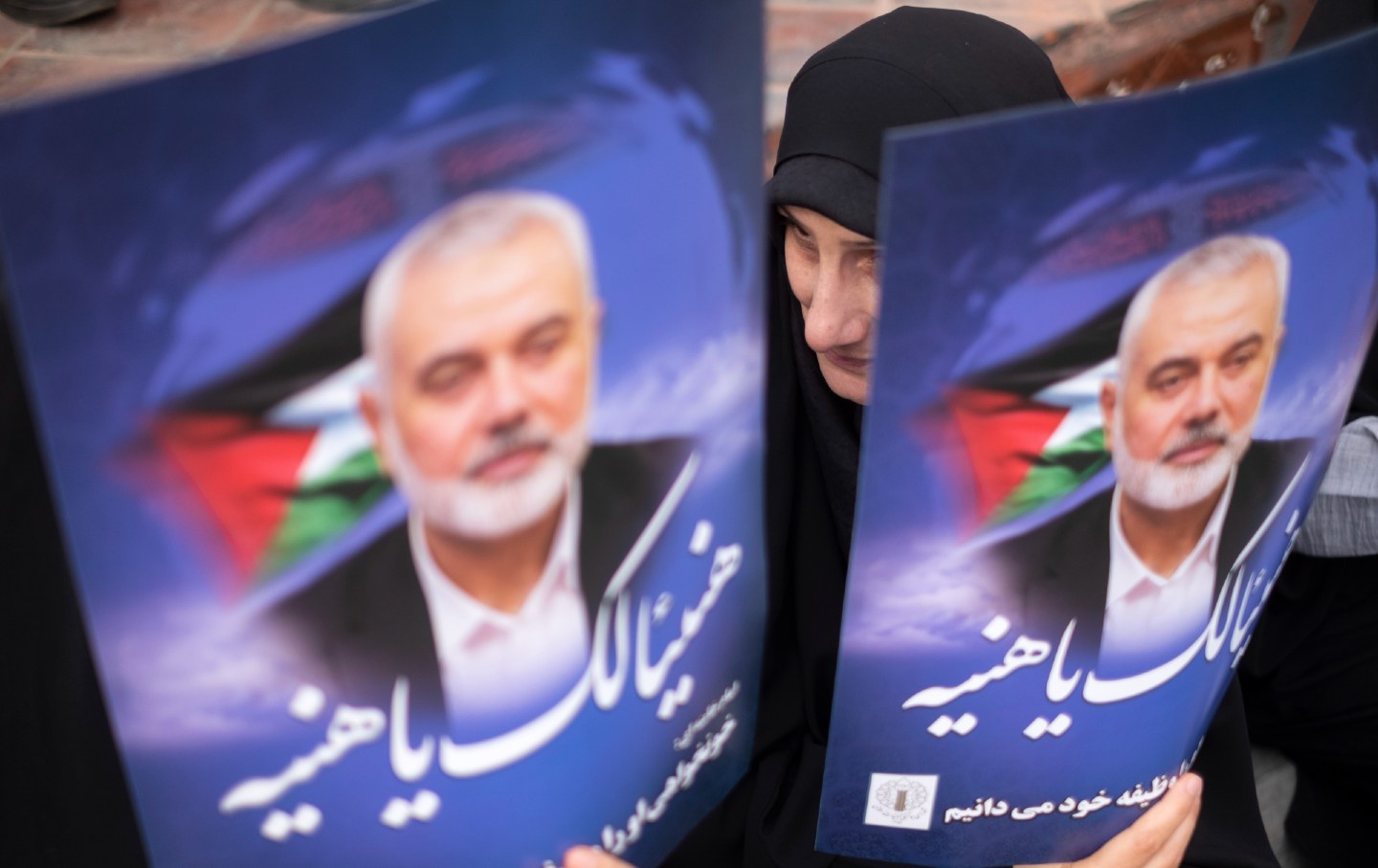
Israel’s war in Gaza has reignited regional tensions in the Middle East. In January, Iran-aligned militias in Iraq resumed attacks on US troops after a two-year hiatus, resulting in the deaths of three American soldiers. Meanwhile, the Houthis effectively blocked the Red Sea to commercial shipping, while ongoing transborder attacks between Israel, Iran, and Hezbollah have kept the region on edge. Until now, however, the brutality of full-scale war has been largely contained within Gaza. Yet Israel’s assassinations of senior Hezbollah leader Fuad Shukr in Beirut and Hamas’s political chief Ismail Haniyeh in Tehran this week have made the conflict more dangerous than ever, with the potential to escalate into a bloody regional war that could kills tens of thousands and draw America into a new “forever war” in the Middle East.
Until now, both Iran and Hezbollah’s actions have demonstrated their preference to avoid direct conflict, despite provocative Israeli actions. Tehran, for example, viewed the strike that killed a senior commander of Iran’s Islamic Revolutionary Guard Corps outside its consulate in Syria on April 1 as a significant escalation, but after sending a barrage of missiles and drones that were largely intercepted, did not pursue further escalation. Hezbollah, too, has consistently sought to stay out of the conflict, even when faced with targeted Israeli strikes on senior figures like Hezbollah chief Hassan Nasrallah’s brother-in-law and other strikes deep within Lebanese territory.
So far, Israel has avoided opening a northern front that would complicate its operations in Gaza. The extent to which Israel needed assistance from the US Navy and even Jordan—after Iran’s response to the Israeli attack on its consulate in Damascus—served as a wake-up call for some within Israel’s political and military circles. Still, according to the Armed Conflict Location and Event Data Project, between October and June, Israel conducted 83 percent of the transborder attacks on targets in Lebanon, displacing approximately 90,000 people, while Hezbollah’s attacks on northern
Israel have displaced about 60,000. The Israeli military has approved operations against Hezbollah, and Israel’s latest attacks on senior officials appear intended to goad Hezbollah or even Iran into outright war.
Current Issue
October 2024 IssueThere’s a dangerous assumption among some within Israel’s government that it can dislodge Hezbollah from Lebanon. A war between Hezbollah and Israel would cause tens of thousands of deaths and trigger a humanitarian crisis. It would also jeopardize the US embassy in Beirut and the safety of thousands of American citizens in Lebanon and Israel. It could trap 86,000 US citizens in Lebanon, a repeat of what happened in 2006 during Israel’s 34-day war with Hezbollah. Even if Israel manages to preemptively destroy or intercept much of Hezbollah’s rocket arsenal, it would still face the challenge of dealing with a militant group deeply embedded in urban areas and equipped with a vast network of tunnels, much like Hamas. This would be made more difficult by the fact that even some of Israel’s closest allies are thinking of reducing their military support because of the scale of Israel’s accused war crimes in Gaza.
Will Israel Drag the US Into a New Forever War?
Regional war isn’t inevitable if the Biden administration delivers a firm message to Israel: The US will provide neither weapons nor funding for an Israeli war on Hezbollah.
 www.thenation.com
Lulldapull
Trusted Member
Al-Turkiya is a joke just like us. If our Munira were to be asked today to respond to Israel, he gonna cry like small baby.Israel has the most advanced weaponary in the world so it's very difficult for Iran to stop any attack. Israel can attack via ballistic missiles, airforce, frigates, submarines. Iran on the other hand relies mostly on proxies and ballistic missiles to target Israel. Iran must invest in UCAVs similar to Kilzemia, Anka 3, GJ11, Boeing Phantom Ray, Sukhoi S-70 Okhotnik-B, they must be able to use airspace to attack enemies, advance submarine is another place where Iran attack via SLBM. AI technology is very important aswell, soon the west will use AI stealth drones to attack enemies but the Muslim world will fall behind, only Turkey is working hard on this.
Bajwa sahb spilled our beans no? Turkey is in even worse shape.
I feel frustrated knowing our reality.
Lulldapull
Trusted Member
Looks like a quadcopter attack, no so dissimilar to the weak April 1 attack:
The image on the right looks photoshopped no? Hurriedly done to show scorch marks.
LongLiveIran
Registered Member
Before Iran launches True Promise III, we really need to find reliable answers to these questions:
Which countries helped Israel get close to our air space?
We know that Jordan did it. We know that Iraq didn't do anything. There is some evidence suggesting that Azerbaijan helped Israel in this attack. The US is said to have provided Israel with an air corridor. If the US jet fighters escorted Israeli fighters, where did they take off from? Al-Udaida in Qatar? Both Azerbaijan and Qatar have super amicable ties with Erdogan. So, it seems that Turkey might be indirectly involved as well.
What can Iran do to limit the effects of a similar attack in future?
Without a reliable Air Force, not much. Khamenei has long been against strengthening the Air Force. Iran has mountainous terrain which makes it perfect for cruise missiles to evade radars. Our only AWACS was an Ilyushin-76 airplane that crashed years ago. If this ping-pong continues, our OTH sites will definitely be targeted next, rendering us blind against cruise missile attacks.
Also, Iran is a large country and Israel has proven times and times again that it can launch quadcopters against critical facilities in Iran by assembling them inside Iran. Other than that, our eastern border and central parts of Iran have terrible radar coverage since the Shah era and the US can help Israel launch larger drones deep into our territory.
How long can this ping-pong continue until one side gives up?
If things remain as they are, IDF having a superior air force will most likely come out victorious in this ping-pong fight, particularly if they focus on our energy infrastructure in Khuzestan instead of trying to attack deep into Iranian territory. Iran, on the other hand, at some point will run out of MRBMs and if IDF continues to target Iranian missile production sites, we won't be able to restore our stocks at a sustainable rate.
Will Iranian allies/proxies participate in the war?
If Iranian allies like Syria, Iraqi groups, Hezbollah and Houthis of Yemen do not directly get involved in the war, the situation will be really bad for Iran. Hezbollah and Syria need to keep the IDF busy on the ground (launch an invasion of Israel) and Houthis of Yemen need to enforce a blockade on Israeli trade. And this has to be meaningful. Not just token attacks without tactical or strategic value.
So, Iran doesn't seem ready for this war. Everyone agrees that economically, Iran is not ready for this war. But even from a military point of view, Iran is not ready yet. And if I were an Iranian decision maker, I wouldn't rely on Russia or China delivering game-changing weapons to Iran.
Which countries helped Israel get close to our air space?
We know that Jordan did it. We know that Iraq didn't do anything. There is some evidence suggesting that Azerbaijan helped Israel in this attack. The US is said to have provided Israel with an air corridor. If the US jet fighters escorted Israeli fighters, where did they take off from? Al-Udaida in Qatar? Both Azerbaijan and Qatar have super amicable ties with Erdogan. So, it seems that Turkey might be indirectly involved as well.
What can Iran do to limit the effects of a similar attack in future?
Without a reliable Air Force, not much. Khamenei has long been against strengthening the Air Force. Iran has mountainous terrain which makes it perfect for cruise missiles to evade radars. Our only AWACS was an Ilyushin-76 airplane that crashed years ago. If this ping-pong continues, our OTH sites will definitely be targeted next, rendering us blind against cruise missile attacks.
Also, Iran is a large country and Israel has proven times and times again that it can launch quadcopters against critical facilities in Iran by assembling them inside Iran. Other than that, our eastern border and central parts of Iran have terrible radar coverage since the Shah era and the US can help Israel launch larger drones deep into our territory.
How long can this ping-pong continue until one side gives up?
If things remain as they are, IDF having a superior air force will most likely come out victorious in this ping-pong fight, particularly if they focus on our energy infrastructure in Khuzestan instead of trying to attack deep into Iranian territory. Iran, on the other hand, at some point will run out of MRBMs and if IDF continues to target Iranian missile production sites, we won't be able to restore our stocks at a sustainable rate.
Will Iranian allies/proxies participate in the war?
If Iranian allies like Syria, Iraqi groups, Hezbollah and Houthis of Yemen do not directly get involved in the war, the situation will be really bad for Iran. Hezbollah and Syria need to keep the IDF busy on the ground (launch an invasion of Israel) and Houthis of Yemen need to enforce a blockade on Israeli trade. And this has to be meaningful. Not just token attacks without tactical or strategic value.
So, Iran doesn't seem ready for this war. Everyone agrees that economically, Iran is not ready for this war. But even from a military point of view, Iran is not ready yet. And if I were an Iranian decision maker, I wouldn't rely on Russia or China delivering game-changing weapons to Iran.
Lulldapull
Trusted Member
Oh bhai you on da US dole, for life support! Hard to believe you can build up the courage to even speak up around here?Hi,
You got a big mouth son---stop yapping.
This world---that is how Allah has created the system---.
Are you challenging how Allah's system runs---?
He has given you a choice to get prepared and get ready for the hard times---.
Now as a muslim, are you following that---. As a pakistani I know that you are not---just like every other muslim / every other irani you are just a wind bag---.
OTOH israelis have done otherwise---everyday they have prepared themselves for the worst to come.
Same with he americans---.
Kamal hae.

PakFactor
Elite Member
That wasn't my experience. I found Germans to be generally nice when I lived in Europe for many years but that was couple decades ago.
Maybe things have changed, I don't know.
It's true; some are washing away the guilt mentality they were raised with and going far-right. If I'm not mistaken, they've recently elected a far-right party into power in one of their states, the 1st since WWII.

Developereo
Elite Member

It's true; some are washing away the guilt mentality they were raised with and going far-right. If I'm not mistaken, they've recently elected a far-right party into power in one of their states, the 1st since WWII.
Please see below.
They have. The amount of guilt factor and shift to the right has literally allowed racism to flourish. It’s next level.
It's hard to draw conclusions because people vote for many reasons.
For example, many Muslims, blacks, or Latinos might vote for Trump because of whatever issue (economics, local jobs, etc.), but it would be unwise to conclude that they support his racial rhetoric.
Many anti-immigrant parties also have strong views on job protection, foreign imports and other economic issues.
Lulldapull
Trusted Member
The more action we see, the more western name brand products get trashed. This is a daily occurrence now.What? Khordad HIMAD shot RQ-4, Iranian Jammer/e-warfare units brought down the RQ-170, Iranian made ADs have downed 4th gen fighters jets in Yemen-KSA theatre and they were not even proper SAM batteries, more than a dozen of Reapers/Predators/Hermes UCAVs have been brought down in all theatres where Iranian militias were armed with just rudimentary Air-defence assets. It's safe to say that IADS's of Iran, Israel, and Russia are probably the most battle-hardened in the entire world because of the elongated conflicts these countries are involved in.
Iranian IADS is the most dense layered unit in the entire MENA region along with Israel itself. No other country in MENA has network of OTH search assets plugged to Active-Passive trackers that can search/track fighters/UCAVs/Conventional BM/CM 1000+/400 KM away and then send this real time data to layers of SHORADS/HIMADS. Offcourse this IADS currently can not stop HGVs or ALBMs but who can? Did not Israeli IADS itself fail massively against Iranian Hypersonics/Skip glide vehicles three weeks ago when 100+ Re-entry vehicles went pass through the entire ABM shield?
If we go by your theory of weapons not being tested than same can be said about roughly 90% of the western weaponry too.
Who the hell will purchase these multi billion dollar US or Russian systems now?
Lulldapull
Trusted Member
Building ceilings with culverts and reinforced blast walls 6 foot thick!Khabar Shekan delivered 300 kg to their hangars and runways
40+ in just one airbase, all accurate on runway and hangar
Now you want to sell 6 plus 1 quadcopter attack to empty over the ground buildings.
Hard to believe all the propaganda here.

Tijani
Registered Member

Please stop the conjecture! Your post is just a load of nonsense. How can you can yourself longliveiran?Before Iran launches True Promise III, we really need to find reliable answers to these questions:
Which countries helped Israel get close to our air space?
We know that Jordan did it. We know that Iraq didn't do anything. There is some evidence suggesting that Azerbaijan helped Israel in this attack. The US is said to have provided Israel with an air corridor. If the US jet fighters escorted Israeli fighters, where did they take off from? Al-Udaida in Qatar? Both Azerbaijan and Qatar have super amicable ties with Erdogan. So, it seems that Turkey might be indirectly involved as well.
What can Iran do to limit the effects of a similar attack in future?
Without a reliable Air Force, not much. Khamenei has long been against strengthening the Air Force. Iran has mountainous terrain which makes it perfect for cruise missiles to evade radars. Our only AWACS was an Ilyushin-76 airplane that crashed years ago. If this ping-pong continues, our OTH sites will definitely be targeted next, rendering us blind against cruise missile attacks.
Also, Iran is a large country and Israel has proven times and times again that it can launch quadcopters against critical facilities in Iran by assembling them inside Iran. Other than that, our eastern border and central parts of Iran have terrible radar coverage since the Shah era and the US can help Israel launch larger drones deep into our territory.
How long can this ping-pong continue until one side gives up?
If things remain as they are, IDF having a superior air force will most likely come out victorious in this ping-pong fight, particularly if they focus on our energy infrastructure in Khuzestan instead of trying to attack deep into Iranian territory. Iran, on the other hand, at some point will run out of MRBMs and if IDF continues to target Iranian missile production sites, we won't be able to restore our stocks at a sustainable rate.
Will Iranian allies/proxies participate in the war?
If Iranian allies like Syria, Iraqi groups, Hezbollah and Houthis of Yemen do not directly get involved in the war, the situation will be really bad for Iran. Hezbollah and Syria need to keep the IDF busy on the ground (launch an invasion of Israel) and Houthis of Yemen need to enforce a blockade on Israeli trade. And this has to be meaningful. Not just token attacks without tactical or strategic value.
So, Iran doesn't seem ready for this war. Everyone agrees that economically, Iran is not ready for this war. But even from a military point of view, Iran is not ready yet. And if I were an Iranian decision maker, I wouldn't rely on Russia or China delivering game-changing weapons to Iran.
Developereo
Elite Member
Now you are right that the damage done maybe less. But that also serves as a statement from genocidal Israelis. They are telling that if you attack again, then we can hit your facilities much harder next time.
This is simply not true.
Netanyahu repeatedly said that the Israeli response would transform the regional calculus forever.
They tried.
They failed.
Miserably.
Users who are viewing this thread
Total: 124 (members: 15, guests: 109)
Pakistan Defence Latest
-
Federal cabinet gives nod to imposition of emergency in KP; summary sent to president (53 Viewers)
- Latest: Blain2
-
-

-

-

Country Watch Latest
-
 India Has Lost Air Superiority to Pakistan, No Jets Left to Fight (20 Viewers)
- Latest: Vikramaditya1
-
-
-
TF-X / KAAN / Hürjet Turkish Fighter & Trainer Aircrafts News & Discussions (8 Viewers)
- Latest: hyperman
-

Latest Posts
-

-
 Five reasons India's stock market is sinking even when its economy is growing (19 Viewers)
- Latest: Master Chief
-

-
Federal cabinet gives nod to imposition of emergency in KP; summary sent to president (53 Viewers)
- Latest: Blain2
-
India Has Lost Air Superiority to Pakistan, No Jets Left to Fight (20 Viewers)
- Latest: Vikramaditya1