Iran - Israel/US War: Israel-US declare war on Iran, Iran responds

In 2025, Lockheed Martin is on track to produce more than 600 PAC-3 MSEs for the first time. Our current production ramp-up target is 650 PAC-3 MSEs by 2027. The program is tracking ahead of its stated capacity goals for the next several years and the company is exploring additional investments and working with our customer to increase production capacity to accelerate PAC-3 MSE delivery to our domestic and global customers.
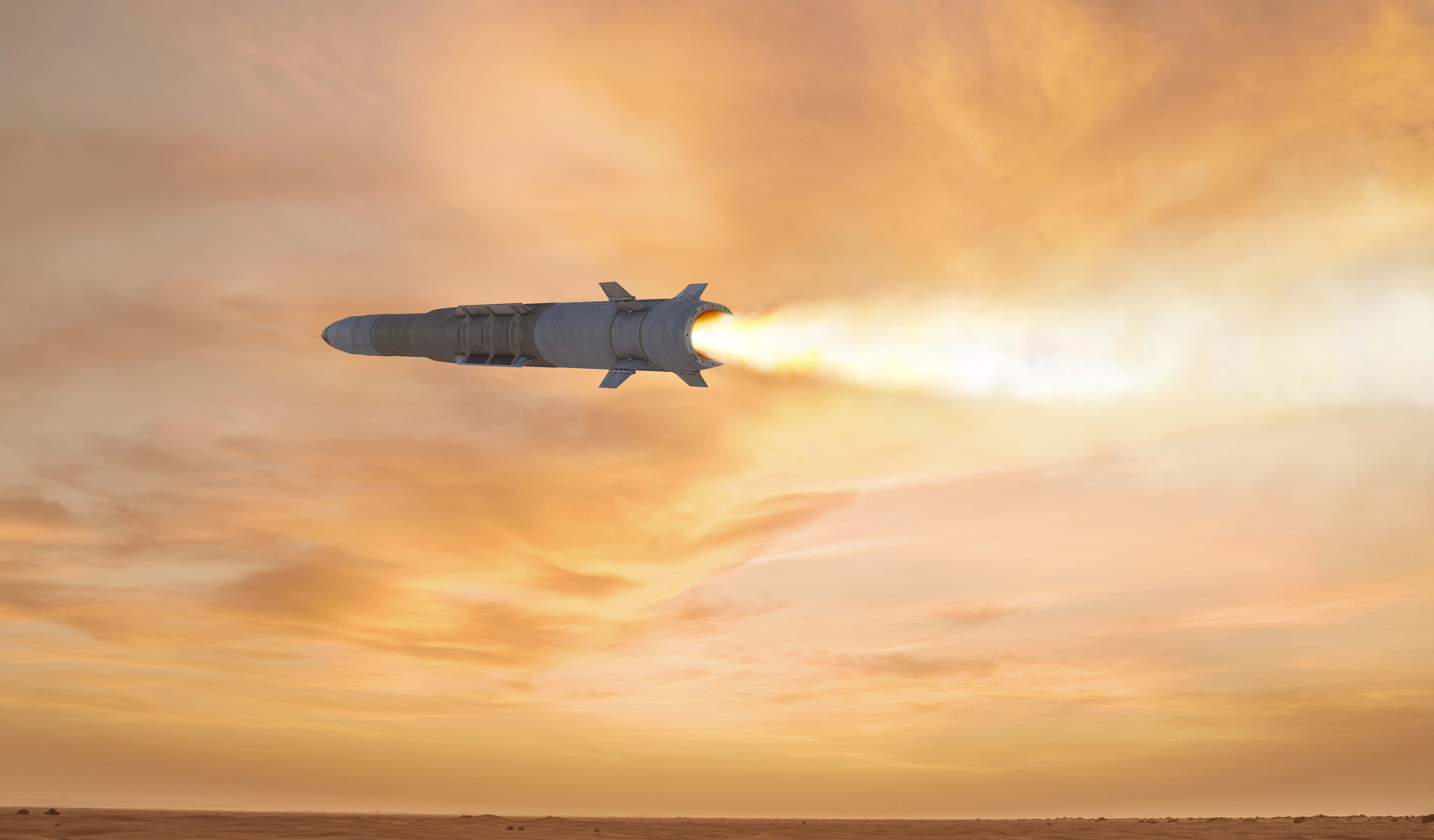

Remember what I told you? When push comes to shove, they won't produce only 200 missiles per year. I'm sure they can easily increase this number to +2,000 per year if they really need to.

@Persian Gulf @Emirzad @tsunset
that is to meet all global demand and ironically Israel does not use Patriot Pac-3

but sure, US latent industrial capacity is something else and this is why they are a superpower and picking a direct fight with them is not a great idea (only one of many reasons)

THAAD, SM-3 and Arrow production numbers are still much lower and ironically now was the time to overwhelm them. IRGC-ASF did a reasonably good job (at least scored some direct hits in Tel Aviv and Haifa plus some other hits on military bases still censored) but underperformed my expectations considering Bagheri had spoken about creating the ability to launch attacks ten times as big as TP-2 while in practice the daily rate of fire was < 20 missiles by day 8-9

maybe I was unrealistic but I was expecting Iran to fire 1000 missiles within 3-4 days to deplete their ADs entirely and then they would be open for major blows even with a lower rate of 'only' 50-100 per day. if we didn't lose access to the major SSM bases in the West maybe that could have happened, who knows.
 
that is to meet all global demand and ironically Israel does not use Patriot Pac-3
But the US shot down a lot of our projectiles out of the Israeli air space over other Middle Eastern countries. The US uses Patriot PAC-3 as its main ABM, no?

maybe I was unrealistic but I was expecting Iran to fire 1000 missiles within 3-4 days to deplete their ADs entirely and then they would be open for major blows even with a lower rate of 'only' 50-100 per day. if we didn't lose access to the major SSM bases in the West maybe that could have happened, who knows.
Our missile forces did the impossible. 50 missiles per day on average. That's impressive. Our drones were the missing component, in my opinion. I really expected Iran to fire 10K-15K drones in 12 days, but we fired only 1K.


the real issue is internal traitors and lack of air defence

but I wonder if he is right that none of these traitors were arrested. I am not sure they would all stay in Iran in these conditions.

We have open traitors in the very highest offices... what do the nameless and faceless ones have to fear?
 
But the US shot down a lot of our projectiles out of the Israeli air space over other Middle Eastern countries. The US uses Patriot PAC-3 as its main ABM, no?
the US shot down a lot of our MRBMs via SM-3 and SM-6 missiles from destroyers in the med and 2 THAAD batteries in Israel. not from any land based systems in Jordan or Iraq.

they might have some Patriot systems in Jordan but the range of Patriot PAC-3 is only 50km so it couldn't reach missiles impacting in Israel anyway.

Our missile forces did the impossible. 50 missiles per day on average. That's impressive. Our drones were the missing component, in my opinion. I really expected Iran to fire 10K-15K drones in 12 days, but we fired only 1K.
why is that the impossible? that was what they were designed to do. to fire missiles during war time. a huge amount of resources was invested over decades so that they could perform that one mission. they were supposed to destroy the enemy's airbases and turn their cities to rubble and fire 10,000 missiles at Haifa. you can't do that with 50 missiles per day (much less in the final days - 200 fired on day 1 skew that average number). since Iran's doctrine relies on cost effectiveness, you need to put aside 500-1000 'cheap' missiles just to deplete their interceptors.

drones over that large distance with countries acting as buffers and Israel's huge stockpile of Iron Dome interceptors will always struggle. believe we had 2-5 confirmed impacts from around 1000 drones fired.
 
Mohsen Rezaee in 2012:

“If the Israelis attack, Iran’s deterrent power would deal a mortal blow to them and the Israeli death toll would not be less than 10,000. Therefore, they would be stopped soon,” Mohsen Rezaei, former chief of the Islamic Revolution Guards Corps was quoted by Press TV as saying.


Israel's claimed number of deaths after it attacked Iran: 32

unfortunately this 70 year old propagandist is still active in the highest levels of decision making in the IRI

ironically his son claimed political asylum in the US and called his dad a terrorist, and he was later found dead in Dubai.
 
they might have some Patriot systems in Jordan but the range of Patriot PAC-3 is only 50km so it couldn't reach missiles impacting in Israel anyway.
Not even over Jordanian airspace?

why is that the impossible? that was what they were designed to do. to fire missiles during war time. a huge amount of resources was invested over decades so that they could perform that one mission. they were supposed to destroy the enemy's airbases and turn their cities to rubble and fire 10,000 missiles at Haifa. you can't do that with 50 missiles per day (much less in the final days - 200 fired on day 1 skew that average number). since Iran's doctrine relies on cost effectiveness, you need to put aside 500-1000 'cheap' missiles just to deplete their interceptors.
It was quite unprecedented. This was the first war in the world where MRBMs were used in such huge numbers. 50 missiles per day on average is pretty good in my opinion, particularly because we also had to be cautious and not exhaust our stockpile. We just needed drones and cruise missiles to complement this.

drones over that large distance with countries acting as buffers and Israel's huge stockpile of Iron Dome interceptors will always struggle. believe we had 2-5 confirmed impacts from around 1000 drones fired.
Yes, because we didn't fire enough. Had we launched 1K drones per day, with tens of cruise missiles, this would've been an entirely different situation. Our whole doctrine always revolved around the concept of saturation and we failed to achieve it.
 
Israel claimed it used 50%+ of its entire air force to perform air sorties near/over Iran every day during the war

even if they drop 200 bombs, 99% of them hit their target precisely.

compared to Iran firing 50 missiles per day - considering at least 50% of them will be intercepted leaves 25, and given the CEP is as large as 500-800m, the chance of them hitting any specific target is almost non-existent. Even with 50m CEP (very difficult to achieve for MRBMs) that means 50% of the missiles are expected fall beyond 50m of the target, leaving c. 12 accurate hits per day in the best case scenario. so in practice the number of missiles fired per day has to be significantly higher to have a chance of matching the enemy's fire power.

this creates a massive difference in useful (accurate and reliable) firepower and each side's ability to achieve military objectives, which is what we witnessed during the war
 
Not even over Jordanian airspace?
correct. they probably shot hundreds of drones over Jordan but no MRBMs as far as I know. remember that video from TP-2 showing the warheads separating over Jordan that looked like a meteor shower? there were no interceptions over Jordan then either.

because as I said the Patriot interception range is 50km of the missile's impact point and the targets in Israel were > 50km from Jordan. But SM-3 has a longer range and impacts in Israel fall within the range of its destroyers in the Med (right next to Israel).

It was quite unprecedented. This was the first war in the world where MRBMs were used in such huge numbers. 50 missiles per day on average is pretty good in my opinion, particularly because we also had to be cautious and not exhaust our stockpile. We just needed drones and cruise missiles to complement this.
Well we are also the only country in the world that invested exclusively in MRBMs as our primary delivery system for decades so we should be held to normal standards not lower standards just because no one else did this.

Yes, because we didn't fire enough. Had we launched 1K drones per day, with tens of cruise missiles, this would've been an entirely different situation. Our whole doctrine always revolved around the concept of saturation and we failed to achieve it.
I doubt we have enough of them to fire 1k per day. each time they deliver drones to the army every few months they deliver around 100-200 drones in total. and many of them are probably stored in the Western SSM bases which were suppressed.

US + UK + France + Jordan + Israel air forces can patrol the region and effectively counter hundreds of drones per day pretty easily IMO not to mention that Israel stocked up on 14,000+ Iron Dome interceptors prior to the war.
 
Israel claimed it used 50%+ of its entire air force to perform air sorties near/over Iran every day during the war

even if they drop 200 bombs, 99% of them hit their target precisely.

compared to Iran firing 50 missiles per day - considering at least 50% of them will be intercepted leaves 25, and given the CEP is as large as 500-800m, the chance of them hitting any specific target is almost non-existent. Even with 50m CEP (very difficult to achieve for MRBMs) that means 50% of the missiles are expected fall beyond 50m of the target, leaving c. 12 accurate hits per day in the best case scenario. so in practice the number of missiles fired per day has to be significantly higher to have a chance of matching the enemy's fire power.

this creates a massive difference in useful (accurate and reliable) firepower and each side's ability to achieve military objectives, which is what we witnessed during the war
Assume Israel can fire 200 bombs on Iran per day with 99% accuracy and 0% shoot down rate (they claimed to fire 330+ bombs on day 1). Let's assume each bomb has 250kg explosives on average (mk-82) = 200 x 250 x 0.99 = 49,500kg of explosives accurately delivered each day. Not including drone strikes and internal sabotage etc.

How many missiles does Iran need to fire per day to match this firepower?

Assuming Israel intercepts 50%, and that each missile has a 100m CEP (very generous), and the targets are large (e.g., cities or huge military buildings), and each missile has 500kg warhead: 50% of missiles are intercepted, 50% of the remaining miss the target (land > 100m of target) = 25% of missiles fired deliver 500kg explosives to a target.

49,500 = 0.25 x 500 x X

49,500 = 125 x X

X = 396 missiles per day even assuming only huge buildings or cities are targeted and missiles have 100m CEP (based on evidence we have from TP-1, TP-2, and TP-3, this is extremely generous and the real average CEP is > 500m)

even this doesn't allow for military objectives to be achieved but does allow for inflicting broadly equivalent firepower. adjusting for more realistic 80% interception rate and 500m CEP makes this number very unpalatable... @ShapurII
 
Assume Israel can fire 200 bombs on Iran per day with 99% accuracy and 0% shoot down rate (they claimed to fire 330+ bombs on day 1). Let's assume each bomb has 250kg explosives on average (mk-82) = 200 x 250 x 0.99 = 49,500kg of explosives accurately delivered each day. Not including drone strikes and internal sabotage etc.

How many missiles does Iran need to fire per day to match this firepower?

Assuming Israel intercepts 50%, and that each missile has a 100m CEP (very generous), and the targets are large (e.g., cities or huge military buildings), and each missile has 500kg warhead: 50% of missiles are intercepted, 50% of the remaining miss the target (land > 100m of target) = 25% of missiles fired deliver 500kg explosives to a target.

49,500 = 0.25 x 500 x X

49,500 = 125 x X

X = 396 missiles per day even assuming only huge buildings or cities are targeted and missiles have 100m CEP (based on evidence we have from TP-1, TP-2, and TP-3, this is extremely generous and the real average CEP is > 500m)

even this doesn't allow for military objectives to be achieved but does allow for inflicting broadly equivalent firepower. adjusting for more realistic 80% interception rate and 500m CEP makes this number very unpalatable... @ShapurII
Yes, I am quite aware of that. A missile force alone is never enough to compensate for a modern air force.

I once calculated that we needed over 100,000 missiles to equalize the fire power of a modern air force.

Anyway, we've reached the final stage of the show. We will see what will happen soon (in at most 2-3 months, I guess)
 
Yes, I am quite aware of that. A missile force alone is never enough to compensate for a modern air force.

I once calculated that we needed over 100,000 missiles to equalize the fire power of a modern air force.

Anyway, we've reached the final stage of the show. We will see what will happen soon (in at most 2-3 months, I guess)
100,000 sounds like a crazy number but people really underestimate the number of munitions that Israel / the US drop on its enemies in wars.

in 6 weeks against Iraq the US dropped > 29,000 bombs and we don't have the luxury of dropping cheap gravity bombs over our enemy and relying on 80%+ success rate against a poor enemy with no real air defences.
 
100,000 sounds like a crazy number but people really underestimate the number of munitions that Israel / the US drop on its enemies in wars.

in 6 weeks against Iraq the US dropped > 29,000 bombs and we don't have the luxury of dropping cheap gravity bombs over our enemy and relying on 80%+ success rate against a poor enemy with no real air defences.
Yes, and not just US and Israel. Any decent modern air force with proper funding is capable of doing that.

Missiles are low-cost per unit, but still inaccurate and they need to be produced in very large numbers to be as effective as an air force. It's just the wrong tool for the job. A jet fighter is reusable times and times again, making it eventually more cost-effective than relying on missiles alone.
 

This was the core group responsible for planning Operation Red Wedding (elimination of senior Iranian military commanders) and Operation Narnia (elimination of nuclear scientists).

Training began in 2008 with Operation "Glorious Warrior," where more than 100 Israeli fighter jets conducted simulated flights to Greece. After years of being unable to directly attack Iran due to political restrictions, the fall of the Syrian regime created new opportunities for Israel to operate freely in regional airspace.
 
The next 3-5 weeks is extremely important for Iran.
By the end of August, we will know for sure where Iran is heading.

I believe the second round will start before October.
Probably in mid-September.

And the Ayatollahs are not ready for the second round.
Unless something pressing there isn't a chance of this rupturing any time soon. Zion is exhausted and out of friends(read blackmailed and coerced) to meaningfully intervene on behalf of it...
It has much to do with other conflicts, primarily potential collapse of Ukraine. There is a good chance of a deal with Putin... which, pending the details will determine how much of can be delivered to zion to shore up its offensive and defensive capabilities.

Iran However faces a more significant and multidimensional threat from within...
Rumor mills and dearth of clarity create an environment ripe for select purposes and subversion.
 

Users who are viewing this thread

Pakistan Defence Latest

Back
Top