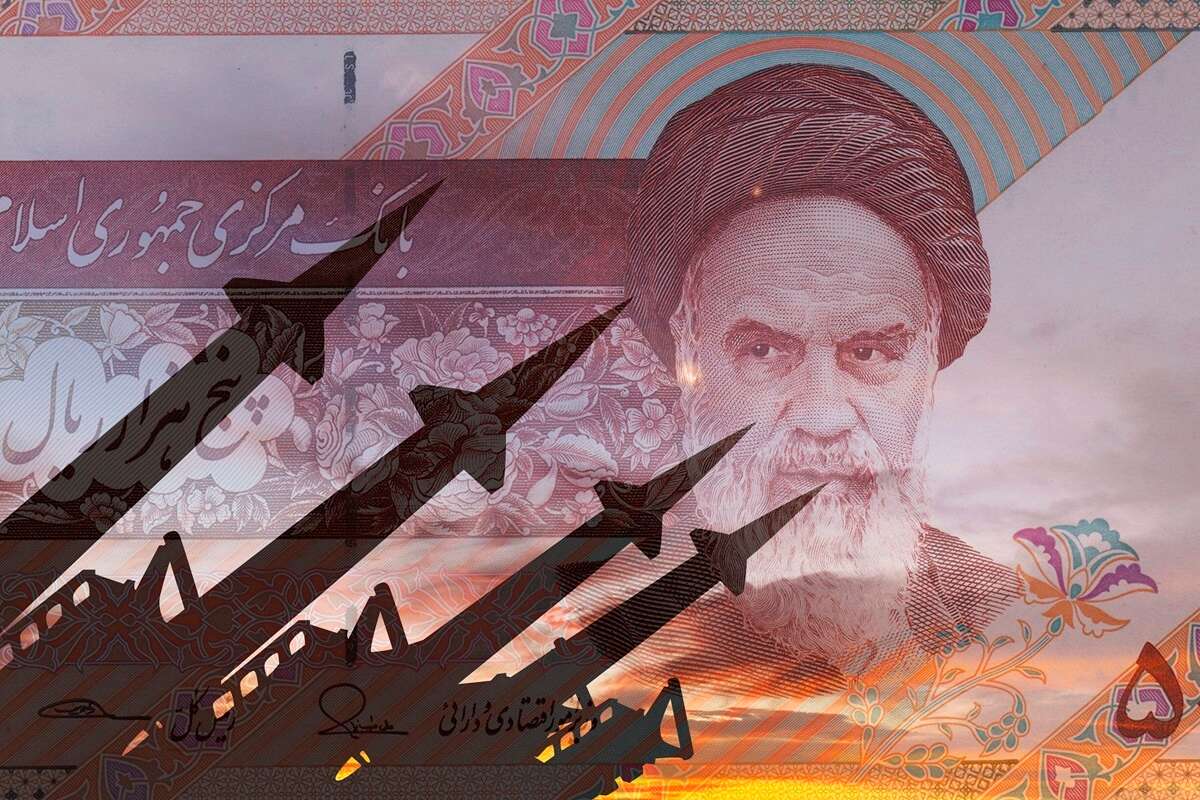
Israeli media: Israel's tactical victories during the 12 day war did not translate into strategic achievements, and another round of conflict will not achieve the desired outcomes
--
Half a year after the "Rising Lion" war, it appears that despite Israel's impressive achievements,
little has fundamentally changed. Iran is rebuilding its missile array, rehabilitating its nuclear capabilities, and remains unwilling to accept an agreement that would prevent it from enriching uranium on its own soil or limit its nuclear program. Worse still, Tehran is preparing for another confrontation with Israel, seeking to implement the lessons it drew from the previous war. The Iranian regime continues to grapple with complex internal challenges, yet even now there is no opposition that appears to threaten its future.
However,
these operational successes did not translate into a true strategic achievement, because from Tehran's perspective, Iran did not actually lose the war. In Iran's view, it not only managed to continue launching missiles until the final day of the fighting and stood firm against Israel and the US, but Israel also failed in what Tehran perceived as an attempt to topple the Iranian regime. Even if this was not the declared objective of the campaign, Iran interpreted Israel's actions, particularly the strike on Evin Prison and Basij headquarters, as moves aimed at regime change, in line with statements made by senior Israeli officials on the matter.
This reality, together with Iran's understanding that another round with Israel is only a matter of time, is
driving Tehran toward a conventional arms race, with an emphasis on rebuilding its missile array while, in its view,
implementing the lessons of the previous campaign to improve its capabilities. Moreover, in the nuclear arena, despite the severe damage to nuclear sites that prevents Iran from returning to industrial-scale enrichment that brought it to the threshold of military-grade enrichment,
the knowledge that exists in Iran, combined with centrifuges that were not damaged and nuclear sites such as "Mount Kolang Gaz" south of Natanz, enable it at some point in the future to resume enrichment in a way that would allow it to take the enriched material already in Iran, including 408 kilograms enriched to 60 percent, and enrich it to military grade.
Moreover, every day that passes without a diplomatic agreement that restricts Iran's force buildup significantly erodes Israeli achievements. Iran's supreme leader has appointed experienced figures to replace those who were killed, and Tehran is currently pursuing Russia and China in an effort to acquire new capabilities in air defense, missiles, and perhaps even nuclear technology.
Ultimately, it is precisely the success of the "Rising Lion" war that necessitates renewed Israeli thinking on the Iranian front. If even after nearly ideal "starting conditions"
Israel is effectively back to square one, it is difficult to see how a policy based on repeating the same actions while expecting different results would serve Israel's interests. Moreover,
future confrontations with Iran are likely to be more complex and more difficult, and there is no certainty that they will yield achievements beyond those already attained in "Rising Lion."
The operational achievements of Israel's war against Iran did not translate into a genuine strategic victory, because from the perspective of Iran’s

www.israelhayom.com