Japan PM Takaichi sends offering to war-linked Yasukuni shrine on World War II anniversary

China, South Korea protest Japanese ministers' visits to controversial Yasukuni Shrine​

Anadolu Agency
Published August 15,2026 04:47 PM

China and South Korea on Saturday protested visits by Japanese ministers and a ritual offering by Prime Minister Sanae Takaichi to Tokyo's controversial Yasukuni Shrine, which honors Japan's war dead, including convicted World War II war criminals.

A Chinese Foreign Ministry spokesperson said Beijing "strongly deplores" Japan's latest moves related to the shrine and had lodged "serious protests" with Tokyo, the state-run Global Times reported.

"The Yasukuni war shrine is a spiritual tool and symbol of Japanese militarism," the spokesperson said, noting that it honors 14 Class-A war criminals convicted after World War II.

"No pretext whatsoever can hide the Japanese politicians' true intention which is to change the verdict on the war criminals, cover up Japan's war crimes, distort the historical facts, and pave the way for accelerating remilitarization," the statement said.

Beijing called the actions "an affront to historical justice, a challenge to the foundational norms of civilization, and a provocation against the postwar international order," adding that such behavior has been rejected by the overwhelming majority of the international community.

South Korea also denounced the Japanese ministers' visits to the shrine and urged Tokyo to face its history and show remorse to develop bilateral relations based on mutual trust, according to Yonhap News.

"The government cannot but deplore the anachronistic and historically oblivious acts of responsible Japanese leaders who have once again made ritual offerings or paid visits to the Yasukuni Shrine, which glorifies Japan's past wars of aggression and honors convicted war criminals," the South Korean Foreign Ministry said.

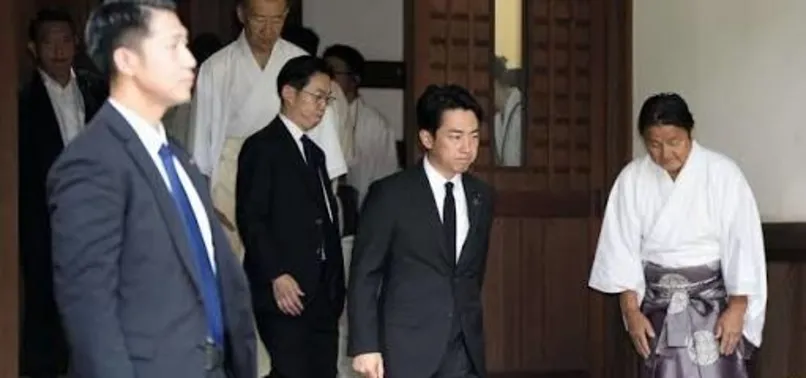
The statements came after Japanese Defense Minister Shinjiro Koizumi visited Yasukuni on Saturday, marking the 81st anniversary of the end of World War II. Takaichi did not visit the shrine but sent a ritual offering.

Koizumi was joined by Economic Security Minister Kimi Onoda and other Cabinet members, according to Kyodo News.

Takaichi pledges peace but makes no reference to wartime 'remorse'

Marking the 81st anniversary of Japan's surrender in World War II, Takaichi pledged to uphold peace but made no reference to Japan's wartime "remorse" in her speech.

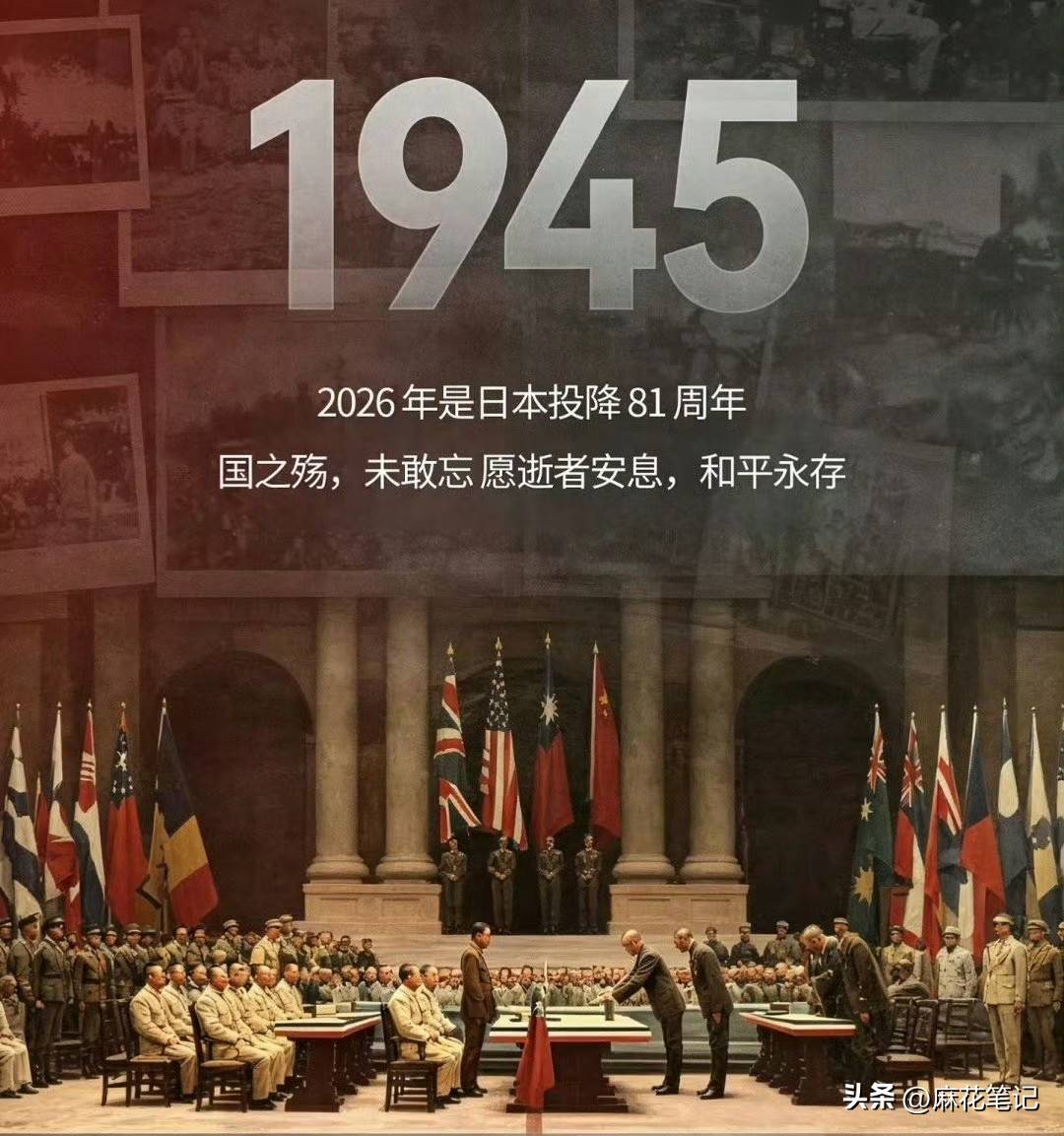
Emperor Naruhito and Empress Masako joined Takaichi and bereaved families at a government-sponsored memorial in Tokyo, attended by about 4,180 people, to mourn approximately 3.1 million Japanese military personnel and civilians who died in the war.

Takaichi, who took office last October, said Japan had consistently followed the path of a peace-loving nation and worked for global peace and prosperity.

Her remarks differed from those of her predecessor, Shigeru Ishiba, who last year explicitly expressed Japan's "remorse" over the war and pledged to renounce war, according to the report.

The Yasukuni Shrine was built in 1869 by Emperor Meiji and dedicated to Japanese soldiers who died in wars since the Meiji Restoration. It now honors about 2.5 million war dead, including 14 convicted Class-A war criminals from World War II.

The shrine has long been a source of diplomatic tension between Japan and its neighbors, particularly South Korea and China, which view visits by Japanese leaders as a sign of Tokyo's failure to fully acknowledge its wartime past.

Japan colonized the Korean Peninsula before World War II and launched a military invasion of China.

Conservative Japanese politicians have faced criticism for allegedly downplaying previous government statements of remorse.


Myanmar media official urges Japan to face wartime atrocities on "Death Railway"

2026-08-15 16:56 Last Updated At:19:37

Marking the 81st anniversary of Japan's unconditional surrender at the end of World War II, a Myanmar media official said Tokyo has never properly faced its wartime crimes on the "Death Railway" and warned that distorting history would undermine regional peace and cooperation.

In 1942, the Japanese military pursued a brutal campaign to build a railway connecting Thailand and Myanmar, a strategic move to secure supply lines and tighten its grip on Southeast Asia.

More than 60,000 allied prisoners of war and hundreds of thousands of local laborers were forced into the project.

The inhuman conditions claimed the lives of more than 100,000 people, earning the railway its notorious name — the "Death Railway."

Japan has never offered an apology to Myanmar or other nations for the atrocities committed during the construction of the "Death Railway," said U Khin Maung Zaw, vice chairman of the Myanmar Press Council, in an interview with China Central Television.

"Take for example the Thanbyuzayat railway — the so‑called 'Death Railway.' Many Burmese were forced to work on it and lost their lives. But Japan has never really acknowledged that part of history, offered any apology, honored the victims, or promised such tragedy won't happen again. And it's not just Myanmar. The same goes for the Philippines, Indonesia, Malaysia, and other nations," he said.

He urged Japan to confront its wartime past and take a sincere path toward peace.

"These atrocities are historical facts. Hundreds of thousands were killed, and the scale is truly staggering. This is a reality that cannot be erased. If they simply deny or distort this part of history, it will undermine regional cooperation, peace and stability. Such an approach is extremely dangerous," he said.


The Ministry of Foreign Affairs changes its tune! Directly referring to the Yasukuni Shrine as a war criminal shrine; China's patience has run out.


2026-08-19 05:35
Published in: Henan Province

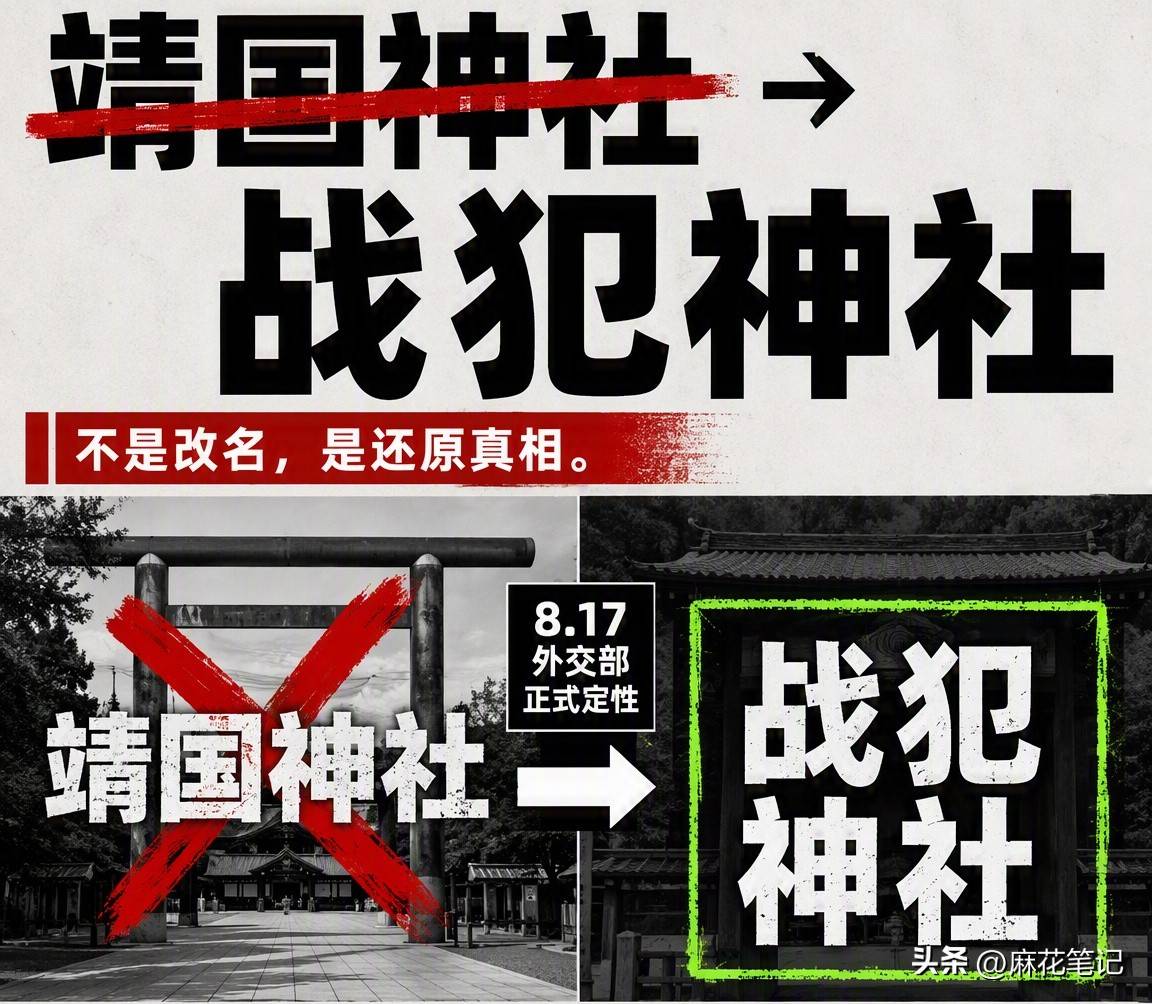
On August 17, 2026, Foreign Ministry Spokesperson Lin Jian used the term "War Criminals Shrine" to replace "Yasukuni Shrine" for the first time at a press conference. This upgrade in name completely and permanently linked the shrine, which enshrines 14 World War II criminals, with the crimes of aggression.


China is telling the world: What are they worshipping? Class A war criminals as defined by international law. What are they honoring? The culprits who launched wars of aggression. What are they glorifying? Militarism, which has brought profound disaster to humanity.


Article Image-1


This is a path that the Japanese have led to their own demise, step by step.


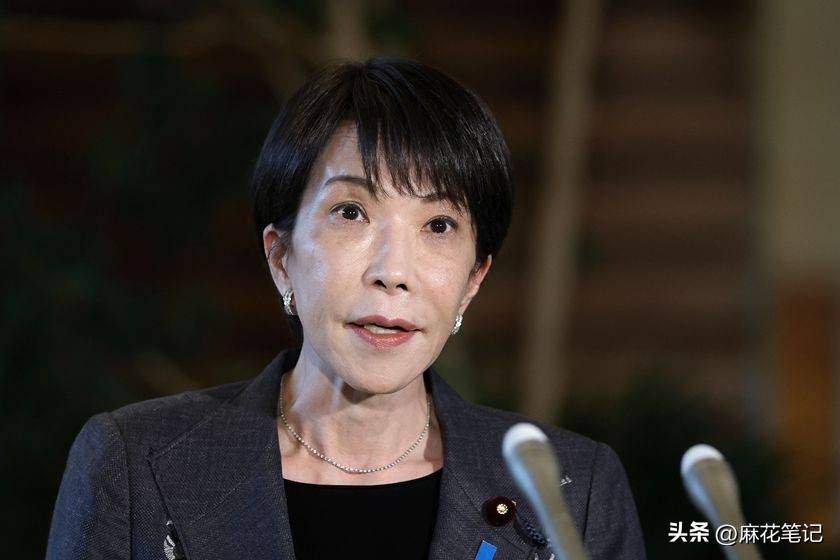
When Takaichi was a councilor and cabinet member, she frequently visited the shrine in person, and during the election, she even declared that she would continue to visit it if she became prime minister. After she took office, she made erroneous remarks about Taiwan and expanded the military, so the right-wing circle regarded her as their leader and was like a man possessed, eagerly awaiting Takaichi's shrine visit. In the end, she chickened out, only offering sacrifices without visiting the shrine, which earned her criticism from both China and South Korea.


On the 81st anniversary of Japan's defeat and surrender, in response to the Prime Minister's offering of religious funds and visits by dignitaries to the shrine, the Ministry of Foreign Affairs referred to it as a "de facto 'war criminals shrine'," still using quotation marks and a modifier. Just two days later, on August 17, spokesperson Lin Jian completely removed the words "Yasukuni Shrine," directly referring to it as a "war criminals shrine" without any qualifiers, completing the final transformation from description to name.


Article Image-2


The official statement equates the two without any embellishment, sending a clear signal:


1. The Ministry of Foreign Affairs no longer refers to the Yasukuni Shrine as the "Shrine of War Criminals," but directly calls it the "Shrine of War Criminals." Visiting the Yasukuni Shrine is tantamount to visiting war criminals. By directly changing the name to "Shrine of War Criminals," China denies its legitimacy and blocks any way out of the argument that "visiting is a cultural tradition."


2. It was directly elevated to the level of upholding the achievements of the victory in World War II and the principles of the post-war international order.


3. A clear red line has been drawn: all visits to shrines and the offering of sacrifices constitute visits to war criminals. Japanese politicians can no longer find an excuse to "mourn the dead," which is a direct counterattack against the Japanese right wing's distortion of the history of aggression and its glorification of militarism.


4. Instead of passively explaining "there are war criminals inside," we directly give a definitive name, reducing the space for Japan's ambiguous historical rhetoric.


"War Criminals Shrine"—this is China's latest name for that place in Japan. There's no "so-called" or "in fact," it's just straightforward. So why now of all times? Because this year is exceptionally special.


Article illustrations - 3


The 81st anniversary of the victory of the Chinese People's War of Resistance Against Japanese Aggression and the World Anti-Fascist War. The 80th anniversary of the opening of the Tokyo Trials.


Eighty-one years ago, we won victory with the blood of 35 million compatriots. Eighty years ago, the International Military Tribunal for the Far East, through two and a half years, 419 trials, and 779 written testimonies, nailed 14 Class A war criminals, including Hideki Tojo, Kenji Doihara, and Iwane Matsui, to the pillar of historical shame. Lin Jian read these names aloud one by one at the press conference. Not just mentioned briefly, but named them one by one.


At the press conference, Lin Jian also quoted a Japanese intellectual: "The Defense Minister's actions are tantamount to supporting a war of aggression." This statement carries immense weight. It is the Japanese people themselves warning their government: What are you doing? Do you know what you are doing? Japan's remilitarization is accelerating, and its denial of historical responsibility is becoming increasingly blatant.


Once this characterization reaches a consensus in the international community, the elaborate system of lies meticulously constructed by Japan's right-wing forces will completely collapse. In other words, this is the legal basis for combating Japan's militaristic forces from a macro perspective and upholding the entire post-war international order.


The four words "war criminals' shrine" are the final ultimatum. China's patience has run out.


Article illustrations - 4


The way i see it is to just forget about Japan and the shrine business. why?

If Japan is a friend of course you can raise it to Japan and hope they learn from their mistakes and change their ways.

Japan however is an enemy so complaining to your enemy just makes you look weak and gives them power over you. Let them play with their little shrines its not harming any asians.
 
The way i see it is to just forget about Japan and the shrine business. why?

If Japan is a friend of course you can raise it to Japan and hope they learn from their mistakes and change their ways.

Japan however is an enemy so complaining to your enemy just makes you look weak and gives them power over you. Let them play with their little shrines its not harming any asians.
Yeah, Chinese gov and media shouldn't keep trying to ask the Japs to change or correct their attitudes and behaviors about WW II, instead just act on them with iron fist, no need to try to explain to the Japs all the time.
 
Yeah, Chinese gov and media shouldn't keep trying to ask the Japs to change or correct their attitudes and behaviors about WW II, instead just act on them with iron fist, no need to try to explain to the Japs all the time.
Next time Japan visits the shrine, instead of complaining, discuss with Russia about building infrastructure on kuril islands and sending chinese people there to live.
 
  • Like
Reactions: ety

Users who are viewing this thread

Pakistan Defence Latest

Back
Top