Light News, Event from or about Indonesia

Status
Not open for further replies.

Indonesia Sends Skilled Workers to South Korea’s Shipbuilding and Fighter Jet Industries​


To view this content we will need your consent to set third party cookies.
For more detailed information, see our cookies page.


Achmad Ali
October 10, 2025 | 7:06 pm

Pasuruan, East Java. Indonesia has sent 600 workers abroad this week, including skilled personnel bound for South Korea’s shipbuilding and fighter jet manufacturing industries, Migrant Worker Protection Minister Mukhtarudin said on Thursday.

The latest deployment underscores Indonesia’s growing effort to place workers not only in traditional service sectors but also in advanced industrial fields.

The deployment, facilitated by manpower agency Prima Duta Sejati, also includes workers headed for Japan’s construction, food manufacturing, and nursing sectors, as well as caregivers bound for Taiwan and Hong Kong.

Mukhtarudin said the demand for Indonesian labor remains strong in key technical fields such as construction, welding, painting, and electrical work, where Indonesian workers are valued for their adaptability and skill.


Indonesia Sends Skilled Workers to South Korea’s Shipbuilding and Fighter Jet Industries​


To view this content we will need your consent to set third party cookies.
For more detailed information, see our cookies page.


Achmad Ali
October 10, 2025 | 7:06 pm

Pasuruan, East Java. Indonesia has sent 600 workers abroad this week, including skilled personnel bound for South Korea’s shipbuilding and fighter jet manufacturing industries, Migrant Worker Protection Minister Mukhtarudin said on Thursday.

The latest deployment underscores Indonesia’s growing effort to place workers not only in traditional service sectors but also in advanced industrial fields.

The deployment, facilitated by manpower agency Prima Duta Sejati, also includes workers headed for Japan’s construction, food manufacturing, and nursing sectors, as well as caregivers bound for Taiwan and Hong Kong.

Mukhtarudin said the demand for Indonesian labor remains strong in key technical fields such as construction, welding, painting, and electrical work, where Indonesian workers are valued for their adaptability and skill.


Market Drivers


  • High Demand:
    • Southeast Asia has thousands of aircraft with a strong delivery pipeline (2025–2030).
    • Airlines increasingly seek 10-day MRO slots vs. 1–3 days, reflecting larger fleets.
    • Jakarta facility already fully booked, expansion constrained by space.
  • Talent & Logistics:
    • Indonesia produces large numbers of engineers, ensuring workforce supply.
    • Logistics and supply chain development are crucial for scaling.

 
Many Indonesian engineers went abroad to Gulf Countries in aerospace sector is also said by GMF AeroAsia CEO, Andi Fahrurrozi

To view this content we will need your consent to set third party cookies.
For more detailed information, see our cookies page.


To view this content we will need your consent to set third party cookies.
For more detailed information, see our cookies page.
 

Indonesia Shuts Down 1,000 Illegal Tin Mines in Bangka Belitung​


Celvin Moniaga Sipahutar

October 16, 2025 | 8:31 am


Jakarta. The Indonesian government has shut down 1,000 illegal tin mines in the Bangka Belitung Islands over the past year as part of efforts to recover state assets, curb smuggling, and boost legal mining revenues, President Prabowo Subianto said on Wednesday evening.


Speaking at the Forbes Global CEO Conference in Jakarta, Prabowo said the clampdown reflects his administration’s commitment to protecting the environment and ensuring that the country’s natural resources are managed lawfully.


“We received reports of 1,000 illegal tin mines operating across the two islands,” Prabowo said, adding that these operations caused massive losses to the state through smuggling and unregulated extraction.”


According to the president, Indonesia has lost around 80 percent of its total tin output to illegal mining and cross-border smuggling. The government has since moved to shut down all unauthorized activities and take legal action against those involved.

In addition to mining, the government has also begun tackling unauthorized land clearing and illegal plantation expansion. Prabowo revealed that around 5 million hectares of palm oil plantations in Indonesia were operating without proper permits.


Through court rulings and legal recovery processes, the state has regained control of 3.7 million hectares of those lands as of October 2025, marking a significant milestone in Prabowo’s first year in office.


Prabowo said the enforcement campaign is part of his government's commitment to uphold the rule of law and reorganize the management of natural resources. It is being coordinated between the Attorney General’s Office and the Supreme Audit Agency, ensuring all violations are prosecuted under existing laws.


Prabowo stressed that the government would not tolerate any form of resource theft or illegal economic activity — whether in mining, plantations, or other sectors.


“The law is the law. Regulations are regulations. Those who violate them must face justice. It’s that simple. We are restoring many state assets efficiently,” Prabowo said.

 
To view this content we will need your consent to set third party cookies.
For more detailed information, see our cookies page.


2025 Artistic Gymnastics World Champs, Jakarta (INA) – Men’s & Women’s Podium Training Day 3 - Short​


To view this content we will need your consent to set third party cookies.
For more detailed information, see our cookies page.


To view this content we will need your consent to set third party cookies.
For more detailed information, see our cookies page.


------------

Indonesia denies visas to Israel gymnasts amid Gaza outcry​


1760861796724.png
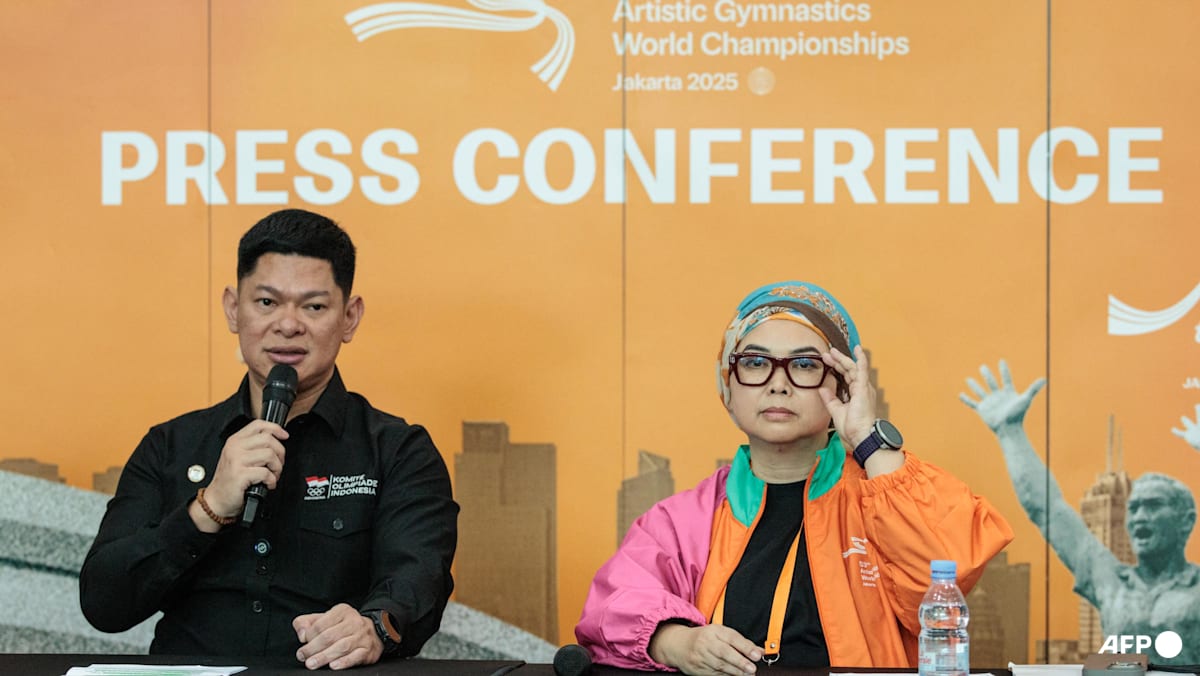
Indonesian Gymnastics Federation president Ita Yuliati (right) and Indonesian Olympic Committee president Raja Sapta Oktohari attend a press conference ahead of the 53rd Artistic Gymnastics World Championships at Indonesia Arena in Jakarta on Oct 10, 2025. (Photo: AFP/Yasuyoshi Chiba)


JAKARTA: Indonesia has denied visas to Israeli gymnasts, costing them a spot in a world championship in Jakarta this month, a sports official in the Southeast Asian nation said on Friday (Oct 10), amid outcry over Israel's military offensive in Gaza.

The Israeli team was set to participate in the World Artistic Gymnastics Championships from Oct 19 to 25 in Indonesia, the world's largest Muslim-majority country, which has no formal diplomatic ties with Israel.


Japan's 'Silicon Island' businesses lure Indonesian chip talent​

Companies aim to supplement shrinking labor force through local technical schools

SHOTARO MORI
October 21, 2025 04:22 JST


Government Sets Aside Rp 20 Trillion to Clear BPJS Premium Backlog​


Arnoldus Kristianus


October 22, 2025 | 11:05 pm

To view this content we will need your consent to set third party cookies.
For more detailed information, see our cookies page.

RSCM, one of state owned hospitals in Jakarta


Jakarta. Indonesia will allocate Rp 20 trillion ($1.2 billion) to settle outstanding premium arrears in the national health insurance program BPJS Kesehatan, Finance Minister Purbaya Yudhi Sadewa said on Wednesday.


“The Rp 20 trillion fund is available and has been budgeted,” Purbaya told reporters in Jakarta.


While he did not specify the source of the allocation, indications suggest the funds will come from the planned increase in the National Health Insurance (JKN) budget to Rp 69 trillion in 2026, up from Rp 49 trillion this year. The expanded budget will also cover government-subsidized premiums for low-income participants.


Purbaya’s remarks differ slightly from a statement by BPJS Kesehatan President Director Ali Ghufron Mukti, who said the arrears would be handled through a “write-off” mechanism, effectively clearing participants’ outstanding payments from the books without requiring direct state budget financing.

The write-off is expected to apply to around 23 million BPJS participants with total arrears exceeding Rp 10 trillion, according to BPJS Kesehatan. Ghufron said the measure will not affect the agency’s cash flow.


Despite the government’s planned financial support, Purbaya urged BPJS Kesehatan to improve its financial management and operational efficiency.


The move to settle arrears and modernize BPJS Kesehatan’s internal systems comes as the government seeks to improve fiscal discipline and service delivery across Indonesia’s universal healthcare framework, which covers more than 250 million citizens.


Read More:​

Gov’t Summons 41 Companies Who Miss BPJS Ketenagakerjaan Payments

He noted that BPJS has been burdened by costly medical equipment purchases tied to programs under the Health Ministry, and called for a review to ensure more prudent spending.


“There needs to be an assessment of which medical equipment is truly essential and which can be reduced from the purchase allocation,” Purbaya said.


The minister also pressed BPJS Kesehatan to strengthen its information technology systems to enhance oversight of claims and payments.


BPJS Kesehatan has agreed to assign 200 IT staff to standardize and integrate its digital systems nationwide, enabling better detection of unsettled or irregular claims, Purbaya said.


“I hope within six months, the system will be operational -- and BPJS has assured me that it will be,” Purbaya said.


Free Meal Program boost school participation in remote areas in Papua

To view this content we will need your consent to set third party cookies.
For more detailed information, see our cookies page.
 
AI to Make Indonesians Wealthier Faster — Here’s How

By Intan Rakhmayanti Dewi | 5–6 minutes
28 October 2025 14:50

1762136982028.webp


Jakarta, CNBC Indonesia — Artificial Intelligence (AI) is projected to become the main engine driving Indonesia out of the middle-income trap and into high-income country status by 2045.


According to a report titled “Empowering Indonesia 2025” published by Indosat Ooredoo Hutchison (IOH) and Twimbit, the adoption of sovereign AI could add up to US$140 billion to Indonesia’s GDP by 2030.


The report also suggests that AI could boost annual economic growth to 6.8% and help Indonesia reach high-income status by 2041, or even as early as 2038 under the most optimistic scenario.


AI has vast potential to improve labor productivity, but it requires strong support in infrastructure, talent development, research, industry collaboration, and regulation.


AI as an Economic Multiplier


“First, we must develop and attract domestic AI investment into Indonesia. When we think about AI, we must think about how Indonesia can become a player — not just a user,”
said Manoj Menon, Founder and CEO of Twimbit, during the report launch at Indosat’s headquarters in Jakarta on Monday (Oct 27, 2025).

The sectors expected to see the greatest AI-driven gains include:


  • Manufacturing: US$357 billion
  • Agriculture: US$291 billion
  • Wholesale and Retail Trade: US$279 billion
  • Information and Communication: US$121 billion

By 2045, the report estimates that AI adoption could help Indonesia achieve a total GDP of US$7.4 trillion, a GDP per capita of US$23,199, and a population of 319 million.


Five Pillars of AI Sovereignty


The report outlines five strategic pillars to build Indonesia’s AI sovereignty:


  1. Robust digital infrastructure
  2. Sustainable AI talent development
  3. AI industry growth through public–private collaboration
  4. Enhanced AI research and development capabilities
  5. Comprehensive AI governance and ethical frameworks


Telecom’s Central Role


Indosat Ooredoo Hutchison CEO Vikram Sinha emphasized the telecommunication sector’s vital role in establishing the foundation for Indonesia’s AI ecosystem.


“We have long been in the business of connectivity, and the telecom sector will play a crucial role in building Indonesia’s AI future,” Sinha said.

He added that AI sovereignty is not only about technology, but also about national independence.


“AI sovereignty is about building a future owned and controlled by Indonesia itself,” he stressed.


AI Talent and Research Momentum


The Empowering Indonesia 2025 Report highlights the need to develop 400,000 AI professionals by 2030, requiring an investment of US$968 million in education, training, and workforce reskilling.


Currently, Indonesia is home to 364 AI startups with a total funding of US$1.08 billion. The nation also leads local AI research initiatives, such as Sahabat-AI V2, a 70-billion-parameter large language model (LLM) that supports Indonesian and regional languages like Javanese, Sundanese, Balinese, and Batak.


From User to Creator of AI


Deputy Minister of Communication and Digital Affairs Nezar Patria said that such local innovations mark Indonesia’s shift from being merely a user of AI to becoming a creator of global AI technology.


“Indosat’s Sahabat-AI program shows a strong commitment to developing Indonesian-made AI models. This represents a powerful step forward,” Nezar noted.

He added that the National Economic Council is also aligning its strategy to accelerate Indonesia’s AI development.


“We are confident that Indonesia’s growing pool of AI talent is now coming together to build the nation’s technological future,” he concluded.


e-Conomy SEA 2025: Indonesia’s digital economy approaches $100 billion GMV this year

Google Indonesia

8–11 minutes
13 Nov 2025


Reading time: 6 minutes


Indonesia’s double-digit digital economy growth—now the fastest in the region—is being led by Online Media. This momentum is strongly supported by the rapid development of the Video Commerce and Digital Payments sectors, both of which are the largest and fastest-growing in Southeast Asia.


e-Conomy Report 2025


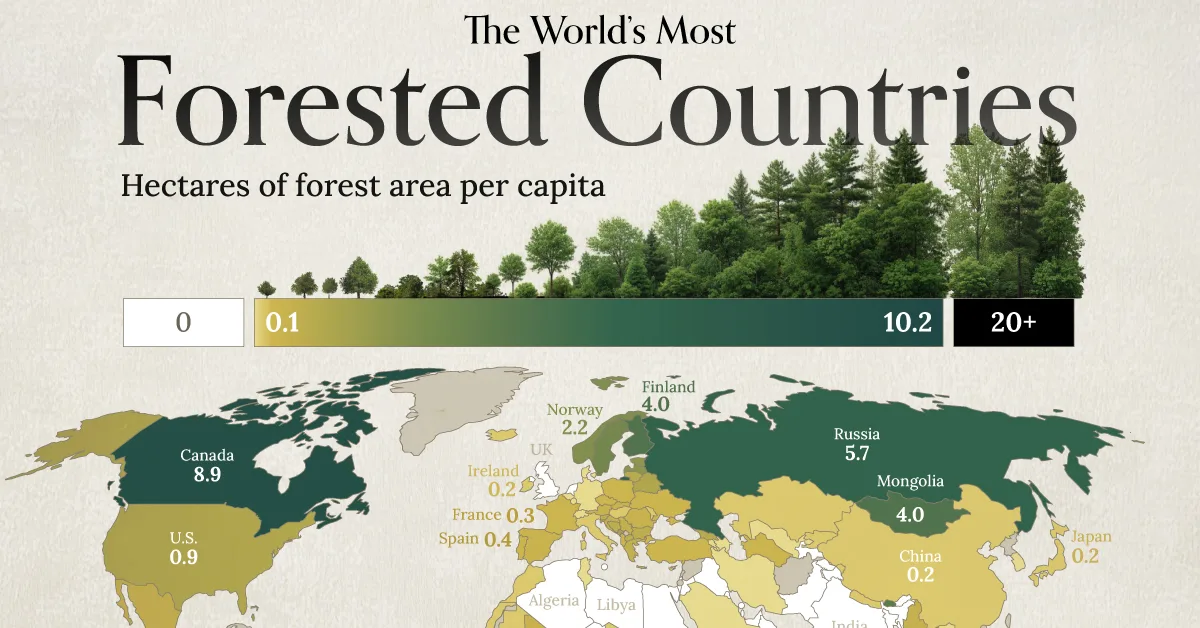
According to the latest e-Conomy SEA 2025 report released by Google, Temasek, and Bain & Company, Indonesia’s digital economy is projected to nearly reach US$100 billion in Gross Merchandise Value (GMV) in 2025—growing 14% year-on-year and firmly maintaining its position as the largest digital economy in Southeast Asia.


All major sectors of Indonesia’s digital economy continue to record double-digit growth, with e-commerce remaining the biggest contributor to national GMV. The sector’s value is projected to grow more than 14% to US$71 billion, marking a significant acceleration compared with previous years. This rapid rise is driven by the explosive growth of video commerce, which saw transaction volumes surge 90% YoY to 2.6 billion transactions, along with a 75% YoY increase in the number of sellers and online stores, reaching a total of 800,000.


“The convergence of content and commerce is now inevitable: Indonesia has become the largest and fastest-growing video commerce market in Southeast Asia. This success is driven by strong digital lifestyle adoption among consumers, which has directly impacted other sectors as well. We see continued double-digit growth across major digital sectors, proving Indonesia’s momentum is spread across the ecosystem.”
Veronica Utami, Country Director, Google Indonesia

**“Southeast Asia’s digital economy has shown tremendous growth and strong resilience, maintaining momentum despite a decade marked by investor caution and shifting macroeconomic conditions. Indonesia is the driving force behind this transformation. Indonesia’s digital economy is projected to approach US$100 billion GMV in 2025, supported by strong growth in video commerce, digital financial services, digital media, and AI adoption.

The region’s ‘digital decade’ has built a strong foundation for the next phase of value creation. The biggest opportunity now lies in how businesses leverage AI as a catalyst for impact and build trust while adjusting strategies to regional dynamics. As markets consolidate and investor confidence returns, the next growth wave will be more targeted, efficient, and innovation-driven.”**
Aadarsh Baijal, Partner, Bain & Company


Double-digit growth trends across major sectors
1763101728477.webp

Indonesia’s digital economy growth momentum extends beyond e-commerce.


Online media becomes the fastest-growing GMV sector


Online media is now the fastest-growing GMV sector in Indonesia, projected to increase 16% to US$9 billion in 2025. This sector includes digital advertising, gaming, video-on-demand (VOD), and music-on-demand.


Gaming is the main driver, with Indonesia leading Southeast Asia by contributing roughly 40% of total mobile game downloads and 35% of regional game app revenue.


Other major sectors also continue strong growth


  • Ride-hailing and food delivery remain stable contributors, projected to grow 13% YoY to US$10 billion in 2025. Platforms continue expanding offerings through subscriptions, increased trip frequency, and in-app ads to boost profitability.
  • Online travel is projected to grow 11% to US$9 billion GMV, driven by the return of travel volumes to pre-pandemic levels and supported by government policies such as expanded visa schemes for visitors from China and India—resulting in double-digit increases in tourist arrivals during the first half of 2025.
1763101787077.webp


Digital trust opens more opportunities in Digital Financial Services


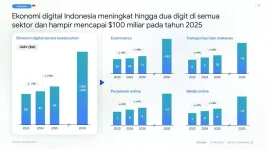
Digital Financial Services (DFS) has emerged as one of the core pillars of Indonesia’s digital economy. Despite macroeconomic challenges, the sector continues to show impressive high double-digit growth.


Indonesia is now home to the largest and fastest-growing digital payments market in Southeast Asia, projected to soar to US$538 billion in Gross Transaction Value (GTV) in 2025.


This rapid momentum creates a clear strategic opportunity:
While Indonesia leads in growth rate, its absolute loan book value remains below neighbors such as Malaysia (US$14 billion) and Thailand (US$17 billion).


To close this gap, platforms can focus on working capital financing for micro-SMEs, providing direct financial access to merchants and drivers at points of need. This focus is also emerging regionally, with new virtual banks in Thailand and Malaysia announcing similar priorities.


However, the sector’s long-term success depends on trust. Nearly half (46%) of Indonesian consumers still trust digital financial players less than traditional banks, meaning deeper, value-oriented relationships are crucial for sustainable growth.


Indonesia becomes the key to Southeast Asia’s AI-driven future


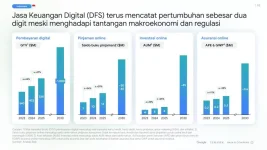
As Southeast Asia rapidly moves toward global AI-driven transformation, Indonesia stands out as the regional leader in user adoption and commercial momentum.
1763101826089.webp


This leadership is supported by exceptional user readiness: 80% of Indonesian users interact with AI-powered tools daily, the second highest in the region. Market enthusiasm is also reflected in the sharp 127% increase in AI-based app revenue between H1 2024 and H1 2025—the highest in Southeast Asia.


Beyond daily usage, strong motivation for AI transformation is evident in the workplace, with 79% of users actively learning and upskilling in AI. Their main motivations include improving efficiency, saving time on research and comparisons (51%), gaining more personalized recommendations (35%), and better security (32%).


However, despite high demand, capital investment in Indonesia’s AI sector remains far below its potential. Indonesia has 45+ AI startups and receives only 4% of ASEAN-10 AI funding, far behind regional hubs like Singapore (495+ startups) and Malaysia (60+ startups).


**“Investments in connectivity in recent years have built a strong foundation for Indonesia to lead AI transformation. We’re seeing widespread adoption among businesses, strong market demand, and exceptional user response—all confirming that AI is not just another tech wave, but a force reshaping how businesses operate and grow.

However, the local developer and startup ecosystem must grow faster to meet rising demand from consumers and the workforce.”**
Veronica Utami, Google Indonesia

**“The urgency is clear. Indonesia needs to strategically convert its user enthusiasm and market momentum into domestic innovation. This requires collaboration between investors, policymakers, and businesses to build infrastructure, develop talent, ensure smart AI adoption and integration, and strengthen trust through good governance.

Indonesia is in a very strong position to secure its leadership in Southeast Asia’s AI-driven future.”**
Veronica Utami


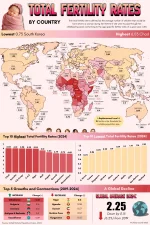
Total Fertility Rates By Country​


1763257641746.webp

Indonesia’s Population Rises in 2025, Reaching 286 Million People


4–5 minutes

1763258570967.jpeg


Jakarta, CNN Indonesia —


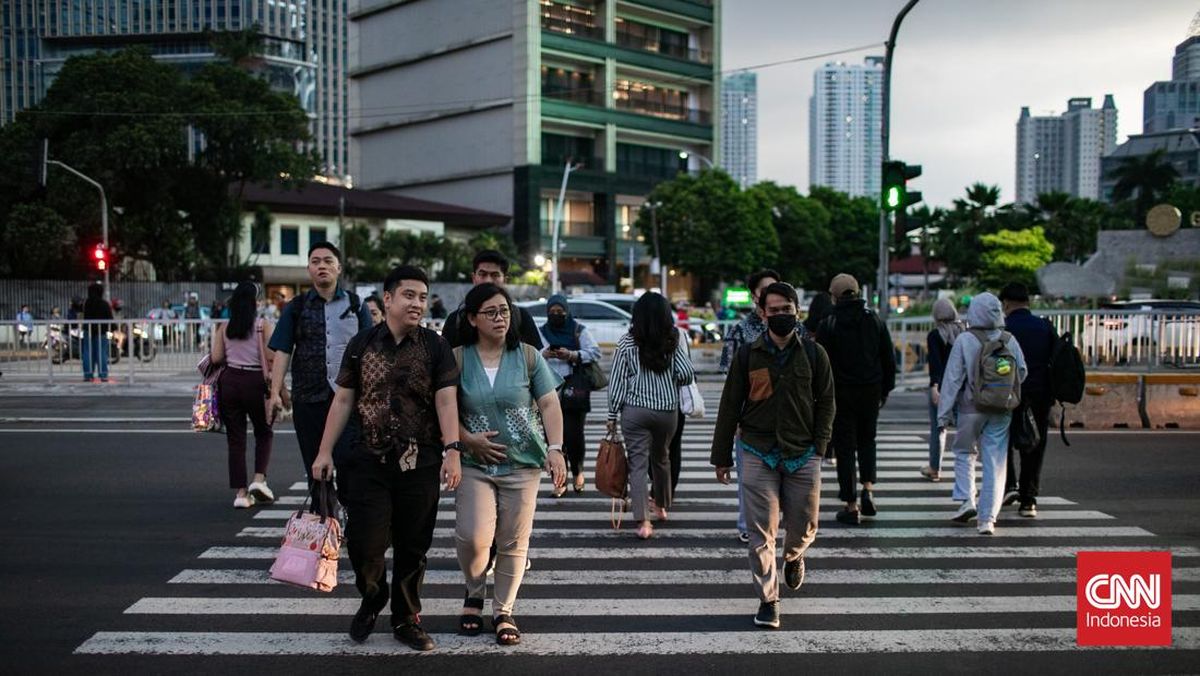
Indonesia’s population in 2025 increased by around 1.7 million people compared with the end of 2024. This figure is based on official data from the Ministry of Home Affairs (Kemendagri).


“The population of Indonesia in the first semester of 2025, or at the end of June 2025, is 286,693,693 people,” said Teguh Setyabudi, Director General of Population and Civil Registration (Dukcapil) at the Ministry of Home Affairs, during the launch of the Grand Design for Population Development 2025–2045 at the Bappenas office in Central Jakarta, Friday (11/7).


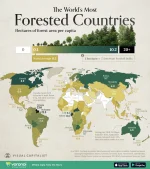
Mapped: Countries With the Most Forest Area per Capita​

1764476340754.webp

Key Takeaways​

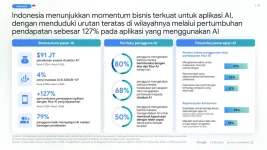
  • This graphic uncovers the world’s most forested countries, ranked by hectares of forest area per person.
  • Guyana and Suriname, two South American nations, dominate with over 20+ hectares per person – roughly 40-45x the world average of 0.54 ha/capita.

The world’s forests are unevenly distributed, with countries like Canada and Russia containing hundreds of millions of hectares of forest area. But how that forest is shared among people varies dramatically around the globe.


In this graphic, we visualize each country’s forest area per capita, offering a unique perspective on the world’s tree coverage. While the average country has just 0.5 hectares of forest area per person, a select few boast significantly more.

Data & Discussion​


The data for this visualization comes from the Food & Agriculture Organization of the United Nations. It measures each country’s total forest area in hectares, which we combined with 2025 population estimates to determine forest area per capita.


A hectare is equal to 10,000 square meters, which is about the size of an international rugby field. In city terms, it’s roughly two and a half acres, or enough space for 16 single-family homes.

 
Moment Indonesian intelligent from anti narcotics and armed force captured long fugitive big drugs dealer boss (Indonesian) in Cambodia

To view this content we will need your consent to set third party cookies.
For more detailed information, see our cookies page.
 
Status
Not open for further replies.

Users who are viewing this thread

Back
Top