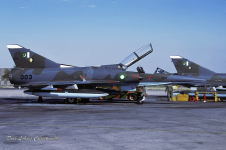
The PAF Mirage: Ghost of the Indus
https://medium.com/@amirhusain_tx?s...1d88e9---------------------------------------
Amir Husain
May 6, 2025
https://medium.com/m/signin?actionU...----------post_audio_button------------------
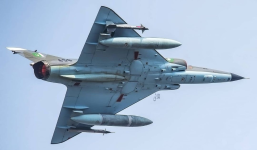
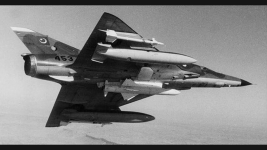
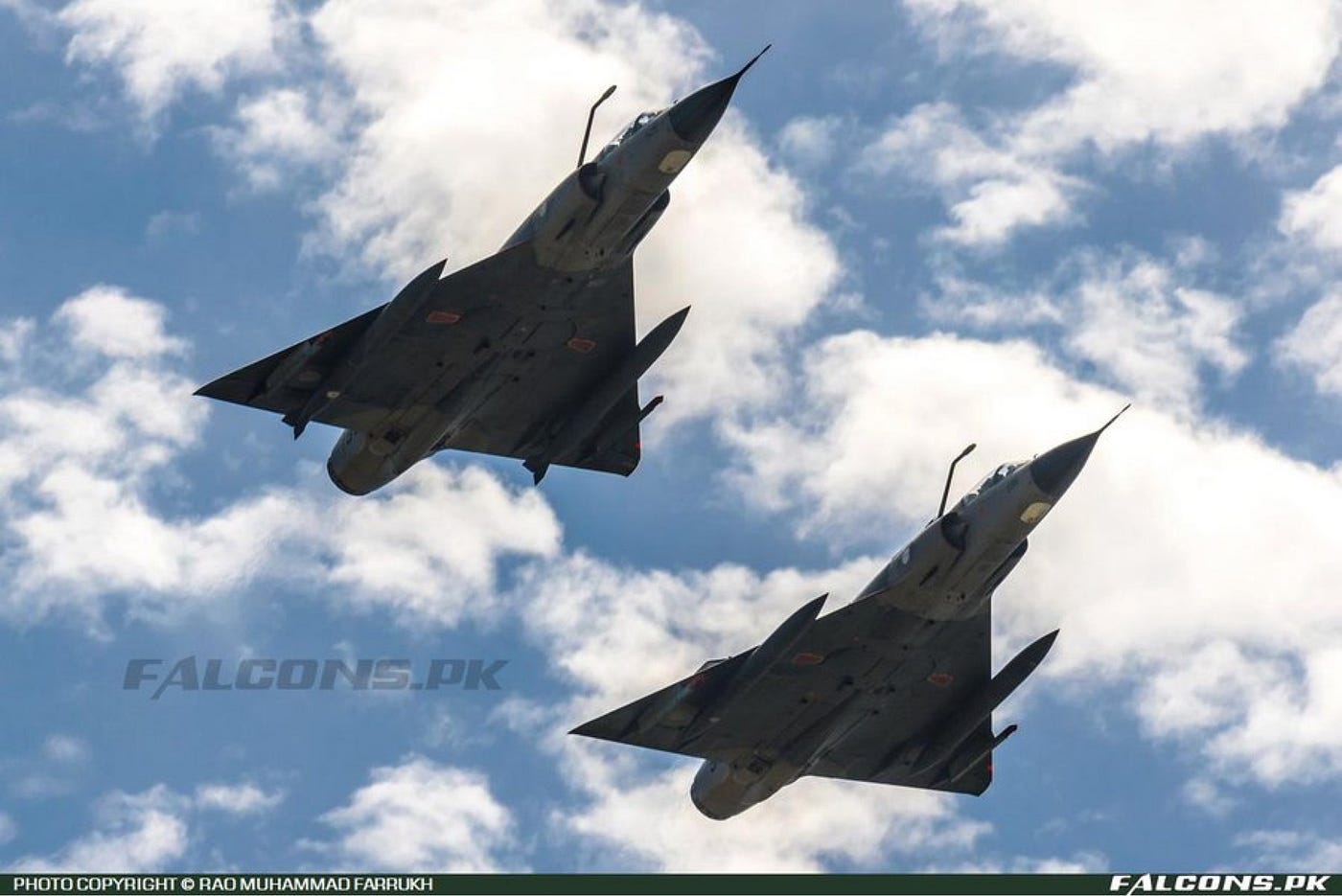
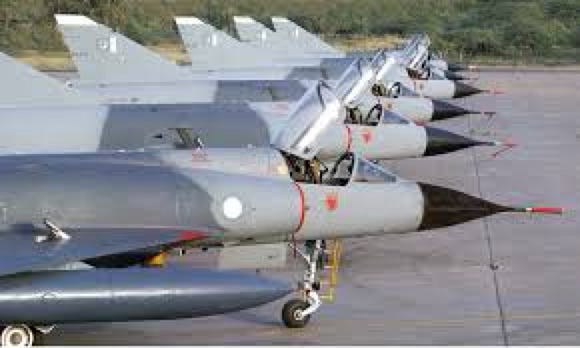
The Dassault Mirage line is one of the most successful post WW-II fighters. In Pakistani service it has distinguished itself in various wars and confrontations. But is it now long in the tooth? Even though the Mirages are being replaced with PFX, J-35 and Kaan within the next few years, PAF’s Mirage fleet has, in reality, evolved into a precision strike asset capable of deep penetration, electronic warfare-enabled survivability, and stand-off lethality that rivals far newer aircraft.
The Mirage’s transformation from Cold War knight to networked weapons platform is not cosmetic. Each of its major systems, from radar to cockpit to weapons integration, is now the product of Pakistani engineering, integrated into the country’s defense architecture through sustained programs like ROSE and supported by indigenous infrastructure at PAC Kamra [1][2].
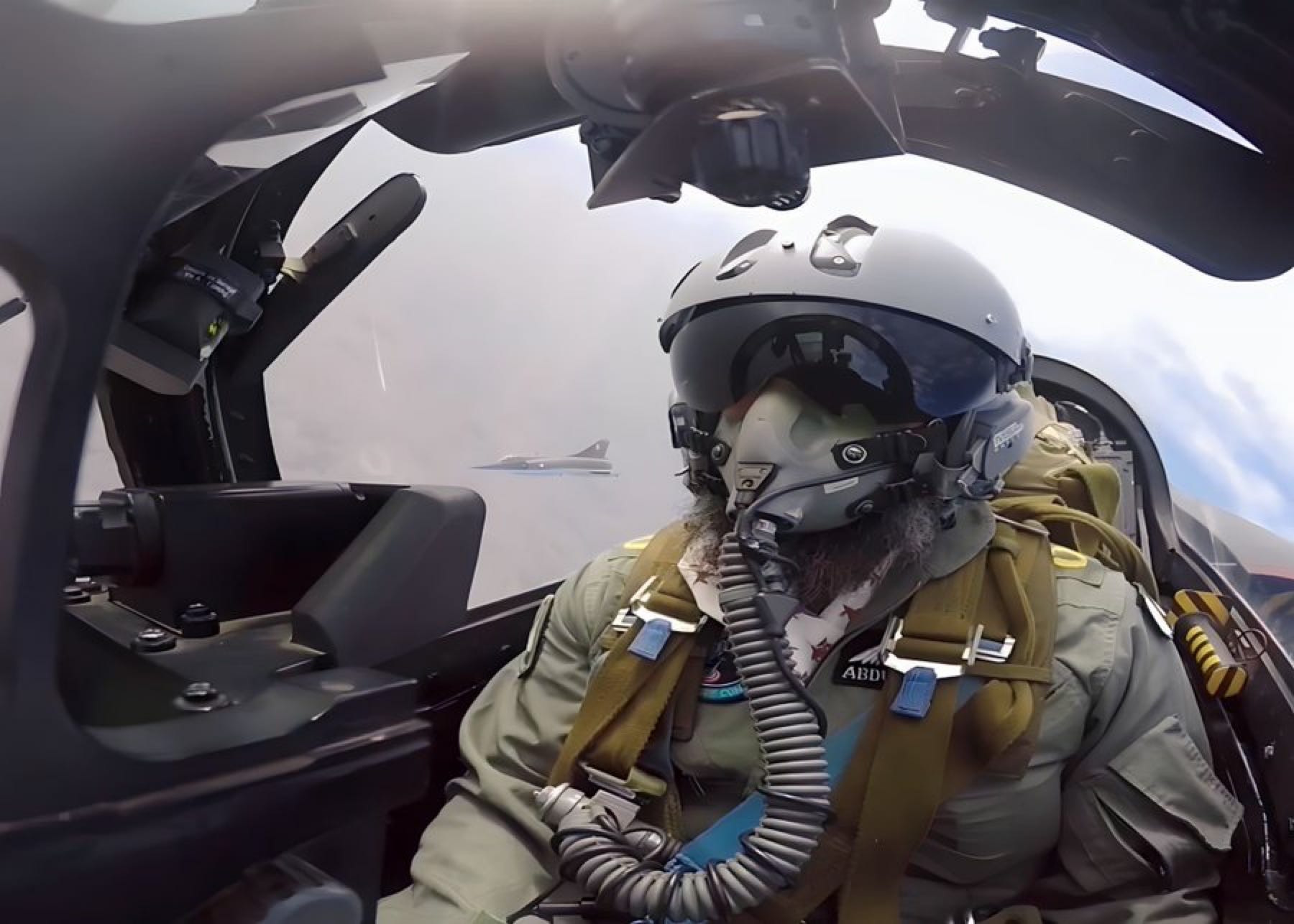
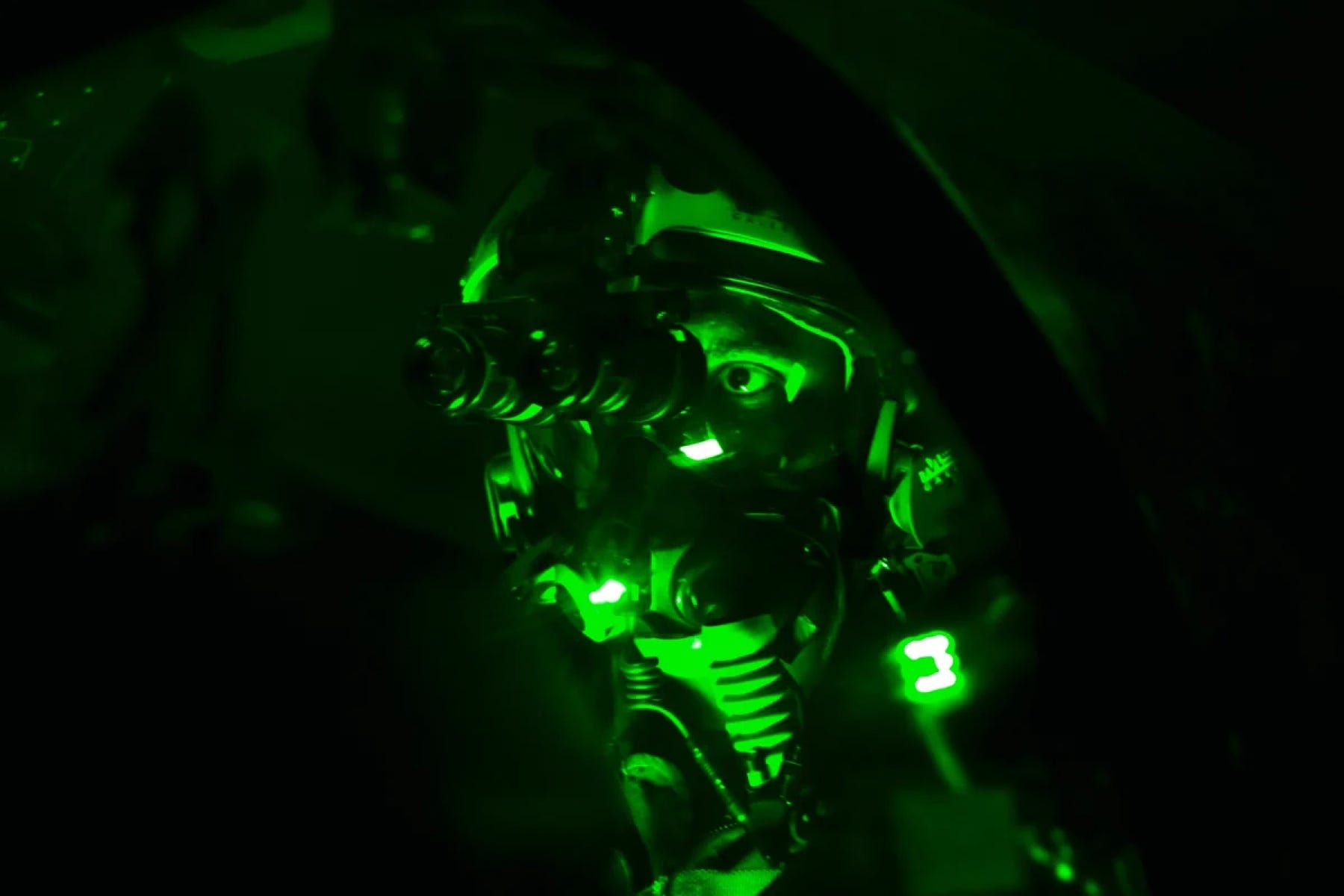
Today’s Mirages have built in refueling probes to extend their range, sophisticated stand-off weapons with truly long reach, a digital cockpit and enhanced pilot human interface, night vision integrated into helmets and the ability to enter battle passively while receiving a complete air picture over the secure Link-17.
Speed remains one of the Mirage’s greatest tactical assets. Flying at Mach 2.2, or approximately 2350 kilometers per hour at altitude, the aircraft can traverse 300 kilometers in just over 7.5 minutes. This makes a 300 kilometer ingress into enemy territory, the launch of a stand-off weapon like the RA’AD air-launched cruise missile, and a 300 kilometer egress, a total exposure time of just under 15.5 minutes [3]. Such brief time-in-theater, combined with flight profiles optimized for evasion and penetration, significantly reduces the chance of interception, especially when layered with Pakistan’s electronic warfare systems.
But it’s the weapons that turn this aircraft into a real hammer. Among its most potent assets are the RA’AD air-launched cruise missiles, capable of flying 450 to 700 kilometers depending on the variant, hugging terrain to avoid radar, and carrying conventional or nuclear warheads. Also in its quiver is the H-4 stand-off weapon, a precision-guided glide bomb with a 120+ km range and pinpoint accuracy, and the famed Exocet Anti Ship Missile. Combine these with REK kits that convert dumb bombs into GPS-guided standoff weapons, and special bomb pylons that can be loaded with four bombs each, and the Mirage becomes an arsenal ship in the sky.
The RA’AD missile allows a Mirage to strike targets located approximately 1000 kilometers away from the point of takeoff, assuming the aircraft flies 300 kilometers into enemy territory and the missile completes the remainder of the strike leg [4]. This means a Mirage can take off from bases in Lahore, Sargodha, or even Karachi and hold at risk strategic targets deep inside India. From Lahore, the strike radius includes Delhi, without even crossing the border (approximately 420 km), Lucknow (670 km), and all of Indian Punjab. From Islamabad, targets include Delhi (690 km), Agra, Bhopal, Jaipur, and Gwalior. From Karachi, cities like Ahmedabad (550 km), Udaipur, and Mumbai (890 km) lie within easy reach [5].
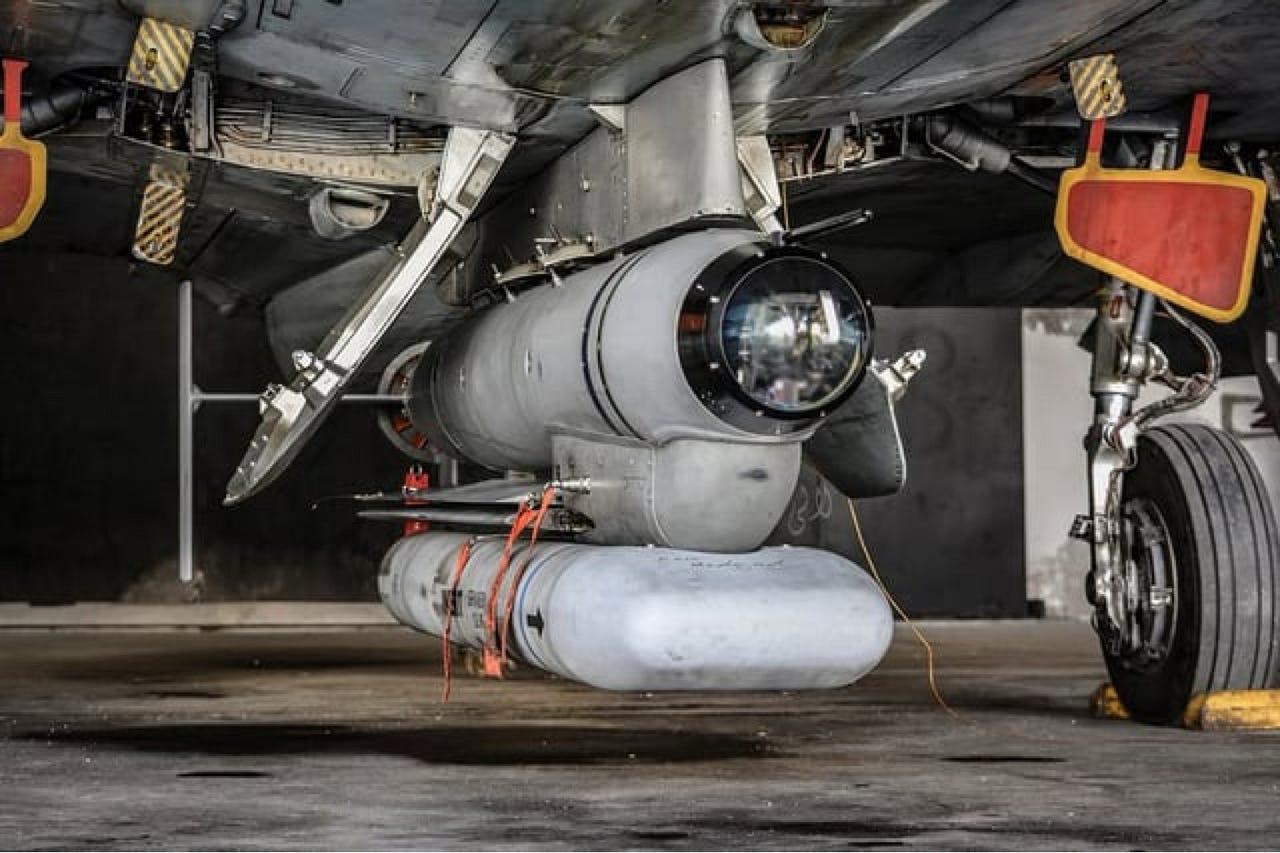
The ominous contours of the H-4 SOW
The Mirage’s survivability during such missions is underwritten by a robust protective envelope. J-10C fighters, with a 60,000 ft ceiling, flying combat air patrols along the border, equipped with PL-15 beyond-visual-range air-to-air missiles with reported ranges of 200 to 300 kilometers, serve as the outer air superiority shield [6]. Flying just below them at 40,000 feet, Akıncı UAVs equipped with air-to-air missiles and electronic warfare payloads conduct radar suppression and relay tactical data to Link-17-connected strike elements. On the ground, Turkish-origin KORAL jamming systems and HQ-9B and LY-60 surface-to-air missile systems extend the integrated air defense net by degrading enemy radar performance and denying enemy assets a permissive operating environment, a full 300–350km out [7].
Through the Link-17 datalink, the Mirage no longer depends solely on its onboard radar. Instead, it becomes a node in a national sensor-shooter mesh, receiving real-time updates from AWACS, UAVs, ground-based radars, and other aircraft. This fused situational awareness allows the Mirage to approach targets with radar off, conduct terrain masking, and fire weapons based on off-board cueing, effectively extending its detection and targeting range far beyond what its nose-mounted systems allow [8].
Press enter or click to view image in full size
Press enter or click to view image in full size
Mirage operator’s helmet and NVG capabilities
Fuel considerations are addressed by the Mirage’s roughly 3300 liters of internal fuel and up to 4700 liters in external tanks. This yields a combat radius of approximately 1200 kilometers and a ferry range of up to 3335 kilometers [9]. The aircraft has also been modified with in-flight refueling probes, enabling sustained operations over extended durations when supported by aerial tankers. This makes the strike profile described — a 600 kilometer round-trip flight, launch of a RA’AD, and return — feasible without refueling, but also scalable to greater ranges or multiple sortie rotations when needed.
The strategic impact of such capabilities cannot be ignored. Not only can the Mirage strike at depth, it can do so quickly and under protection. And there are nearly 175 of then to call upon! In a conflict scenario, this enables precision decapitation of critical enemy infrastructure, military installations, and strategic logistics nodes. IAF bases such as Agra, Gwalior, Bareilly, and Ambala fall within range, as do core industrial centers in Rajasthan, Uttar Pradesh, and Gujarat. Perhaps more critically, the Mirage’s stand-off weapons can be used to sever land access to Kashmir by destroying choke points such as the Chenab Rail Bridge, the Z-Morh and Zojila tunnels, and road links in Udhampur and Jammu. These strikes could isolate the valley from reinforcement and resupply, radically altering the tactical balance [10].
Press enter or click to view image in full size
Press enter or click to view image in full size
Digital displays and Link-17 integration
This is not an “old” aircraft frozen in time, as many with a passing familiarity with military aviation might think. It is the product of strategic planning, domestic innovation, and decades of tactical refinement. With under 16 minutes of exposure inside hostile airspace, a strike envelope of 1000 kilometers, and full integration into Pakistan’s electronic and kinetic defense grid, the Mirage has transformed from a second-line fighter into a sharp first-strike instrument in the PAF arsenal.
References
1. Pakistan Aeronautical Complex. “Mirage Rebuild Factory Overview.” PAC Kamra.
https://www.pac.org.pk/mrf
2. Global Defense Insight,
https://defensetalks.com/the-mirage...istans-effort-to-provide-new-life-to-mirages/
3. Mach speed conversion:
https://www.inchcalculator.com/convert/from-mach/
4. “Ra’ad Air Launched Cruise Missile.” CSIS.
https://missilethreat.csis.org/missile/hatf-8/
5. Google Earth distance measurements from Lahore, Islamabad, and Karachi to Indian urban centers.
6. ”PAKISTAN arms with China’s Deadly PL-15”, Defence Security Asia,
https://defencesecurityasia.com/en/...-deadly-pl-15-missiles-amidst-kashmir-crisis/
7. TURKISH EW SYSTEMS — The Unseen Force Behind Recent Turkish Drone Successes,
https://defencehub.live/threads/turkish-electronic-warfare-systems.7617/
8. Quwa, April 2016, “link-17 Pakistans home grown data link system”,
https://quwa.org/daily-news/link-17-pakistans-homegrown-data-link-system/
9. “Mirage III Specifications.”
https://www.flugzeuginfo.net/acdata_php/acdata_mirage3_en.php
10. SVI, “India’s Infrastructure Investments in Jammu and Kashmir: Development or Deprivation?”
https://thesvi.org/indias-infrastru...jammu-and-kashmir-development-or-deprivation/