Oil, Gas and Refinery Sectors - updates

The ministry wants the bonded storage framework for suppliers to be finalised by June.

In addition to its lack of strategic reserves, the document cited constrained port infrastructure, limited ship-to-ship capacity and insufficient storage among Pakistan’s vulnerabilities.

The build-up of the government’s own strategic reserves would be paid for by a ring-fenced fund financed by Rs10 per litre from the existing levy on petroleum, with allocations to start on July 1. The document says that allocation would generate about $700 million a year.
 

Pakistan plans oil reserves, storage push as Hormuz constraints expose vulnerabilities

  • Pakistan currently has no strategic petroleum reserves
Published May 26, 2026

View attachment 198909

By Reuters

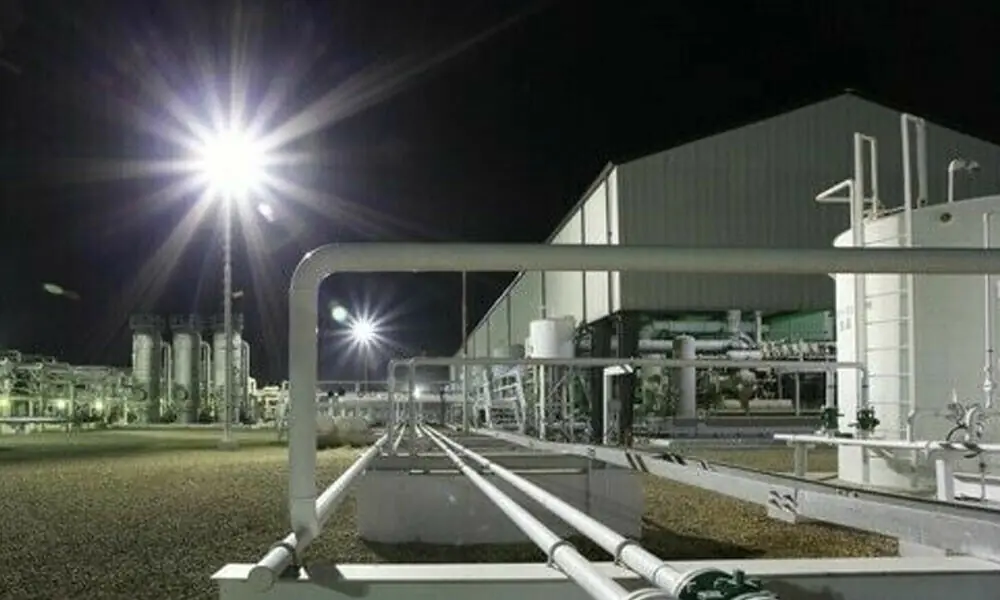
KARACHI: Pakistan plans to boost domestic storage for crude oil and refined products to increase its energy security, according to a government document that was shared with oil producers and some of the world’s leading trading firms.

Despite depending on supplies through the Strait of Hormuz for up to 90% of its oil and liquefied natural gas imports, Pakistan has no strategic petroleum reserves.

That has left it exposed to supply shocks provoked by the Iran war even as its lending programme with the International Monetary Fund (IMF) limits room for costly state-owned emergency stocks.

According to the document reviewed by Reuters, the energy ministry is proposing to build strategic petroleum reserves as well as commercial storage through bonded terminals, refineries and oil marketing companies (OMCs). It is also pushing for more oil and gas exploration and production, upgrades to its refineries, and a consolidation of its downstream sector.

“Pakistan’s oil security requires both emergency reserves and stronger local supply capacity,” the ministry said in the document.

It shared the proposed framework with Saudi Aramco, Abu Dhabi National Oil Corp, Kuwait Petroleum Corp, QatarEnergy and PetroChina as well as oil trading firms Vitol and Trafigura and storage operator Vopak.

Trafigura and Vitol declined to comment. The other companies and Pakistan’s petroleum ministry did not respond to Reuters’ requests for comment.

Petroleum Minister Ali Pervaiz Malik said last week that building reserves was “easier said than done”, especially for a country in an IMF programme with severe fiscal challenges, but added the government was trying to move quickly from planning to implementation.

Bonded storage, strategic reserves, and energy infrastructure

Under the bonded storage plan, international suppliers and traders would be allowed to hold petroleum stocks, creating commercial inventories that could support domestic supply during emergencies. The government could also allow companies to store fuel for re-export.

The document did not spell out details such as incentives, pricing, tax, foreign-exchange, offtake or ownership terms, or whether companies would be expected to invest in storage infrastructure.

The ministry wants the bonded storage framework for suppliers to be finalised by June.

In addition to its lack of strategic reserves, the document cited constrained port infrastructure, limited ship-to-ship capacity and insufficient storage among Pakistan’s vulnerabilities.

The build-up of the government’s own strategic reserves would be paid for by a ring-fenced fund financed by Rs10 ($0.0359) per litre from the existing levy on petroleum, with allocations to start on July 1. The document says that allocation would generate about $700 million a year.

Pakistan currently imposes a Rs58 per litre tax on diesel and Rs102.17 per litre on gasoline.

Additionally, the government plans to require that refineries hold 15 days of crude stocks and oil marketing companies to maintain 30 days of finished products, with the rules to be phased in through refinery policy, margin revisions and downstream consolidation by June 2028.

The document also calls for an energy infrastructure corridor around the city of Hub and Port Qasim, including single-point mooring, storage and pipeline connectivity, to reduce reliance on smaller, costlier shipments.
Posted already
 
1780581725732.png

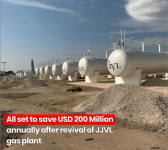
Thanks to the strategic intervention of the Special Investment Facilitation Council (SIFC), the long-dormant Jamshoro Joint Venture Limited (JJVL) gas processing plant is officially back online after a five-year hiatus.

Why this matters:

📉
$200 Million Saved: The revival is set to save Pakistan approximately USD 200 million annually in foreign exchange.

⚡
Tech-Driven Energy: As the country's first facility equipped with advanced Ortloff technology for LPG extraction, it drastically boosts local production.
 

New oil & gas discoveries boost Pakistan’s energy reserves in 2025

  • Gas reserve life increased to 18 years, while oil reserve life improved to 11 year, says AHL
Published June 6, 2026

1780844550527.jpeg

By BR Web Desk

Pakistan’s hydrocarbon outlook strengthened in 2025 following a series of new oil and gas discoveries, which have helped extend the country’s reserve life and partially offset the impact of ongoing production.

According to the data released by Arif Habib Limited, Pakistan’s overall hydrocarbon reserve life improved to 17 years as of December 2025, supported by a rise in both oil and gas reserves.

The gains were driven primarily by fresh discoveries and reserve additions across key fields, underscoring the potential of domestic exploration efforts to enhance energy security and reduce reliance on imported fuels amid persistent external account pressures.

“Gas reserve life increased to 18 years, while oil reserve life improved to 11 years,” said the brokerage house.

To view this content we will need your consent to set third party cookies.
For more detailed information, see our cookies page.


It shared that Pakistan’s oil reserves rose 6% YoY to 253 million barrels in December 2025, led by a major 21.01 million barrel addition from Baragzai and gains in Bettani and Shahdadpur.

Gas reserves increased 4% YoY to 18,854 Bcf, driven by additions from Mari Ghazij, Shahdadpur, Shewa, and Bettani, along with contributions from Baragzai, Spinwam, and Soho.

“The improvement in reserve life was largely discovery-led, with newly discovered fields including Spinwam, Baragzai, Bitrism East, Chakar, and Faakir collectively adding 23.8 million barrels to the country’s oil reserves and 367.2 Bcf to its gas reserves as of Dec’25,”it added.

Experts consider the increase a positive development, which comes amid the ongoing US-Iran conflict, which poses a significant risk to Pakistan’s economy, with the energy sector being the most vulnerable transmission channel.

The South Asian nation imports the bulk of its crude oil, petroleum products, and LNG requirements, much of which originates from Gulf countries and passes through the Strait of Hormuz—the world’s most important energy shipping lane.

Any disruption immediately affects energy-importing countries like Pakistan.
 

New oil & gas discoveries boost Pakistan’s energy reserves in 2025

  • Gas reserve life increased to 18 years, while oil reserve life improved to 11 year, says AHL
Published June 6, 2026

View attachment 200584

By BR Web Desk

Pakistan’s hydrocarbon outlook strengthened in 2025 following a series of new oil and gas discoveries, which have helped extend the country’s reserve life and partially offset the impact of ongoing production.

According to the data released by Arif Habib Limited, Pakistan’s overall hydrocarbon reserve life improved to 17 years as of December 2025, supported by a rise in both oil and gas reserves.

The gains were driven primarily by fresh discoveries and reserve additions across key fields, underscoring the potential of domestic exploration efforts to enhance energy security and reduce reliance on imported fuels amid persistent external account pressures.

“Gas reserve life increased to 18 years, while oil reserve life improved to 11 years,” said the brokerage house.

To view this content we will need your consent to set third party cookies.
For more detailed information, see our cookies page.


It shared that Pakistan’s oil reserves rose 6% YoY to 253 million barrels in December 2025, led by a major 21.01 million barrel addition from Baragzai and gains in Bettani and Shahdadpur.

Gas reserves increased 4% YoY to 18,854 Bcf, driven by additions from Mari Ghazij, Shahdadpur, Shewa, and Bettani, along with contributions from Baragzai, Spinwam, and Soho.

“The improvement in reserve life was largely discovery-led, with newly discovered fields including Spinwam, Baragzai, Bitrism East, Chakar, and Faakir collectively adding 23.8 million barrels to the country’s oil reserves and 367.2 Bcf to its gas reserves as of Dec’25,”it added.

Experts consider the increase a positive development, which comes amid the ongoing US-Iran conflict, which poses a significant risk to Pakistan’s economy, with the energy sector being the most vulnerable transmission channel.

The South Asian nation imports the bulk of its crude oil, petroleum products, and LNG requirements, much of which originates from Gulf countries and passes through the Strait of Hormuz—the world’s most important energy shipping lane.

Any disruption immediately affects energy-importing countries like Pakistan.

Posted already elsewhere
 

SPEC Refinery advances billion-dollar greenfield refinery project in Balochistan​

Company says project will create around 2,000 jobs and support Pakistan’s energy security, petrochemical development and import substitution

SPEC Refinery Pvt Ltd is advancing plans to develop Pakistan’s first deep-conversion greenfield refinery in Hub, Balochistan, with an estimated investment of $4.5 billion, according to an official statement issued on Wednesday.


The project was discussed during a meeting between Federal Minister for Commerce Jam Kamal Khan and a delegation of SPEC Refinery Pvt Ltd, led by its Chairman Zafar Sheikh.

The delegation briefed the minister on the project’s progress and said the refinery would help strengthen Pakistan’s energy security, reduce reliance on imported refined petroleum products and support industrial development.


The proposed refinery will use deep-conversion technology designed to increase the production of high-value petroleum products while processing a wide range of crude oil grades sourced from international markets.

The delegation requested government support for the implementation of the Greenfield Refinery Policy and the early issuance of remaining regulatory approvals required by the Federal Board of Revenue (FBR) to ensure the timely execution of the project.

Zafar Sheikh said groundwork for the project had already begun, while future implementation strategies were being finalised.

He said the project was expected to create around 2,000 direct and indirect jobs in the Hub and surrounding areas during its construction and operational phases. He added that the refinery would contribute to regional economic development, skills development, technology transfer and industrial growth.


Jam Kamal Khan welcomed the investment and said Pakistan offered opportunities for large-scale industrial and energy projects due to its location at the crossroads of South Asia, Central Asia, the Middle East and western China.

He said Pakistan’s domestic market of more than 250 million people, expanding trade corridors and connectivity initiatives could help position the country as a regional hub for trade, energy, logistics and manufacturing.

The minister said projects such as the Hub refinery could support industrial capacity, energy security, employment generation and long-term investment.

He said the government was committed to facilitating investment that supports economic growth, industrial modernisation, import substitution and export enhancement.


The delegation also briefed the minister on plans for associated petrochemical facilities, including the production of industrial feedstocks and value-added products to support Pakistan’s manufacturing sector and create export opportunities.

Both sides agreed to continue public-private sector cooperation to advance industrial investment and strategic energy projects.
 

SPEC Refinery advances billion-dollar greenfield refinery project in Balochistan​

Company says project will create around 2,000 jobs and support Pakistan’s energy security, petrochemical development and import substitution

SPEC Refinery Pvt Ltd is advancing plans to develop Pakistan’s first deep-conversion greenfield refinery in Hub, Balochistan, with an estimated investment of $4.5 billion, according to an official statement issued on Wednesday.

The project was discussed during a meeting between Federal Minister for Commerce Jam Kamal Khan and a delegation of SPEC Refinery Pvt Ltd, led by its Chairman Zafar Sheikh.

The delegation briefed the minister on the project’s progress and said the refinery would help strengthen Pakistan’s energy security, reduce reliance on imported refined petroleum products and support industrial development.


The proposed refinery will use deep-conversion technology designed to increase the production of high-value petroleum products while processing a wide range of crude oil grades sourced from international markets.

The delegation requested government support for the implementation of the Greenfield Refinery Policy and the early issuance of remaining regulatory approvals required by the Federal Board of Revenue (FBR) to ensure the timely execution of the project.

Zafar Sheikh said groundwork for the project had already begun, while future implementation strategies were being finalised.

He said the project was expected to create around 2,000 direct and indirect jobs in the Hub and surrounding areas during its construction and operational phases. He added that the refinery would contribute to regional economic development, skills development, technology transfer and industrial growth.


Jam Kamal Khan welcomed the investment and said Pakistan offered opportunities for large-scale industrial and energy projects due to its location at the crossroads of South Asia, Central Asia, the Middle East and western China.

He said Pakistan’s domestic market of more than 250 million people, expanding trade corridors and connectivity initiatives could help position the country as a regional hub for trade, energy, logistics and manufacturing.

The minister said projects such as the Hub refinery could support industrial capacity, energy security, employment generation and long-term investment.

He said the government was committed to facilitating investment that supports economic growth, industrial modernisation, import substitution and export enhancement.


The delegation also briefed the minister on plans for associated petrochemical facilities, including the production of industrial feedstocks and value-added products to support Pakistan’s manufacturing sector and create export opportunities.

Both sides agreed to continue public-private sector cooperation to advance industrial investment and strategic energy projects.

Project Highlights​

  • The Investment: SPEC Refinery Pvt Ltd is planning a $4.5 billion greenfield (built from scratch on undeveloped land) refinery in Hub, Balochistan.
  • The Technology: It will be Pakistan's first deep-conversion refinery. This means it can process a wider variety of crude oils and extract a higher percentage of valuable products (like gasoline and diesel) from each barrel, leaving less low-value waste (like heavy fuel oil).
  • Economic Impact: The project is expected to create around 2,000 direct and indirect jobs during both construction and operation.
  • Strategic Goals: Beyond just fuel, the facility plans to produce industrial feedstocks and petrochemicals, supporting broader manufacturing and potentially opening new export avenues.
  • Current Status: Groundwork has begun, but the developers are currently seeking the government's help to expedite the remaining FBR regulatory approvals under the Greenfield Refinery Policy.

Why "Deep Conversion" is a Big Deal​

Most older refineries are "hydro-skimming," which means they process lighter, more expensive crude and produce a significant amount of low-value furnace oil. A deep-conversion refinery uses intense heat, pressure, and catalysts to "crack" those heavy, low-value leftovers into premium fuels.
 

Refineries’ upgradation: Sales tax waived on capital goods imports

Published June 14, 2026 Updated about 6 hours ago
Save

ISLAMABAD: The government has granted an exemption of sales tax on import of capital goods for upgradation and overhaul of existing refineries as part of a package of sales tax relief measures announced in the Finance Bill 2026-27 aimed at supporting key sectors of the economy and promoting investment.

The Finance Bill 2026-27 contains a series of sales tax relief measures covering the refinery, electric vehicle, aviation, shipping, publishing and healthcare sectors.

The Finance Bill proposes exemption from sales tax on magazines and abolition of sales tax on tampons.


READ MORE: Additional ST introduced: New measures proposed to curb abuse of import concessions

The Finance Bill has also extended till June 30, 2027 the exemption available on import of Completely Knocked Down (CKD) kits for electric vehicles. The sunset clause applicable to electric vehicles has also been extended up to June 30, 2027.

The Finance Bill further enhances the scope of sales tax exemption on aircraft parts imported or leased by Pakistan International Airlines Corporation Limited (PIACL).

The government has also granted exemption of sales tax to promote strategic investment in the shipping sector and provides exemptions on specified imports required for the Shanghai Cooperation Organisation (SCO) Summit and ongoing counter-terrorism operations.

The Finance Bill, however, proposes withdrawal of the existing sales tax exemption on family planning devices.

On the revenue side, the Finance Bill proposes expansion of the Third Schedule of the Sales Tax Act to ensure payment of sales tax at consumer prices by manufacturers at the manufacturing stage.

The Finance Bill also introduced withholding of sales tax by toll manufacturers from unregistered buyers and expands the scope of withholding sales tax by Associations of Persons (AOPs) and individuals on purchases from unregistered persons.

The Finance Bill further proposed recovery of three percent value-added tax from manufacturers where imported raw material is sold in the same state without being used in manufacturing.

The Finance Bill seeks rationalisation of penalties on certain sales tax offences and proposes inclusion of three additional offences in Section 33 of the Sales Tax Act for imposition of penalties.

The Finance Bill contains a wide range of measures aimed at streamlining sales tax administration through increased digitalisation and automation.

The Finance Bill introduces definitions relating to advance receipt invoice, algorithmic settlement mechanism, electronic invoicing system, national faceless centre and production monitoring system.

The government has also proposed streamlining the definition of Tier-1 retailers by including retailers having annual turnover of Rs200 million or more within the category.

The Finance Bill clarifies the timing of delivery of goods to recipients and authorises the Federal Board of Revenue (FBR) to outsource the valuation of goods.

The Finance Bill further proposes a new mechanism for taxation of the steel sector based on monthly electricity consumption through amendments in Section 6 of the Sales Tax Act.

The Finance Bill empowers the FBR to increase or decrease the limit of input tax adjustment under Section 8B and introduces electronic issuance of debit and credit notes for adjustment purposes. The government has also introduced a new Section 11H relating to faceless audit and assessment, while new provisions relating to faceless jurisdiction, faceless appeals and establishment of a National Faceless Centre have also been proposed.

The Finance Bill also seeks to discourage fake and flying invoices through amendments in Section 21 and makes issuance of invoices mandatory for exempt supplies through changes in Section 23.

Copyright Business Recorder, 2026
 

Refineries’ upgradation: Sales tax waived on capital goods imports

Published June 14, 2026 Updated about 6 hours ago
Save

ISLAMABAD: The government has granted an exemption of sales tax on import of capital goods for upgradation and overhaul of existing refineries as part of a package of sales tax relief measures announced in the Finance Bill 2026-27 aimed at supporting key sectors of the economy and promoting investment.

The Finance Bill 2026-27 contains a series of sales tax relief measures covering the refinery, electric vehicle, aviation, shipping, publishing and healthcare sectors.

The Finance Bill proposes exemption from sales tax on magazines and abolition of sales tax on tampons.


READ MORE: Additional ST introduced: New measures proposed to curb abuse of import concessions

The Finance Bill has also extended till June 30, 2027 the exemption available on import of Completely Knocked Down (CKD) kits for electric vehicles. The sunset clause applicable to electric vehicles has also been extended up to June 30, 2027.

The Finance Bill further enhances the scope of sales tax exemption on aircraft parts imported or leased by Pakistan International Airlines Corporation Limited (PIACL).

The government has also granted exemption of sales tax to promote strategic investment in the shipping sector and provides exemptions on specified imports required for the Shanghai Cooperation Organisation (SCO) Summit and ongoing counter-terrorism operations.

The Finance Bill, however, proposes withdrawal of the existing sales tax exemption on family planning devices.

On the revenue side, the Finance Bill proposes expansion of the Third Schedule of the Sales Tax Act to ensure payment of sales tax at consumer prices by manufacturers at the manufacturing stage.

The Finance Bill also introduced withholding of sales tax by toll manufacturers from unregistered buyers and expands the scope of withholding sales tax by Associations of Persons (AOPs) and individuals on purchases from unregistered persons.

The Finance Bill further proposed recovery of three percent value-added tax from manufacturers where imported raw material is sold in the same state without being used in manufacturing.

The Finance Bill seeks rationalisation of penalties on certain sales tax offences and proposes inclusion of three additional offences in Section 33 of the Sales Tax Act for imposition of penalties.

The Finance Bill contains a wide range of measures aimed at streamlining sales tax administration through increased digitalisation and automation.

The Finance Bill introduces definitions relating to advance receipt invoice, algorithmic settlement mechanism, electronic invoicing system, national faceless centre and production monitoring system.

The government has also proposed streamlining the definition of Tier-1 retailers by including retailers having annual turnover of Rs200 million or more within the category.

The Finance Bill clarifies the timing of delivery of goods to recipients and authorises the Federal Board of Revenue (FBR) to outsource the valuation of goods.

The Finance Bill further proposes a new mechanism for taxation of the steel sector based on monthly electricity consumption through amendments in Section 6 of the Sales Tax Act.

The Finance Bill empowers the FBR to increase or decrease the limit of input tax adjustment under Section 8B and introduces electronic issuance of debit and credit notes for adjustment purposes. The government has also introduced a new Section 11H relating to faceless audit and assessment, while new provisions relating to faceless jurisdiction, faceless appeals and establishment of a National Faceless Centre have also been proposed.

The Finance Bill also seeks to discourage fake and flying invoices through amendments in Section 21 and makes issuance of invoices mandatory for exempt supplies through changes in Section 23.

Copyright Business Recorder, 2026

The FX Savings: $1 Billion to $2 Billion Annually​

Industry experts and government officials estimate that fully upgrading Pakistan's five existing refineries (PARCO, Attock, National, Cnergyico, and PRL) will save the country between $1 billion and $2 billion every single year in foreign exchange.

Here is exactly how those savings are generated:

  • Buying Cheaper Raw Materials: Pakistan currently imports heavily refined, premium-priced petrol and diesel because its old refineries cannot produce enough. Upgraded refineries can buy cheaper, heavier raw crude oil and do all the high-value refining domestically.
  • Eliminating "Waste" Exports: Currently, older refineries produce a lot of heavy furnace oil. Because Pakistan's power grid no longer burns much furnace oil, refineries often have to export this byproduct at a financial loss just to get rid of it. Upgrading allows them to convert that waste directly into usable, high-value diesel and petrol for the local market.
By keeping the "value-add" process inside the country, Pakistan stops bleeding its US Dollar reserves to foreign fuel suppliers.
 

Refineries’ upgradation: Sales tax waived on capital goods imports

Published June 14, 2026 Updated about 6 hours ago
Save

ISLAMABAD: The government has granted an exemption of sales tax on import of capital goods for upgradation and overhaul of existing refineries as part of a package of sales tax relief measures announced in the Finance Bill 2026-27 aimed at supporting key sectors of the economy and promoting investment.

The Finance Bill 2026-27 contains a series of sales tax relief measures covering the refinery, electric vehicle, aviation, shipping, publishing and healthcare sectors.

The Finance Bill proposes exemption from sales tax on magazines and abolition of sales tax on tampons.


READ MORE: Additional ST introduced: New measures proposed to curb abuse of import concessions

The Finance Bill has also extended till June 30, 2027 the exemption available on import of Completely Knocked Down (CKD) kits for electric vehicles. The sunset clause applicable to electric vehicles has also been extended up to June 30, 2027.

The Finance Bill further enhances the scope of sales tax exemption on aircraft parts imported or leased by Pakistan International Airlines Corporation Limited (PIACL).

The government has also granted exemption of sales tax to promote strategic investment in the shipping sector and provides exemptions on specified imports required for the Shanghai Cooperation Organisation (SCO) Summit and ongoing counter-terrorism operations.

The Finance Bill, however, proposes withdrawal of the existing sales tax exemption on family planning devices.

On the revenue side, the Finance Bill proposes expansion of the Third Schedule of the Sales Tax Act to ensure payment of sales tax at consumer prices by manufacturers at the manufacturing stage.

The Finance Bill also introduced withholding of sales tax by toll manufacturers from unregistered buyers and expands the scope of withholding sales tax by Associations of Persons (AOPs) and individuals on purchases from unregistered persons.

The Finance Bill further proposed recovery of three percent value-added tax from manufacturers where imported raw material is sold in the same state without being used in manufacturing.

The Finance Bill seeks rationalisation of penalties on certain sales tax offences and proposes inclusion of three additional offences in Section 33 of the Sales Tax Act for imposition of penalties.

The Finance Bill contains a wide range of measures aimed at streamlining sales tax administration through increased digitalisation and automation.

The Finance Bill introduces definitions relating to advance receipt invoice, algorithmic settlement mechanism, electronic invoicing system, national faceless centre and production monitoring system.

The government has also proposed streamlining the definition of Tier-1 retailers by including retailers having annual turnover of Rs200 million or more within the category.

The Finance Bill clarifies the timing of delivery of goods to recipients and authorises the Federal Board of Revenue (FBR) to outsource the valuation of goods.

The Finance Bill further proposes a new mechanism for taxation of the steel sector based on monthly electricity consumption through amendments in Section 6 of the Sales Tax Act.

The Finance Bill empowers the FBR to increase or decrease the limit of input tax adjustment under Section 8B and introduces electronic issuance of debit and credit notes for adjustment purposes. The government has also introduced a new Section 11H relating to faceless audit and assessment, while new provisions relating to faceless jurisdiction, faceless appeals and establishment of a National Faceless Centre have also been proposed.

The Finance Bill also seeks to discourage fake and flying invoices through amendments in Section 21 and makes issuance of invoices mandatory for exempt supplies through changes in Section 23.

Copyright Business Recorder, 2026
Welcome step, however not good enough , refineries are asking for zero rating not sales tax exemption... when you pay taxes on inputs like crude and other items , your competing refineries in the gulf get an edge and you can't compete with them... refineries in Pakistan have throughput of 60 to 70 % ...they have to compete with smuggled oil and cheap one from the gulf refineries.
 
Welcome step, however not good enough , refineries are asking for zero rating not sales tax exemption... when you pay taxes on inputs like crude and other items , your competing refineries in the gulf get an edge and you can't compete with them... refineries in Pakistan have throughput of 60 to 70 % ...they have to compete with smuggled oil and cheap one from the gulf refineries.
They were asking for sales tax exemption on capital goods for the refinery upgrade project which had made the whole brown field refinery policy ineffective.

Once the upgrade happens which will make these refineries deep conversion type in about 4-5 years, they will be able to convert most of the crude into positive margin products instead of 30-40% RFO.

This will also spur (hopefully) downstream industries like polypropylene manufacturing and pharma API production.
 

Users who are viewing this thread

Latest Posts

Back
Top