Peshawar is the oldest and most historic city in Pakistan. It has a history of more than 2500 years and has been a center of trade and religious routes in Asia for thousands of years.
1. When was it settled and the meaning of the name*
- *Oldest settlement*: A small village was found on the site of Peshawar in the 5th century BC. The recorded history dates back to 539 BC, making it the oldest city in Pakistan.
- *Name*: The ancient Sanskrit name was _Puruṣapura_ which means "City of Men". It is said that this name was named after a Hindu king "Prush". The Mughal emperor Akbar named it "Peshawar" meaning "border city".
- It was the western capital of Gandhara, while the eastern capital was Pashklavati, today's Charsadda.
2. Who settled it and who occupied it - Complete Timeline*
*Ancient times*
- *Gandhara Empire ∼700 BC*: This area became part of the Gandhara Mahajanapada.
- *Achaemenid Persian Empire*: It was occupied by the Persians before Alexander.
- *Alexander the Great 327-326 BC*: Alexander conquered the Peshawar valley in the winter.
- *Seleucid Empire*: After Alexander, Seleucus Nicator ruled here.
*Indian and Greek Empires*
- *Maurya Empire 303 BC*: After the Seleucid-Maurya War, it was handed over to Chandragupta Maurya. Megasthenes wrote that Peshawar was the last point on the western road of the Maurya Empire that led to Pataliputra.
- *Greno-Bactrian 190 BC*: After the fall of the Maurya, the Greeks occupied it.
- *Indo-Greek*: They combined Greek and Indian civilizations. Coins, art and Buddhism are the patronage of the religion of this period.
*Iranian and Central Asian rulers*
- *Indo-Parthian*: conquered by Gondoparas. He built the famous Takhtbai monastery in 46 CE.
- *Scythian/Indo-Scythian ∼10 CE*: defeated the Indo-Greeks.
*Kishan Empire - Golden Age ∼30 to 230 CE*
This was the most glorious period of Peshawar.
- *Kojula Kadphises 1st century CE* conquered Peshawar and incorporated it into the Kishan Empire.
- *Kanishak the Great 127-150 CE*: He made _Parshapura_ the capital and winter capital of his empire. At that time, the city had a population of 120,000 and was the 7th largest city in the world.
- Kanishka patronized Buddhism The Fourth Buddhist Council convened and built the world's tallest building, the "Kanishka Stupa" in Peshawar, which was 600-700 feet high. The sacred relics of Buddha were kept here.
- During this period, Peshawar became a world center of knowledge, trade and Buddhism.
*Later periods*
- *Hephthalite Huns 6th century*: They destroyed the city in the early 6th century.
- *Hindu Shahis*: Before the arrival of Muslims, the Hindu Shahis ruled here.
*Islamic periods*
- *Ghaznavid, Ghori and Delhi Sultanates*: After the 10th century, with the Muslim conquests, this area became part of the Islamic empires.
- *Mughal Empire 16th century*: During the reign of Akbar, Peshawar again became an important commercial and military center. He renamed it "Peshawar".
*Modern period*
- *Durani Empire 1747*: Captured by Ahmad Shah Abdali. It remained the winter capital of the Durranis from 1776.
- *Sikh Empire March 1823*: Ranjit Singh's army conquered Peshawar.
- *British Raj 1848*: The British took it from the Sikhs and made it the main military center of the North-West Frontier.
- *Pakistan 1947 to present*: After the formation of Pakistan, it became the capital of Khyber Pakhtunkhwa.
3. Some special things*
- *Trade*: It was the terminus of the ancient "Grand Trunk Road" and the gateway to the Khyber Pass. Therefore, it was a center of trade between Asia, Central Asia and India for thousands of years.
- *Religion*: Buddhism, Hinduism and then Islam had a strong influence. The major Buddhist centers were Takht Bai and Kanishka Stupa here.
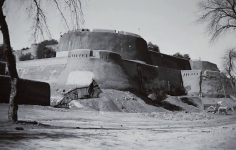
- *Bala Hisar Fort*: It dates back to at least the 15th century and is still used as a military headquarters today.
In short: Peshawar was not "settled" by any one person. It grew slowly from the time of Gandhara into a natural trading valley. But it was given the form of a royal capital by the *Kushans*, especially by *Kanishak* in the 2nd century AD. (Manzoor Hussain Joori)






 Kylian Mbappe apologises after ‘dictator’ comment angers Chinese fans (23 Viewers)