Old pictures of Pakistani Cities

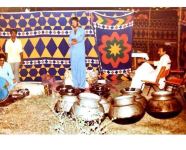
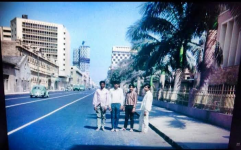
Karachi wedding..

1783200306651.png
 
1783249038609.png

Lahore
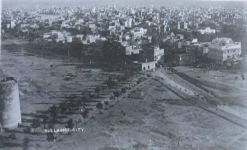
On the left you can see part of Lahore fort. This is the area where Fort road passes at present.
 
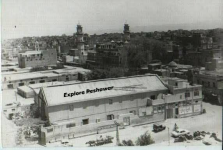
Naz Cinema, Peshawar city. 1944.

1783773452837.png
 
1783776667549.png


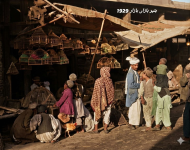
بٹیر باز (دالگراں ) 1929
پرانی تصویر کو AI سے کلر کیا گیا ہے
اندرون پشاور کا بازار دالگراں اور اس سے متصل بٹیر بازاں (ڈھکی نعلبندی) کا علاقہ اپنی صدیوں پرانی ثقافت، منفرد طرزِ زندگی اور تاریخی پس منظر کی وجہ سے مشہور ہے۔ یہ بازار قصہ خوانی اور گور کھتری کے تاریخی راستوں کے درمیان واقع ہے۔
بازار دالگراں کا پس منظر اور نام کی وجہ
دال بنانے کا مرکز: "دالگراں" دراصل فارسی زبان کا لفظ ہے جس کا مطلب "دالیں بنانے یا بیچنے والے" ہے۔ ماضی میں اس ڈھکی اور بازار میں مختلف اجناس (جیسے مٹر، چنا، اور مونگ) کو دیسی چکیاں چلا کر دالوں میں تبدیل کیا جاتا تھا۔ اسی مناسبت سے اس کا نام ڈھکی دالگراں پڑ گیا۔
چائے کی قدیم دکانیں: 1890ء کی دہائی اور بیسویں صدی کے وسط کی تاریخی تصاویر سے معلوم ہوتا ہے کہ یہ چوک چائے خانوں کا گڑھ ہوا کرتا تھا۔ یہاں سے مشہور "چائے والا بازار" شروع ہوتا ہے، جہاں دور دراز سے آئے تاجر روایتی قہوہ اور چائے پیتے تھے۔
بٹیر بازاں (بٹیر بازار) کی تاریخ
شوقین مزاجوں کا گڑھ: بازار دالگراں کے بالکل ساتھ ہی "بٹیر بازاں" کا علاقہ ہے۔ برصغیر میں مغلیہ دور کے زوال کے وقت جہاں لکھنؤ میں بٹیر بازی عروج پر تھی، وہیں پاکستان کے خطوں میں پشاور اس شوق کا سب سے بڑا مرکز بن کر ابھرا۔

پرندوں کی خرید و فروخت اور لڑائی: پرانے وقتوں میں اس مخصوص گلی یا بازار میں بٹیر، کبوتر اور دیگر نایاب پرندے بیچنے والوں کی دکانیں ہوتی تھیں۔ پشاور کے روایتی "بٹیر باز" (بٹیر پالنے اور لڑانے کے شوقین) یہاں جمع ہوتے تھے، بٹیروں کو ہاتھوں پر اٹھا کر گھومتے اور ان
کی لڑائیوں پر شرطیں لگاتے تھے
Quail Bazaar (Dalgran) 1929

The old image has been colored with AI
The Dalgran Bazaar and the adjacent Quail Bazaar (Dhakki Naalbandi) area of inner Peshawar are famous for their centuries-old culture, unique lifestyle and historical background. This bazaar is located between the historical routes of Qissa Khawani and Gor Khatri.

Background of Dalgran Bazaar and the reason for its name
Dal-making center: "Dalgran" is actually a Persian word meaning "one who makes or sells pulses". In the past, various commodities (such as peas, chickpeas, and moong) were converted into pulses in this dhaki and bazaar by running indigenous mills. Accordingly, it was named Dhaki Dalgran.

Old Tea Shops: Historical photographs from the 1890s and the mid-20th century show that this square used to be a hub of tea shops. From here begins the famous "Chaywala Bazaar", where traders from far and wide used to drink traditional coffee and tea.

History of Batir Bazan (Batir Bazaar)

A haven of enthusiasts: Right next to the market Dalgran is the area of "Batir Bazan". While quail hunting was at its peak in Lucknow during the decline of the Mughal era in the subcontinent, Peshawar emerged as the biggest center of this hobby in the regions of Pakistan.

Bird buying, selling and fighting: In the old days, this particular street or market used to have shops selling quail, pigeons and other rare birds. The traditional "Batir Bazan" (quail breeders and fighters) of Peshawar used to gather here, carry quails in their hands and place bets on their fights.
 

Users who are viewing this thread

  • Back
    Top