PAF Future Acquisition Plans

No news they gave about new air defense system inductions, which needs a focus.
You seriously have no clue how the Pakistani Armed Forces operate. They mentioned the acquisitons they mentioned that are out of character; otherwise, they don't reveal most of the inductions until the thing has already arrived inducted and operationalized, and then it's shown in some parade or exercise.
 
 
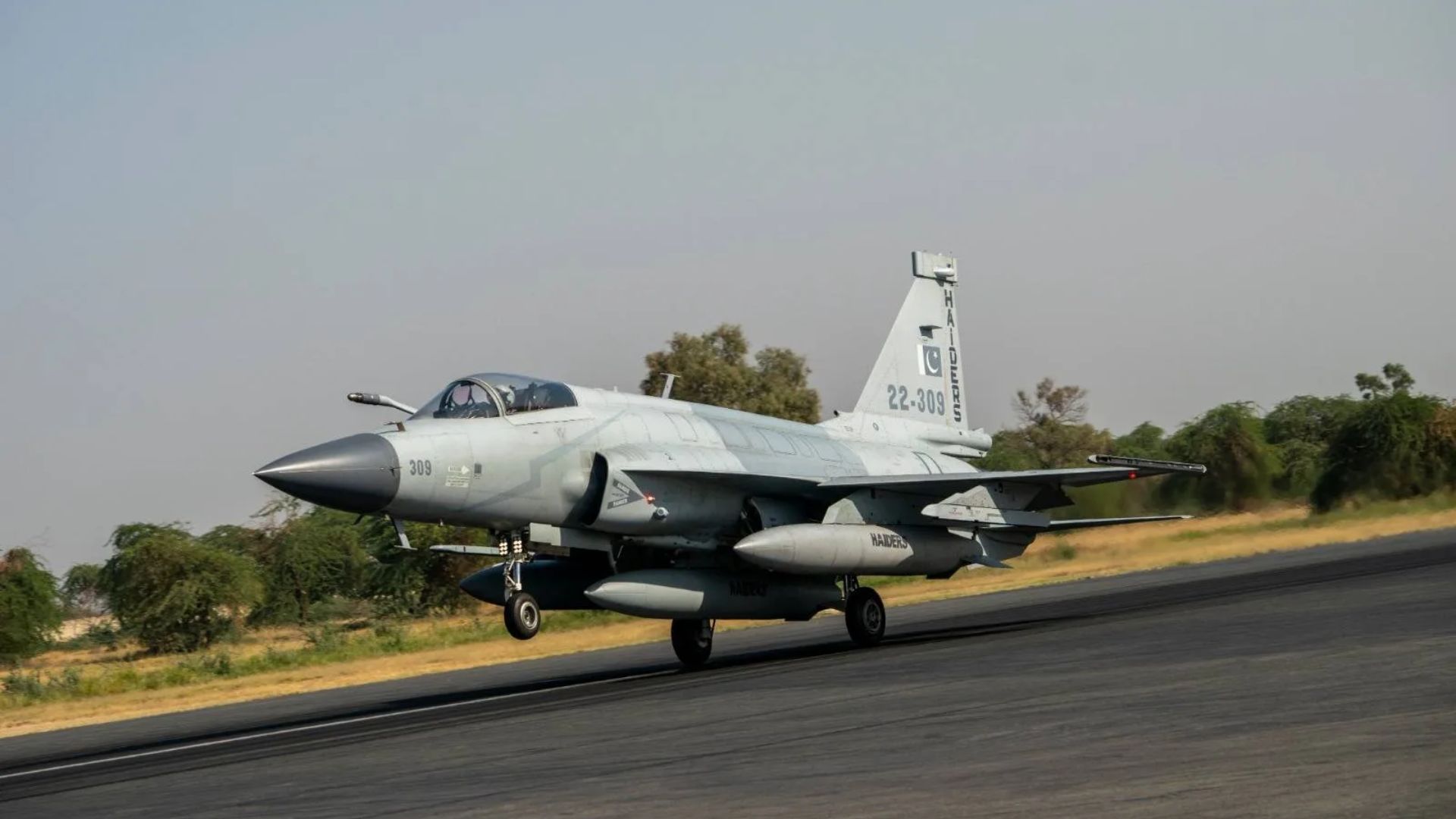
We didn’t need an “official confirmation” from Air Vice Marshal Tariq Mahmood Ghazi to understand the trajectory of its fighter modernization. Anyone familiar with PAF force structure logic knows the only coherent path was always upgrade JF-17 and additional J‑10C airframes while the J‑35AE ecosystem matures.

The reasoning is doctrinal, not speculative.

1. The J‑10C expansion was always part of the plan

Once Pakistan committed to a high‑end BVR envelope built around PL‑15, AESA, and long‑range escort roles, the fleet could not remain limited to a symbolic number. The PAF’s internal planning has long revolved around 36–48 J‑10Cs, because that is the minimum force size required to sustain:

• rotational readiness
• persistent air‑superiority coverage
• wartime surge capacity
• training and conversion pipelines

All the basing prep, simulators, and maintenance infrastructure were aligned with this number years before any public statements.

2. Introducing a new platform is never plug‑and‑play

A fifth‑generation aircraft like the J‑35AE demands a completely different ecosystem:

• climate‑controlled shelters
• stealth‑compatible maintenance tooling
• software‑centric support chains
• hardened, survivable basing
• new training and certification tracks

This is not something Pakistan could improvise. The PAF has been quietly building this foundation, and only once it is complete does the J‑35AE become a viable induction candidate.

3. The J‑10C is the doctrinal bridge, not a competitor

The J‑10C fills the high‑end BVR, escort, and air‑dominance role that the JF‑17 was never designed for. It stabilizes the force structure while the J‑35AE matures. In PAF doctrine, the sequence is layered:

• JF‑17 → mass, strike, and numbers
• J‑10C → high‑end air superiority and BVR dominance
• J‑35AE → stealth penetration and deep‑strike

This is a deliberate architecture, not improvisation.

4. Pakistan is already embedded in the KAAN program

Parallel to the Chinese track, Pakistan is deeply engaged with Türkiye on the KAAN project. This is not symbolic cooperation, it is industrial participation under PFX Track‑2, involving:

• subsystem development
• software and mission‑system collaboration
• local assembly planning
• shared R&D pathways

This positions Pakistan as a future co‑producer, not just a buyer.

5. Saudi Arabia is the strategic multiplier

If Pakistan successfully convinces Saudi Arabia to co‑fund the KAAN program, a scenario that aligns with Riyadh’s own ambitions for aerospace sovereignty, the industrial equation changes dramatically.

With Saudi financing and Pakistani technical participation, the region could see:

• a KAAN assembly line in Pakistan by ~2035
• shared supply chains
• joint export potential
• a tri‑national aerospace ecosystem

This would be the first time in Pakistan’s history that it becomes a full partner in a fifth‑generation fighter program with real industrial depth.

6. The long‑term PAF roadmap is sequential and coherent

The modernization path is not reactive, it is structured:

1. Scale JF‑17 Block III
2. Expand J‑10C to 36–48 airframes
3. Build the stealth ecosystem
4. Induct J‑35AE
5. Develop KAAN co‑production capability

AVM Ghazi’s comments didn’t reveal anything new. They simply echoed what the doctrine already dictated.
 
This is my assessment and it all depends on economy, available funds, and any conflict between India and Pakistan and middle east situation. Some of you may not agree with it, let discuss it.

PHASE 1 — 2025–2030 (Foundation + Early Stealth + UCAV Expansion)

Manned Fleet

  • F-16 active: 18-20 F‑16A/B MLU (Block 15) & 18 F‑16C/D Block 52+
  • JF‑17 active: 120–130
  • JF‑17 Block 4 upgrades: 20–30
  • J‑10C/D: 36–48
  • J‑35AE: 6–12 (Depend on urgency)
  • KAAN: industrial participation only
  • PFX Core: design freeze + wind tunnel

UCAV FLEET

  • Akinci: 6–8
  • TB‑2: 12–18
  • Wing Loong II: 6–8
  • Shahpar‑II: 20–24
  • Shahpar‑III: 4–6 (LRIP)
  • FH‑97A: 2–4 (testing only)
  • Swarm drones: 300-600 drone swarms (2026-2030)

WHAT PHASE‑1 ACHIEVES

  • First stealth capability (J‑35AE)
  • J‑10C becomes the backbone
  • UCAV mass for ISR + strike
  • Loyal wingman doctrine begins
  • PFX Core moves from concept → engineering
  • PAF builds AI‑enabled C2 networks

PHASE 2 — 2030 to 2035

“Transition to 5th‑Gen + Loyal Wingmen + Indigenous UCAVs”

MANNED FLEET

  • F-16 active: 36-38
  • J‑10C/D: 60+
  • JF‑17 Block‑4: 40–60 upgraded
  • J‑35AE: 18–24
  • KAAN: first squadron 2035–2038
  • PFX Core: prototype + LRIP

UCAV FLEET

  • FH‑97A: 8–12 (operational)
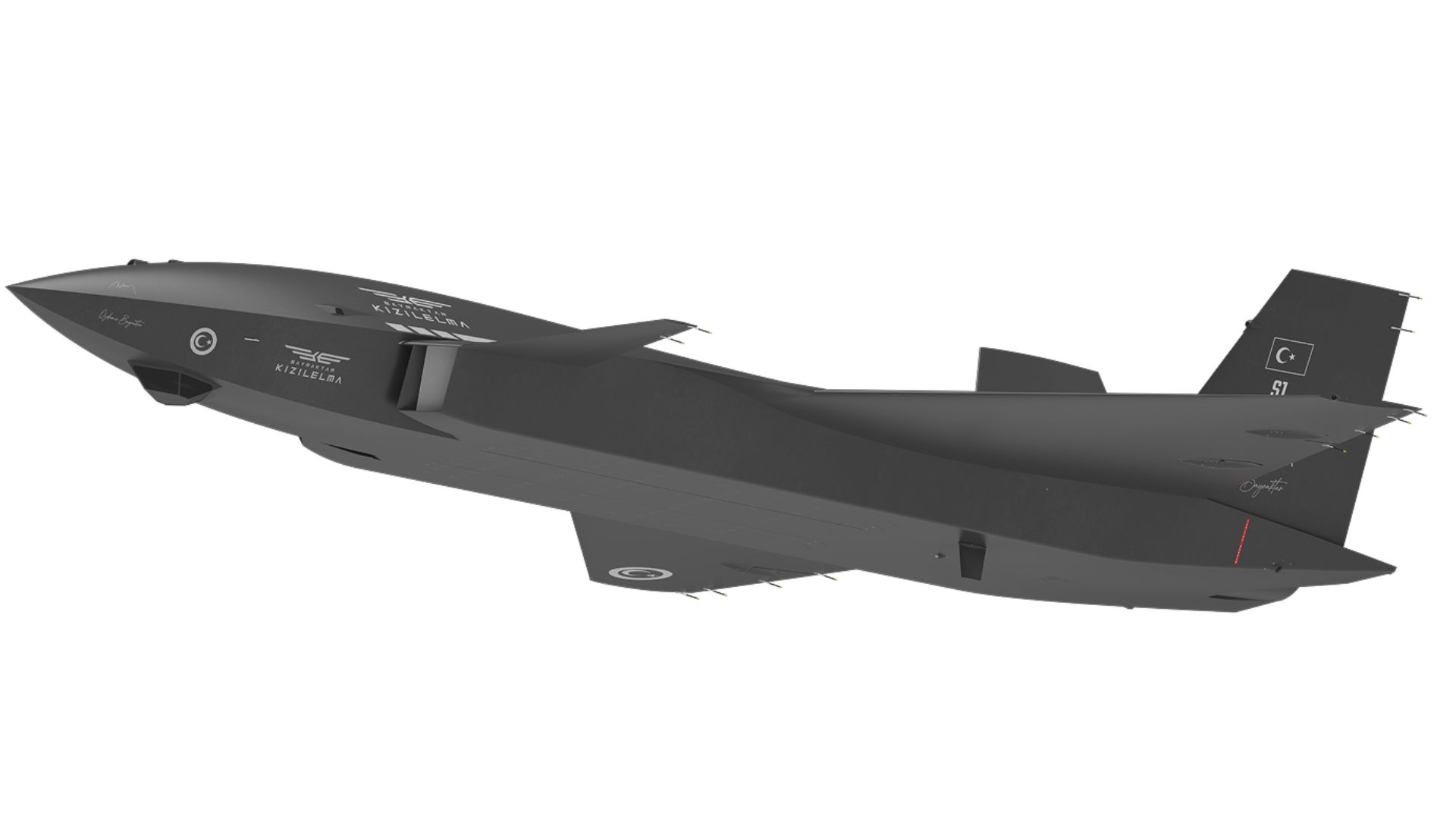
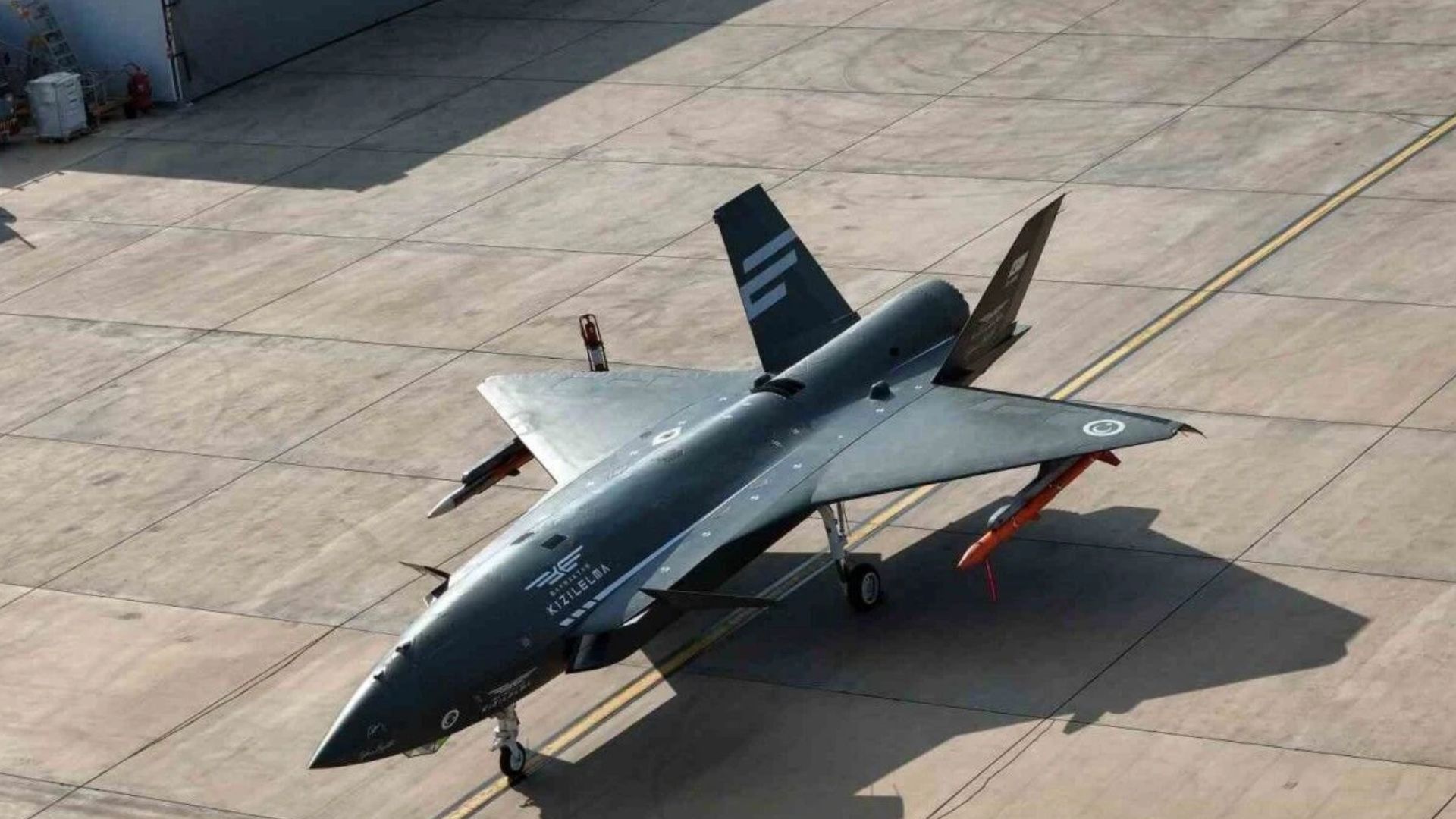
  • Kızılelma: 6–12
  • Anka‑3: 4–6
  • GJ‑11: 2–4
  • Akinci: 12–18
  • TB‑3: 12–18
  • Shahpar‑III: 12–18
  • Swarm drones: 600-2000 drone swarms

WHAT PHASE‑2 ACHIEVES

  • Loyal wingmen paired with J‑10C + J‑35AE
  • First stealth UCAVs (Anka‑3, GJ‑11)
  • PFX Core enters flight testing
  • KAAN enters PAF service
  • UCAVs take over ISR + targeting for 5th‑gen fighters

PHASE 3 — 2035 to 2045

“Full 5th‑Gen Era + UCAV Swarm Integration”

MANNED FLEET

  • F-16 active: 20-30 (older F-16 will be decommissioned)
  • KAAN: 24–36
  • PFX Core: 24–36
  • J‑10C+ /D+: 60–72
  • J‑35AE: 18–24
  • JF‑17: 90–110 (Block‑4 dominant)

UCAV FLEET

  • FH‑97B/C: 20–30
  • Kızılelma Block‑2: 12–18
  • Anka‑3 Block‑2: 6–12
  • GJ‑11: 6–12
  • Akinci: 18–24
  • TB‑3: 24–36
  • Shahpar‑III: 24–30
  • Swarm drones: 1200–5000

WHAT PHASE‑3 ACHIEVES

  • Full manned–unmanned teaming
  • KAAN + PFX Core operate with loyal wingmen
  • Deep‑strike autonomy via GJ‑11 + Anka‑3
  • UCAV swarms saturate Indian air defenses
  • J‑10C+ becomes the mass fighter under 5th‑gen umbrella
 
Last edited:
Most of the hardened shelter works and maintenance hanger works can be done within Pakistan as we have industrial level contractors who can deliver good work.

Regarding climate control bit, since it would involve having humidity control, the only solution will be HVAC/Refrigerant based air conditioning. That too is easy as you can substantially reduce the utility cost by having solar parks spread around the base with BESS back ups with back Emergency Diesel Generators.

So Infrastructure can be built in phases, if initially 6 J-35s are expected to arrive, then you only need 6 HAS......you budget and procure accordingly and get the civil works done phase wise rather than one upfront cost.
 
Most of the hardened shelter works and maintenance hanger works can be done within Pakistan as we have industrial level contractors who can deliver good work.

Regarding climate control bit, since it would involve having humidity control, the only solution will be HVAC/Refrigerant based air conditioning. That too is easy as you can substantially reduce the utility cost by having solar parks spread around the base with BESS back ups with back Emergency Diesel Generators.

So Infrastructure can be built in phases, if initially 6 J-35s are expected to arrive, then you only need 6 HAS......you budget and procure accordingly and get the civil works done phase wise rather than one upfront cost.

We need more then 6. Ideally 2 per plane. Means Indians can be guessing whenever they try and bomb
 
Bit weird, why PAF is getting 2 stealth platforms one is proven Chinese j35 the other is Turkish KAAN? Am I missing something here?
 
KAAN is a wish - J-35 could be a reality very soon


You’re right about the J‑35AE, it will come after the J‑10C. Pakistan has either already received additional J‑10Cs or will be inducting them very soon.
As for KAAN, it’s a heavyweight 5th‑generation fighter, and most likely it will join the PFX program sometime after 2030.
 

Users who are viewing this thread

Back
Top