Pakistan continues to promote its defence industry
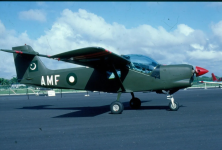
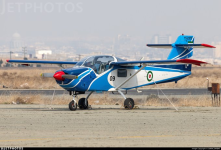
Pakistan continues to extoll the virtues of its semi-indigenous products at air shows. Two types were on display at Dubai, the Pakistan Aeronautical Complex (PAC) showcased its Super Mushshak and the JF-17 Thunder. With its Super Mushshak (Proficient) PAC seems to have exploited a gap in the market with significant success. The small machine is a state-of-the-art basic trainer in the old school with relatively simple, easy to maintain systems built upon a proven, rugged platform. Although the basic Swedish design is half a century old, the Super Mushshak, which first flew in 1995, is fitted with a glass cockpit. Air conditioning is also standard, essential for operation in hot climates, and it is countries with lots of sunshine that have bought the aircraft. Nigeria has now received all eight machines it ordered in 2016 and has requested four more. Qatar has also ordered eight. In a big order for the type, Turkey ordered 52 in May 2017, with Azerbaijan following up with an order for 10 just before the Dubai Air Show. The manufacturer sees scope for further development of the type with work ongoing into the integration of air-to-ground missiles and electro-optical/ infrared equipment. Because it is certified to meet Federal Aviation Regulation Part 23 standards in the normal, utility and aerobatics categories it has the potential to be used worldwide in the civilian pilot training role.
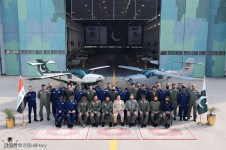
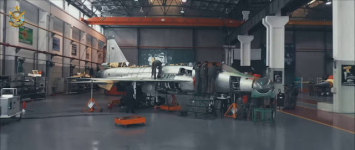
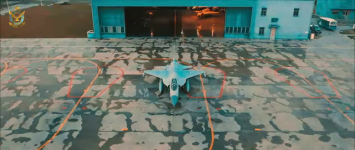
At the other end of the scale, PAC Kamra division, which also produces the Super Mushshak, displayed three of its JF-17 Thunder fighters. These jets were in the markings of 14 Squadron ‘Tail Choppers’, the Pakistan Air Force’s (PAF) newest Thunder unit. The Tail Choppers are the fifth operational Pakistani unit to fly the JF-17, which will form the backbone of the PAF in years to come. Unlike its smaller stablemate, the Thunder has not achieved the sales success it has sought for so long. However, the manufacturer hopes that as the airframe matures, particularly with the introduction of the Block 3 version with its active electronically scanned array radar and the integration of a targeting pod, the relatively inexpensive JF-17 will attract more customers. Myanmar has ordered 16 JF-17Ms, one of which has been photographed test flying at the Chinese base of Chengdu Aircraft Industry Corporation, (CAC), manufacturer of the CAC FC-1 from which the JF-17 derives.







 AJK govt bans Joint Awami Action Committee, notification issued (15 Viewers)
 Breaking: First F-47 Sixth-Gen Fighter Already Being Built, Expected to Fly in 2028 (8 Viewers)
