Navigation
Install the app
How to install the app on iOS
Follow along with the video below to see how to install our site as a web app on your home screen.
Note: This feature may not be available in some browsers.
More options
Style variation
You are using an out of date browser. It may not display this or other websites correctly.
You should upgrade or use an alternative browser.
You should upgrade or use an alternative browser.
Pakistan Aeronautical Complex (PAC)
- Thread starter ghazi52
- Start date
More options
Who Replied?


ghazi52
THINK TANK: CONSULTANT
- Thread starter
- #32
Mirage Rebuild Factory, PAC Kamra
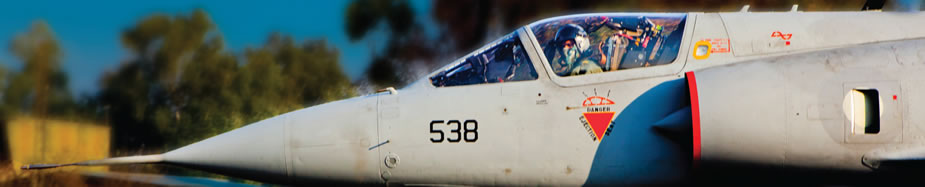
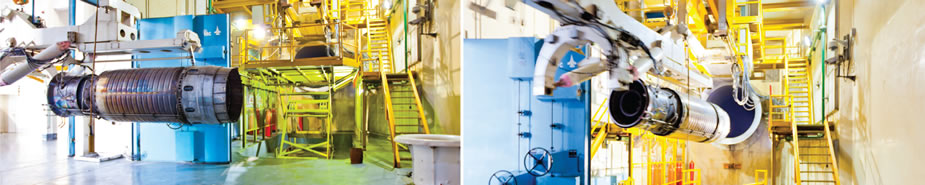
Capabilities of Engine Group MRF
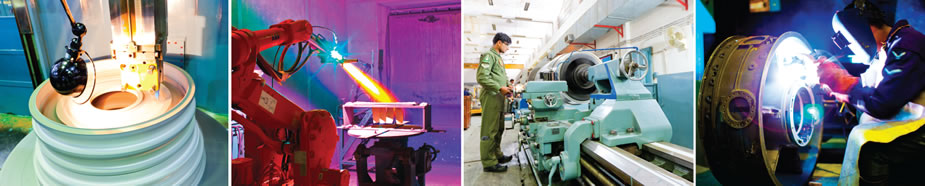
Special Processes
The special processes available at Engine Group include: -
- Delta/GV inspection of Mirage III/V aircraft
- Complete overhauling of Mirage aircraft Martin Baker ejection seat PRM-4 and OM-6
- Hot harmonization of Mirage aircraft and its variants
- 4th Line Maintenance facility of Mirage III/V aircraft components
- 4th Line maintenance of JF-17 emergency oxygen system components
- Trial repair of non Mirage components
- Mirage Pressure Refueling (MPR) air to air refueling modification of Mirage aircraft
- A non Destructive Inspection (NDI) technique includes Penetrant Testing (PT), Magnetic Particle Inspection (MPI), Ultrasonic Technique (UT), Radiography Technique (RT) and Videoscopic inspection
- Capability of NDI of Mirage, SAAB, JF-17 and UAV aircrafts
- Structure repair and wing overhaul of Mirage aircraft
- Structure repair of SAAB aircraft
- PCAA ANO-001 approved CNC pipe bending facility for Mirage, SAAB and DA-20 aircrafts
- Aircraft painting according to American Federal 595 and French Air 8104 standards of Mirage, F-16, JF-17, DA-20, Cessna, Mushshak, K-8 and other light body aircrafts
Capabilities of Engine Group MRF
Special Processes
The special processes available at Engine Group include: -
- Heat and Surface Treatment
- Machining, Welding and Metal Processes
- Plasma and HVOF Processes
- Shot Peening
- Painting
- Penetrant Testing
- Magnetic Particle Testing
- Eddy Current Testing
- Ultra-Sonic Testing
- Radiography
- Radioscopy
ghazi52
THINK TANK: CONSULTANT
- Thread starter
- #33
Assembly / Disassembly and Testing Facilities for Engine and Accessories
The capabilities related to Assembly / Disassembly and Testing Facilities for Engine and Accessories include: -
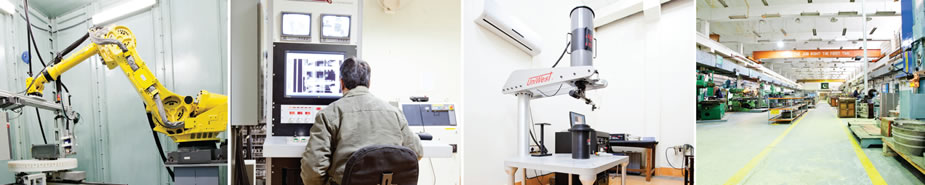
Calibration Processes
The Calibration Processes available at Engine Group include: -
Documentation Processes
The Documentation Processes of Engine Group consists of: -
The capabilities related to Assembly / Disassembly and Testing Facilities for Engine and Accessories include: -
- Engines Assembly and Disassembly Docks
- Assembly and Disassembly benches for engine accessories
- Test Bed for ATAR, F100 and Turboprop Engines
- Oil and Fuel Accessories Test Benches
- Special Bearing and Kinematics checking facilities
- Static and Dynamic Balancing Machines
- Inspection services for all engines at MRF
Calibration Processes
The Calibration Processes available at Engine Group include: -
- Hygrometers
- Vernier Calipers
- Dial Test Indicator
- Gauge Blocks
- Weighing Scales / Masses
- 3-axis Measurements
- Analogue / Digital Multimeters
- Analogue / Digital AC / DC Power Supplies
- AC / DC Panels Meters
- Frequency Counters & Signal Generators
- Meggers / Insulation Meters
- Temperature Baths / Furnaces
- Temperature Gauges (with thermocouples)
- Torque Wrenches / Meters
- Pressure Gauges (Air/water/Hydraulic)
Documentation Processes
The Documentation Processes of Engine Group consists of: -
- Engine production software for tracking of Engines, Accessories, Parts and sub parts
- Repair, Inspection, Assembly and Testing controlled through software
- Technical Order Distribution Office
- Method Design Offices which establishes and controls Repair and Assembly schemes of all parts and accessories
ghazi52
THINK TANK: CONSULTANT
- Thread starter
- #34
Avionics Production Factory, PAC Kamra
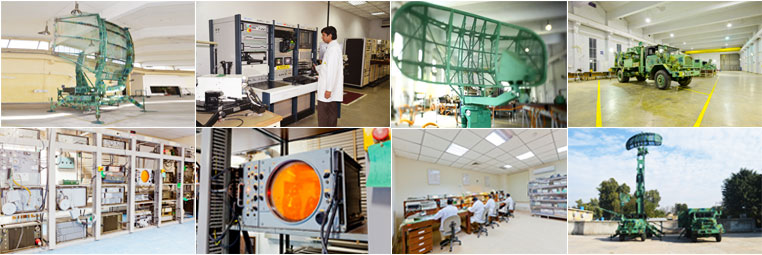
Ground Radars MRO
APF has comprehensive MRO facility for ground radars which includes overhauling and refurbishment of low and high level radar systems through antenna structural repairs, testing and refurbishment along with complete electronics testing, optimization and calibration. APFs continuous efforts in maintaining these systems ensures operational availability of PAF’s Air Defence.
Avionics Production
APF is a qualified Avionics system manufacturer. State of the art automated facilities are utilized for production, testing and environmental stress screening of Avionics systems to meet aircraft production needs. Today APF has capability to provide complete solution from initial concept to product qualification. A good number of fighter aircraft Avionics systems have been indigenously developed by APF and are operationally flying. Its state of the art generic production and testing line has produced.
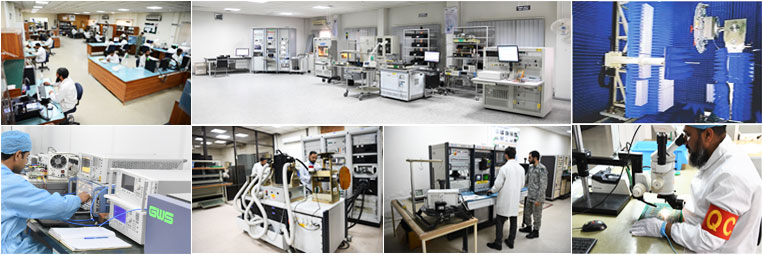
Life Cycle Support
APF has an elaborated testing and repair facility for life cycle support of PAF avionics systems. Moreover, cost effective maintenance solutions are provided through indigenous testers development. APF forms the backbone of LCS Systems. Challenge of obsolescence is for vintage systems is being mitigated through indigenization efforts.
Ground Radars MRO
APF has comprehensive MRO facility for ground radars which includes overhauling and refurbishment of low and high level radar systems through antenna structural repairs, testing and refurbishment along with complete electronics testing, optimization and calibration. APFs continuous efforts in maintaining these systems ensures operational availability of PAF’s Air Defence.
Avionics Production
APF is a qualified Avionics system manufacturer. State of the art automated facilities are utilized for production, testing and environmental stress screening of Avionics systems to meet aircraft production needs. Today APF has capability to provide complete solution from initial concept to product qualification. A good number of fighter aircraft Avionics systems have been indigenously developed by APF and are operationally flying. Its state of the art generic production and testing line has produced.
Life Cycle Support
APF has an elaborated testing and repair facility for life cycle support of PAF avionics systems. Moreover, cost effective maintenance solutions are provided through indigenous testers development. APF forms the backbone of LCS Systems. Challenge of obsolescence is for vintage systems is being mitigated through indigenization efforts.
ghazi52
THINK TANK: CONSULTANT
- Thread starter
- #35
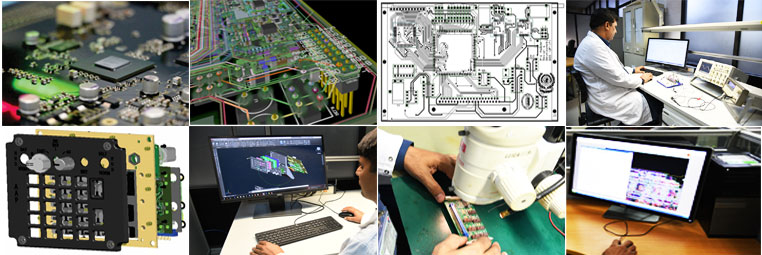
Avionics Development
Indigenization is APF’s strategic focus and as part of the deletion program, APF developed core capability in hardware, software design & development of systems. APF, now is a proud OEM of multiple Avionics systems that have underwent completely indigenous development, from initial concept to final qualification.
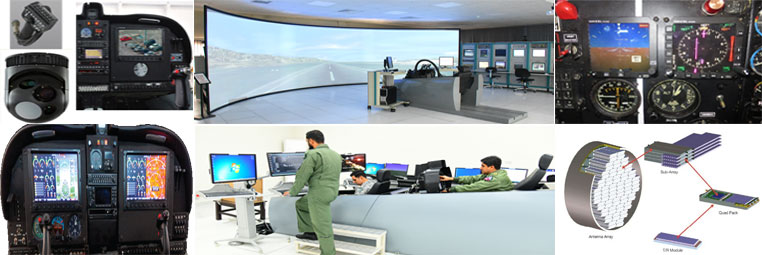
Avionics Integration
APF holds the coveted status of certified Avionics integrator for advanced fighter jet and has independently integrated Avionics of PAF’s choice on fighter aircraft. The indigenous software release developed by APF provides a tremendous boost to operational and strike capabilities of PAF.
Indigenization is APF’s strategic focus and as part of the deletion program, APF developed core capability in hardware, software design & development of systems. APF, now is a proud OEM of multiple Avionics systems that have underwent completely indigenous development, from initial concept to final qualification.
Avionics Integration
APF holds the coveted status of certified Avionics integrator for advanced fighter jet and has independently integrated Avionics of PAF’s choice on fighter aircraft. The indigenous software release developed by APF provides a tremendous boost to operational and strike capabilities of PAF.
ghazi52
THINK TANK: CONSULTANT
- Thread starter
- #36
AvRID
Aviation Research, Indigenization & Development
The office of DG AvRID has been established to transform into reality the Air Staff vision as stated above, with the long-term goal of developing our own fifth generation fighter aircraft (FGFA). Development of FGFA would be a major national program that would entail massive amount of work; not all of which may possibly be carried out within PAC, or even within Pakistan. Such large-scale development requires synergetic efforts from a number of industrial (public & private) and academic organizations to fulfill the enormous task. These efforts by themselves will enable development of technologies that will find applications in a number of other systems. The guiding motto will be “cooperation within, competition outside”.
In order to manage an engineering development program of this magnitude, an effective system covering the technical and management aspects needs to be put in place. A sound system engineering approach will have to be followed to ensure the technical health of the program backed by an equally sound project management effort to support it. As the development of FGFA is a major program, it will have to be divided into a number of projects, for which separate project teams will have to be formed. One team would be working on core capabilities development, another on aircraft development, one on avionics development, yet another on facilities development, one on human resource development and so on. There would be specialist teams for development of each system. Depending on the complexity of the systems, these teams would vary in the nature and extent of multi-disciplines. Some teams will be co-located while others would operate across different organizations. Similarly, certain functions will be performed by dedicated project teams while others by matrix teams.
Engineering Management & Support (EMS).
An elaborate plan for development of FGFA and associated technological capabilities will be prepared by DG AvRID. The plan will have to define the different projects within the program and define project teams and their plans in consultation with specialist resource personnel and organizations. The office would be responsible to manage the resources, schedules, risks and stakeholders throughout the program. It would also be responsible for establishing formal system engineering, configuration management and quality assurance processes within the participating teams and organizations. In order to carry out these functions, EMS activities will have to be appropriately organized within an EMS group in DG AvRID Secretariat and manned by qualified personnel: -
(a) Academia Industry Collaboration Office (AICO). For optimum utilization of resources available within academia and industry of the country and abroad.
(b) Systems Engineering Processes Office (SEPO). For training and audit of systems engineering and configuration management processes within participating organizations.
(c) Capability Development Office (CDO). For planning, assisting and tracking capability development encompassing facilities, technology and human resource.
(d) Quality Assurance and Certification Office (QACO). For training and audit of quality assurance and certification standards within participating organizations.
(e) Program Plans Office (PPO). For overall planning, budgeting and resource allocation.
(f) Program Execution Office (PEO). For program execution.
The office of DG AvRID will pursue an active engagement with the public and private sector for expanding the industrial base of the country to meet aviation requirements of Pakistan and to venture into the global aviation market for sustainable technical and economic growth. It will foster international collaboration and linkages to address critical technological gaps. It will also pursue HEC and higher education institutes to ensure that training needs in technologies critical to aviation industry are adequately identified and addressed. It will work with CAE, AU, NUST, IST and other institutes for utilization of their researchers, students, labs and alumni for conducting R&D in appropriate areas. The office will carry out its tasks through the following elements that report to it directly. Additional elements may be added if and when required.
Aviation Research, Indigenization & Development
The office of DG AvRID has been established to transform into reality the Air Staff vision as stated above, with the long-term goal of developing our own fifth generation fighter aircraft (FGFA). Development of FGFA would be a major national program that would entail massive amount of work; not all of which may possibly be carried out within PAC, or even within Pakistan. Such large-scale development requires synergetic efforts from a number of industrial (public & private) and academic organizations to fulfill the enormous task. These efforts by themselves will enable development of technologies that will find applications in a number of other systems. The guiding motto will be “cooperation within, competition outside”.
In order to manage an engineering development program of this magnitude, an effective system covering the technical and management aspects needs to be put in place. A sound system engineering approach will have to be followed to ensure the technical health of the program backed by an equally sound project management effort to support it. As the development of FGFA is a major program, it will have to be divided into a number of projects, for which separate project teams will have to be formed. One team would be working on core capabilities development, another on aircraft development, one on avionics development, yet another on facilities development, one on human resource development and so on. There would be specialist teams for development of each system. Depending on the complexity of the systems, these teams would vary in the nature and extent of multi-disciplines. Some teams will be co-located while others would operate across different organizations. Similarly, certain functions will be performed by dedicated project teams while others by matrix teams.
Engineering Management & Support (EMS).
An elaborate plan for development of FGFA and associated technological capabilities will be prepared by DG AvRID. The plan will have to define the different projects within the program and define project teams and their plans in consultation with specialist resource personnel and organizations. The office would be responsible to manage the resources, schedules, risks and stakeholders throughout the program. It would also be responsible for establishing formal system engineering, configuration management and quality assurance processes within the participating teams and organizations. In order to carry out these functions, EMS activities will have to be appropriately organized within an EMS group in DG AvRID Secretariat and manned by qualified personnel: -
(a) Academia Industry Collaboration Office (AICO). For optimum utilization of resources available within academia and industry of the country and abroad.
(b) Systems Engineering Processes Office (SEPO). For training and audit of systems engineering and configuration management processes within participating organizations.
(c) Capability Development Office (CDO). For planning, assisting and tracking capability development encompassing facilities, technology and human resource.
(d) Quality Assurance and Certification Office (QACO). For training and audit of quality assurance and certification standards within participating organizations.
(e) Program Plans Office (PPO). For overall planning, budgeting and resource allocation.
(f) Program Execution Office (PEO). For program execution.
The office of DG AvRID will pursue an active engagement with the public and private sector for expanding the industrial base of the country to meet aviation requirements of Pakistan and to venture into the global aviation market for sustainable technical and economic growth. It will foster international collaboration and linkages to address critical technological gaps. It will also pursue HEC and higher education institutes to ensure that training needs in technologies critical to aviation industry are adequately identified and addressed. It will work with CAE, AU, NUST, IST and other institutes for utilization of their researchers, students, labs and alumni for conducting R&D in appropriate areas. The office will carry out its tasks through the following elements that report to it directly. Additional elements may be added if and when required.
ghazi52
THINK TANK: CONSULTANT
- Thread starter
- #37
Project AZM.
This project aims to develop a fifth-generation fighter aircraft as per ASR requirements. As mentioned earlier, this is a major undertaking that will require synergetic participation of a large number of organizations and stakeholders. A phased but aggressive approach will be followed to overcome technical challenges as soon as they are identified. A number of challenges like materials, propulsion, sensors, mission systems etc. are already known and risk mitigation plans are being worked out. The strategy is to keep focus of the FGFA team on aircraft development while other elements of AvRID focus on providing the required technologies and systems for project success.
Aviation Design Institute (AvDI).
This institute has been established to develop the core multidisciplinary technologies required for any advanced air vehicle. It is envisaged to bring together experts with varied backgrounds (Aero, Elects, Wpns) and specialties (both Aerospace & Avionics) to work on areas like aerodynamics, antennas, fly-by-wire, payloads, sensor fusion, stealth, structures, etc. The institute undertakes projects that provide solutions in the immediate and short term and in doing so contribute to developing technologies for medium and long-term product development projects like FGF.
Mission Electronics Design Institute (MEDI).
This institute will develop critical technologies like high performance computing boards, advanced avionics interfaces etc. The technologies will be used for design & development of mission computers, flight control computers, etc. Considering the fast pace of development in the field of electronics leading to early obsolescence and the huge amount of data crunching onboard the FGFA, considerable challenges will have to be overcome.
Aero Structures Design Institute (ASDI).
This institute will be responsible for design and analysis of aero structures, including Damage Tolerance Analysis (DTA). It will also interact with the local industry and academia for identifying and developing materials required for aerospace related applications.
Advanced Technologies Centre (ATC).
This Centre will form the PAF element of the Faculty of Aerospace and Aviation Campus AU Kamra and will focus on MS and PhD programs in Aerospace and Avionics disciplines. These programs, in coordination with CAE and other institutes will provide the necessary human resource for programs like FGFA. They will also assist in setting up labs in critical areas and carry out focused research. Short courses in relevant areas will also be arranged.
Flight Test Centre (FTC).
The capability to carry out flight testing of developed systems and platforms will be eventually consolidated into a dedicated flight test Centre. It will assist and coordinate flight testing activities with customers. It would develop the procedures and protocols for flight testing and certification in coordination with development teams and certification authorities, as applicable.
AvRID Capabilities
Aviation City’s evolution transforms PAC Kamra into a teaching industry by bridging itself with co-located Air University Campus. Entire infrastructure of production, upgrade/ overhaul, research & development, qualification and certification would be opened to the students of Air University, thus equipping them with higher academic knowledge and professional skills. These students would be fully fielded in all such disciplines under collaborative supervision of Air University faculty and engineering leadership of the factories.
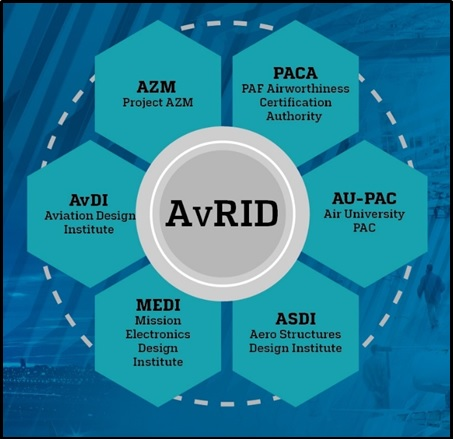
The multi-discipline research team at Aviation Research, Indigenization & Development (AvRID) Centre will include an effective mix of highly qualified and/or experienced specialists, who would leverage industrial and academic potential available to Kamra. This would put together components of industry and academia to build a high-end research center to enhance indigenization capability. AvRID at Kamra is destined to be the embodiment of this aim.
This project aims to develop a fifth-generation fighter aircraft as per ASR requirements. As mentioned earlier, this is a major undertaking that will require synergetic participation of a large number of organizations and stakeholders. A phased but aggressive approach will be followed to overcome technical challenges as soon as they are identified. A number of challenges like materials, propulsion, sensors, mission systems etc. are already known and risk mitigation plans are being worked out. The strategy is to keep focus of the FGFA team on aircraft development while other elements of AvRID focus on providing the required technologies and systems for project success.
Aviation Design Institute (AvDI).
This institute has been established to develop the core multidisciplinary technologies required for any advanced air vehicle. It is envisaged to bring together experts with varied backgrounds (Aero, Elects, Wpns) and specialties (both Aerospace & Avionics) to work on areas like aerodynamics, antennas, fly-by-wire, payloads, sensor fusion, stealth, structures, etc. The institute undertakes projects that provide solutions in the immediate and short term and in doing so contribute to developing technologies for medium and long-term product development projects like FGF.
Mission Electronics Design Institute (MEDI).
This institute will develop critical technologies like high performance computing boards, advanced avionics interfaces etc. The technologies will be used for design & development of mission computers, flight control computers, etc. Considering the fast pace of development in the field of electronics leading to early obsolescence and the huge amount of data crunching onboard the FGFA, considerable challenges will have to be overcome.
Aero Structures Design Institute (ASDI).
This institute will be responsible for design and analysis of aero structures, including Damage Tolerance Analysis (DTA). It will also interact with the local industry and academia for identifying and developing materials required for aerospace related applications.
Advanced Technologies Centre (ATC).
This Centre will form the PAF element of the Faculty of Aerospace and Aviation Campus AU Kamra and will focus on MS and PhD programs in Aerospace and Avionics disciplines. These programs, in coordination with CAE and other institutes will provide the necessary human resource for programs like FGFA. They will also assist in setting up labs in critical areas and carry out focused research. Short courses in relevant areas will also be arranged.
Flight Test Centre (FTC).
The capability to carry out flight testing of developed systems and platforms will be eventually consolidated into a dedicated flight test Centre. It will assist and coordinate flight testing activities with customers. It would develop the procedures and protocols for flight testing and certification in coordination with development teams and certification authorities, as applicable.
AvRID Capabilities
Aviation City’s evolution transforms PAC Kamra into a teaching industry by bridging itself with co-located Air University Campus. Entire infrastructure of production, upgrade/ overhaul, research & development, qualification and certification would be opened to the students of Air University, thus equipping them with higher academic knowledge and professional skills. These students would be fully fielded in all such disciplines under collaborative supervision of Air University faculty and engineering leadership of the factories.
The multi-discipline research team at Aviation Research, Indigenization & Development (AvRID) Centre will include an effective mix of highly qualified and/or experienced specialists, who would leverage industrial and academic potential available to Kamra. This would put together components of industry and academia to build a high-end research center to enhance indigenization capability. AvRID at Kamra is destined to be the embodiment of this aim.
ghazi52
THINK TANK: CONSULTANT
- Thread starter
- #38
Aircraft Rebuild Factory
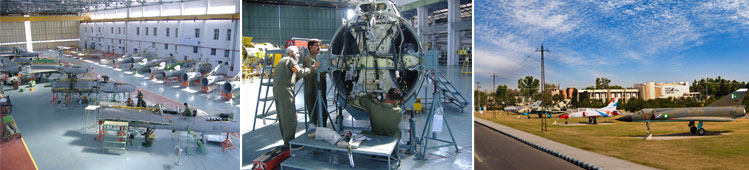
The manufacturing resources of ARF are very comprehensive. Availability of highly skilled manpower with ongoing training programme abreast with the technological advancements is also the hallmark of ARF. The core capabilities of factory consist of:-
Canopies and Windshields Manufacturing
Canopy and Windshield Center of Excellence (CoE) is an advanced facility established at ARF providing support primarily to Pakistan Air Force as well as venturing into commercial projects with different inland companies and friendly countries. The core capabilities of this facility include:
The manufacturing resources of ARF are very comprehensive. Availability of highly skilled manpower with ongoing training programme abreast with the technological advancements is also the hallmark of ARF. The core capabilities of factory consist of:-
- Canopies & Wind Shields Manufacturing
- Harness Manufacturing
- Propeller & QEC Overhaul
- NDT and Metrology setup
- Precision Machining Complex
- Weapon Rebuild Facility
- Heat & Surface Treatment
- Sheet Metal Setup
- Rubber & Polymer Parts Manufacturing
- Spring Manufacturing
- Forging and Casting
- Aviation Standard Painting
Canopies and Windshields Manufacturing
Canopy and Windshield Center of Excellence (CoE) is an advanced facility established at ARF providing support primarily to Pakistan Air Force as well as venturing into commercial projects with different inland companies and friendly countries. The core capabilities of this facility include:
- Manufacturing, Repairing and overhauling of canopies, windshields and window panels of different fighter, trainer, helicopters and transport fleet aircraft.
- Precise cutting and transferring of holes in acrylic transparencies through 5 Axis CNC milling machine.
- Reverse Engineering of product through 3D scanning, CAD modeling on CATIA software and manufacturing of moulds / dies on CNC machining.
- Computerized Optical Quality inspection of formed transparencies.
ghazi52
THINK TANK: CONSULTANT
- Thread starter
- #39
Harness Manufacturing and Rewiring Centre (HM&RC)
HM&RC is a Center of Excellence that is capable of manufacturing aviation standard manufacturing electrical harnesses using the latest materials and techniques. This facility is certified by a number of international companies including SAGEM, DERCO, AXON, CATIC and RAYCHEM.
- Manufacturing of harnesses as per OEM Standards for Chinese, French and American range aircraft
- Complete Wiring Conductivity / Insulation Resistance Tests
- Repair / Overhaul of Harnesses
- Re-Wiring solutions for helicopters & small aircraft
Propeller & QEC Overhaul
- Five yearly inspection of Dowty Propeller of SAAB 2000
- Overhaul of C-130 Propellers and QECs
- Complete Disassembly and Rework
- Assembly and Operational Checks
- IOC Repair and Overhaul
Metrological Centre
- Calibration Facilities
- Pressure Metrology
- Absolute Pressure meters / testers, Standard Pressure meters / testers, Vacuum Meters, Hydraulic / Oxygen Pressure Gauges, Air Pressure Gauges, Pressure Sensors and Digital Pressure Meters.
- Length & Geometric Metrology
- Vernier calipers, DTIs, Micrometers, Gauge Blocks, Ring gauges and Plug gauges.
- Electromagnetism Metrology
- AC/DC Volt meters, Amp meters, AC Watt meter Resistance Boxes, Micro ohm meters and Electric Bridges, Microwave signal generator, Oscilloscope, Power meters, Attenuators and Frequency Counters, compass system and Stop Watches.
- Temperature Metrology
- Thermocouple, Thermometers, Temperature Indicators, Controllers and Recorders, Hygrometers.
- Flow Metrology
- Digital Flow Meters, Glass Flow Meters, Mass Flow Meters / Sensors and Fuel Flow Meters / Sensors.
- Mass Metrology
- Weights and Digital / Counter Balances
- Volume Metrology
- Glass Volume Meters like beakers, Pipette, Burette, etc.
- Force Metrology
- Tensile tester, Dynamometer, Hardness tester, Shore Hardness Testers, Force Gauges, Load Sensors, Spring Testers, Torque Wrenches and Torque Testers.
- Testing Facilities
- Non-Destructive Testing Facilities
- Magnetic Particles Testing
- Portable 0~300 A, Stationary equipment 0~10000 A and Magnetic Yoke.
- Penetrant Testing
- Red dye Penetrant and Fluorescent Penetrant testing.
- Radio Graphic Testing
- Portable equipment 0~50 mm of steel, Stationary equipment 0~25 mm of steel.
- Eddy Current Testing
- Surface Scan Eddy Current Testing (SSEC) and Bolt Hole Eddy Current Testing of Aluminum and Steel.
- Ultrasonic Testing
- Ultrasonic inspetion of Aluminium and steel parts by using Ultrasonic Flaw Detector.
- Destructive Testing Facilities
- Physical Properties Testing
- Tensile, Compression, Bending, Shearing, Hardness and Impact Strength.
- Metallographic Testing
- Testing of Macro / Micro Structure of Metallic Materials.
- Chemical Analysis
- Determination of % age of elements in Ferrous and Aluminum Alloys.
- Non-Destructive Testing Facilities
- Aerospace Material Characterization Facility
- Surface Treatment Assessment (Ultrasonic Thickness Meter)
- Determination of Hardness (after sample preparation)
- Chemical Composition Analysis (after sample preparation)
- Metallography
- Microstructure Examination, Evaluation & Interpretation
- Materials Equivalent Study
- Material Heat Treatment Study
Precision Machining Complex
- CAD / CAM based CNC programming (CATIA)
- CNC 3 to 4 Axis Milling Machines
- CNC Turning & Milling Machines
- Coordinate Measuring Machine (CMM) for inspection
- CNC Abrasive Water Jet Cutting Machine
Weapon Rebuild Complex
- Overhaul of Chinese aircraft Alternate Mission Equipment (AMEs) Ejection Seats and aircraft guns
- Overhaul & Qualification of all available Ejector Units (ERUs) of F-7P, F-7PG, K-8 and JF-17 aircraft
- Provision of Depot level maintenance / overhaul support of Armament GSE / GHE
- To undertake Indigenization and development tasks in the domain of Weapon and armament, especially in the field of standoff long-range Precision Guided Munitions and laser Guided Bomb Kits
- Overhaul of F-16 and Mirage Aircraft Alternate Mission Equipment (AMEs)
- Overhaul & Qualification of all available Ejector Units (ERUs) of F-16 and Mirage aircrafts
- Manufacturing of JF-17 Universal Outboard Station Pylon (UOSP)
Heat & Surface Treatment Facility
- Heat Treatment
- Hardening, Tempering, Quenching, Normalizing & Carbonizing
- Surface Treatment
- Zinc, Chromium, Cadmium, Nickle, Tin, Copper, Silver and Shine Nickle Plating
- Hard, Sulphuric Acid, Chromic Acid, Red, Green, Blue & Black Color Anodizing
- Bluing & Acid Pickling
- Oxidation of Aluminum / Magnesium
Sheet Metal Setup
The factory has an elaborate sheet metal facility in which more than 2300 parts of different variants of Chinese aircraft and drop tanks are formed. The basic processes include pressing, bending, turning, crafting and shrinking. State of the art machines including CNC spinning machine, Hydraulic presses (315&70 ton) and Deburring machines are available at the facility.
Rubber and Polymer Parts
ARF has a well-equipped rubber parts manufacturing facility for all the Chinese weapon systems which is not only providing support to Pakistan Air Force, PAC factories but is also meeting the requirements of all GOH related rubber parts manufacturing processes. The facility is capable of producing about 1300 different type of rubber parts (“O” ring, Gasket, Washers, Seals, Spacers etc). The basic processes involve in the manufacturing of rubber parts are:
- Compounding
- Vulcanizing
- Rubberizing
- Cutting
Spring Manufacturing
In the field of spring manufacturing, the factory has acquired the skill to fulfill the requirement of springs being used during overhauling of an aircraft. These include torsion, tension and compression springs.
Forging and Casting
ARF has a well-equipped forging facility which is sufficient to meet the requirements of all GOH related forging processes. Casting of ferrous and nonferrous parts up to 120 kg in weight can also be carried out.
Aviation Standard Painting / De-painting
Painting and de-painting facility is being utilized for on all the aircraft being overhauled at ARF. This includes internal and external aviation standard painting of various areas of the aircraft.
ghazi52
THINK TANK: CONSULTANT
- Thread starter
- #42
Pakistan Certified To Repair SAAB AWACS
Damaged SAAB Erieye undergoing repairs at Pakistan Aeronautical Complex
Pakistan has been certified to build and conduct repair works of Swedish firm SAAB’s Airborne Warning and Control System (AWACS).
“For the first time in history, Swedish SAAB AWACS were built from scratch by another country, even to the disbelief of SAAB itself... who had declared the project technically impossible,” .
SAAB’s Erieye radar system is an Airborne Early Warning and Control (AEW&C) system that uses active electronically scanned array (AESA) technology.
The Erieye Ground Interface Segment is a major component of the software used by the Erieye system.
Users who are viewing this thread
Total: 1 (members: 0, guests: 1)
Pakistan Defence Latest

Country Watch Latest
-
 Iran - Israel/US War: Israel-US declare war on Iran, Iran responds (150 Viewers)
- Latest: Persian Gulf
-
-

-

-
 Breaking: First F-47 Sixth-Gen Fighter Already Being Built, Expected to Fly in 2028 (1 Viewer)
- Latest: AZ_HighCountry
Latest Posts
-

-

-

-

-
Iran - Israel/US War: Israel-US declare war on Iran, Iran responds (150 Viewers)
- Latest: Persian Gulf