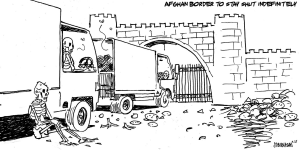
The crisis has exposed Afghanistan’s overwhelming dependence on Pakistan, with 70–80 percent of its trade reliant on Pakistani ports and road networks. More than half of Afghanistan’s medicines also transit through Pakistan. Analysts say Afghanistan’s fragile economy is ill-equipped to absorb the increased costs, delays, and risks associated with alternative routes.
Inside Afghanistan, the impact has been socially disruptive as well. With smuggling halted, over 200,000 people linked to illegal trade, backflow operations, and under-invoicing networks have reportedly lost their income sources. Pakistani officials argue that breaking these networks will curb the movement of illegal arms, narcotics, and militant financing in the long run.
In contrast, the trade freeze has had almost no effect on everyday life in Pakistan. Afghan-origin goods entering through smuggling channels were largely luxury items rather than essential commodities. With Pakistan maintaining secure trade through CPEC and direct land links with China, authorities foresee no disruption to vital supply chains.
Policymakers believe Pakistan will begin to see long-term gains over the next 5–10 years, including improved border security, reduced economic leakages, and a more regulated cross-border trade environment. At the same time, the shift may push Afghanistan to diversify its trade beyond eastern provinces such as Paktia and engage more with Iran and Central Asia —potentially fostering greater inclusivity in its economic structure.
Analysts conclude that Afghanistan’s leadership now faces a critical decision: either continue providing space to militant groups or work jointly with Pakistan to restore stability and pursue shared economic progress.
Copyright Business Recorder, 2025


 Federal cabinet gives nod to imposition of emergency in KP; summary sent to president (30 Viewers)


