Pakistan Agriculture News / Discussions

Chinese Agri Tech Set to Transform Punjab’s Farmlands as Rs.30 Billion Mechanization Drive Launches​


By Tahir Ali | Gwadar Pro
Oct 13, 2025

Chinese Agri Tech Set to Transform Punjab’s Farmlands as Rs.30 Billion Mechanization Drive Launches


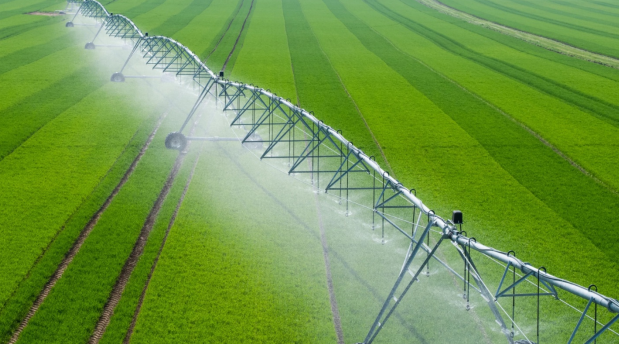
A central pivot irrigation system, one of the latest Chinese agricultural technologies. [Photo/BoP]

LAHORE: Chinese high-tech agricultural machinery is at the heart of Punjab’s bold new Rs. 30 billion mechanization program, launched last week to revolutionize farming across Pakistan’s largest food-producing province.

From advanced combine harvesters and rice transplanters to center-pivot irrigation systems and high-power tractors, dozens of Chinese manufacturers will supply cutting-edge equipment aimed at boosting productivity, reducing post-harvest losses, and lowering labor dependency in Punjab’s fields.

“We’re ushering in a revolutionary transformation in Punjab’s agriculture!” stated Chief Minister Maryam Nawaz Sharif at the launch ceremony. “Today, Alhamdolillah, we launched the Hi-Tech Mechanization Bank Financing Program, a groundbreaking initiative worth Rs. 30 billion to empower our farmers with the latest agricultural technology.

This is a major leap forward in modernizing our farming practices, improving productivity, and delivering real prosperity to our Kisaan. The future of farming in Punjab, the food basket of Pakistan, has arrived.”
 
Under the program, interest-free bank financing of up to PKR 30 million will be made available with a six-month grace period and repayment spread over five years. The Bank of Punjab will finance up to 80 percent of machinery costs, while applicants contribute 20 percent equity upfront.

Farmers, service providers and agri-entrepreneurs can apply through an online portal, provided they meet the government’s eligibility requirements.

Chinese manufacturers dominate the official lists, with 27 companies supplying machinery across almost every category. Information about the companies and their products has been collected by Gwadar Pro from official program documents.

Chinese Agri Tech Set to Transform Punjab’s Farmlands as Rs.30 Billion Mechanization Drive Launches


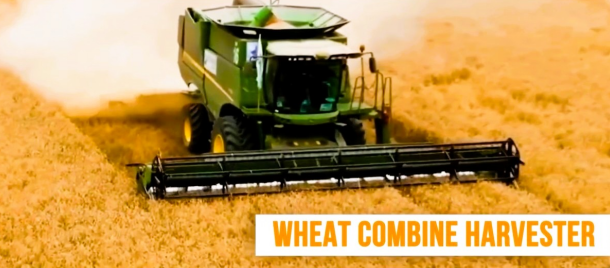
Wheat combine harvester. [Photo/GoP]

Wheat combine harvesters are being introduced by Huzhou Liangyi Agro Machinery, Shandong Gold Dafeng (Shandong Dafeng), Jiangsu World Agricultural Machinery (FM World), Chongqing Smart Thinker, JOTEC International (Qingdao), Changfa Agricultural Equipment, Weichai Loval and Zoomlion (authorization pending). For rice, combine harvesters from Huzhou Liangyi, Shandong Dafeng, Jiangsu World, Wuhan Wubota, Xingtai Farming First, Changfa, Weichai Loval and Zoomlion are listed, promising faster and more efficient harvests.
 
Rice transplanters with integrated nursery-raising machines, which is a critical innovation for labor savings and crop uniformity, are being supplied by Huzhou Liangyi and Changzhou Yuanbo with multiple variants, as well as Jiangsu World, Wuhan Wubota, Jiangsu Yong Tao, Jiangsu Dongyang (TYM), SYD (Sheng Chuan) and Zoomlion.

Baling machinery, essential to end residue burning and produce valuable fodder, will be supplied by Shandong Jianghua Machinery, Shandong Dafeng, Chongqing Smart Thinker, Jiangsu World, Shandong Huaxu (FUVOX), Synbon, Weichai Loval, Zoomlion and SYD. Silage harvesters, which is vital for livestock feed, are offered by Shandong Dafeng, Shijiazhuang Medi, Xingtai, Shandong Huaxu, JOTEC and others.

Chinese Agri Tech Set to Transform Punjab’s Farmlands as Rs.30 Billion Mechanization Drive Launches


Orchard airblast sprayer. [Photo/GoP]


For maize, Shandong Jianghua leads with multiple cob harvester variants, alongside Shandong Dafeng, Shandong Huaxu, JOTEC and Tianren. Maize cob dryers and grain dryers are being supplied by Xingtai, Shandong Huaxu and SYD, these are technologies that stabilize grain quality and market value.
 
China’s irrigation expertise is also set to reshape water management. Vodar, Shandong Yihi and Shenzhen Dianyingpu are bringing in multiple models of center-pivot irrigation systems, designed to sharply improve water-use efficiency on Punjab’s vast canal-fed plains.

In orchards, Xingtai and Shandong Huaxu will supply air-blast sprayers and powered pruners to modernize fruit cultivation.
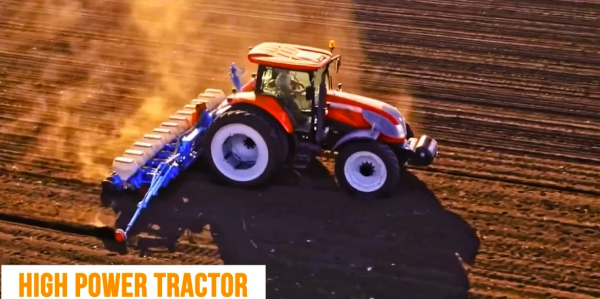
High-power tractors, the backbone of mechanized farming, will be supplied by Luoyang Ruide (up to 210 HP), Weichai Loval, YTO, Zoomlion, Shandong Dafeng, Wuhan Wubota, Taian Guotal and Chongqing Smart Thinker.

These machines are expected to accelerate land preparation, transport and field operations across Punjab’s diverse agro-ecological zones.

Chinese Agri Tech Set to Transform Punjab’s Farmlands as Rs.30 Billion Mechanization Drive Launches


High-power tractors, the backbone of mechanized farming. [Photo/GoP]

“This is not just a subsidy program, it’s a technology leap,” Dr. Saif-ur-Rehman of PMAS-Arid Agriculture University Rawalpindi, told Gwadar Pro. “Chinese machines can cut harvest windows by weeks, reduce post-harvest losses drastically, and enable farmers to mechanize every stage from planting to irrigation to storage.”

According to Rehman, “With Punjab producing the bulk of Pakistan’s wheat and rice, hopefully this Chinese-powered mechanization push will reshape the province’s agricultural landscape, enhance national food security, and deepen Sino-Pak agricultural cooperation.”
 
To view this content we will need your consent to set third party cookies.
For more detailed information, see our cookies page.


Punjab to build 400 mini dams, mostly in potohar.
 

Pakistani, Chinese Scientists Identify Key Wheat Genes to Fight Fungal Disease, Tackle Climate Change​


By Tahir Ali | Gwadar Pro
Oct 16, 2025

ISLAMABAD, Oct. 16 (Gwadar Pro) - Pakistani and Chinese scientists have identified 47 important genes in wheat that could help develop new varieties resistant to a major fungal disease and better able to withstand climate challenges. The joint research has been published in the international journal Rice (SpringerOpen) in October 2025.

The study was led by Babar Hussain of University of Central Punjab (Pakistan) and Qasim Raza of University of Chinese Academy of Sciences (China), with Dr. Rana Muhammad Atif of University of Agriculture Faisalabad (UAF) serving as the corresponding author. It also involved experts from Australia and the United States.

The research focuses on a group of genes known as MLO (Mildew Locus O), which determine how wheat plants respond to powdery mildew, which is one of the world’s most damaging wheat diseases, capable of cutting yields by more than half if uncontrolled.

“This study provides a compendium of wheat MLO genes, which could be functionally characterized to confirm their roles in PM resistance and further exploited in wheat breeding programs for the development of climate-resilient cultivars,” the authors wrote.

Using the latest wheat genome data, the team mapped 47 of these MLO genes across all 21 wheat chromosomes. They found that 10 of these genes are particularly active when the plant faces disease or environmental stress, making them promising targets for future breeding and gene-editing efforts.

Importantly, key experiments were conducted in China, where researchers tested wheat varieties under controlled conditions. This included N9134, a Chinese wheat line known for its strong resistance to powdery mildew. “Seeds of both genotypes were obtained from Peking University Institute of Advanced Agricultural Sciences, China”, as per the study.

“A PM-resistant wheat line, N9134, that shows high resistance to all Blumeria graminis races in China, along with a susceptible wheat cultivar, Fielder, were selected for quantitative real-time PCR-based expression analysis,” the study explained.

The findings show that previously unused genetic diversity in wheat can be harnessed to build stronger, disease-resistant, and climate-resilient crops.

This breakthrough provides a solid foundation for breeding improved wheat varieties, which is crucial for countries like Pakistan, where wheat is a staple food and climate change is making crop diseases more severe.
 
The government has approved the wheat policy for 2025-26, a statement issued by the Prime Minister’s Office (PMO) said on Sunday, adding there would be no restriction on the inter-provincial movement of wheat to ensure its availability across the country.

The development comes against the backdrop of the Punjab government tightening controls on the inter-provincial movement of wheat and flour through a restrictive permit regime to curb price hikes within the province — a move that has particularly been denounced by Khyber Pakhtunkhwa amid soaring prices and wheat shortage there.

According to the PMO statement, a high-level meeting was held yesterday (Saturday) to discuss the 2025-26 wheat policy. It was chaired by Prime Minister Shehbaz Sharif and attended by the chief ministers of Punjab, Sindh, Balochistan and Gilgit-Baltistan.

The statement said a representative of the Khyber Pakhtunkhwa CM was also present at the meeting while the Azad Jammu and Kashmir PM and relevant stakeholders also attended the meeting.

It quoted PM Shehbaz as saying that Pakistan was an agricultural economy, for which wheat was of key importance.

“Wheat is not just a staple food item for the people of Pakistan but also the biggest source of earning for the farmers of the country,” he said, adding that the government was well aware of the difficulties of the farmers.

He assured that the all possible efforts were being made for the welfare of the farmers, the PMO statement said, further stating that the premier termed farmers the “backbone of the economy”.

PM Shehbaz told the participants of the meeting that the the government had consulted all stakeholders, including provincial governments, farmers’ associations and industrialists, over the wheat policy.

“We appreciate the cooperation of the provinces for this policy based on consensus,” PM Shehbaz stated.

He said the policy was aimed at safeguarding people’s interests while ensuring profits for farmers and hoped that it would contribute to progress in the agriculture sector.

The PM asserted that the policy would result in an increase farmers’ incomes and play an important role in in ensuring food security in the country.

According to the PMO statement, the meeting was told under the new policy, the federal and provincial governments would be able to acquire “strategic reserves of about 6.2 million tonnes” from wheat harvest in 2025-26.

It added that wheat would be procured at Rs3,500 per maund (40 kilogrammes), in accordance with the international import price.

“This measure will ensure market competitiveness along with fair prices and profits for farmers,” the PMO statement said, citing the briefing given to the meeting.

It further stated that the national food security would head committee, which would oversee the policy’s implementation. It would include representatives from all provinces and and meet every week, the statement said, adding that it would directly report to the prime minister.

According to the statement, the meeting’s participants were assured that fair pricing would be ensured for farmers and the government would by sufficient stock to ensure their security as well as “stable reserves”.
 
Good initiative by GOP. Hope Punjab govt abides by it.

Regards
 

Pakistan achieves breakthrough in agricultural biotechnology with Chinese collaboration​

By Shafqat Ali | Gwadar Pro
Oct 24, 2025

ISLAMABAD, October 24: Pakistan has achieved a major scientific milestone with the approval of the country’s first-ever genetically modified (GM) sugarcane and advanced cotton varieties, marking a new chapter in agricultural biotechnology.

The breakthrough, endorsed by the National Biosafety Committee (NBC), is being seen as a step forward in Pakistan’s ongoing cooperation with China in the fields of biotechnology, agri-research, and sustainable farming.

The NBC, during its meeting chaired by the Secretary of the Ministry of Climate Change and Environmental Coordination (MoCC&EC) Aisha Humera Moriani – who also serves as NBC chairperson - here, approved two environment-friendly GM sugarcane lines, CABB-IRS and CABB-HTS, for commercial use. The sugarcane lines, developed using indigenous expertise with technical collaboration from Chinese agricultural scientists, were found safe for human and environmental health.

The committee also approved the commercialization of CEMB-AAS3, a Bt. cotton variety developed by the Centre of Excellence in Molecular Biology (CEMB), Lahore, and NIBGE-1601, produced by the National Institute for Biotechnology and Genetic Engineering (NIBGE), Faisalabad. Both varieties demonstrate high pest resistance, superior yield, and improved fiber quality.

In the meanwhile, Pakistan and China are intensifying collaboration through the establishment of a China-Pakistan Research and Development Center for Modern Agriculture and Efficient Water Technologies, focusing on bio-healthy farming and water efficiency. The two countries are jointly working on a bio-agriculture research laboratory and demonstration park, sharing Chinese experience in genetic improvement, precision farming, and seed technology.

China is also extending short-term technical training to Pakistani agricultural graduates under its G2G Cooperation Program, helping Pakistan build domestic capacity in biotechnology and sustainable agriculture.

Officials said these developments not only enhance Pakistan’s food security and biosafety governance but also align with China-Pakistan Economic Corridor Phase-II’s focus on agricultural modernization and green development.

The approval of GM crops, coupled with Sino-Pak research initiatives, positions Pakistan among the region’s emerging biotechnology innovators, paving the way for higher yields, reduced pesticide use, and a more climate-resilient agricultural future.
 

Chinese agricultural firm concludes healthy edible oil campaign across Punjab​

By Shafqat Ali | Gwadar ProOct 23, 2025

ISLAMABAD, October 24 (Gwadar Pro) - A Chinese agricultural enterprise on Thursday afternoon successfully concluded a large-scale Healthy Edible Oil Campus Campaign 2025 across Pakistan’s Punjab province, reaffirming China’s commitment to Pakistan’s sustainable agricultural development and public health improvement.

The month-long initiative, led by Wuhan Qingfa Hesheng Seed Company, a key China-Pakistan Economic Corridor (CPEC) project partner, and its Pakistani ally EVYOL Group, was conducted in Multan, Khanpur, Layyah, and Liaqatpur districts.

The campaign promoted HC-021C double-low hybrid rapeseed, a Chinese-developed canola variety known for its superior nutritional value, high oil yield, and low erucic acid levels. The educational drive was launched in the wake of devastating floods, aiming to restore livelihoods, enhance food security, and promote healthier dietary habits.

Over 30,000 participants, including students and farmers, attended more than 50 interactive sessions combining theoretical lectures with practical demonstrations of cooking and cultivation techniques. The events highlighted the health benefits of canola oil, such as its positive impact on cardiovascular health and its role in reducing Pakistan’s dependence on imported palm oil.

Experts emphasized that large-scale adoption of the HC-021C variety could raise oil yields by 7-9% and reduce cardiovascular disease rates by 4-6%, potentially saving the country around USD 380 million annually in medical costs.

The campaign also focused on soil health and environmental benefits, promoting crop rotation systems such as cotton-oil and rice-oil rotations, which enhance soil fertility and sustainability.

The initiative, in line with the Food and Agriculture Organization (FAO)’s “Four Betters” Initiative, Better Production, Better Nutrition, Better Environment, and Better Life, earned wide recognition for improving community health awareness and post-disaster recovery.
 

Chinese Honglian hybrid rice delivers impressive yields in Pakistan​


HP4 variety gets official approval, marks milestone in nationwide adoption

Web Desk
November 01, 2025

source app

Source: APP

China’s Honglian hybrid rice has shown promising results in Pakistan, with the three varieties H13, H14, and H15 achieving yields of 11.3 tons per hectare, 12.3 tons per hectare, and 10.8 tons per hectare, respectively.

Among them, H14 stood out for its large panicles and high grain count, boosting yields by over 12% compared with local varieties, according to Prof. Zhu Renshan, Director of the China-Pakistan Joint Research Center for Honglian Hybrid Rice.

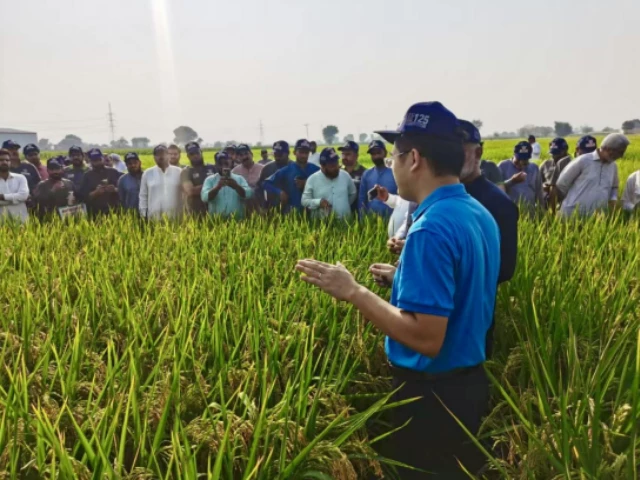
Earlier this month, Xu Zhiyong from Prof. Zhu’s team visited demonstration bases in Lahore, Multan, Sahiwal, and Vehari, meeting representatives from the University of Punjab and leading local agricultural enterprises. On October 19, the center held an on-site meeting in Vehari to promote new technologies, attended by over 200 participants, including farmers, distributors, and agricultural technology experts from Punjab and Sindh.

The project, first introduced in Pakistan in 2018, is a joint initiative of Wuhan University and the University of Punjab. It established the China-Pakistan Joint Research Center for Honglian Hybrid Rice in 2020, together with the Hubei Association for Science and Technology, to enhance domestic food security and boost rice exports. Demonstration plots cover key rice-growing regions in Punjab ensuring the varieties perform well across diverse agro-climatic zones.

Over the past five years, the center has developed experimental and demonstration bases spanning more than 30 acres, conducted five technical training sessions for over 300 Pakistani farmers, technicians, distributors, and government officials, and organized three international seminars on cooperative development. The project also integrates modern technologies such as AI, big data, 5G, and remote sensing to enhance yield, resilience, and mechanized seed production.

Honglian hybrid rice’s heat-tolerance and stable seed-setting rate under extreme weather make it particularly suitable for Pakistan’s climate, offering higher yields for farmers and potential to expand rice exports.

In June 2025, the Honglian HP4 variety received registration from the Rice Variety Evaluation Committee of the Pakistan Agricultural Research Council, marking a milestone in its adoption across the country.

The initiative not only improves domestic food security but also provides a platform for long-term China-Pakistan cooperation in agricultural science and technology, safeguarding mutual food security and deepening strategic ties.
 

Pakistan, China Launch PARC Reform Plan for Modern Agriculture​


Pakistan and China have agreed to jointly revamp the Pakistan Agricultural Research C ouncil (PARC) through a wide-ranging reform initiative aimed at transforming it into a globally competitive, innovation-driven institution. The Strategic Reform and Cooperation Plan, developed with the support of China’s Ministry of Agriculture and Rural Affairs (MARA) and the Chinese Academy of Agricultural Sciences (CAAS), seeks to modernise PARC’s research, infrastructure, and operational framework.

The announcement came during a high-level meeting chaired by Federal Minister for National Food Security and Research, Rana Tanveer Hussain, in Islamabad. Senior officials, including PARC Chairman Dr Syed Murtaza Hassan Andrabi, attended the session, which reviewed findings from a comprehensive joint assessment conducted by Chinese and Pakistani experts.

Joint Study Highlights Structural Gaps

The Chinese-led study evaluated the performance and capacity of PARC, the National Agricultural Research Centre (NARC), and 11 affiliated institutes. It identified major challenges, including chronic underinvestment, outdated laboratories and equipment, weak research commercialisation, and significant brain drain due to limited incentives and seniority-based promotions.

The report emphasised that addressing these issues requires sustainable funding, modern research management, stronger coordination between federal and provincial institutions, and enhanced farmer-research linkages. It also recommended aligning research priorities with national goals of food security, climate resilience, and economic growth.

National Agricultural Science and Technology Roadmap

The reform plan calls for the creation of a National Agricultural Science and Technology Roadmap to guide future research directions. It proposes establishing Technology Transfer Units (TTUs) in all major institutes, a National Agricultural Technology Transfer Centre, and regional demonstration hubs to ensure that scientific innovations reach farmers effectively.

China and Pakistan will also strengthen collaboration through joint laboratories, capacity-building programs, and research on climate-resilient crops, pest control, irrigation efficiency, livestock improvement, and advanced farm machinery.

Minister Reaffirms Commitment to Agricultural Transformation

Minister Rana Tanveer Hussain praised the contributions of MARA and CAAS in designing a forward-looking reform strategy for Pakistan’s agricultural research ecosystem. He reiterated the government’s commitment to implementing the recommendations “in letter and spirit” to make PARC a hub of agricultural innovation and modernisation.

He also announced the formation of a high-level implementation committee comprising representatives from the Ministry of National Food Security and Research, PARC, and key stakeholders to ensure effective execution with clear milestones and accountability mechanisms.

“The restructuring of PARC is not just an administrative reform, it’s a national priority,” the minister said, stressing that the initiative would strengthen food security, enhance productivity, and support sustainable economic growth.
 

Gilgit-Baltistan could enhance agriculture produce by up to 30% via tech: study

  • Introduction of affordable soil moisture sensors, weather micro-stations and smart irrigation controllers could revolutionize agricultural landscape: P@SHA
https://defencepk.com/forums/javascript:void(0)
Follow us
KARACHI: Modern agri-tech solutions have demonstrated dramatic improvements in productivity and resource efficiency. If Pakistan’s farms, including those located in Gilgit-Baltistan, adopt tools like precision irrigation, AI-based advisory, and IoT monitoring, yields could rise by up to 30% and cultivation losses could drop 75%, translating into billions of dollars of added value, a recent report has said.

According to a study published by Pakistan Software Houses Association (P@SHA) titled ‘AgriTech Frontiers: Scaling Smart Farming in Gilgit-Baltistan – An Implementation Roadmap’, the introduction of affordable Internet of Things (IoT) devices – such as soil moisture sensors, weather micro-stations, and smart irrigation controllers – to GB farms could revolutionize the agricultural landscape.

IoT sensors can provide real-time data on conditions like soil humidity and temperature, enabling farmers to optimize water and fertilizer use. In a pilot in Sindh, Pakistan, small farmers used IoT soil probes combined with weather data to reduce water usage by 37% and cut fertilizer and pesticide use by 27%, while increasing crop yield by 27%, the report said.


This “more with less” outcome is exactly what GB’s resource-constrained farmers need, it added.

Deploying similar climate-resilient precision farming projects in GB (perhaps with support from innovation funds like the GSMA grant used in Sindh) could help farmers adapt to shorter growing seasons and water scarcity, P@SHA believes.

Notably, these systems can be paired with cloud platforms that analyze the sensor data and send simple advisories to farmers (e.g. “Time to irrigate plot A” or “Frost expected tonight, cover your crop”).

Ensuring the interface is user-friendly – SMS alerts in local language or automated voice calls for those with basic phones – is crucial so that low-literacy users benefit.

To bridge the digital divide, the report recommends incorporating basic digital skills training into agricultural extension programs. For example, teaching farmers (and their family members) how to use a smartphone, how to look up weather forecasts, or use WhatsApp to seek advice on crops. Community centers, schools, or libraries in GB can host regular training sessions where younger, tech-savvy individuals coach older farmers on phone use.

GB’s unique climate allows it to grow premium produce (fruits, nuts, off-season vegetables) that could fetch high prices in national and export markets. Improving cold chain logistics and market linkages can capitalize on this.

The challenges GB faces

Despite its potential, GB’s agriculture remains under-developed and fragile. Geographic isolation and a patchy road network make it difficult for farmers to obtain inputs or sell produce beyond local markets. A short growing season (due to harsh winters and high altitude) limits cropping cycles and increases climatic risks. Inadequate infrastructure – from irrigation channels to cold storage facilities – contributes to high post-harvest losses and food insecurity.

Socio-economic factors compound these issues: many farming communities have limited access to education, financing, and modern farming knowledge, which has led to low productivity and out-migration of youth.

To address these challenges, stakeholders have begun laying groundwork for innovation. As part of the GB Development Agenda, programs like the ‘Economic Transformation Initiative Gilgit-Baltistan (ETI-GB)’ (a $120 million project supported by the UN’s International Fund for Agricultural Development) have made significant strides in basic infrastructure and land development.

ETI-GB, active since 2016, has irrigated over 50,000 acres of new land and built 385 km of farm-to-market roads across all 10 districts of GB, greatly expanding agricultural areas and connectivity.

In June 2024, the first shipment of six tons of fresh cherries was sent to China in a reefer container. About 5,000 tons of cherries in 14 different varieties are produced in Gilgit-Baltistan per season. Over 100 cherry orchards in Gilgit-Baltistan, along with a cold storage and packing facility, are now registered with China’s General Administration of Customs (GACC), enabling direct export.

For GB’s constrained farming area, these gains are especially critical – squeezing more output from each acre and reducing waste. Even simple interventions (e.g. solar dryers for apricots, drip irrigation systems, or SMS alert services) can yield outsized benefits in a context where baseline productivity is low.
 

Pakistan’s capacity-building program expands as 224 agriculture graduates head to China for advanced training​


Under the Prime Minister’s initiative, the third batch of trainees departs for China to gain expertise in modern agricultural techniques and contribute to Pakistan’s food security
By
News Desk

agri-grad-696x387.webp


A new cohort of 224 Pakistani agriculture graduates left for China on Friday as part of the Prime Minister’s Special Capacity-Building Initiative. The program aims to equip young professionals with advanced skills and modern knowledge to help transform Pakistan’s agriculture sector.


Federal Minister for National Food Security and Research, Rana Tanveer Hussain, spoke at the send-off ceremony held at the National Agricultural Research Centre (NARC), emphasizing the government’s commitment to modernizing agriculture through technology transfer and international collaboration.

He highlighted China’s success in agricultural transformation, particularly in seed development, smart farming, crop breeding, and livestock management, as a model for Pakistan to follow.


“The trainees will return with advanced technical expertise and the confidence to drive change and uplift farming communities across Pakistan,” said Minister Hussain. He also noted that the program is in line with the Prime Minister’s vision of creating a climate-resilient and innovative agricultural sector.

The trainees will receive specialized training in two prominent Chinese institutions. At the Northwest Agriculture and Forestry University (NWAFU) in Shaanxi, participants will focus on crop genetic breeding, veterinary medicine, agricultural equipment, and animal genetics. Meanwhile, another group will train at Huazhong Agricultural University (HZAU) in Wuhan, where they will learn about seed production and processing through a joint venture with Qingfa-Heshang Agricultural Development Company.

Minister Hussain commended the Ministry of National Food Security and Research (MNFSR) for its effective coordination with partner institutions like the Higher Education Commission (HEC), Ministry of Foreign Affairs (MOFA), and Pakistan’s Embassy in Beijing. He also praised the program’s transparent, merit-based selection process, which ensured diverse representation from across Pakistan, including a dedicated quota for Balochistan.


The minister emphasized that investing in human capital is crucial for long-term agricultural growth, noting that these graduates will be instrumental in driving innovation and productivity in Pakistan’s agriculture sector. He also reinforced that the program strengthens the Pakistan-China partnership, aligning with the broader goals of the China-Pakistan Economic Corridor (CPEC).

Upon their return, the graduates are expected to play a key role in modernizing Pakistan’s agricultural practices, introducing climate-smart techniques, and enhancing the country’s agricultural exports.
 

Mobile soil labs launched in flood-hit areas​

Agricultural productivity of land in South Punjab to be analysed


The provincial government, in collaboration with the Soil Fertility Department, has launched a Mobile Soil Testing Lab project to assess and restore the fertility of agricultural land across South Punjab.

Soil fertility specialist Fatima Bibi said that in the first phase, seven mobile labs are being launched, which will be followed by eight more in the second phase, covering 15 remote districts.

The labs will collect soil and water samples to determine fertility levels and guide farmers on improving productivity.

She said the recent floods had severely damaged the fertility of agricultural land in Punjab, as stagnant water had affected clay-rich soils by reducing aeration and causing root decay.

In contrast, sandy soil benefited from better water absorption, she added.

Fatima Bibi explained that the mobile labs would especially assist farmers in remote areas who find it difficult to visit testing centres. "The initiative aims to provide on-site soil and water analysis so that farmers can receive accurate guidance to enhance crop yields," she stated.

She highlighted that areas such as Multan, Dera Ghazi Khan, Rajanpur, Alipur, and Shujabad will benefit from the project.

In Khanewal district, soil samples show high salinity and sodium content, which hinder plant nutrient absorption, while the water is also brackish, leading to lower yields, she said.

According to her, 95 per cent of samples from Khanewal showed phosphorus deficiency, while 33% lacked potassium and iron.

Around 50% of land in Multan division had excessive salt content between 21% and 30%. Fatima Bibi said that after soil testing, the department issues reports suggesting remedial measures to improve fertility.

She added that farmers are also educated through seminars, radio and television shows, urging them to test their soil and water at least once a year for better crop outcomes.
 

Users who are viewing this thread

Pakistan Defence Latest

Country Watch Latest

Latest Posts

Back
Top