Pakistan Agriculture News / Discussions

Until land reforms are done, all effort on Agriculture is useless.

Full registration with all economic activity registered and taxed is a good starting place and would work. The goal is taxation, and expanding the tax base for now.
 

Use of mango-protection bag likely to hit 10m mark

APP Published about 12 hours ago
https://www.facebook.com/sharer/sha...er.com/news/40408481&display=popup&ref=plugin
Follow us
ISLAMABAD: The use of the mango bag is likely to hit nearly 10 million in 2026 as export prices jump around 70 percent for protected fruit, reflecting growing industry confidence in the quality-enhancement technique.

The protective bags, introduced by the Pakistan Horticulture Development & Export Company (PHDEC), are aimed at reducing post-harvest losses, improving fruit quality, and expanding access to premium export markets.

“This mango protection method has proved a breakthrough for growers and exporters alike,” Khawar Nadeem, Manager Agri Products PHDEC, told Wealth Pakistan.

Pakistan produces around 1.8 million tonnes of mangoes annually, yet only about 150,000 tonnes, or 8.3 percent, are exported — a gap largely attributed to losses caused by pests, blemishes, and handling issues. These losses reduce growers’ income and limit Pakistan’s penetration into high-end international markets.

To address the issue, PHDEC introduced fruit-protection bags that shield hanging mangoes from fruit flies, dust, and sunburn for 30 to 45 days, reducing reliance on pesticide spraying. The outcome has been improved colour, cleaner fruit, and stronger acceptance in premium markets such as Europe, America, and Japan.

In international markets, a 5kg pack of non-bagged mangoes typically sells for around $17-18, whereas the same quantity, once bagged, can command up to $30 — representing a price jump of roughly 70 percent.

The initiative, which began as a small pilot project, has gradually evolved into an industry-wide movement. Initially, farmers were hesitant to adopt the technique.

“We started by distributing 150,000 bags among 25 to 30 growers in Sindh and Punjab. Gradually, as farmers saw the difference in quality and prices, their response changed,” Khawar said.

In 2022, PHDEC distributed 200,000 mango bags free of charge in Punjab and Sindh. The same number was distributed in 2023 and 2024. By 2025, growers and exporters themselves procured one million bags for the season — signaling a shift from subsidized support to commercial adoption.

“Looking ahead, usage is projected to surge to nearly 10 million bags in the coming season, reflecting strong industry confidence in the technique,” Khawar said.

Currently, the mango bags are imported from China at a cost of around Rs 6 per bag. Growers have called for the establishment of local manufacturing facilities to reduce costs and improve accessibility, particularly for small farmers.

Pakistan is the fifth-largest producer of mangoes. Mango remains the country’s second-largest fruit crop and a cornerstone of its horticulture exports.
 

Milk producer Ghani Dairies imports 300 high-yield heifers from Australia

  • Says import forms part of the company's strategic expansion plan

Ghani Dairies Limited, a part of the Ghani Group, said on Monday that it had successfully imported and received the first batch comprising 300 high-yield heifers from Australia, supplied by Nasna.

The company shared the development in a notice to the Pakistan Stock Exchange (PSX) today.

“The consignment has arrived at the company’s dairy facility located at Khushab.


This import forms part of the company’s strategic expansion plan aimed at increasing milk production capacity and further strengthening its dairy operations,” the notice to the bourse read.

The Ghani Group, founded in 1959, has grown to become one of Pakistan’s leading and most diversified business groups.

The group has expanded into new areas, launching ventures such as Ghani Halal Feed Mill and Ghani Dairies Limited (GDL) in 2020, which is engaged in the production and sale of raw milk.

GDL supplies its entire milk output to leading dairy processors in Pakistan through long-term arrangements.
 

China route considered for potato exports​

By Staff Reporter | The Express Tribune
Mar 5, 2026

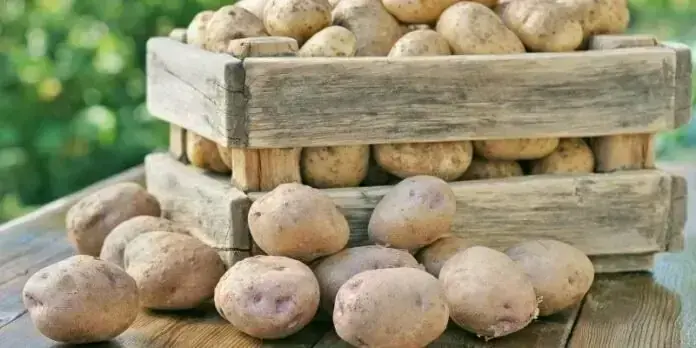
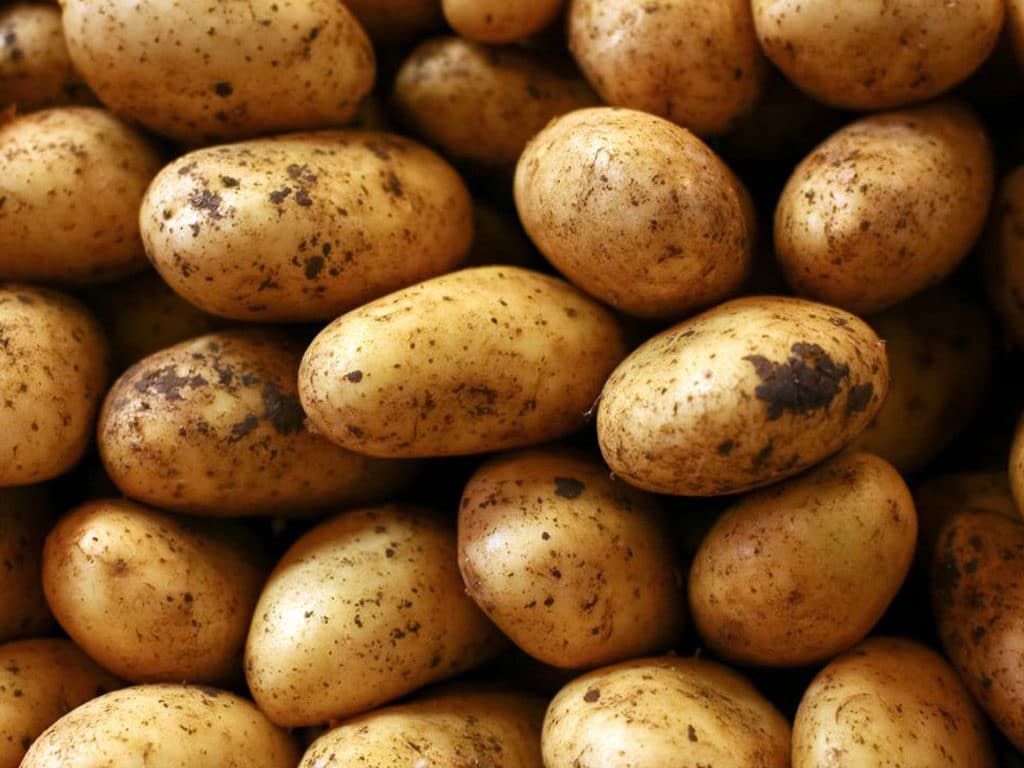
Pakistan is considering routing potato exports to Central Asia through China as regional tensions disrupt traditional trade corridors and increase transportation costs for exporters.

The proposal was discussed during the fourth meeting of the Committee on Potato Export, chaired by Federal Minister for National Food Security and Research Rana Tanveer Hussain to review the evolving export situation and finalise measures aimed at protecting farmers' interests.

Participants were informed that the prevailing war-like situation in Iran has rendered traditional transit routes unsafe, while the closure of the Afghanistan border has significantly restricted overland connectivity with Central Asian markets. At the same time, limited access to certain Gulf routes has further complicated export operations for Pakistani traders.

In view of these developments, the committee reviewed alternative and viable corridors to sustain export momentum. Officials noted that, under the current circumstances, the most feasible option for accessing Central Asian markets is through China.
 

Soyabean oil import down 42.27pc in seven months​

By Staff Reporter | The Nation
Mar 2, 2026

ISLAMABAD - The import of soyabean oil into the country during the first seven months of the current financial year decreased by 42.27 percent as compared to the import of the corresponding period of the last year.

During the period from July-January, 2025-26, about 85,771 metric tons of soyaban oil costing $94.991 million was imported in order to fulfill the local consumption, according to the data of the Pakistan Bureau of Statistics.

The soyabean oil import into the country during the seven months of the last financial year was recorded at 94,991 metric tons valued at164.550 million, it added.

Meanwhile, the import of palm oil into the country during the first seven months of the current financial year increased by 24.28 percent as 2.182 million metric tons of the above-mentioned commodity costing $2.350 billion was imported to fulfill the local requirements of edible oil and vegetable ghee.
 

PM Shehbaz Sharif highlights agriculture, food security as pillars of economic stability, Chinese expertise to play key role​

By Shafqat Ali | Gwadar Pro
Mar 6, 2026

ISLAMABAD: Pakistani Prime Minister Shehbaz Sharif has underscored the critical importance of agriculture and food security as foundational pillars of Pakistan’s economy, stressing that sustainable growth in these sectors is essential for national stability and prosperity.

During a high-level briefing on the Ministry of National Food Security and Research on Thursday afternoon, the Prime Minister directed officials to strengthen consultations with provincial governments, as well as with the administrations of Gilgit-Baltistan and Azad Jammu and Kashmir, to implement an inclusive agricultural roadmap. He also encouraged engagement with Pakistani scholars trained in China, leveraging their expertise to modernize domestic agricultural practices.

The meeting highlighted the Strategic Roadmap for Agriculture and Food Security, designed around five key pillars: enhancing food security, mobilizing the private sector for export growth, improving water governance, promoting climate-resilient crops, and coordinating research efforts. The roadmap also includes the creation of a National Food and Agriculture Security Council across all federal units.
 

40,000 acres of commercial olive orchards planned under new Rs6.6bn project

APP
March 8, 2026

ISLAMABAD: The Ministry of National Food Security and Research (MNFSR) has proposed a Rs 6,598 million nationwide project to establish commercial olive orchards on 40,000 acres as part of efforts to strengthen and uplift Pakistan’s olive value chain.

According to an official document available with Wealth Pakistan, the three-year initiative titled “Strengthening/Uplifting of Olive Value Chain in Pakistan – Phase III” will run from July 2026 to June 2029 and will be implemented across the country through the Pakistan Oilseed Development Board in collaboration with national and provincial institutions.

A key component of the initiative is the establishment of commercial, cluster-based olive orchards on 40,000 acres of farmer and public land in identified agro-ecological zones. The project aims to organize olive cultivation on a larger scale to support the development of the country’s olive industry.

To improve water-use efficiency and climate resilience in olive cultivation, drip irrigation systems will be installed on 10,000 acres of olive orchards. The project also plans to rehabilitate around 0.3 million wild olive trees through community-managed grafting in identified areas.
 
Among the key deliverables of the project are the establishment of cluster-based commercial olive plantations,

rehabilitation of wild olive trees through grafting, installation of drip irrigation systems and development of skilled human resources across the olive value chain.

The initiative will also introduce pilot projects for value addition and by-product utilization to improve commercialization in the sector. In addition, a digital geospatial mapping and monitoring system will be implemented to support the tracking and management of olive cultivation activities.

The proposed activities are aligned with the 13th Five-Year Plan, the United Nations Sustainable Development Goals and the National Agriculture Innovation Growth Action Plan, focusing on exports, technological advancement, mechanization, financial support, infrastructure development, environmental sustainability, and equity and empowerment.
 

Users who are viewing this thread

Pakistan Defence Latest

Country Watch Latest

Back
Top