Auto surplus drives export urgency
500,000 units, 40% tariffs, supply chain gaps weaken demand, competitiveness
Usman Hanif
March 29, 2026
KARACHI: Pakistan has long advocated a shift towards private investment over public spending, in line with International Monetary Fund (IMF)-backed reforms since 1988. However, the country remains caught in a persistent cycle, as the private sector continues to demand key prerequisites, including security, a simplified regulatory framework and a lower cost of doing business, conditions that Pakistan has struggled to provide.
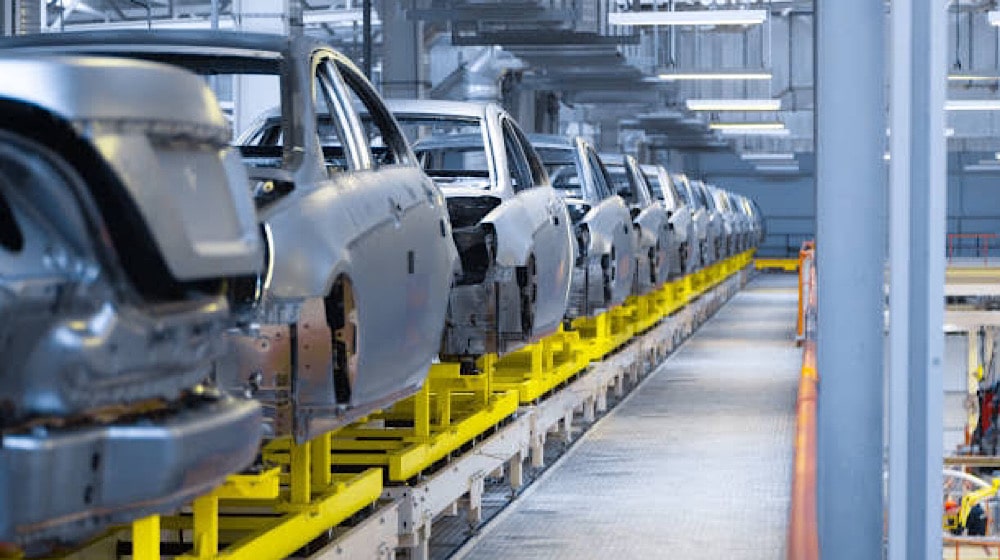
Despite this, in a rare development, the automobile sector is showing signs of capacity expansion, with installed capacity nearing 500,000 units, almost double the size of domestic demand.
While this creates an opportunity to tap export markets, industry stakeholders warn that deep-rooted structural weaknesses continue to undermine competitiveness, raising concerns about the sustainability of this growth.
Commenting on the current market scenario in a conversation with The Express Tribune, Toyota Indus Motor Chief Executive Officer Ali Asghar Jamali said, "We have the will and the capacity to manufacture vehicles that meet the standards of export markets, but achieving this requires a policy environment that encourages the development of raw material industries."
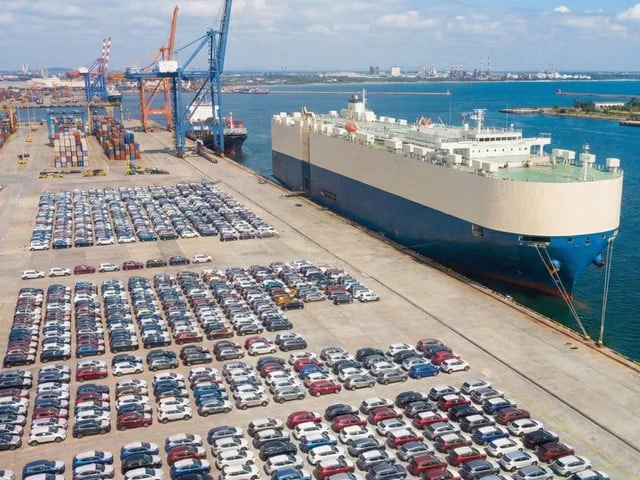
Trade barriers remain the biggest constraint on export prospects, as many potential destinations impose tariffs ranging from 10% to nearly 40%, putting Pakistani vehicles at a price disadvantage from the outset.
Meanwhile, regional competitors such as China, India and Thailand benefit from inclusive trade blocs and free trade arrangements that significantly reduce export costs.













 Can Pakistan Win Bangladesh’s Trust Without Apologizing for the Genocide of 1971? (3 Viewers)


 Chinese-made aircraft C919 marks two years of commercial operations, exceeds 2 million passengers (3 Viewers)