
AZADPAKISTAN2009
Elite Member


The starting point for this thread should be "Water Blocking" and act of war
Follow along with the video below to see how to install our site as a web app on your home screen.
Note: This feature may not be available in some browsers.
 www.rusi.org
With Indian hostilities led by the RSS BJP Hindu fundamentalists group of trying to undermine and attack Pakistan under various false pretexts - Pakistan needs to support these groups, divide and conquer so that when they initiate a conflict it'll be easier to take Indian occupied Kashmir and give freedom to other suppressed/oppressed groups:
India has experienced several insurgencies since its independence in 1947, driven by ethnic, ideological, religious, and regional factors. Here's a list of the major insurgencies:
1. Naga Insurgency (Since 1956)
- Region:Nagaland and surrounding areas in Northeast India.
- Cause: Demand for an independent Naga homeland.
- Groups: National Socialist Council of Nagaland (NSCN-IM, NSCN-K).
- Status: Ongoing peace talks with the Indian government; ceasefire agreements in place.
2. Mizo Insurgency (1966–1986)
- Region: Mizoram.
- Cause: Dissatisfaction with central response to famine; demand for independence.
- Group: Mizo National Front (MNF).
- Status: Ended with the 1986 Mizoram Peace Accord; MNF became a political party.
3. Naxalite–Maoist Insurgency (Since 1967)
- Region: Central and Eastern India (the "Red Corridor").
- Cause: Left-wing extremism; fight against perceived exploitation of tribal and rural populations.
- Groups: Communist Party of India (Maoist) and others.
- Status: Ongoing; significantly weakened but still active in some areas.
4. Khalistan Movement (1980s–1990s)
- Region: Punjab.
- Cause: Demand for a separate Sikh homeland, "Khalistan".
- Groups: Babbar Khalsa, Khalistan Commando Force, etc.
- Status: Largely suppressed by the mid-1990s; sporadic support from diaspora.
5. Kashmir Insurgency (Since 1989)
- Region: Jammu and Kashmir.
- Cause: Disputed status of Kashmir; demand for independence or merger with Pakistan.
- Groups: Hizbul Mujahideen, Lashkar-e-Taiba, Jaish-e-Mohammed.
- Status: Ongoing; Article 370 abrogation in 2019 changed the political landscape.
6. Assam Insurgency (Since 1979)
- Region: Assam.
- Cause: Anti-immigrant sentiment; demand for sovereignty.
- Groups: United Liberation Front of Asom (ULFA).
- Status: Weakened; many leaders have surrendered or joined peace talks.
7. Tripura Insurgency (1980s–2000s)
- Region: Tripura.
- Cause: Ethnic tensions between indigenous tribes and Bengali settlers.
- Groups: National Liberation Front of Tripura (NLFT), All Tripura Tiger Force (ATTF).
- Status: Mostly dormant; peace restored through negotiations.
8. Gorkhaland Movement (Intermittent since 1980s)
- Region: Darjeeling and Kalimpong (West Bengal).
- Cause: Demand for a separate Gorkhaland state.
- Groups: Gorkha Janmukti Morcha (GJM), Gorkha National Liberation Front (GNLF).
- Status: Political in nature; periodic unrest but no active insurgency.
In addition to the major insurgencies already listed, here are some lesser-known or regionally significant insurgencies in India:
9. Bodoland Insurgency
- Region: Assam (Bodoland Territorial Region).
- Cause: Demand for a separate Bodoland state for the Bodo people.
- Groups: Bodo Liberation Tigers (BLT), National Democratic Front of Bodoland (NDFB).
- Status: Peace accords signed in 2003 and 2020; significant reduction in violence.
10. Manipur Insurgency
- Region: Manipur.
- Cause: Ethnic tensions and demand for independence or greater autonomy.
- Groups: People's Liberation Army (PLA), United National Liberation Front (UNLF), Kangleipak Communist Party (KCP).
- Status: Ongoing; intermittent violence and peace talks.
11. Meghalaya Insurgency
- Region: Meghalaya.
- Cause: Ethnic identity and autonomy for Khasi, Garo, and Jaintia tribes.
- Groups: Garo National Liberation Army (GNLA), Hynniewtrep National Liberation Council (HNLC).
- Status: Mostly subdued; sporadic incidents.
12. Karbi and Dimasa Insurgencies
- Region: Assam (Karbi Anglong and Dima Hasao districts).
- Cause: Ethnic identity and demand for separate states.
- Groups: United People's Democratic Solidarity (UPDS), Dima Halam Daogah (DHD).
- Status: Peace accords signed; groups disbanded or joined mainstream politics.
13. Tamil Nadu (LTTE Support)
- Region: Tamil Nadu.
- Cause: Sympathy and support for Tamil Eelam in Sri Lanka.
- Groups: No active insurgency, but LTTE had support networks.
- Status: Dormant since LTTE's defeat in Sri Lanka (2009).
14. Adivasi Militancy in Jharkhand and Odisha
- Region: Jharkhand, Odisha, Chhattisgarh.
- Cause: Tribal rights, land alienation, and exploitation.
- Groups: Jharkhand Liberation Tigers, People's Liberation Front of India (PLFI).
- Status: Often overlaps with Maoist insurgency; ongoing low-intensity conflict.
Pakistan needs to exploit/support/ignite these groups with moral support as the BJP Modi government has made things worse.
Security Approach:
The BJP-led government has taken a hardline stance on internal security, especially in Kashmir and against Maoists. This has led to reduced insurgent activity in some areas but also increased alienation in others.
- Kashmir:
The abrogation of Article 370 in 2019 was a landmark move. While it aimed to integrate Jammu & Kashmir more fully into India, it also led to heightened tensions, curfews, and communication blackouts. The long-term impact remains debated.
- Northeast: The BJP has pushed peace accords (e.g., with Bodo and Naga groups) and invested in infrastructure. However, ethnic tensions (like the 2023 Manipur violence) have raised concerns about governance and communal harmony.
- Criticism: Critics argue that the BJP's majoritarian politics and centralised decision-making have sometimes exacerbated regional grievances, especially among minorities and tribal communities.
Pakistan as part of its strategy needs to give moral support - weaken the cohesion of this hostile Indian nation. Whilst maintaining it's conventional capabilities of taking back Indian occupied Kashmir and thereby safeguarding it's waters.

I have seen some twitter posts by the hindutvas to visit the people’s land who look like chinese to conquer and rape them….. it was all over the twitter… i think they are talking about assam/ arunachal pplThis was quite detailed account of issues in India with Minorities

Jango Bhai, don't post such articles...Here we go....This is as close as we will get to UK officially providing the information about the war....ENJOY....
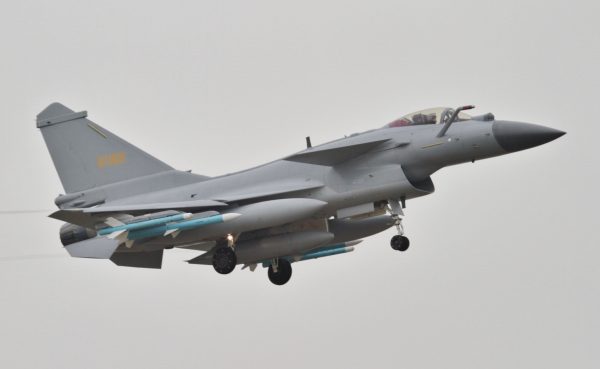
"The first is that during the engagements, Pakistani forces fired a significant number of PL-15 air-to-air missiles from either J-10CE and/or potentially JF-17 fighters, as well as a number of HQ-9 long range surface-to-air missiles.
The second is that the Indian Air Force suffered several fighter losses, including one Dassault Rafale, one Mig-29 and likely a Su-30MKI among one or two additional losses for which no definitive wreckage has been seen in open source.
Third, the Indian Air Force was consistently able to penetrate Pakistani air defences with air-launched standoff munitions to strike a range of terrorist-linked and military sites, despite heavy and well-coordinated defences.
Fourth, the assistance provided by China to Pakistani forces in terms of both technical equipment provision and also intelligence and C2 support enabled the Pakistani forces to perform significantly better against the Indian Air Force than the latter had anticipated.
The specific downing of a relatively newly delivered Rafale has, naturally, led many Pakistani and Chinese sources to proclaim a great victory for Chinese fighter aircraft and missile technology over French (and potentially wider Western) equivalents. Dassault’s share price has fallen significantly since the engagements, while that of Chengdu – the manufacturer of the J-10CE – has risen."
Key Questions about the India-Pakistan Aerial Clashes
There is a risk of drawing the wrong conclusions about Chinese and Western air capabilities from the recent clashes if Indian fighter losses are looked at without close examination of the wider operational picture.
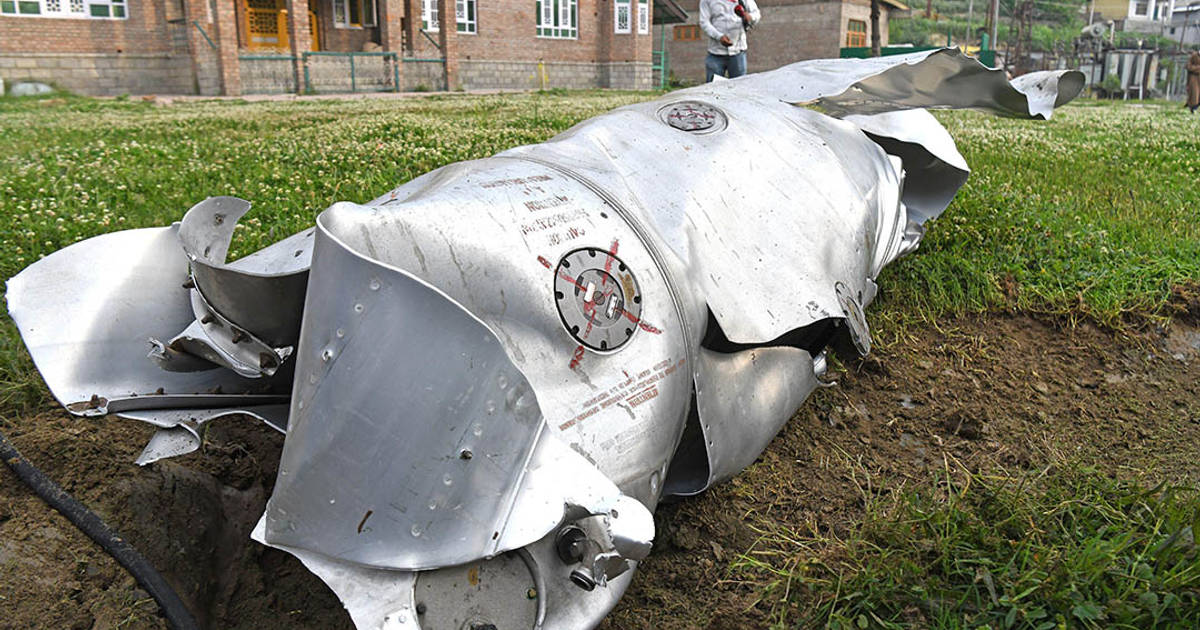
Even their Universal park has a jet crash attraction.
What a circus
 www.facebook.com
 let others look at it themselves.. shhhh
Even their Universal park has a jet crash attraction.
What a circus

QuestionableYup, a retd Air Marshal said a total of 50-60 BVRs were fired. I do not know if those were fired only by PAF or collectively (total) by both sides
Here is the problem with the west (read USA and NATO ). They cannot fathom or digest the fact that one of their key assets Rafale was shot down by Chinese made fighters of so called "inferior quality ".Here we go....This is as close as we will get to UK officially providing the information about the war....ENJOY....
"The first is that during the engagements, Pakistani forces fired a significant number of PL-15 air-to-air missiles from either J-10CE and/or potentially JF-17 fighters, as well as a number of HQ-9 long range surface-to-air missiles.
The second is that the Indian Air Force suffered several fighter losses, including one Dassault Rafale, one Mig-29 and likely a Su-30MKI among one or two additional losses for which no definitive wreckage has been seen in open source.
Third, the Indian Air Force was consistently able to penetrate Pakistani air defences with air-launched standoff munitions to strike a range of terrorist-linked and military sites, despite heavy and well-coordinated defences.
Fourth, the assistance provided by China to Pakistani forces in terms of both technical equipment provision and also intelligence and C2 support enabled the Pakistani forces to perform significantly better against the Indian Air Force than the latter had anticipated.
The specific downing of a relatively newly delivered Rafale has, naturally, led many Pakistani and Chinese sources to proclaim a great victory for Chinese fighter aircraft and missile technology over French (and potentially wider Western) equivalents. Dassault’s share price has fallen significantly since the engagements, while that of Chengdu – the manufacturer of the J-10CE – has risen."
Key Questions about the India-Pakistan Aerial Clashes
There is a risk of drawing the wrong conclusions about Chinese and Western air capabilities from the recent clashes if Indian fighter losses are looked at without close examination of the wider operational picture.

I think collectively since Indian BVR lack in range so no worries from our side.Questionable
That’s too many missiles for six jets… i highly doubt it…Yup, a retd Air Marshal said a total of 50-60 BVRs were fired. I do not know if those were fired only by PAF or collectively (total) by both sides
India fired more in a desperate attempt since they are lacking in range. As per credible source we are getting 30 jets before or on August with PL-17 range of 400 Kms.That’s too many missiles for six jets… i highly doubt it…
So no debris found by our side of any missile fired by those terrorists? How come !!India fired more in a desperate attempt since they are lacking in range. As per credible source we are getting 30 jets before or on August with PL-17 range of 400 Kms.


