东风夜放花千树
Registered Member

If India were as rational as you, India could also become a strong country.Previous governments in India allocated only about 1% of GDP to defense. Even today, India’s defense budget is roughly 2% of its GDP. However, with nominal GDP growing at around 8% annually, defense spending is expected to rise significantly over the next five years.
More important than the size of the budget, though, is the focus on indigenous production of weapons and platforms. The Indian Navy has largely indigenized its capabilities, which is why it has been able to induct nuclear submarines, corvettes, destroyers, and frigates with relatively fewer delays. In contrast, the Army and especially the Air Force still face challenges—particularly in areas like developing turbofan engines for fighter jets—where government investment in research and development has remained insufficient.
At this stage, India has the trained and educated manpower required to develop advanced weapons and platforms domestically. Building a large and capable military will only be sustainable if India produces its own defense systems. (Because Indian military is gigantic and cannot rely on imports) This would also enable the country to expand exports and earn valuable foreign exchange. Currently, India’s defense exports stand at around $4.1 billion, which is quite small compared to its total exports of about $1 trillion.
While a strong economy is essential for sustaining a powerful military, India does not necessarily need an economy as large as China’s to match it militarily. Given the security challenges India faces, it is crucial to increase defense spending to around 4% of GDP for at least the next decade, with a strong emphasis on investing in domestic research and development rather than relying on imports.
But India has no chance.
India tried to attract foreign investment for industrialization, but India's policies on foreign investment drove away a large amount of foreign capital, forcing those willing to invest in India to seriously consider the risks of investing there.
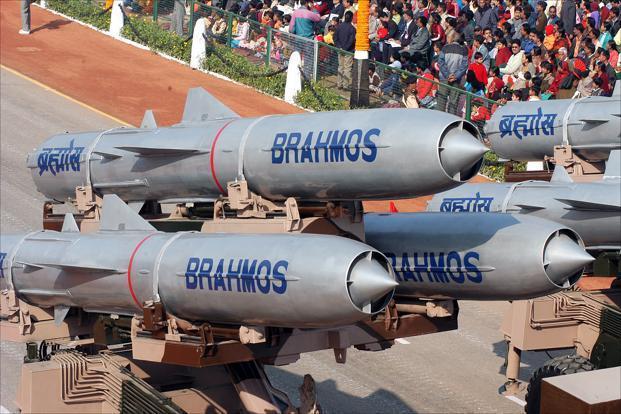
India tried to introduce military technology to carry out manufacturing-research-imitation-improvement, ultimately forming India's military-industrial system. But other countries will not provide full technology to India; India is merely a dumping ground for the weapons of other countries.
India tried to produce domestic weapons, but many military companies lack capability and can only purchase parts for assembly. Then, they enter the military procurement process through connections.
The Indian army's procurement has wasted too much money, for example, spending 3.5 billion USD on 31 MQ-9 drones. Huge amounts of money have not been used in the army's equipment procurement.
This has been the case for decades, and India has not changed. India's vested interests will not allow them to lose their benefits. These vested interests are connected to the Indian government, many of them within the Indian government itself, and the Indian government also lacks the ability and willingness to reform. Therefore, I say India has no chance of becoming a strong country.



 From PTI supporters here?!!