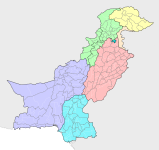
Pakistan's New Provinces Plan ?

Start from Balochistan.

But finish the job for whole of Pakistan in less than 3 months.

Politics in pakistan is very unpredictable.

You never know who is in power tomorrow.

Every powerful leader, has to go someday.

No one stays forever.

And the Politicians would want to throw the current unelected strongman, as soon as possible.

Don't give time to your opponents or specifically opponents of pakistan, living within pakistan or abroad, to adjust to the new realities of 32 or 33 administrative divisions.

The sooner changes are implemented, the better.

It will be chaotic, but better than what is already happening in pakistan.

Calm before the storm?
Light at the end of the tunnel?

If change has to come, then, it must come now, no matter the hardships that must be endured for the betterment of future generations and this country as a whole.

NFC must be sorted too.
Population's share shouldn't exceed 30% share.
30% share given to revenue generation so that revenue generation is stable and enhanced, at the source.
Poverty 10%.

Desperate times call for Desperate measures.

Nothing is certain or absolute.
If change has to come, then, it must come today, it must come now. Not tomorrow or day after.

Act now before it's too late.
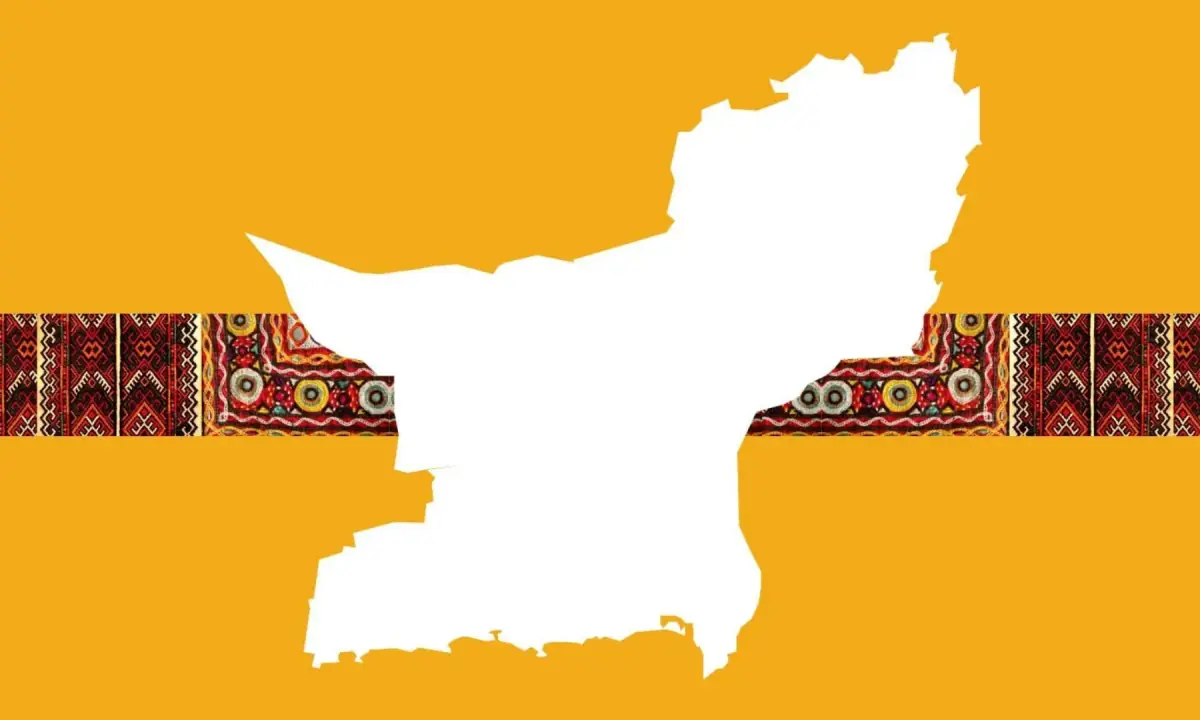
 

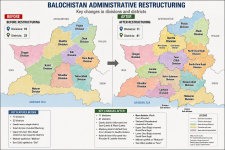
The Balochistan government has announced several measures to restructure administrative units in the province, including splitting Quetta district into East Quetta and West Quetta, it emerged on Saturday.
 

Attachments

  • ChatGPT Image Jul 12, 2026, 04_34_08 PM.png
    ChatGPT Image Jul 12, 2026, 04_34_08 PM.png
    2.1 MB · Views: 1
Start from Balochistan.

But finish the job for whole of Pakistan in less than 3 months.

Politics in pakistan is very unpredictable.

You never know who is in power tomorrow.

Every powerful leader, has to go someday.

No one stays forever.

And the Politicians would want to throw the current unelected strongman, as soon as possible.

Don't give time to your opponents or specifically opponents of pakistan, living within pakistan or abroad, to adjust to the new realities of 32 or 33 administrative divisions.

The sooner changes are implemented, the better.

It will be chaotic, but better than what is already happening in pakistan.

Calm before the storm?
Light at the end of the tunnel?

If change has to come, then, it must come now, no matter the hardships that must be endured for the betterment of future generations and this country as a whole.

NFC must be sorted too.
Population's share shouldn't exceed 30% share.
30% share given to revenue generation so that revenue generation is stable and enhanced, at the source.
Poverty 10%.

Desperate times call for Desperate measures.

Nothing is certain or absolute.
If change has to come, then, it must come today, it must come now. Not tomorrow or day after.

Act now before it's too late.
Bro...

You said it all.

Couldn't say better than that.
 
Just check his arrogance.

To view this content we will need your consent to set third party cookies.
For more detailed information, see our cookies page.


Establishment needs to realize that PPP is the only real obstacle here.

These bloody feudals are already planning something nefarious against this strategic initiative.

A hammer is needed here

This Bhutto family is literally holding our powerful nuclear country hostage, not allowing any progress and creating deliberate trouble here and there to put pressure on the establishment. Watch out for their B teams - Sindhi nationalists

Speed and momentum is the key here.

Rawalpindi needs to go full throttle here

Opportunity and time does not wait for anyone, this needs to be done, once and for all.

As soon as the 1st new province is created - momentum starts, then no one can stop it.
 
34 Economic Zones blueprint is the best solution for Pakistan.
I agree the basis has to start with economics first; Pakistan already has 171 districts. Before creating any new provinces, these districts need to audited and made sure to be running properly. Otherwise creating new provinces is just a “divide and rule” strategy by the status quo beneficiaries.

After a proper audit, linking up districts to form new smaller provinces, which maximize economic growth and human development can be formed without risking it becoming kabuki theater.

1785590492598.png
 
I agree the basis has to start with economics first; Pakistan already has 171 districts. Before creating any new provinces, these districts need to audited and made sure to be running properly. Otherwise creating new provinces is just a “divide and rule” strategy by the status quo beneficiaries.

After a proper audit, linking up districts to form new smaller provinces, which maximize economic growth and human development can be formed without risking it becoming kabuki theater.

View attachment 209010

The idea that Pakistan should “create more provinces” after auditing 171 districts sounds neat, technical, and responsible. But in reality, it is structurally flawed, economically destructive, and politically naïve. More provinces do not fix Pakistan, they multiply the disease.

1. More provinces = more bureaucracies = more bleeding

And honestly, I don’t understand why the establishment and all the economists in Pakistan can NOT figure this out. It’s basic math, basic governance, basic common sense.

1. More provinces = multiplying the cancer, not curing it

Pakistan’s biggest economic wound is provincial overhead, four massive bureaucratic empires duplicating every function.

Creating more provinces means:

• more chief ministers
• more cabinets
• more assemblies
• more ministries
• more departments
• more authorities
• more budgets
• more political patronage networks

This is not reform.
This is expanding the tumor.

It’s like having a wound in your leg and saying:

“Let’s create more wounds so we have more doctors, more bandages, and more committees to discuss the wounds.”

That’s not healing.
That’s institutional self‑harm.

2. New provinces don’t solve the core problem, they replicate it

Every new province will immediately create:

• its own health department
• its own education department
• its own agriculture department
• its own planning commission
• its own revenue board
• its own land authority

Pakistan already cannot afford the four it has.
Adding more is like adding more holes to a sinking ship.

This is why the idea is counterproductive, it multiplies the very overhead that is killing Pakistan.

3. District audits are irrelevant when the real chokehold is provincial power

Districts cannot be “fixed” because they don’t control anything.
They are administrative clerks trapped under provincial chokeholds.

Auditing districts while expanding provinces is like:

“Let’s inspect the bandages while ignoring the infection.”

The infection is provincial governance, not district mismanagement.

4. More provinces = more political fragmentation, not economic growth

Every new province becomes:

• a new ethnic identity battleground
• a new political monopoly
• a new patronage hub
• a new resource‑control fight
• a new center of corruption

Pakistan’s political class will weaponize every new province for:

• seats
• budgets
• ministries
• control over land
• control over police
• control over bureaucracy

This is not decentralization.
This is expanding the kabuki theater.

5. Economic zones outperform provinces because they remove politics from governance

The only model that works, globally and mathematically is economic zones, not political provinces.

Economic zones:

• eliminate bureaucratic duplication
• eliminate provincial veto power
• eliminate ethnic politics
• eliminate feudal monopolies
• eliminate political patronage networks
• eliminate overhead waste

They focus on:

• industry
• logistics
• taxation
• exports
• human development
• infrastructure

Provinces focus on:

• politics
• identity
• patronage
• control
• bureaucracy

One builds economies.
The other builds empires.

6. More provinces = more wounds, not more healing

Pakistan is already bleeding from four oversized provinces.
Creating more provinces is like creating more wounds and calling it “treatment.”

The country doesn’t need more provinces.
It needs less provincial power, less overhead, less duplication, less political fragmentation.

Pakistan needs structural surgery, not cosmetic redrawing of maps.

More provinces do not fix Pakistan.
They multiply the overhead, expand the bureaucracy, increase political fragmentation, and strengthen the status quo.

The solution is not “more provinces.”
The solution is replacing provinces with economic zones that maximize growth, efficiency, and human development.

More provinces = more wounds.

Economic zones = actual healing. Saving of 22 billion dollars annually.

Awam wants relief and establishment wants more bureaucracy.
 
To view this content we will need your consent to set third party cookies.
For more detailed information, see our cookies page.
 
The idea that Pakistan should “create more provinces” after auditing 171 districts sounds neat, technical, and responsible. But in reality, it is structurally flawed, economically destructive, and politically naïve. More provinces do not fix Pakistan, they multiply the disease.

1. More provinces = more bureaucracies = more bleeding

And honestly, I don’t understand why the establishment and all the economists in Pakistan can NOT figure this out. It’s basic math, basic governance, basic common sense.

1. More provinces = multiplying the cancer, not curing it

Pakistan’s biggest economic wound is provincial overhead, four massive bureaucratic empires duplicating every function.

Creating more provinces means:

• more chief ministers
• more cabinets
• more assemblies
• more ministries
• more departments
• more authorities
• more budgets
• more political patronage networks

This is not reform.
This is expanding the tumor.

It’s like having a wound in your leg and saying:

“Let’s create more wounds so we have more doctors, more bandages, and more committees to discuss the wounds.”

That’s not healing.
That’s institutional self‑harm.

2. New provinces don’t solve the core problem, they replicate it

Every new province will immediately create:

• its own health department
• its own education department
• its own agriculture department
• its own planning commission
• its own revenue board
• its own land authority

Pakistan already cannot afford the four it has.
Adding more is like adding more holes to a sinking ship.

This is why the idea is counterproductive, it multiplies the very overhead that is killing Pakistan.

3. District audits are irrelevant when the real chokehold is provincial power

Districts cannot be “fixed” because they don’t control anything.
They are administrative clerks trapped under provincial chokeholds.

Auditing districts while expanding provinces is like:

“Let’s inspect the bandages while ignoring the infection.”

The infection is provincial governance, not district mismanagement.

4. More provinces = more political fragmentation, not economic growth

Every new province becomes:

• a new ethnic identity battleground
• a new political monopoly
• a new patronage hub
• a new resource‑control fight
• a new center of corruption

Pakistan’s political class will weaponize every new province for:

• seats
• budgets
• ministries
• control over land
• control over police
• control over bureaucracy

This is not decentralization.
This is expanding the kabuki theater.

5. Economic zones outperform provinces because they remove politics from governance

The only model that works, globally and mathematically is economic zones, not political provinces.

Economic zones:

• eliminate bureaucratic duplication
• eliminate provincial veto power
• eliminate ethnic politics
• eliminate feudal monopolies
• eliminate political patronage networks
• eliminate overhead waste

They focus on:

• industry
• logistics
• taxation
• exports
• human development
• infrastructure

Provinces focus on:

• politics
• identity
• patronage
• control
• bureaucracy

One builds economies.
The other builds empires.

6. More provinces = more wounds, not more healing

Pakistan is already bleeding from four oversized provinces.
Creating more provinces is like creating more wounds and calling it “treatment.”

The country doesn’t need more provinces.
It needs less provincial power, less overhead, less duplication, less political fragmentation.

Pakistan needs structural surgery, not cosmetic redrawing of maps.

More provinces do not fix Pakistan.
They multiply the overhead, expand the bureaucracy, increase political fragmentation, and strengthen the status quo.

The solution is not “more provinces.”
The solution is replacing provinces with economic zones that maximize growth, efficiency, and human development.

More provinces = more wounds.

Economic zones = actual healing. Saving of 22 billion dollars annually.

Awam wants relief and establishment wants more bureaucracy.
The point of creating new provinces, if deemed necessary on the basis of maximizing growth and human development, is about amenable distribution of resources, and incentivizing those administrators currently at lower levels of governance; to take up higher office and move up to the national level; parliament on a meritocratic basis. 4-5 large provinces concentration resources and power into small areas at the expense of areas where growth with the right oversight can take off.

Some of these areas would be areas along major railways, roadways, power lines, and cheaper land for building industrial plants. There are also some areas that are locked into disputes where other areas are ready and open for business. Growth in one area may incentivize the deadlocked area to find a solution to there problem and reform to be open for business as well.

Economic zones without the proper administrative/governmental oversight is the current problem all over again. Monopolistic businesses are aloud to take subsidies without generating adequate ROI.

I agree, we need to cut the protocol we give to beuarocrats, so we don’t trade in 4-5 provincial elites for dozens of equally large or overcompensated officials.

But these are just some of my well meaning thoughts, albeit possibly naive. If a better solution can be devised, all the more power to them.
 
The point of creating new provinces, if deemed necessary on the basis of maximizing growth and human development, is about amenable distribution of resources, and incentivizing those administrators currently at lower levels of governance; to take up higher office and move up to the national level; parliament on a meritocratic basis. 4-5 large provinces concentration resources and power into small areas at the expense of areas where growth with the right oversight can take off.

Some of these areas would be areas along major railways, roadways, power lines, and cheaper land for building industrial plants. There are also some areas that are locked into disputes where other areas are ready and open for business. Growth in one area may incentivize the deadlocked area to find a solution to there problem and reform to be open for business as well.

Economic zones without the proper administrative/governmental oversight is the current problem all over again. Monopolistic businesses are aloud to take subsidies without generating adequate ROI.

I agree, we need to cut the protocol we give to beuarocrats, so we don’t trade in 4-5 provincial elites for dozens of equally large or overcompensated officials.

But these are just some of my well meaning thoughts, albeit possibly naive. If a better solution can be devised, all the more power to them.

Let me try to explain it again.

1. Provinces do NOT distribute resources, they hoard them

You claim: “New provinces will distribute resources more evenly.”

The reality: Provinces are political monopolies, not development engines. They hoard:
  • budgets
  • land authority
  • taxation power
  • policing
  • hiring
  • industrial approvals
Creating more provinces simply creates more monopolies.

You don’t fix resource hoarding by multiplying the hoarders.

Economic Zones (My EZ model) solve this by distributing resources based on:
  • logistics
  • export potential
  • industrial corridors
  • population clusters
  • infrastructure grids
Zones distribute based on data, not politics.

2. Provinces do NOT create meritocracy, they create more patronage seats

You claim: “New provinces will incentivize administrators to rise on merit.”

The reality: Every new province creates:
  • a new chief minister
  • a new cabinet
  • a new assembly
  • dozens of new ministries
  • thousands of patronage jobs
This is not meritocracy. This is expanding the political job market.

Meritocracy comes from performance‑based zone administration (My EZ Model), where:
  • promotions depend on export growth
  • budgets depend on industrial output
  • administrators are evaluated on KPIs, not political loyalty
Zones reward competence. Provinces reward connections.

3. Provinces do NOT provide oversight; they are the reason oversight fails

You claim: “Economic zones need provincial oversight.”

The reality: Provinces are the single biggest obstacle to industrial growth. They politicize:
  • land acquisition
  • taxation
  • subsidies
  • industrial permits
  • energy allocation
  • policing
  • environmental approvals
This is why zones fail today; they are trapped under provincial veto power.

Zones only work when they are freed from provincial interference and governed by:
  • technical administrators
  • export boards
  • logistics planners
  • industrial regulators
Oversight must be professional, not political.

4. More provinces = more overhead, more bureaucracy, more waste

You claim: “New provinces will reduce concentration of power.”

The reality: More provinces = more overhead:
  • more assemblies
  • more ministries
  • more secretariats
  • more departments
  • more budgets
  • more protocol
  • more political fragmentation
You don’t reduce elite concentration by creating more elites.

Removing provinces eliminates:
  • 4 chief ministers
  • 4 cabinets
  • 4 assemblies
  • 4 planning commissions
  • 4 revenue boards
  • 4 land authorities
  • 4 bureaucratic empires
This is how you shrink overhead, not by multiplying it.

5. Economic Zones outperform provinces because they are built around growth, not politics

Provinces are political units. Economic Zones (My EZ Model) are production units.

Zones are designed around:
  • railways
  • highways
  • ports
  • industrial corridors
  • energy grids
  • export clusters
Provinces are designed around:
  • ethnic boundaries
  • political constituencies
  • patronage networks
  • bureaucratic empires
One builds economies. The other builds politics.

6. The core structural truth: Pakistan’s problem is not the number of provinces, it is the existence of provinces

Provinces are the bottleneck, not the solution.

They:
  • duplicate governance
  • centralize power
  • block reforms
  • politicize development
  • weaken districts
  • suffocate economic zones
Removing provinces is not radical, it is structural surgery.

Replacing them with 34 Economic Zones:
  • eliminates duplication
  • decentralizes power
  • aligns governance with logistics
  • creates meritocratic promotion pathways
  • unlocks industrial growth
  • reduces political fragmentation
  • cuts bureaucratic overhead
  • maximizes exports
This is how modern states grow.

More provinces multiply the disease.
Economic Zones remove the disease.


Removing provinces and shifting to 34 Economic Zones reduces administrative waste by
$22 billion dollars annually, and each zone operates as a targeted economic cluster optimized for logistics and industrial expansion. Choice is clear, adopt new modern governance system, or keep begging for 3 billion dollars.
 
I agree the basis has to start with economics first; Pakistan already has 171 districts. Before creating any new provinces, these districts need to audited and made sure to be running properly. Otherwise creating new provinces is just a “divide and rule” strategy by the status quo beneficiaries.

After a proper audit, linking up districts to form new smaller provinces, which maximize economic growth and human development can be formed without risking it becoming kabuki theater.

View attachment 209010
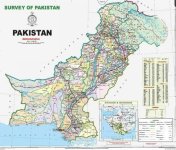
Please use correct map for Pakistan:
1000025065.jpg
 
The idea that Pakistan should “create more provinces” after auditing 171 districts sounds neat, technical, and responsible. But in reality, it is structurally flawed, economically destructive, and politically naïve. More provinces do not fix Pakistan, they multiply the disease.

1. More provinces = more bureaucracies = more bleeding

And honestly, I don’t understand why the establishment and all the economists in Pakistan can NOT figure this out. It’s basic math, basic governance, basic common sense.

1. More provinces = multiplying the cancer, not curing it

Pakistan’s biggest economic wound is provincial overhead, four massive bureaucratic empires duplicating every function.

Creating more provinces means:

• more chief ministers
• more cabinets
• more assemblies
• more ministries
• more departments
• more authorities
• more budgets
• more political patronage networks

This is not reform.
This is expanding the tumor.

It’s like having a wound in your leg and saying:

“Let’s create more wounds so we have more doctors, more bandages, and more committees to discuss the wounds.”

That’s not healing.
That’s institutional self‑harm.

2. New provinces don’t solve the core problem, they replicate it

Every new province will immediately create:

• its own health department
• its own education department
• its own agriculture department
• its own planning commission
• its own revenue board
• its own land authority

Pakistan already cannot afford the four it has.
Adding more is like adding more holes to a sinking ship.

This is why the idea is counterproductive, it multiplies the very overhead that is killing Pakistan.

3. District audits are irrelevant when the real chokehold is provincial power

Districts cannot be “fixed” because they don’t control anything.
They are administrative clerks trapped under provincial chokeholds.

Auditing districts while expanding provinces is like:

“Let’s inspect the bandages while ignoring the infection.”

The infection is provincial governance, not district mismanagement.

4. More provinces = more political fragmentation, not economic growth

Every new province becomes:

• a new ethnic identity battleground
• a new political monopoly
• a new patronage hub
• a new resource‑control fight
• a new center of corruption

Pakistan’s political class will weaponize every new province for:

• seats
• budgets
• ministries
• control over land
• control over police
• control over bureaucracy

This is not decentralization.
This is expanding the kabuki theater.

5. Economic zones outperform provinces because they remove politics from governance

The only model that works, globally and mathematically is economic zones, not political provinces.

Economic zones:

• eliminate bureaucratic duplication
• eliminate provincial veto power
• eliminate ethnic politics
• eliminate feudal monopolies
• eliminate political patronage networks
• eliminate overhead waste

They focus on:

• industry
• logistics
• taxation
• exports
• human development
• infrastructure

Provinces focus on:

• politics
• identity
• patronage
• control
• bureaucracy

One builds economies.
The other builds empires.

6. More provinces = more wounds, not more healing

Pakistan is already bleeding from four oversized provinces.
Creating more provinces is like creating more wounds and calling it “treatment.”

The country doesn’t need more provinces.
It needs less provincial power, less overhead, less duplication, less political fragmentation.

Pakistan needs structural surgery, not cosmetic redrawing of maps.

More provinces do not fix Pakistan.
They multiply the overhead, expand the bureaucracy, increase political fragmentation, and strengthen the status quo.

The solution is not “more provinces.”
The solution is replacing provinces with economic zones that maximize growth, efficiency, and human development.

More provinces = more wounds.

Economic zones = actual healing. Saving of 22 billion dollars annually.

Awam wants relief and establishment wants more bureaucracy.

There are 2 factors at play here,
One is the devolution of power,
second is what you are trying to illustrate.

It is true that the real cancer is in our civil services, and creating more administrative units will have more of the same overheads and same problems.

However change by it's nature is not an event, it's a process, and having multiple moving parts at the same time is too risky.

Let us have more units, and at the same time comeup with a plan to make our administrative services more lean
 
There are 2 factors at play here,
One is the devolution of power,
second is what you are trying to illustrate.

It is true that the real cancer is in our civil services, and creating more administrative units will have more of the same overheads and same problems.

However change by it's nature is not an event, it's a process, and having multiple moving parts at the same time is too risky.

Let us have more units, and at the same time comeup with a plan to make our administrative services more lean

The argument for “more administrative units + gradual civil service reform” is flawed because it multiplies the same broken system instead of fixing it. Devolution is political; governance restructuring is systemic and these two processes collide, not complement each other. Creating new units simply replicates corruption, bottlenecks, and patronage networks.

Real reform requires replacing the governance architecture, not trimming it. Pakistan’s civil service cannot become “lean” inside a structure designed to resist accountability. Western governance took over a century to mature; expecting Pakistan’s system to improve quickly with the same actors who caused collapse is unrealistic. The EZ model recognizes that governance transformation is a phased, insulated, controlled process not an ON/OFF switch and not achievable within the existing machinery.

expanding administrative units without structural reform multiplies failure; reforming civil services inside the current system is impossible; and meaningful governance change requires a new operating system, not patches to the old one.


COMPARATIVE GOVERNANCE FRAMEWORK: PROVINCIAL VS. 34-ZONE HYBRID MODEL


Governance Parameter
Current Provincial Setup (Status Quo)34-Zone Hybrid Economic Model
Administrative TiersFederal -> Provincial Capitals -> Divisions -> DistrictsFederal -> 34 Autonomous Economic Zones (Direct Digital Link)
Primary Bureaucratic FocusGeneralist cadre rotations, file-pushing, political patronage, and law-and-order maintenanceExport optimization, infrastructure integration, investor facilitation, and revenue generation
Decision-Making Latency6 to 18 months (Multi-departmental NOCs across provincial ministries)48 to 72 hours (Single-window digital zone authorities)
Fiscal LeakageHigh structural overhead (65–80% of provincial budgets consumed by salaries and pensions)Minimal (Lean corporate governance; automated digital workflow)
Economic AlignmentDisconnected from global value chains; fragmented sector governancePort-centric, sector-clustered, and corridor-anchored

THE FINANCIAL DRAIN OF THE STATUS QUO (THE BASELINE)

To understand the savings, we must measure the baseline waste. Pakistan’s four provincial administrations maintain over 2.3 million civil servants, with provincial wage and pension bills multiplying exponentially over the last decade:

  • The Salary & Pension Trap: Over 75% of provincial non-development budgets are swallowed by recurrent expenditures, leaving negligible capital for strategic infrastructure.
  • Redundant Secretariat Layers: Every province duplicates ministries (Agriculture, Industries, Labor, Environment, Local Government), creating thousands of redundant middle-management desk jobs that add zero economic value.
  • Friction Cost: Bureaucratic delays cost the industrial sector an estimated 2–3% of GDP annually in lost opportunity costs, delayed shipments, and compliance rent-seeking.

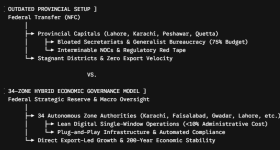
THE 34-ZONE ECONOMIC SAVINGS MODEL (DIAGRAMMATIC SCHEMATIC)

1785657277792.png

10-POINT ACTION PLAN FOR FISCAL RESTRUCTURING
  • Abolish Redundant Provincial Secretariats: Transition legislative and administrative authorities from four sprawling provincial capitals to 34 decentralized, sector-focused economic zones.
  • Implement Lean Corporate Zone Authorities: Replace generalist administrative cadres with specialized, private-sector-benchmarked management boards inside each zone.
  • Deploy Digital Single-Window (DSW) Governance: Eliminate human-to-human touchpoints for licensing, utility connections, and customs clearance, cutting bureaucratic processing time by 90%.
  • Rationalize Civil Service Headcount: Offer a targeted voluntary separation scheme (VSS) and digital retraining for surplus administrative staff, shifting personnel toward technical and trade education.
  • Consolidate Tax Collection Systems: Integrate zone-level revenue collection directly with federal digitization pipelines, eliminating intermediate corruption and collection leakages.
  • Optimize Recurrent Expenditure: Cap administrative overhead for each zone authority at a strict maximum of 5% of its generated operational revenue.
  • Unlock Port-Centric Efficiencies: Link coastal and interior zones directly to logistics corridors (Gwadar, Karachi Port, Port Qasim) to slash inland transit friction costs.
  • Institutionalize Zero-Based Budgeting: Mandate that all zone development funds be tied strictly to export volume growth and foreign direct investment (FDI) metrics.
  • Automate Labor and Environmental Compliance: Replace cumbersome manual inspections with IoT-driven telemetry and transparent digital auditing standards.
  • Establish the National Competitiveness Board: Monitor zone-level performance quarterly against international benchmarks (e.g., Vietnam, South Korea, UAE) to ensure global market agility.
RISK ASSESSMENT & STRATEGIC MITIGATION
  • Risk 1: Political Resistance from Provincial Stakeholders

    Mitigation: Frame the 34-Zone model not as an elimination of regional representation, but as an upgrade that guarantees higher revenue retention and localized financial autonomy for local districts.
  • Risk 2: Bureaucratic Pushback and Disruption

    Mitigation: Protect existing civil servants' basic pension rights while legally transitioning active regulatory power to the autonomous zone boards over a phased 36-month timeline.
  • Risk 3: Asset Transition and Jurisdictional Confusion

    Mitigation: Execute a clean legislative demarcation map where existing industrial estates and designated growth corridors are legally gazette as sovereign economic zones under federal macro-oversight.

LONG-TERM NATIONAL IMPACT (50–200 YEAR HORIZON)
  • Fiscal Dividend: Projected cumulative savings of $15 billion to $22 billion equivalent over the next decade through the elimination of bureaucratic duplication, redundant salaries, and corruption leakage.
  • Export Velocity: Unlocks a multi-fold surge in national exports by replacing generalized policy paralysis with sector-specific, plug-and-play manufacturing ecosystems.
  • Structural Permanence: Creates an unshakeable institutional framework that insulates Pakistan's economy from political cycles, ensuring two centuries of uninterrupted macro-competitiveness.


1st step is to bring Karachi Division, Gwadar, Pasni and Jiwani under Federal government.
 
Last edited:

Users who are viewing this thread

Back
Top