Pentagon Confirms Radarless F-35B Deliveries as Block 4 Crisis Threatens US Air Dominance in Indo-Pacific

Beijingwalker

VIP Member
Joined
Nov 4, 2011
Messages
92,270
Reaction score
113,081
Reputation
2,145.2
Country of Origin
Country of Residence

Pentagon Confirms Radarless F-35B Deliveries as Block 4 Crisis Threatens U.S. Air Dominance in Indo-Pacific

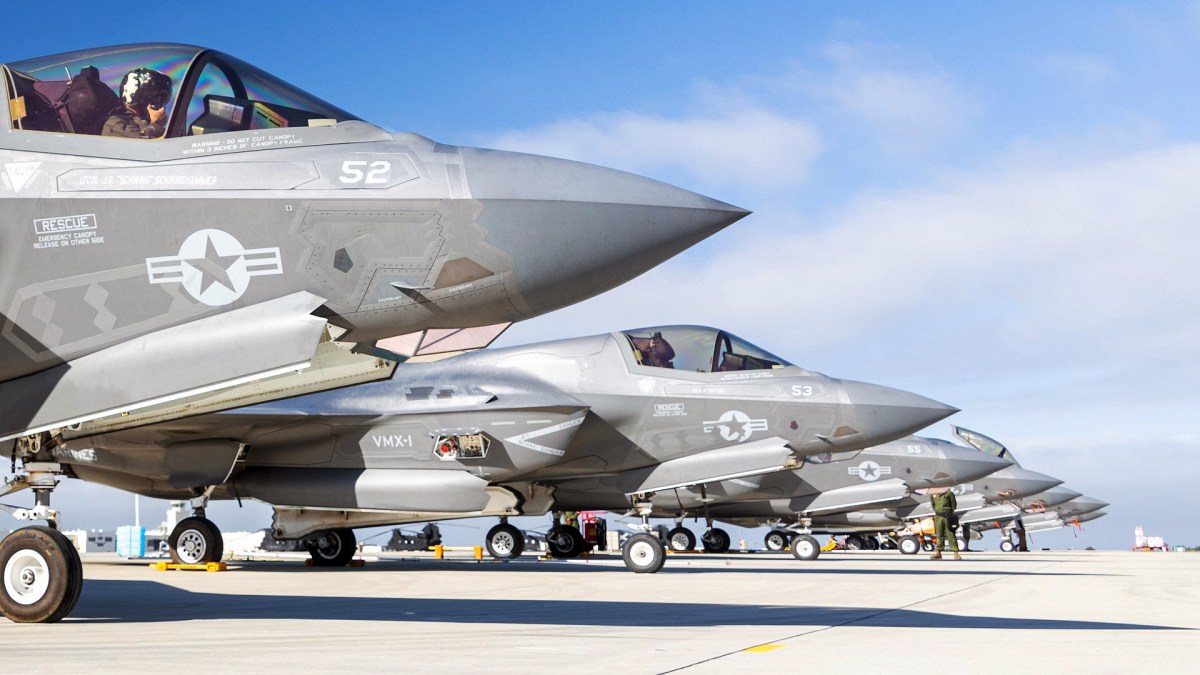
The Pentagon has confirmed that six U.S. Marine Corps F-35B stealth fighters were delivered without the AN/APG-85 AESA radar, exposing growing Block 4 modernization risks, degraded combat readiness, and mounting pressure on America’s Indo-Pacific airpower strategy.

On Jun 27, 2026

— The Pentagon has confirmed that six U.S. Marine Corps F-35B stealth fighters were delivered without their primary AN/APG-85 AESA radars, exposing deepening modernization risks inside America’s most strategically important fifth-generation combat aircraft programme.

The unprecedented acceptance of radarless F-35Bs marks a significant escalation in the concurrency risks surrounding the F-35 Joint Strike Fighter programme, particularly as the Pentagon attempts to field Block 4 capabilities while sustaining expanding Indo-Pacific force posture requirements.

Speaking before the Senate Armed Services Committee on June 23, F-35 Joint Program Office chief Marine Corps Lt. Gen. Gregory Masiello acknowledged the aircraft cannot be considered “fully mission capable” because they lack the fighter’s principal fire-control and targeting radar.

The six aircraft belong to Lot 17 production batches and were accepted by the Marine Corps earlier this year after acceptance testing reportedly began around February 2026 amid mounting delays surrounding the next-generation AN/APG-85 radar programme.

Instead of carrying operational radar arrays, the aircraft reportedly contain ballast weights installed inside the nose cone to preserve aerodynamic balance, center-of-gravity tolerances, and short takeoff and vertical landing flight characteristics required by the F-35B variant.

The decision transforms the aircraft into partially operational stealth airframes capable of limited flight training missions but unable to conduct full-spectrum combat operations expected from modern network-centric fifth-generation fighter platforms.

The development underscores intensifying Pentagon pressure to maintain F-35 production momentum despite unresolved Block 4 modernization bottlenecks involving radar integration, thermal management systems, software instability, sustainment shortfalls, and escalating lifecycle costs.

 

China Blinds American F-35? PLA Fighters Edge Out U.S. Jets in Active Combat​

Jun 29, 2026, 01:22:31 PM | TOI.in
To view this content we will need your consent to set third party cookies.
For more detailed information, see our cookies page.


The United States military has officially confirmed a jaw-dropping compromise in its premier stealth fighter fleet, admitting that it is accepting brand-new F-35 Lightning II aircraft completely lacking their primary radars.

Because Northrop Grumman’s next-generation AN/APG-85 AESA radar is running years behind schedule, the F-35 Joint Program Office has taken delivery of at least six Marine Corps F-35Bs with chunk blocks of literal ballast weights bolted into their nose cones just to preserve balance.

Incapable of independent long-range targeting or frontline combat deployments, these high-tech jets are being fielded as multi-million-dollar training placeholders while a massive maintenance logjam looms ahead of a projected 2028 radar rollout.


It’s Official: F-35s Are Now Being Delivered Without Radars

Delays in the delivery of new AN/APG-85 radars are deeply intertwined with other woes that continue to hound the F-35 program.
Joseph Trevithick
Published Jun 26, 2026 2:41 PM EDT

The U.S. military has now confirmed the acceptance of at least six F-35 Joint Strike Fighters for the U.S. Marine Corps without radars. This is due to issues tied to the development of the new AN/APG-85 radar, the first production lot of which is scheduled to be delivered in 2028. The prospect of radarless F-35s had first emerged publicly back in February. The AN/APG-85 is a critical component of the larger Block 4 upgrade package for all variants of the F-35, an effort that has been mired in cost growth and delays.

Marine Corps Lt. Gen. Gregory Masiello, head of the F-35 Joint Program Office (JPO), disclosed the acceptance of the six radarless F-35Bs at a hearing before members of the Senate Armed Services Committee earlier this week. This came as part of a larger back-and-forth between Masiello and Senator Mark Kelly, an Arizona Democrat and a retired naval aviator, about F-35 readiness rates across the U.S. Air Force, Marine Corps, and Navy, which have long been a point of concern.

Two weeks ago, the Government Accountability Office (GAO), a Congressional watchdog, released a report stating that the average F-35 full mission capable (FMC) rate across all variants had fallen from 38 to 25 percent between Fiscal Years 2020 and 2025. GAO defines FMC as an aircraft “that can perform all of its missions.” The F-35 JPO has not disputed GAO’s figures directly, but has openly disagreed with the methodology it uses to determine FMC.


It’s Official: F-35s Are Now Being Delivered Without Radars

Delays in the delivery of new AN/APG-85 radars are deeply intertwined with other woes that continue to hound the F-35 program.
Joseph Trevithick
Published Jun 26, 2026 2:41 PM EDT

The U.S. military has now confirmed the acceptance of at least six F-35 Joint Strike Fighters for the U.S. Marine Corps without radars. This is due to issues tied to the development of the new AN/APG-85 radar, the first production lot of which is scheduled to be delivered in 2028. The prospect of radarless F-35s had first emerged publicly back in February. The AN/APG-85 is a critical component of the larger Block 4 upgrade package for all variants of the F-35, an effort that has been mired in cost growth and delays.

Marine Corps Lt. Gen. Gregory Masiello, head of the F-35 Joint Program Office (JPO), disclosed the acceptance of the six radarless F-35Bs at a hearing before members of the Senate Armed Services Committee earlier this week. This came as part of a larger back-and-forth between Masiello and Senator Mark Kelly, an Arizona Democrat and a retired naval aviator, about F-35 readiness rates across the U.S. Air Force, Marine Corps, and Navy, which have long been a point of concern.

Two weeks ago, the Government Accountability Office (GAO), a Congressional watchdog, released a report stating that the average F-35 full mission capable (FMC) rate across all variants had fallen from 38 to 25 percent between Fiscal Years 2020 and 2025. GAO defines FMC as an aircraft “that can perform all of its missions.” The F-35 JPO has not disputed GAO’s figures directly, but has openly disagreed with the methodology it uses to determine FMC.

USA is very transparent on such things.... they are not hiding this....

In China we never know how many Chinese jets are flying without radars just like few years back we didn't know their missiles had a water instead of fuel,...
 
USA is very transparent on such things.... they are not hiding this....

In China we never know how many Chinese jets are flying without radars just like few years back we didn't know their missiles had a water instead of fuel,...
How many Indian jets are flying without engines :ROFLMAO: :ROFLMAO: :ROFLMAO:


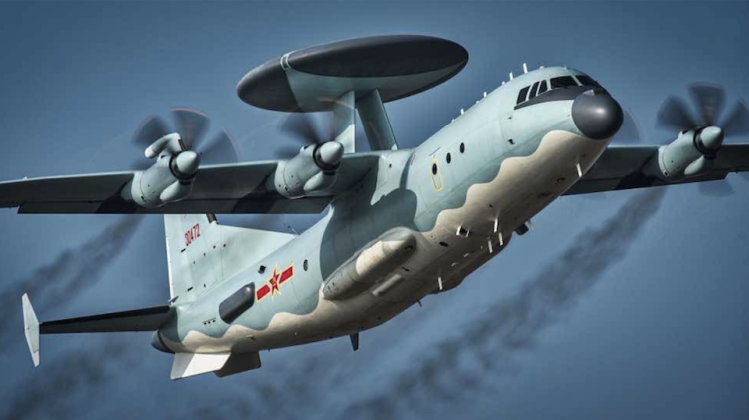
Kill Chain Dominance: China’s is Producing More ‘Flying Radar’ Systems Than the World Combined Under the KJ-500 Program​

June-26th-2026

 
In China we never know how many Chinese jets are flying without radars just like few years back we didn't know their missiles had a water instead of fuel,

Why would a chinese jet fly without a radar ?

And we still dont know who discovered that their missiles have water instead of fuel ? Like they can build million dollar worth missiles but cant full the fuel tank in them ?
 

Users who are viewing this thread

Back
Top