Beijingwalker
VIP Member

Pentagon Confirms Radarless F-35B Deliveries as Block 4 Crisis Threatens U.S. Air Dominance in Indo-Pacific
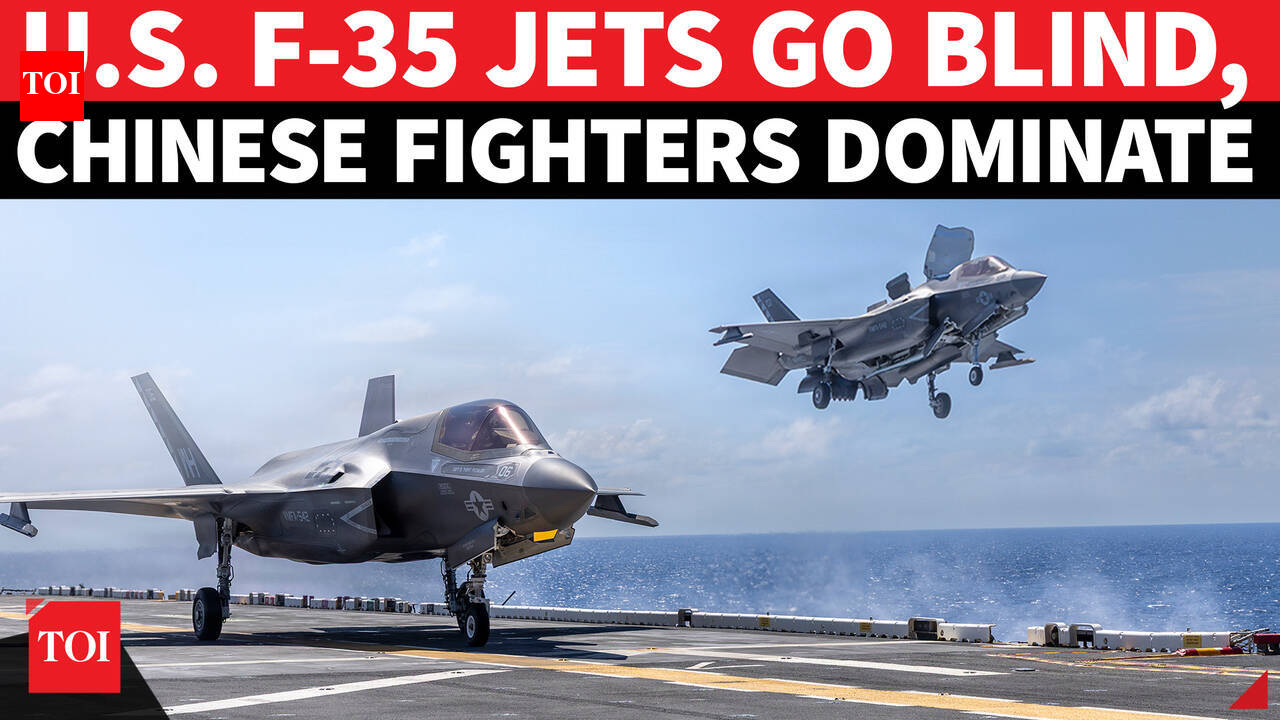
The Pentagon has confirmed that six U.S. Marine Corps F-35B stealth fighters were delivered without the AN/APG-85 AESA radar, exposing growing Block 4 modernization risks, degraded combat readiness, and mounting pressure on America’s Indo-Pacific airpower strategy.
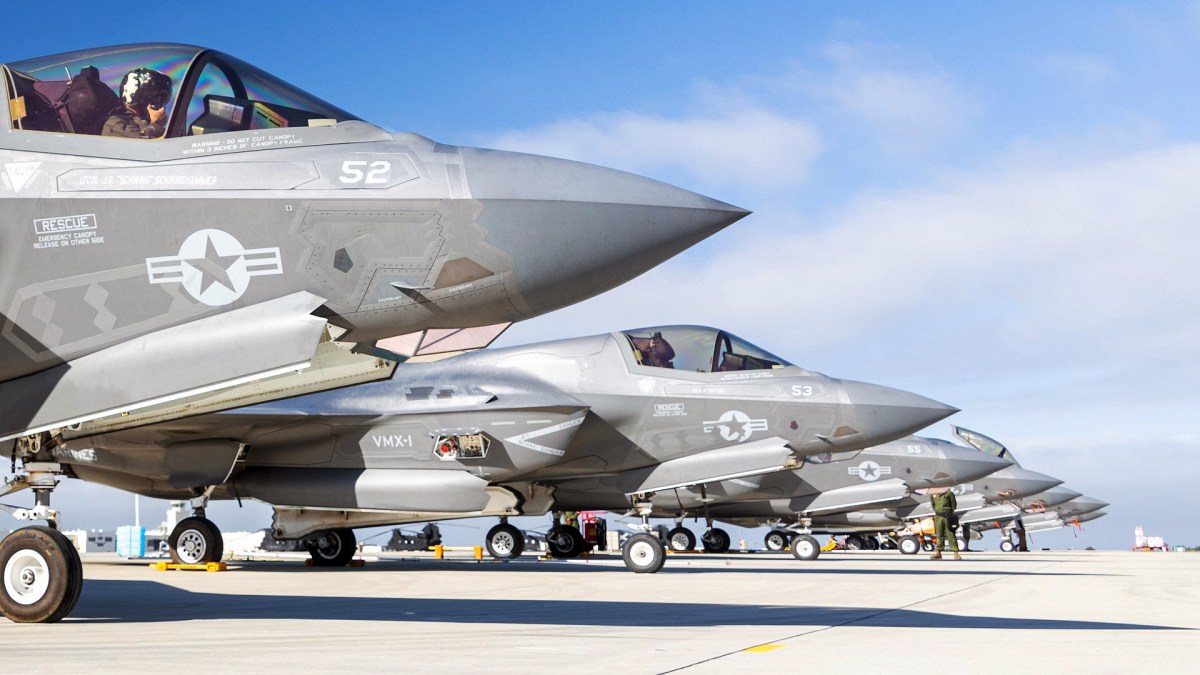
On Jun 27, 2026— The Pentagon has confirmed that six U.S. Marine Corps F-35B stealth fighters were delivered without their primary AN/APG-85 AESA radars, exposing deepening modernization risks inside America’s most strategically important fifth-generation combat aircraft programme.
The unprecedented acceptance of radarless F-35Bs marks a significant escalation in the concurrency risks surrounding the F-35 Joint Strike Fighter programme, particularly as the Pentagon attempts to field Block 4 capabilities while sustaining expanding Indo-Pacific force posture requirements.
Speaking before the Senate Armed Services Committee on June 23, F-35 Joint Program Office chief Marine Corps Lt. Gen. Gregory Masiello acknowledged the aircraft cannot be considered “fully mission capable” because they lack the fighter’s principal fire-control and targeting radar.
The six aircraft belong to Lot 17 production batches and were accepted by the Marine Corps earlier this year after acceptance testing reportedly began around February 2026 amid mounting delays surrounding the next-generation AN/APG-85 radar programme.
Instead of carrying operational radar arrays, the aircraft reportedly contain ballast weights installed inside the nose cone to preserve aerodynamic balance, center-of-gravity tolerances, and short takeoff and vertical landing flight characteristics required by the F-35B variant.
The decision transforms the aircraft into partially operational stealth airframes capable of limited flight training missions but unable to conduct full-spectrum combat operations expected from modern network-centric fifth-generation fighter platforms.
The development underscores intensifying Pentagon pressure to maintain F-35 production momentum despite unresolved Block 4 modernization bottlenecks involving radar integration, thermal management systems, software instability, sustainment shortfalls, and escalating lifecycle costs.