Navigation
Install the app
How to install the app on iOS
Follow along with the video below to see how to install our site as a web app on your home screen.
Note: This feature may not be available in some browsers.
More options
Style variation
You are using an out of date browser. It may not display this or other websites correctly.
You should upgrade or use an alternative browser.
You should upgrade or use an alternative browser.
Pharmaceutical and Hospital facilities updates
- Thread starter ghazi52
- Start date
More options
Who Replied?


hydrabadi_arab
Trusted Member
Pakistan Introduces Advance Medicines to Fight Diabetes and Obesity
By Arooj Fatima | Published Feb 25, 2026 | 8:13 pmPharmacutical companies in Pakistan have recently introduced advanced GLP-1- and GIP-based medications to help manage chronic diabetes, as the country faces a growing health crisis.
Dr. Waheed said locally manufactured medicines are now priced between Rs. 5,000 and Rs. 15,000 per packet, with each packet containing four doses. Previously, imported versions cost between Rs. 150,000 and Rs. 300,000 per packet.
With nearly one in three adults living with high blood sugar, Pakistan is now the third most affected country in the world.
In addition to imported supplies, several pharmaceutical firms have begun manufacturing glucagon-like peptide-1 (GLP-1) and glucose-dependent insulinotropic polypeptide (GIP) medications locally. These treatments are designed to control type 2 diabetes and obesity, two conditions that are rapidly increasing across the country.
According to 2025 data from the government, the World Health Organization (WHO), and the International Diabetes Federation (IDF), approximately 34.5 million people in Pakistan are living with diabetes.
More than nine million people remain undiagnosed. At the same time, 57 percent of women and 41 percent of men are overweight or obese, increasing their risk of developing type 2 diabetes by up to seven times.
Dr. Kaiser Waheed, former chairman of the Pakistan Pharmaceutical Manufacturers Association (PPMA), said that nearly 30 percent of Pakistan’s adult population is living with diabetes, including those with type 1 diabetes.
To help address the crisis, he said pharmaceutical companies have launched advanced medications at significantly lower prices than imported versions, which were previously sold at what he described as “exorbitant” costs.
GLP-1 medications work by increasing insulin production, slowing digestion, and reducing hunger. Dual GIP/GLP-1 medications further enhance these effects.
Medications such as Ozempic, Zeptide, and Mounjaro are now available in Pakistan in injectable form and are administered once a week under a doctor’s supervision. Tablet forms may be prescribed for daily use.

Fatman17
Moderator

Russian firm to invest $80 million in Pakistan to produce insulin with local partner
KARACHI: Russian firm Zavod Medsintez LLC and its local importer Genetics Pharmaceuticals Private Limited plan to invest about $80 million in Pakistan’s pharmaceutical sector over the next six years to start producing insulin locally, according to a notification the Drug Regulatory Authority of...
 share.google
Russian firm to invest 80m$ over the next 6 years

ghazi52
THINK TANK: CONSULTANT
- Thread starter
- #79
The healthcare landscape in Faisalabad just got a major upgrade. Shifa International has officially launched its state-of-the-art, 423-bed hospital, marking a massive milestone for medical services in the region.
Why This Matters:
Enhanced Capacity: With over 400 new beds, the facility significantly increases local access to high-quality care.
Expert Care: Medical professionals emphasize that modern infrastructure like this is the backbone of superior patient outcomes.
Regional Growth: This isn't just a building; it's a hub for medical development and innovation in the heart of the city.
Better facilities mean better lives. This is a huge win for the community!
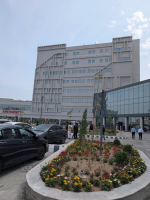
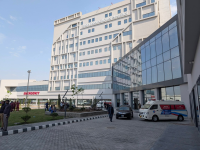
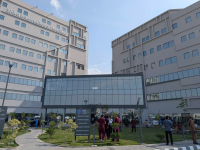
Why This Matters:
Enhanced Capacity: With over 400 new beds, the facility significantly increases local access to high-quality care.
Expert Care: Medical professionals emphasize that modern infrastructure like this is the backbone of superior patient outcomes.
Regional Growth: This isn't just a building; it's a hub for medical development and innovation in the heart of the city.
Better facilities mean better lives. This is a huge win for the community!
Fatman17
Moderator
Federal Health Minister Syed Mustafa Kamal confirmed that Pakistan has 84,421 registered HIV cases nationwide as of April 2026. While the government has rejected claims of a sudden new outbreak, officials have highlighted a significant "treatment gap," with approximately 23,000 to 24,000 registered patients currently untraceable or not receiving care.
Key Statistics & Regional Breakdown
The majority of registered cases are concentrated in the country's most populous provinces.
Concerns & Response Measures
The Ministry of Health and international agencies have raised several alarms regarding the current situation:
This is for informational purposes only. For medical advice or diagnosis, consult a professional. AI responses may
Key Statistics & Regional Breakdown
The majority of registered cases are concentrated in the country's most populous provinces.
- Punjab: Leads with approximately 45,000 cases (about 54% of the national total). Hardest-hit cities include Lahore, Faisalabad, and Multan.
- Sindh: Follows with a significant portion of cases, including a rising number of pediatric infections in Karachi.
- Islamabad: Has 618 registered cases, of which 210 are local and 408 are patients referred from other regions.
Concerns & Response Measures
The Ministry of Health and international agencies have raised several alarms regarding the current situation:
- Actual vs. Registered Cases: While official records show roughly 84,000 cases, health experts and global agencies like UNAIDS estimate the actual number of people living with HIV in Pakistan could be as high as 350,000 to 369,000.
- Causes of Transmission: The primary drivers of the epidemic include the reuse of contaminated syringes, unsafe blood transfusions, and unhygienic medical practices.
- New Policy Action: To combat syringe reuse, the government has announced a nationwide ban on 10cc reusable syringes, shifting strictly to a single-use policy.
- Treatment Access: There are currently 98 designated treatment centers offering free Antiretroviral Therapy (ART) nationwide. Approximately 61,000 registered patients are currently under treatment.
This is for informational purposes only. For medical advice or diagnosis, consult a professional. AI responses may
hydrabadi_arab
Trusted Member
Pakistan approves policy to pave way for local vaccine production
- Pakistan currently imports almost all of its finished vaccines, according to WHO and UNICEF
- With vaccine production, Islamabad aims to reduce import burden, become regional supplier
Pakistan currently imports almost all of its finished vaccines, according to procurement data from the World Health Organization (WHO) and UNICEF. Public health experts say heavy dependence on imported vaccines leaves Pakistan vulnerable to global supply disruptions and contributes to an annual vaccine import bill exceeding $250 million.
Pakistan, a country of over 240 million people, regularly holds national immunization campaigns against diseases such as polio, measles, rubella and hepatitis.
“Federal Minister for National Health, Syed Mustafa Kamal, on Wednesday announced that the federal cabinet has approved Pakistan’s first-ever National Vaccine Policy, paved way for its local production,” the state-run Associated Press of Pakistan (APP) said in a report.
“While talking on the occasion, he termed the approval a major milestone in strengthening Pakistan’s health care system.”
The report quoted Kamal as saying that Pakistan had long lacked a comprehensive national vaccine policy, adding that local production was essential for achieving self-reliance in the health sector.
The government says the new vaccine policy aims to build national resilience by expanding biotech and pharmaceutical capabilities, reducing import burden, and improving preparedness for future pandemics.
In February this year, Pakistani health authorities held discussions with a visiting Saudi delegation to explore partnership in the production of vaccines in Pakistan. Kamal had said Islamabad was “very close” to reaching an agreement with Riyadh that would enable it to produce vaccines locally.
Officials say local production of vaccines could enable Pakistan to become a regional supplier once its facilities meet WHO prequalification standards.
hydrabadi_arab
Trusted Member
Pakistan, Chinese firms sign 10 MoUs for pharmaceutical investment, API production
Agreements cover technology transfer, vaccine collaboration and local manufacturing as government pushes to reduce dependence on imported pharmaceutical raw materials
Pakistani and Chinese companies on Tuesday signed 10 memorandums of understanding covering pharmaceutical investment, active pharmaceutical ingredient production, vaccine collaboration and technology transfer, in a move aimed at strengthening local manufacturing capacity and reducing reliance on imports.
As per reports, the agreements were signed during a ceremony organised in collaboration with the Ministry of National Health Services, Regulations and Coordination, the Drug Regulatory Authority of Pakistan, One Station China Desk and the office of Parliamentary Secretary for Commerce Dr Zulfiqar Ali Bhatti.
Federal Minister for National Health Services Syed Mustafa Kamal said the agreements marked an important step for Pakistan’s pharmaceutical sector, particularly in local production of pharmaceutical raw materials.
He said Pakistan currently exports medicines to 51 countries but remains heavily dependent on imported active pharmaceutical ingredients (APIs) and vaccines.
The minister added that the government was working to build domestic manufacturing capacity to improve medicine affordability and supply security.
According to the minister, Pakistan imports poultry vaccines worth around $4.5 million annually, while the country would need approximately $1.2 billion each year after 2030 to independently procure vaccines currently supported through global immunisation arrangements.
He said the government was therefore focusing on developing local vaccine manufacturing capabilities before 2030.
Kamal also said Pakistan had developed and secured federal cabinet approval for a National Vaccine Policy, while efforts were underway to activate the National Institute of Health for vaccine-related manufacturing and development support.
The minister said Pakistan was also seeking to achieve WHO Level 3 certification in the coming months, which could expand pharmaceutical export access from 51 countries to more than 150 international markets.
Among the major agreements signed during the ceremony, Unichem Pharmaceuticals Pakistan and China’s Xinxu Group entered into an investment partnership valued at around ₨10 billion.
The agreement includes technology transfer for local production of pharmaceutical raw materials, including Omeprazole API, around 95% of which has historically been imported into Pakistan.
Another agreement was signed between Lucky Core Group and Chinese pharmaceutical partners to expand industrial cooperation between the two countries.
Dr Zulfiqar Ali Bhatti said the agreements reflected the government’s policy of encouraging industrial growth through international investment and strategic partnerships.
He said reliance on imported pharmaceutical raw materials had placed pressure on Pakistan’s foreign exchange reserves and import bill, adding that the objective was to encourage local manufacturing and technology transfer.
Officials and industry representatives attending the event said the agreements would support Pakistan’s efforts to attract foreign direct investment, strengthen healthcare preparedness and expand local pharmaceutical manufacturing capacity.
Fatman17
Moderator

Pakistan to Begin Local Insulin Production with Russian Investment
Russian pharmaceutical company Zavod Medsintez and its Pakistani partner Genetics Pharmaceuticals Private Limited plan to invest nearly $80 million in
 share.google
Local insulin production
Fatman17
Moderator
.png)
AGP set to enter Pakistan’s top 10 pharma firms
AGP Limited (PSX: AGP) has revealed a sweeping corporate restructuring plan aimed at creating one of Pakistan’s largest integrated pharmaceutical platform
 share.google
Fatman17
Moderator
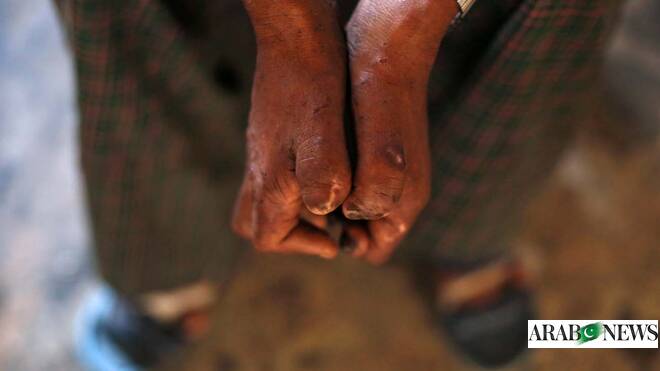
Germany awards Order of Merit to national for services to Rawalpindi Leprosy Hospital
ISLAMABAD: Germany’s government on Wednesday handed over the medal of the prestigious Order of the Merit civilian award to Sister Annette Dimigen, a German national, for her dedicated service of nearly three decades to a leprosy hospital in Rawalpindi, the German embassy said in a statement...
 share.google
hydrabadi_arab
Trusted Member
Pakistan's Liven Pharma enters into strategic partnership with China’s TOFFLON
- Marks a key step in its Vision 2030, aiming to transform Pakistan's pharma sector with world-class manufacturing tech
The information was shared via a notice to the Pakistan Stock Exchange today.
TOFFLON is one of the world’s leading tech giants and manufacturers of pharmaceutical, biotechnology, and aseptic processing plants, production systems, and advanced manufacturing technologies.
The signing was executed on behalf of TOFFLON by Michael Chang, Senior Vice President and Kaashif Hussain, CEO of Liven Pharma Limited.
READ MORE: Pakistan’s Liven Pharma announces first export to Arab region
“This strategic milestone forms an integral part of LIVEN Pharma Limited’s vision 2030, under which the company aims to transform itself into a fully integrated pharmaceutical and biotechnology enterprise through the acquisition of world-class manufacturing technologies, localisation of advanced production capabilities, and development of Pakistan’s high-value pharmaceutical and biological manufacturing infrastructure,” the listed company said.
READ MORE: Liven Pharma to raise Rs200mn via rights issue to fund new projects
Moreover, Liven said that the collaboration was expected to accelerate the company’s long-term strategic objectives under Vision 2030, “including the localisation of sophisticated pharmaceutical and biotechnology manufacturing, enhancement of export competitiveness, strengthening of national healthcare infrastructure, and reduction in reliance on imported high-value biological products”.
Meanwhile, Liven Pharma Limited was incorporated in Pakistan as a private Limited Company on October 21, 1991 and was converted into a public limited company on April 30, 1992, under the Companies Ordinance, 1984 (Repealed with the enactment of the Companies Act, 2017).
The principal activity of the company is the manufacturing of pharmaceuticals and allied products.
hydrabadi_arab
Trusted Member
SG Power Limited, a Pakistani independent power producer (IPP), has completed the shift from power generation to healthcare, with SECP registering its new principal business as pharmaceutical allied.
The listed company disclosed the development in a notice to the Pakistan Stock Exchange (PSX) on Monday.
The change clears the way for it to manufacture and trade medical devices, hospital supplies, and pharmaceutical products.
“Following the approval of the members by way of a Special Resolution passed at the Extraordinary General Meeting held on 13 May 2026 and the subsequent registration of the relevant statutory filings with the Securities and Exchange Commission of Pakistan (SECP), the company’s principal line of business has been formally changed from power generation allied (other) to the pharmaceutical allied (healthcare sector),” read the notice.
The amended principal line of business allows the company to import, export, manufacture, distribute, market, sell, rent, install, maintain, and after sales servicing of medical equipment, medical devices, hospital supplies and related healthcare products, together with the manufacture and trading of pharmaceutical, medicinal and allied products.
“This change represents a significant milestone in the Company’s strategic transformation and establishes the regulatory framework for pursuing opportunities within Pakistan’s healthcare and pharmaceutical sectors,” it added.
SG Power Limited was incorporated in Pakistan on February 10, 1994, under the Companies Ordinance, 1984. Its primary business activity is the generation and supply of electric power to its associated company, SG Allied Businesses Limited. SG Power is classified as an independent power producer (IPP).
In May 2026, SG Power Limited announced plans to raise nearly Rs535 million through the issuance of right shares.
The principal purpose of the fundraising was to invest in the healthcare sector and related businesses, focusing on expanding and strengthening the company’s operations and supporting future growth initiatives. The company believed this would diversify and strengthen its revenue base.
The listed company disclosed the development in a notice to the Pakistan Stock Exchange (PSX) on Monday.
The change clears the way for it to manufacture and trade medical devices, hospital supplies, and pharmaceutical products.
“Following the approval of the members by way of a Special Resolution passed at the Extraordinary General Meeting held on 13 May 2026 and the subsequent registration of the relevant statutory filings with the Securities and Exchange Commission of Pakistan (SECP), the company’s principal line of business has been formally changed from power generation allied (other) to the pharmaceutical allied (healthcare sector),” read the notice.
The amended principal line of business allows the company to import, export, manufacture, distribute, market, sell, rent, install, maintain, and after sales servicing of medical equipment, medical devices, hospital supplies and related healthcare products, together with the manufacture and trading of pharmaceutical, medicinal and allied products.
“This change represents a significant milestone in the Company’s strategic transformation and establishes the regulatory framework for pursuing opportunities within Pakistan’s healthcare and pharmaceutical sectors,” it added.
SG Power Limited was incorporated in Pakistan on February 10, 1994, under the Companies Ordinance, 1984. Its primary business activity is the generation and supply of electric power to its associated company, SG Allied Businesses Limited. SG Power is classified as an independent power producer (IPP).
In May 2026, SG Power Limited announced plans to raise nearly Rs535 million through the issuance of right shares.
The principal purpose of the fundraising was to invest in the healthcare sector and related businesses, focusing on expanding and strengthening the company’s operations and supporting future growth initiatives. The company believed this would diversify and strengthen its revenue base.
hydrabadi_arab
Trusted Member
Pakistan Performs First-Ever Specialized Cell-Based Cancer Treatment
The treatment was given to a 21-year-old patient suffering from relapsed/refractory B-cell acute lymphoblastic leukemia (R/R B-ALL), a serious form of blood cancer that had returned twice despite earlier treatment.
According to details shared by the center, the patient received indigenously prepared anti-CD19 CAR T-cell therapy on June 18, 2026 and achieved measurable residual disease (MRD)-negative complete remission by Day 14. He was later discharged on July 3, 2026.
The development marks a major milestone for Pakistan’s medical sector, as CAR T-cell therapy is considered one of the most advanced forms of cancer treatment and has remained limited even in many parts of the world.
The therapy offers a potential treatment option for patients who have exhausted conventional lines of care, particularly in aggressive blood cancers.
AFBMTC said the achievement was the result of years of preparation by its physicians, apheresis and cell-processing scientists, laboratory experts, and nursing staff working under the Army Medical Corps.
The center also acknowledged the courage and trust shown by the patient and his family in undergoing the pioneering treatment.
The successful procedure opens the door for wider use of cellular and immune-effector therapies in Pakistan and could pave the way for more patients to access highly specialized cancer treatment within the country.
hydrabadi_arab
Trusted Member
Pakistan Performs First-Ever Specialized Cell-Based Cancer Treatment
Pakistan has achieved a major breakthrough in advanced cancer care after the Armed Forces Bone Marrow Transplant Center (AFBMTC) in Rawalpindi successfully carried out the country’s first CAR T-cell therapy.
The treatment was given to a 21-year-old patient suffering from relapsed/refractory B-cell acute lymphoblastic leukemia (R/R B-ALL), a serious form of blood cancer that had returned twice despite earlier treatment.
According to details shared by the center, the patient received indigenously prepared anti-CD19 CAR T-cell therapy on June 18, 2026 and achieved measurable residual disease (MRD)-negative complete remission by Day 14. He was later discharged on July 3, 2026.
The development marks a major milestone for Pakistan’s medical sector, as CAR T-cell therapy is considered one of the most advanced forms of cancer treatment and has remained limited even in many parts of the world.
The therapy offers a potential treatment option for patients who have exhausted conventional lines of care, particularly in aggressive blood cancers.
AFBMTC said the achievement was the result of years of preparation by its physicians, apheresis and cell-processing scientists, laboratory experts, and nursing staff working under the Army Medical Corps.
The center also acknowledged the courage and trust shown by the patient and his family in undergoing the pioneering treatment.
The successful procedure opens the door for wider use of cellular and immune-effector therapies in Pakistan and could pave the way for more patients to access highly specialized cancer treatment within the country.
This is a massive milestone for Pakistan's medical landscape. CAR T-cell therapy is essentially "living medicine"—it involves rewriting a patient's own immune system to hunt down and destroy cancer cells.
To achieve a measurable residual disease (MRD)-negative complete remission in just 14 days for an aggressive, twice-relapsed leukemia is an incredible clinical outcome.
Why This is Such a Major Breakthrough
To appreciate the scale of this achievement by the Armed Forces Bone Marrow Transplant Center (AFBMTC), it helps to look at how CAR T-cell therapy works and the hurdles they had to overcome.- Custom-Engineered Treatment: CAR T-cell therapy isn't a mass-produced pill. Doctors must extract the patient's T-cells (a type of white blood cell) via apheresis, genetically modify them in a specialized cleanroom laboratory to insert a Chimeric Antigen Receptor (CAR) that targets a specific protein (in this case, CD19 on B-cell leukemia), multiply them into the millions, and infuse them back into the patient.
- The "Indigenously Prepared" Factor: Commercially available CAR T-cell therapies in the West (like Kymriah or Yescarta) routinely cost between $375,000 to $500,000+ USD just for the drug manufacturing, making them completely inaccessible for developing countries. By preparing these cells indigenously, Pakistan has laid the groundwork to bypass these catastrophic costs, potentially making the treatment affordable for its population.
- High-Stakes Management: Infusing CAR T-cells triggers a massive immune response. Patients often face severe, life-threatening side effects like Cytokine Release Syndrome (CRS)—which causes dangerously high fevers and crashing blood pressure—and neurotoxicity. Successfully managing this patient through to discharge on Day 3 means the ICU, nursing, and cellular therapy teams executed their protocols flawlessly.
Users who are viewing this thread
Total: 1 (members: 0, guests: 1)
Pakistan Defence Latest

Country Watch Latest
-
 Iran - Israel/US War: Israel-US declare war on Iran, Iran responds (86 Viewers)
- Latest: Professor Jiang
-
-

-
-

Latest Posts
-

-
Iran - Israel/US War: Israel-US declare war on Iran, Iran responds (86 Viewers)
- Latest: Professor Jiang
-
-
-
