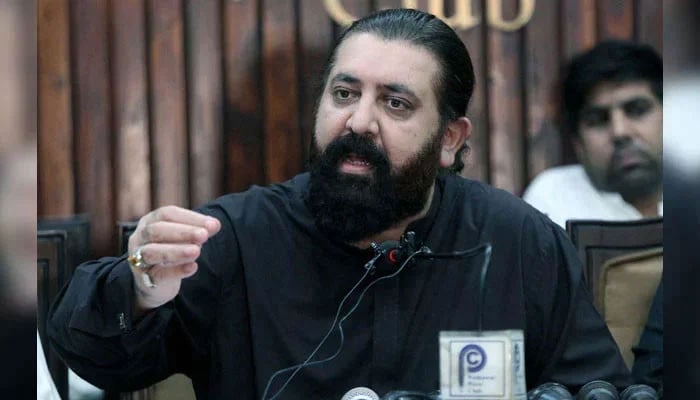
Imran Khan’s removal matters, but not in the way his supporters usually frame it.
The strongest case for removing him in 2022 was that he had already lost governing support, was facing serious economic stress, and had no clear path to stabilizing the situation right?
But no - The current regime has actually proven the larger point I outlined.
Once in power, it fell back on the same familiar formula of IMF dependence, diplomatic optics, elite management, and short term external relief while the deeper structural problems stayed untouched.
That is why the issue is bigger than PTI, bigger than the establishment alone, and bigger than Imran Khan as a personality.
The problem sits in the political culture itself, in the patronage habits, short horizon thinking, personalization of power, and the wider social pool that keeps reproducing the same outcomes no matter who comes in.
In that sense, even if Imran Khan had stayed in power, the best likely result was still some version of what we see now, MoUs, IMF dependence, symbolic diplomacy, and temporary breathing space sold as strategy, because Pakistan’s real crisis is deeper than one leader or one institution and runs through the way power, society, and reward are organized in the country.
And yes that is also why this needs to change, but probably cannot in any immediate or clean way, because the very people who benefit from the current order are the ones sitting on top of politics, bureaucracy, business, media, and even much of social influence, while the wider public is also too conditioned by short term survival, sifarish, personality worship, and immediate reward to consistently demand something better.
The qaum that doesn’t even know how to park cars at a mosque or give way to ambulances cannot be expected to do any revolutionary “tabdeeli”
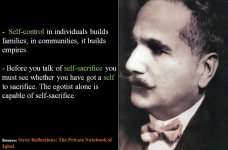
What would actually need to change is not just one government or one institution, but the social habits underneath all of it in terms of more respect for merit over connections, more willingness to accept delayed reward, more civic discipline, more honesty about corruption at the family and community level, and more value placed on institution building over following savior figures.
And the hard truth is that this change cannot be brought by one leader, one party, or one election. It would have to come from society itself, through parents, schools, local communities, serious teachers, honest professionals, and a middle class willing to stop acting transactional in private while demanding morality in public, because until the social pool changes, the state built from that pool will keep producing the same result.