With a Successful Rocket Launch, China Clears a Key Hurdle in Race With SpaceX
The launch and recovery of the Long March 10B could represent a long-awaited breakthrough for Chinese satellite companies.
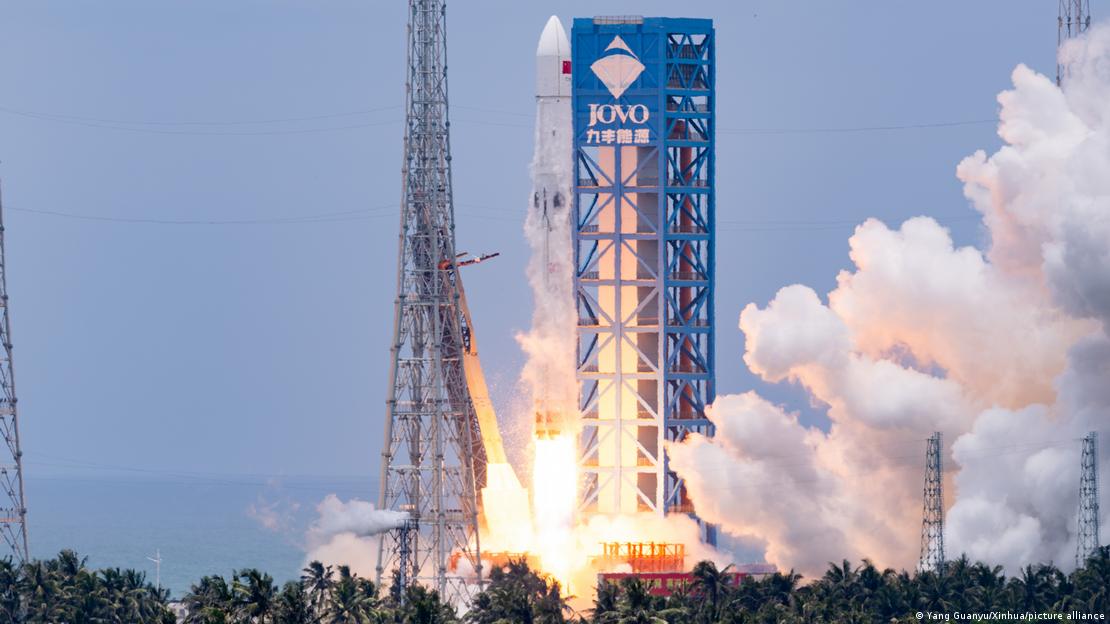
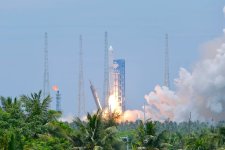
A Long March 10B rocket blasting off from the Wenchang spaceport in Hainan, China, on Friday.Credit...Visual China Group, via Getty Images
The New York Times
By
Selam Gebrekidan and
Pei-Lin Wu
July 10, 2026, 3:39 a.m. ET
China’s space program took an important step on Friday toward its elusive goal of competing with Elon Musk’s company SpaceX, in the race to dominate the satellite industry.
The China Aerospace Science and Technology Corporation, a government entity, launched a Long March 10B rocket and recovered its bottom part, called the first stage, a few minutes later. This essential step toward reusing the rocket’s parts for future missions could signal a long-awaited breakthrough for Chinese satellite companies.
SpaceX revolutionized the industry with its
partially reusable Falcon 9 rocket, whose first stage returns to the launchpad upright after launch. Falcon 9 can send satellites into orbit in rapid succession, which has given SpaceX a significant edge. Every day that passed without a reusable Chinese launcher, SpaceX pulled further ahead. SpaceX has
more than 10,000 satellites in orbit and is a world leader in satellite internet.
Chinese companies have been launching satellites with single-use rockets, letting their parts
tumble back to Earth or become
space debris after every launch. Two Chinese satellite constellations that hope to rival SpaceX’s have launched just over 400 satellites between them.
That may be about to change.
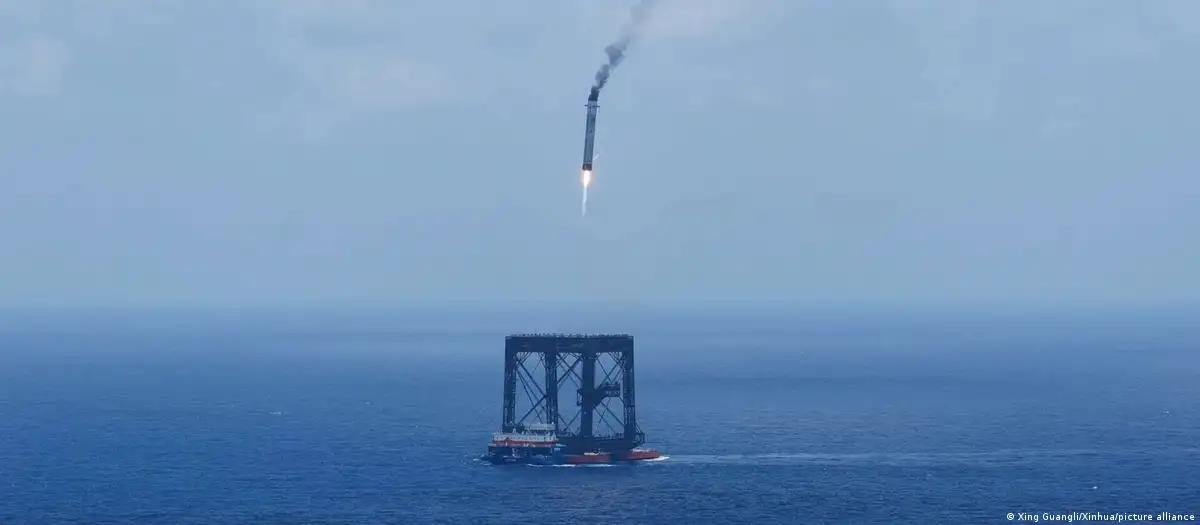
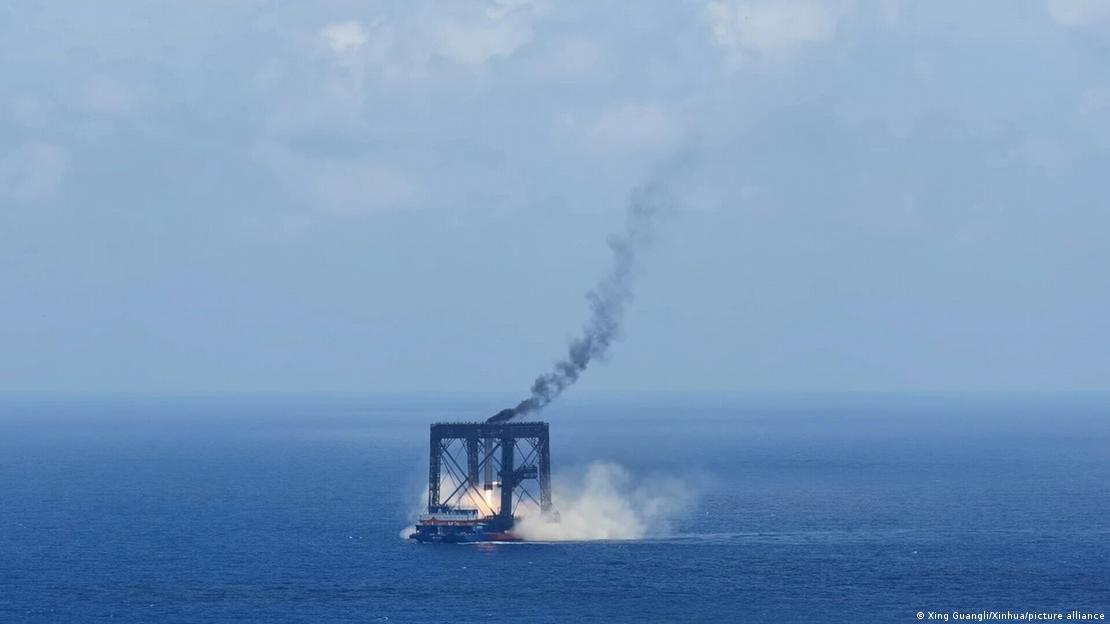
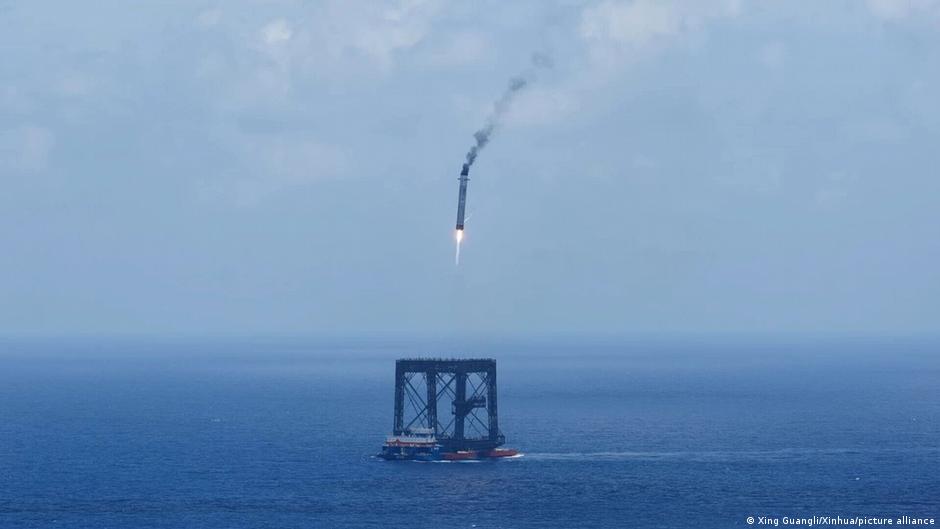
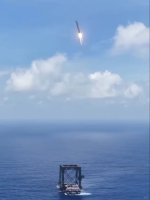
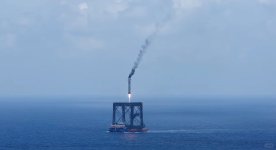
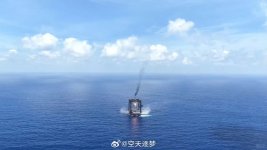
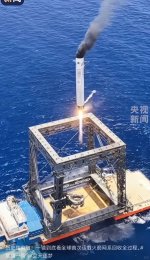
The rocket’s bottom part returned upright to a platform at sea, six minutes after separating from the upper part. It slowly descended to a pad that was fitted with nets to capture the rocket parts, according to a video released by
Chinese state media. The nets proved to be China’s nifty solution for recovering rocket boosters.
It is the “world’s first net‑based recovery of a launch vehicle,” the China Aerospace Science and Technology Corporation
said.
The country built the offshore platform last year and
tested it in February. The first stage of a predecessor rocket ended up splashing down at sea. Friday’s mission built on the results of that test, according to official statements.
The Long March 10B rocket was developed by the China Academy of Launch Vehicle Technology, a subsidiary of the government corporation. It is part of the Long March 10 series of rockets, some of which are designed for China’s first crewed mission to the Moon expected by 2030.
It is about 200 feet high and is designed to deliver up to 16 metric tons of spacecraft, such as satellites, to low-earth orbit. During Friday’s test, the rocket’s upper stage successfully launched an unspecified number of satellites, the government said.
Future flight tests will be done by the end of this year, the company said. It did not respond to questions.