Morocco is moving to train its pilots on American F-35 fighters before the official announcement of the deal
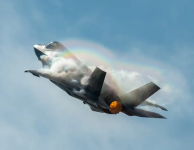
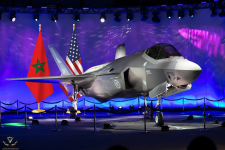
Reports indicate that Morocco has submitted a request to begin training Royal Moroccan Air Force pilots on the American F-35 stealth fighter jet, a move said to precede the official announcement of a potential deal to acquire these aircraft. If confirmed, commencing training at this stage would pave the way for the early qualification of Moroccan pilots in preparation for operating the aircraft, coinciding with ongoing speculation about a possible purchase agreement and the necessary US approvals for its export to Morocco.
The discussion of pilot training before the deal's announcement comes amidst persistent reports of Morocco's interest in acquiring this advanced fighter. Pilot training is typically linked to the contracting, manufacturing, and delivery schedule, with theoretical and technical preparation beginning before actual flight training, continuing concurrently with aircraft delivery and entry into service.
In this context, the possibility arises that early preparation is a way to shorten the time required to qualify pilots. There is also the hypothesis that Morocco might acquire aircraft that have already been manufactured but not yet delivered to the contracting countries due to delays in some deals. One example frequently cited in this context is the six F-35 fighter jets allocated to Turkey, which Ankara has yet to receive following the suspension of its participation in the program.
The American F-35 fighter jet family comprises three main variants: the F-35A, F-35B, and F-35C. These variants differ in their takeoff and landing techniques, equipment, and the types of missions they are designed to perform.
For Morocco, the F-35A version is most compatible with the nature of the Royal Air Force's operational structure, given its reliance on land airfields and its lack of aircraft carriers. Choosing this version will also spare the Air Force the naval operating requirements of the other two versions.
How are pilots trained on the F-35?
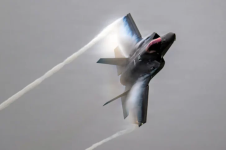
Qualifying for the F-35 fighter jet requires a specialized training program, given the differences in its systems and operating methods compared to conventional third- and fourth-generation fighters. The training goes beyond simply learning to fly and control the aircraft; it includes mastering an integrated system of sensors, electronic warfare, information management, and communication between the aircraft and various military units.
The training typically consists of three main phases:
The first phase is theoretical and technical training, where pilots learn about the fighter's technical characteristics, stealth principles, mission planning methods, and tactics for penetrating air defenses. They also receive training on managing the flow of information from various sensors and understanding how to integrate and present data to the pilot through a unified operating interface.
The F-35 incorporates advanced radar, electro-optical and thermal sensor systems, electronic warfare capabilities, and communication and data exchange systems with other aircraft and military platforms. These capabilities allow the pilot to develop a comprehensive view of the operational environment, identify and track targets, and utilize information from multiple sources.
The second phase involves simulator training, allowing pilots to practice operating systems and executing aerial missions in virtual environments that simulate operational conditions. This training includes air combat scenarios, dealing with enemy air defense systems, coordinating missions with other platforms, and handling emergencies without endangering actual aircraft.
The third phase involves actual fighter jet flight, where pilots transition to practical training on the F-35 after completing theoretical, simulation, and basic qualification requirements. This phase includes familiarizing themselves with flight characteristics, takeoff and landing procedures, operating systems in flight, and executing training missions according to approved qualification levels.
The transition to actual flight is an advanced stage in the training program, especially since the F-35 family does not include a two-seat trainer version like some other fighters.




 Federal cabinet gives nod to imposition of emergency in KP; summary sent to president (4 Viewers)


