Navigation
Install the app
How to install the app on iOS
Follow along with the video below to see how to install our site as a web app on your home screen.
Note: This feature may not be available in some browsers.
More options
Style variation
You are using an out of date browser. It may not display this or other websites correctly.
You should upgrade or use an alternative browser.
You should upgrade or use an alternative browser.
Royal Saudi Arabia Armed forces
- Thread starter The SC
- Start date
More options
Who Replied?


The SC
INT'L MOD
- Thread starter
- #392
Exclusive-Trump to reinterpret 1987 missile treaty to sell heavy attack drones abroad

WASHINGTON (Reuters) -President Donald Trump is expected to unilaterally reinterpret a 38-year-old arms control treaty to sell sophisticated "Reaper" style and other advanced military drones abroad, according to a U.S. official and four people familiar with the plan.
The new interpretation would unlock the sale of more than 100 MQ-9 drones to Saudi Arabia, which the kingdom requested in the spring of this year and could be part of a $142 billion arms deal announced in May. U.S. allies in the Pacific and Europe have also expressed interest.
By designating drones as aircraft like the F-16 rather than missile systems, the United States will sidestep the 35-nation Missile Technology Control Regime (MTCR) agreement it signed in 1987, propelling drone sales to countries like UAE and in Eastern European nations that have struggled to get their hands on America's best unmanned aerial vehicles.
The new policy will allow General Atomics, Kratos, and Anduril, which manufacture large drones, to have their products treated as "Foreign Military Sales" by the State Department, allowing them to be easily sold internationally, according to a U.S. official speaking to Reuters on condition of anonymity.
This effort is the first part of a planned "major" review of the U.S. Foreign Military Sales program, the official said.
A U.S. Department of State spokesperson declined to comment.
Under the current interpretation of the MTCR, the sale of many military drones is subject to a "strong presumption of denial" unless a compelling security reason is given and the buyer agrees to use the weapons in strict accordance with international law.
The MTCR was originally meant to curb the sale of long-range missiles that can deliver weapons of mass destruction. Though drones were invented many years later they were considered within the scope of the MTCR due to their ability to fly long distances and carry weapons.
U.S. drone manufacturers are facing stiff competition overseas, especially from Israeli, Chinese and Turkish rivals who often sell under lighter restrictions.
Neither China or Israel are signatories to the MTCR and have won sales in the Middle East as a result. Turkey signed on to the MTCR in 1997 but has been able to showcase its Bayraktar-TB2 drones against Russian forces in Ukraine because it is shorter-range, lighter and covered under a different standard under the treaty than heavier drones like the Reaper.
Russia has been using both domestic and Iranian drones to attack Ukraine.
The U.S. has not been selling or donating large drones to Kyiv for fear that advanced technologies could fall into enemy hands.
Global competition for market share is white hot because military drones and drones adapted from consumer technology are seen as integral to the modern battlefield.
The U.S. official who spoke on condition of anonymity said the new guidelines will allow the U.S. "to become the premier drone provider instead of ceding that space to Turkey and China."
An exact date for the unveiling of the new drone sale guidelines has not been determined. A revamp of the Foreign Military Sales program was expected later this year and the administration is working now on its "roll out," the people said.
The change is being timed to benefit the makers of large advanced jet-engine powered drones who are developing a new generation of drones that can fly alongside piloted fighter jets as wingmen, a promising new market for the technology.
All drone sales would still be subject to the U.S. government's Foreign Military Sales process which examines a customer's regional dynamics, human rights track record, and ability to safeguard a weapons system.
One of the first large sales that may come after the reinterpretation may be to Saudi Arabia. U.S. President Joe Biden had adopted the tougher stance on weapons sales to Saudi Arabia in 2021, citing the kingdom's use of U.S. military equipment in its campaign against the Iran-aligned Houthis in Yemen, which has inflicted heavy civilian casualties.
But ties between the kingdom and the United States have warmed since then, as Washington has worked more closely with Riyadh in the aftermath of the October 2023 Hamas attack on Israel.
The White House is expected to tout the move as part of Trump's broader initiative to create jobs and reduce the U.S. trade deficit. However, human rights and arms control advocates warn it risks fueling violence and instability in regions such as the Middle East and South Asia.
https://ca.news.yahoo.com/exclusive-trump-reinterpret-1987-missile-100450824.html?guccounter=1
The deal talks about Skyguardian & Seaguardian
The SC
INT'L MOD
- Thread starter
- #393
This is a very strong technical level and intelligence progress that transfers air power decades apart from any other similar aircraft, "if any"
This is the jewel of the Air Force and the queen of global intelligence, and the RSAF is the only one in the region with these characteristics and capabilities..


This is the jewel of the Air Force and the queen of global intelligence, and the RSAF is the only one in the region with these characteristics and capabilities..

_Arabia_
Trusted Member


Saudi Royal Air Defense Forces Launch First THAAD Missile Defense Unit
Thursday 08/01/1447
Jeddah, July 3, 2025, SPA -- The Saudi Royal Air Defense Force officially inaugurated the first unit of the Terminal High Altitude Area Defense (THAAD) missile system, following the successful completion of system testing, evaluation, and field training of personnel within Saudi Arabia. The launch ceremony was held at the Air Defense Forces Institute in Jeddah.
During the event, the commander of the Royal Saudi Air Defense Forces handed over the unit’s flag to the commander of the 1st Air Defense Group, marking the unit's operational readiness.
The deployment of the first THAAD battery is part of a broader defense project aimed at boosting the Kingdom’s air defense capabilities and ensuring the protection of vital strategic infrastructure and national interests.
-- SPA
08:14 Local Time 05:14 GMT
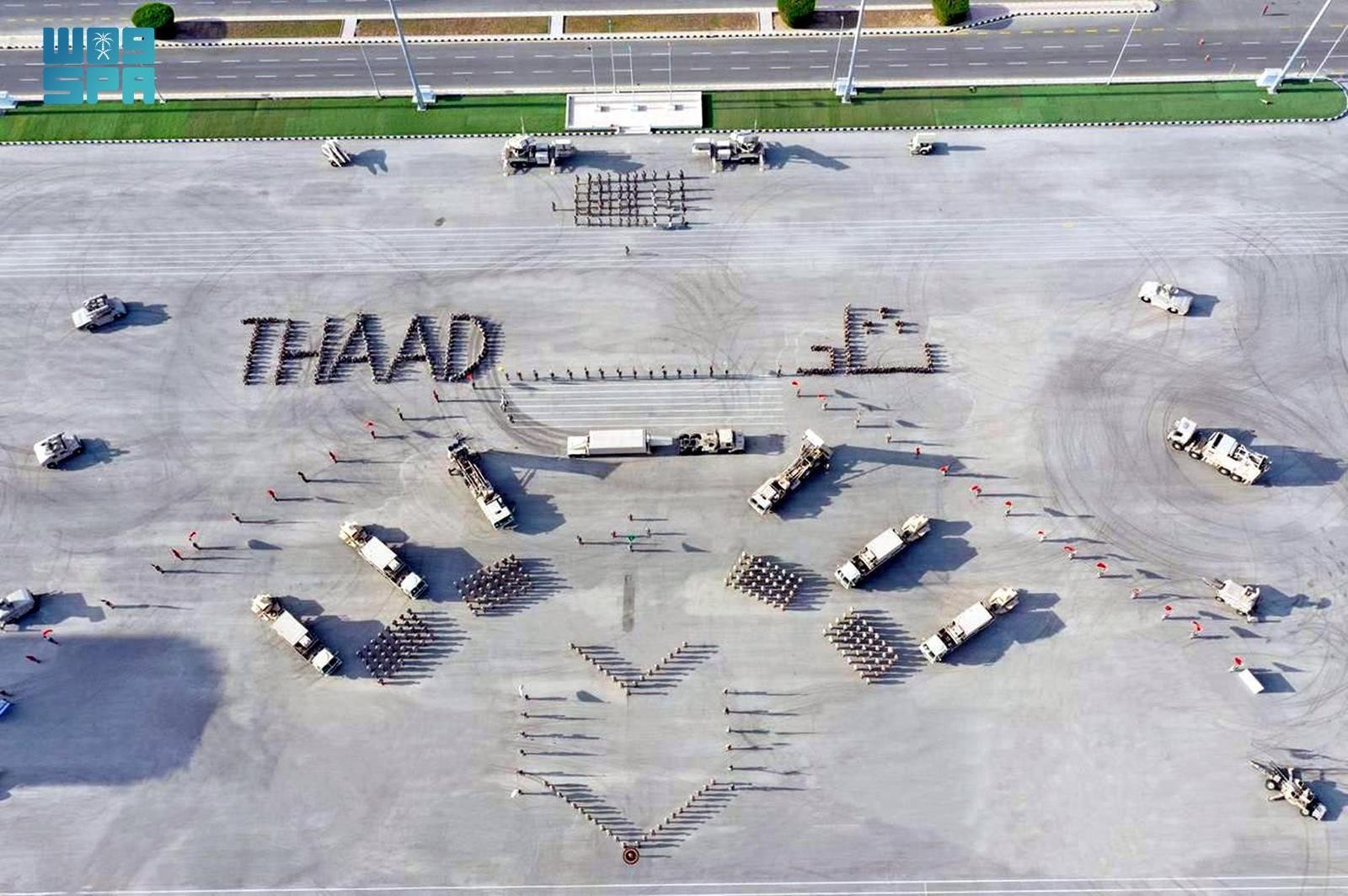
Saudi Royal Air Defense Forces Launch First THAAD Missile Defense Unit
Jeddah, July 3, 2025, SPA -- The Saudi Royal Air Defense Force officially inaugurated the first unit of the Terminal High Altitude Area Defense (THAAD) missile system, following the successful completion of system testing, evaluation, and field training of personnel within Saudi Arabia. The...
www.spa.gov.sa
Is there anyone other than the UAE that is operating the THAAD in the region? I don't think so.
I don't think that even the Zionists/Israel has any THAAD, the batteries deployed to them were US ones but in any case Israel might just as well be a part of the US to begin with so it does not really matter.
Last edited:
_Arabia_
Trusted Member
Lockheed Martin wants to rely on Saudi Arabia, the UAE and Qatar to develop its supercharged F-35
Reading time : 22 min.
By Fabrice Wolf
30 MAY 2025

A few weeks ago, Lockheed Martin CEO Jim Taiclet surprised his audience with the suggestion of an F-35 Nascar as a potential response to the resounding failure of the US Air Force's award of the NGAD program to Boeing and its F-22 on March 2025, 47.
Deliberately vague about what this supercharged F-35 will be, its schedule and its technologies, the American CEO then simply indicated that it would involve integrating into the aircraft certain technologies developed by the aircraft manufacturer in the final phase of the NGAD program, to allow it to achieve 80% of the performance and capabilities of the 6th generation, for only 50% of the costs. However, at that time, beyond a chocolate bar name and a laundry detergent slogan, this F-35 MKII program was far too opaque to prove convincing.
Jim Taiclet's latest speech this week at the Bernstein Strategic Decisions Conference no longer raises eyebrows, nor does it involve the kind of journalistic quips that catch the eye.
Indeed, beyond the few details on the capabilities that the aircraft will be equipped with, which were, for the most part, expected, it is above all the commercial and industrial strategy that the most powerful defence manufacturer on the planet intends to implement around this programme, which, while it undoubtedly commands respect, also represents an extremely tangible threat to European industry in this area, and in particular, to the GCAP and SCAF programmes.
Summary
- Deprived of the American 6th generation, Lockheed Martin wants to expand the fleet and the attractiveness of the F-35 on the international scene
- Some additional details on the supercharged F-35 that Lockheed Martin aims to develop
- Like Boeing with the F-15, Lockheed Martin is willing to bet on Saudi Arabia, Qatar and/or the United Arab Emirates to develop its F-35 MkII
- A historically favorable context with an American executive obsessed with signing major defense contracts
- By involving Riyadh, Doha and Abu Dhabi in the F-35 MkII program, Lockheed Martin would directly threaten the European GCAP and SCAF programs.
- Conclusion
Deprived of the American 6th generation, Lockheed Martin wants to expand the fleet and the attractiveness of the F-35 on the international scene
With the F-117, then the F-22, and finally the F-35, Lockheed Martin had won, in the 80s and 90s, all the development contracts for American 5th generation tactical fighter aircraft, putting the company at the top of the global defense hierarchy for many years. US Air Force F-22 and F-35A, flying alongside a Kratos XQ-58A combat drone
In fact, the American aircraft manufacturer, with more than 2000 firm orders for the F-35, approached the transition to the 6th generation, from the mid-2010s, with a high level of confidence, exceptional technological achievements, and unparalleled investment reserves.
Was it due to overconfidence, a desire on the part of the executive to rebalance American industrial supply in this area, or in reaction to the contractual conditions concerning the F-35 that were far too favorable to the aircraft manufacturer? Whatever the case, Lockheed Martin has been brought down from the pedestal that the US Air Force had built for it over thirty years, and this, in less than ten years.
B-21 Raider, F/A-XX and F-47: A three-act downfall of the most powerful defense company on the planet
This three-part downfall began in October 2015, when the $21 billion contract to design the US Air Force's future B-21 Raider strategic bomber was awarded to Northrop Grumman. However, the aircraft manufacturer's experience in this specific field, with the design of the B-2 Spirit, was then accepted as a plausible explanation for the defeat of the US military aviation superstar since the public presentation of the F-117 in 1989.If the strategic bombing segment was assigned to Northrop Grumman, no one imagined, however, that the tactical combat aircraft segment could then escape LM, after the very successful F-22 Raptor, and the immense commercial success of the F-35, and the aircraft manufacturer was universally recognized, until recently, as the big favorite of the two American 6th generation programs in this category: the NGAD of the US Air Force, and the NGAD (yes, same acronym, but different program) of the US Navy, which we will refer to here by its other name, the F/A-XX program.
It must be said that everything then seemed to point to LM for these two contracts. First, because Northrop Grumman had not built tactical fighter aircraft for the American Air Force since the F-14 Tomcat. Second, because the third largest American aircraft manufacturer, Boeing, had become entangled in immense industrial and financial difficulties, characterized by the difficulties and delays in developing the KC-46A tanker and the T-7A trainer aircraft, requiring the replacement of a large part of its executive management.
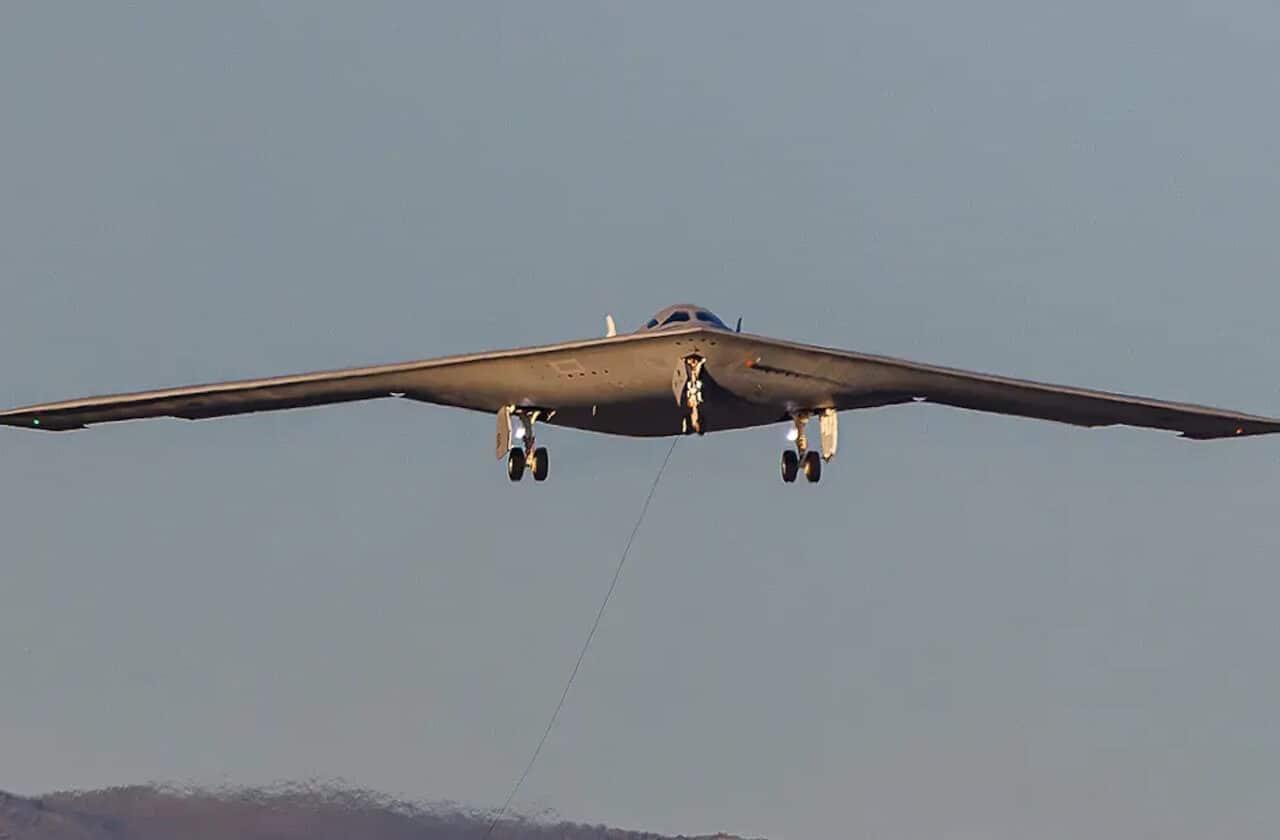

Lockheed Martin wants to rely on Saudi Arabia, the UAE and Qatar to develop its supercharged F-35
A few weeks ago, Jim Taiclet, CEO of Lockheed Martin, surprised his audience with the mention of an F-35 Nascar as a response.
 meta-defense.fr
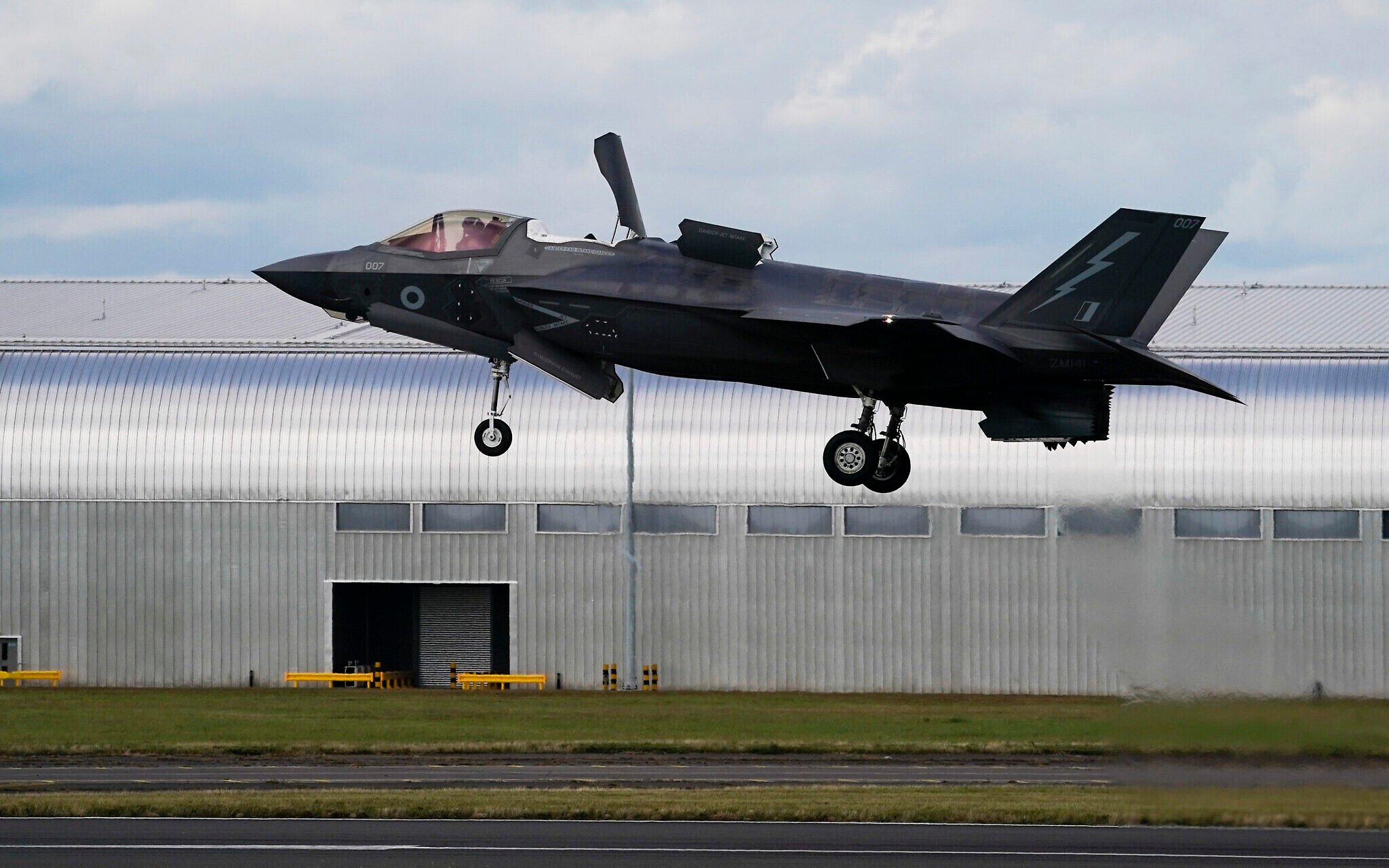
Sources: US discusses selling F-35 jets to Saudis, despite concerns it will harm Israeli military edge
* * *
 www.timesofisrael.com
@The SC what is your take on this and also the Chinese option (potentially although far less realistic for now)?
Also talk about the GCAP cooperation, KAAN (Turkey) etc.
The SC
INT'L MOD
- Thread starter
- #399
Well, they all want the F-35..so if it comes with TOT that is a big plus..why not..China might then offer it is J-20 with TOT also..and we will see a good competition..Lockheed Martin wants to rely on Saudi Arabia, the UAE and Qatar to develop its supercharged F-35
Reading time : 22 min.
By Fabrice Wolf
30 MAY 2025
A few weeks ago, Lockheed Martin CEO Jim Taiclet surprised his audience with the suggestion of an F-35 Nascar as a potential response to the resounding failure of the US Air Force's award of the NGAD program to Boeing and its F-22 on March 2025, 47.
Deliberately vague about what this supercharged F-35 will be, its schedule and its technologies, the American CEO then simply indicated that it would involve integrating into the aircraft certain technologies developed by the aircraft manufacturer in the final phase of the NGAD program, to allow it to achieve 80% of the performance and capabilities of the 6th generation, for only 50% of the costs. However, at that time, beyond a chocolate bar name and a laundry detergent slogan, this F-35 MKII program was far too opaque to prove convincing.
Jim Taiclet's latest speech this week at the Bernstein Strategic Decisions Conference no longer raises eyebrows, nor does it involve the kind of journalistic quips that catch the eye.
Indeed, beyond the few details on the capabilities that the aircraft will be equipped with, which were, for the most part, expected, it is above all the commercial and industrial strategy that the most powerful defence manufacturer on the planet intends to implement around this programme, which, while it undoubtedly commands respect, also represents an extremely tangible threat to European industry in this area, and in particular, to the GCAP and SCAF programmes.
Summary
- Deprived of the American 6th generation, Lockheed Martin wants to expand the fleet and the attractiveness of the F-35 on the international scene
- Some additional details on the supercharged F-35 that Lockheed Martin aims to develop
- Like Boeing with the F-15, Lockheed Martin is willing to bet on Saudi Arabia, Qatar and/or the United Arab Emirates to develop its F-35 MkII
- A historically favorable context with an American executive obsessed with signing major defense contracts
- By involving Riyadh, Doha and Abu Dhabi in the F-35 MkII program, Lockheed Martin would directly threaten the European GCAP and SCAF programs.
- Conclusion
Deprived of the American 6th generation, Lockheed Martin wants to expand the fleet and the attractiveness of the F-35 on the international scene
With the F-117, then the F-22, and finally the F-35, Lockheed Martin had won, in the 80s and 90s, all the development contracts for American 5th generation tactical fighter aircraft, putting the company at the top of the global defense hierarchy for many years.
US Air Force F-22 and F-35A, flying alongside a Kratos XQ-58A combat drone
In fact, the American aircraft manufacturer, with more than 2000 firm orders for the F-35, approached the transition to the 6th generation, from the mid-2010s, with a high level of confidence, exceptional technological achievements, and unparalleled investment reserves.
Was it due to overconfidence, a desire on the part of the executive to rebalance American industrial supply in this area, or in reaction to the contractual conditions concerning the F-35 that were far too favorable to the aircraft manufacturer? Whatever the case, Lockheed Martin has been brought down from the pedestal that the US Air Force had built for it over thirty years, and this, in less than ten years.
B-21 Raider, F/A-XX and F-47: A three-act downfall of the most powerful defense company on the planet
This three-part downfall began in October 2015, when the $21 billion contract to design the US Air Force's future B-21 Raider strategic bomber was awarded to Northrop Grumman. However, the aircraft manufacturer's experience in this specific field, with the design of the B-2 Spirit, was then accepted as a plausible explanation for the defeat of the US military aviation superstar since the public presentation of the F-117 in 1989.
If the strategic bombing segment was assigned to Northrop Grumman, no one imagined, however, that the tactical combat aircraft segment could then escape LM, after the very successful F-22 Raptor, and the immense commercial success of the F-35, and the aircraft manufacturer was universally recognized, until recently, as the big favorite of the two American 6th generation programs in this category: the NGAD of the US Air Force, and the NGAD (yes, same acronym, but different program) of the US Navy, which we will refer to here by its other name, the F/A-XX program.
It must be said that everything then seemed to point to LM for these two contracts. First, because Northrop Grumman had not built tactical fighter aircraft for the American Air Force since the F-14 Tomcat. Second, because the third largest American aircraft manufacturer, Boeing, had become entangled in immense industrial and financial difficulties, characterized by the difficulties and delays in developing the KC-46A tanker and the T-7A trainer aircraft, requiring the replacement of a large part of its executive management.
Northrop Grummand B-21 during its test pass
Lockheed Martin wants to rely on Saudi Arabia, the UAE and Qatar to develop its supercharged F-35
A few weeks ago, Jim Taiclet, CEO of Lockheed Martin, surprised his audience with the mention of an F-35 Nascar as a response.
Sources: US discusses selling F-35 jets to Saudis, despite concerns it will harm Israeli military edge
* * *
@The SC what is your take on this and also the Chinese option (potentially although far less realistic for now)?
Also talk about the GCAP cooperation, KAAN (Turkey) etc.
The GCAP project is shaky for now..and it is not the same category anyway..it is a sixth G..
As for KAAN..it should be supported by the GCC..whatever happens with the F-35 or J-20.. no one else will give you full TOT or almost.. and that is big for the present and future of the airspace industry of the region..
The SC
INT'L MOD
- Thread starter
- #400
South Korea unveils its advanced K2PL tank with super capabilities… and possible deals with Saudi Arabia, the UAE, Egypt and Iraq are approaching

October 7, 2025:
Hyundai Rotem recently released exciting footage of the modified K2PL tank, which in its exterior looks very close to the Leopard 2A8 tanks. This version is offered as the standard model for intended export to several countries, including Romania, Saudi Arabia, the Emirates, Egypt, Iraq and Peru. K2PL has four main technical elements that make it interesting.
First, Hyundai Rotem's new Active Protection System (APS). Although there is a clear similarity to the Israeli "Trophy" system, the new system actually uses, according to some, interception media similar to those used in "Trophy"; We can imagine it as in an iPhone that integrates components from Korea and Japan - integrating multiple components from different sources into one system. Other vital elements of the system, from the mainframe to the AESA high-precision radar, optical sensors, launcher, and loading device, as well as their integration into an integrated system, were designed by Hyundai Rotem and an unnamed specialized Korean company.
Second, a special shield developed. It appears that the current inner armor will be replaced by newer technology from Samyang, which aims to significantly reduce size and weight in order to improve the overall performance of the tank. This trend is in line with tank manufacturers' aspirations to strengthen protection while reducing the weight burden.
The third and fourth features are an anti-drone jammer and a remote-controlled weapons system (RCWS).
It is important to note that the footage shown is based on a version shown at KADEX 2024, and that the final design may vary somewhat upon actual production. There is an indication in the display that there is an additional AESA radar dedicated to the active protection system, supposed to be placed above the tank turret, but it remains unclear whether this will apply to subsequent batches of K2PL.
The name of Hyundai's new APS system has not yet been decided. On the other hand, both the Hyundai Rotem and Hanwa Group protection systems are extensions of the APS-11K system, which was developed about seventeen years ago. It is noted that the Hanwa system looks very similar to the APS-11K, while the chances are slim that the newer Hanwa system will be applied to the K2 platform itself.
From a platform design perspective, it's worth noting that the K2 tank, as an advanced platform launched after the first decade of the 21st century, is largely digitally designed and uses advanced materials to reduce weight. This reaffirms a recurring idea on social media that "greater weight does not necessarily mean better survivability". As weight increases, overall performance decreases and maintenance costs increase, which is why the global development of tank platforms is moving towards reducing weight while focusing protection on vital areas.
This does not mean that enhancing conventional protection is not possible, as mesh armor can always be added or the thickness of armored layers increased according to field requirements. However, the K2 tank's design features an additional technical dimension: an advanced active suspension system that gives it high scalability and enhances its kinetic performance and combat capabilities. Self-lowering hull technology (self-hull-down) also allows the tank to improve the level of stealth and protection in various terrains, whether in desert, plain or mountainous environments.

When discussing combat platform supply deals, it is necessary to separate technical performance from commercial factors. The platform's configuration and technical capabilities are negotiable and subject to modification by major companies with integrated solutions, while sensitive components such as combat systems, ammunition, and missiles - which may constitute between 20% and 50% of the transaction value - are typically non-modifiable. In practice, buyers and sellers prioritize the price of the final package first, then local manufacturing ratios, delivery dates, industrial compensation programs (Offsets) and other economic and political conditions. This trend is clearly evident in offshore platform deals, where price and accompanying packages can take precedence over technical superiority alone when making a purchasing decision.
The K2PL is an important step in Korea's tank technology export journey, and the next generation, especially the K3 project, is expected to achieve similar or greater export success, while maintaining the right balance between protection, mobility and operational economy.
_Arabia_
Trusted Member
South Korea unveils its advanced K2PL tank with super capabilities… and possible deals with Saudi Arabia, the UAE, Egypt and Iraq are approaching
View attachment 152040
October 7, 2025:
Hyundai Rotem recently released exciting footage of the modified K2PL tank, which in its exterior looks very close to the Leopard 2A8 tanks. This version is offered as the standard model for intended export to several countries, including Romania, Saudi Arabia, the Emirates, Egypt, Iraq and Peru. K2PL has four main technical elements that make it interesting.
First, Hyundai Rotem's new Active Protection System (APS). Although there is a clear similarity to the Israeli "Trophy" system, the new system actually uses, according to some, interception media similar to those used in "Trophy"; We can imagine it as in an iPhone that integrates components from Korea and Japan - integrating multiple components from different sources into one system. Other vital elements of the system, from the mainframe to the AESA high-precision radar, optical sensors, launcher, and loading device, as well as their integration into an integrated system, were designed by Hyundai Rotem and an unnamed specialized Korean company.
Second, a special shield developed. It appears that the current inner armor will be replaced by newer technology from Samyang, which aims to significantly reduce size and weight in order to improve the overall performance of the tank. This trend is in line with tank manufacturers' aspirations to strengthen protection while reducing the weight burden.
The third and fourth features are an anti-drone jammer and a remote-controlled weapons system (RCWS).
It is important to note that the footage shown is based on a version shown at KADEX 2024, and that the final design may vary somewhat upon actual production. There is an indication in the display that there is an additional AESA radar dedicated to the active protection system, supposed to be placed above the tank turret, but it remains unclear whether this will apply to subsequent batches of K2PL.
The name of Hyundai's new APS system has not yet been decided. On the other hand, both the Hyundai Rotem and Hanwa Group protection systems are extensions of the APS-11K system, which was developed about seventeen years ago. It is noted that the Hanwa system looks very similar to the APS-11K, while the chances are slim that the newer Hanwa system will be applied to the K2 platform itself.
From a platform design perspective, it's worth noting that the K2 tank, as an advanced platform launched after the first decade of the 21st century, is largely digitally designed and uses advanced materials to reduce weight. This reaffirms a recurring idea on social media that "greater weight does not necessarily mean better survivability". As weight increases, overall performance decreases and maintenance costs increase, which is why the global development of tank platforms is moving towards reducing weight while focusing protection on vital areas.
This does not mean that enhancing conventional protection is not possible, as mesh armor can always be added or the thickness of armored layers increased according to field requirements. However, the K2 tank's design features an additional technical dimension: an advanced active suspension system that gives it high scalability and enhances its kinetic performance and combat capabilities. Self-lowering hull technology (self-hull-down) also allows the tank to improve the level of stealth and protection in various terrains, whether in desert, plain or mountainous environments.
View attachment 152041
When discussing combat platform supply deals, it is necessary to separate technical performance from commercial factors. The platform's configuration and technical capabilities are negotiable and subject to modification by major companies with integrated solutions, while sensitive components such as combat systems, ammunition, and missiles - which may constitute between 20% and 50% of the transaction value - are typically non-modifiable. In practice, buyers and sellers prioritize the price of the final package first, then local manufacturing ratios, delivery dates, industrial compensation programs (Offsets) and other economic and political conditions. This trend is clearly evident in offshore platform deals, where price and accompanying packages can take precedence over technical superiority alone when making a purchasing decision.
The K2PL is an important step in Korea's tank technology export journey, and the next generation, especially the K3 project, is expected to achieve similar or greater export success, while maintaining the right balance between protection, mobility and operational economy.
There has been a lot of talk of tanks becoming obsolete in the future. I tend to agree.
Sure armor improvement has occurred over the years but the strength in materials and cost has reached close to its maximum while effective anti-tank weapons keep getting cheaper, having a longer range and becoming more effective. So there's a point, with all things considered, including the economics of it as well as materials science, where the strategic value of a tank is low. We see that clearly in Ukraine right now.
Also from where/who can invade/attack KSA with tanks anyway or the other way around (KSA attacking using tanks)? Outside of the small GCC states and Iraq (Northern Borders region), all of the terrain is mountainous or very difficult in terms of using tanks. The biggest hotspot is the almost 2000 km long border with Yemen (potentially). All heavily mountainous or uninhabited mostly (Rub' al-Khali) and almost completely impossible for tanks to trespass. Rest is protected by sea and water.
I would focus on drones, AI, the Navy and Air Force. I believe the Land Forces have well over 1000 tanks already. Unless this Korean option is about replacing/adding to the M1A2 Abrams fleet.
Also has this Korean tank been tested in the geography and climate of KSA which poses its own challenges?
I would love to hear some arguments why KSA should buy more tanks. Looking from the outside as an amateur military enthusiast, it should not be a priority at all IMO.

Pakistani Dragon
Elite Member


The question should be whether Saudi Arabia's THAAD will work against Zionist aircraft?... Is there anyone other than the UAE that is operating the THAAD in the region? I don't think so.
I don't think that even the Zionists/Israel has any THAAD, the batteries deployed to them were US ones but in any case Israel might just as well be a part of the US to begin with so it does not really matter.
Everything in Qatar failed to work as we learnt recently despite Qatar pays the US $10 annually billion for protection.
_Arabia_
Trusted Member
Good question. Who knows? Also we are not privy to what went on in Qatar other than Israel actually falling with their mission and goals unlike in Iran, Lebanon, Gaza (next door obviously, the last two).The question should be whether Saudi Arabia's THAAD will work against Zionist aircraft?
Everything in Qatar failed to work as we learnt recently despite Qatar pays the US $10 annually billion for protection.
Also THAAD, Patriot and every other system is not bulletproof. Qataris were probably caught off-guard plus they have a tiny military anyway. I think the Americans knew about the attack in advance and probably conspired with the Zionists or even prevented the Qataris from acting. We are talking about minutes here to react in.
THAAD is not designed for fighter jets to begin with. It is specifically engineered to intercept short, medium and intermediate-range ballistic missiles. No system is foolproof either as we have seen in every conflict.
KSA is also the largest nation in the region and the 12th largest nation on earth and it is impossible to defend every inch at all times.
However KSA Is one of the countries of the world with the most experience in shooting down ballistic missiles, drones etc. due to the war/conflict with the Houthis. Overall the air defense forces did very well in stopping the vast majority of all attacks.
Anyway why would Israel attack KSA? I don't see it happening out of nowhere just like I don't see them attacking Turkey, Egypt and Pakistan. If you notice, they are only attacking weak/defenseless (mostly) targets. That too only due to Western/US support.
Pakistani Dragon
Elite Member
There are so many radars in the region providing full coverage from Zion to Qatar, yet not one of them detected Zion's aircraft. What does that tell you?... Qataris were probably caught off-guard plus they have a tiny military anyway. I think the Americans knew about the attack in advance and probably conspired with the Zionists or even prevented the Qataris from acting. We are talking about minutes here to react in. ...
_Arabia_
Trusted Member
It does not tell me much as apparently the Israelis used international waters in the north of the Red Sea to attack from, using ballistic missiles fired from fighter jets (likely F-35). Well above the stratosphere. Not sure what this has to do with THAAD or KSA. As relevant as their many attacks on Iran and elsewhere in the neighborhood.There are so many radars in the region providing full coverage from Zion to Qatar, yet not one of them detected Zion's aircraft. What does that tell you?
In any case they failed spectacularly.
Users who are viewing this thread
Total: 25 (members: 0, guests: 25)
Pakistan Defence Latest
-
Federal cabinet gives nod to imposition of emergency in KP; summary sent to president (14 Viewers)
- Latest: HAIDER
-
-

-
-
PTI Murad Saeed in Afghanistan, was 'controlling KP govt' from there: Rana Sanaullah (4 Viewers)
- Latest: Prophecy
Country Watch Latest

Latest Posts
-
-

-

-
Federal cabinet gives nod to imposition of emergency in KP; summary sent to president (14 Viewers)
- Latest: HAIDER
-