Navigation
Install the app
How to install the app on iOS
Follow along with the video below to see how to install our site as a web app on your home screen.
Note: This feature may not be available in some browsers.
More options
Style variation
You are using an out of date browser. It may not display this or other websites correctly.
You should upgrade or use an alternative browser.
You should upgrade or use an alternative browser.
Saudi Arabia strategic Projects: news, discussions & updates
- Thread starter The SC
- Start date
More options
Who Replied?

The SC
INT'L MOD
- Thread starter
- #17
Another important achievement that supports the Kingdom’s efforts to assume a leading position in the maritime and logistics sector. The Kingdom’s becoming a member of the International Maritime Organization Council complements the efforts of the International Maritime Industries Company to become a world-class maritime center, stimulating the Kingdom’s path of diversification and economic development within the framework of Vision 2030.


The SC
INT'L MOD
- Thread starter
- #20
A new media scoop for the #Saudi_Channel.. and in the #Project program, which reveals for the first time the details of the King Salman International Marine Industries Complex in cooperation with Aramco.
According to what was mentioned in the program, the production capacity of the ship engine factory will reach more than 200 two- and four-stroke engines for various types of ships, and it is the first factory in the Middle East and North Africa.
With exclusive licenses from companies such as:
- German MAN
- And Korean Hyundai
According to what was mentioned in the program, the production capacity of the ship engine factory will reach more than 200 two- and four-stroke engines for various types of ships, and it is the first factory in the Middle East and North Africa.
With exclusive licenses from companies such as:
- German MAN
- And Korean Hyundai
The SC
INT'L MOD
- Thread starter
- #22
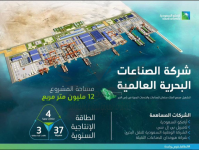
- Dry docks #1 and #2 are supported by five dedicated portal cranes, with 30 ton, 50 ton and 100 ton capacities
- Dry dock #2 is the largest in the facility and wide enough to allow for the entry of the largest jack-ups rigs and semisubmersibles
- The Synchro Lift in this zone is one of the largest in the world and the largest in the MENA region with a total lift capacity of 25,000 tons
- Dry dock #3 is supported by two large goliath cranes – one at 1,650 tons, the other at 500 tons
- Together these cranes give a combined tandem lift of 2,150 tons, placing them among the strongest in the world
The SC
INT'L MOD
- Thread starter
- #23
The Kingdom's maritime sector is expected to witness a compound annual growth rate of 7.5% by 2030. We at #International_Maritime_Industries are proud to be at the forefront of this growth by employing modern technologies and the expertise of our experienced team to advance shipbuilding, procurement and construction operations.
#Vision_2030
#Vision_2030

The SC
INT'L MOD
- Thread starter
- #26
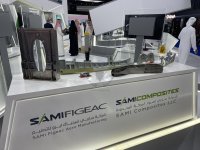
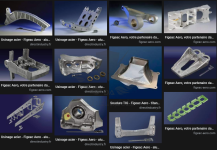
Approval of a project to manufacture aircraft structure components between the Saudi Military Industries Company, the Saudi Dussur Company, and the French Figeac Aero Company.
It is a good choice to have Figeac Aero as our partner
I had hoped that we would choose this leading French company that supplies Airbus with its aircraft structures, and thank God that happened
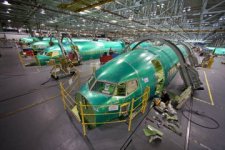
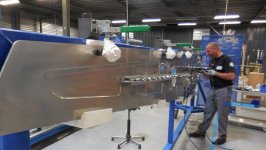
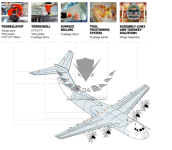
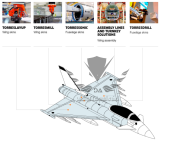
The agreement stipulates the establishment of a joint venture between the Saudi Military Industries Company and Figeac Aéro to establish a facility for manufacturing metal aircraft structures in the Kingdom of Saudi Arabia. The Saudi Military Industries Company will own the majority of shares in the new entity that will implement contracts related to manufacturing metal components for military and commercial aviation
“We are very excited about this new industrial journey,” said Jean-Claude Millard, Chairman and CEO of Figeac Aéro.
SAMI CEO: “We are pleased to collaborate with a company with the reputation of Figeac Aéro, and we look forward to working closely with them in the future. “This project represents the backbone of the aircraft manufacturing industries, and will enhance our local capabilities, in line with the goals set in Saudi Vision 2030. By building a solid foundation for local manufacturing, we will be able to achieve significant cost savings while ensuring a safer and more secure future for the Kingdom and its people.”
This company is the basis for our upcoming industrial boom soon, God willing
It will manufacture special metal and alloy parts and components for aircraft and components for jet engines or gas turbines for power plants, such as (combustion liners, fuel nozzle covers, blades, etc.)
#Crown Prince MBS
#Saudi_industry
It is a good choice to have Figeac Aero as our partner
I had hoped that we would choose this leading French company that supplies Airbus with its aircraft structures, and thank God that happened
The agreement stipulates the establishment of a joint venture between the Saudi Military Industries Company and Figeac Aéro to establish a facility for manufacturing metal aircraft structures in the Kingdom of Saudi Arabia. The Saudi Military Industries Company will own the majority of shares in the new entity that will implement contracts related to manufacturing metal components for military and commercial aviation
“We are very excited about this new industrial journey,” said Jean-Claude Millard, Chairman and CEO of Figeac Aéro.
SAMI CEO: “We are pleased to collaborate with a company with the reputation of Figeac Aéro, and we look forward to working closely with them in the future. “This project represents the backbone of the aircraft manufacturing industries, and will enhance our local capabilities, in line with the goals set in Saudi Vision 2030. By building a solid foundation for local manufacturing, we will be able to achieve significant cost savings while ensuring a safer and more secure future for the Kingdom and its people.”
This company is the basis for our upcoming industrial boom soon, God willing
It will manufacture special metal and alloy parts and components for aircraft and components for jet engines or gas turbines for power plants, such as (combustion liners, fuel nozzle covers, blades, etc.)
#Crown Prince MBS
#Saudi_industry
The SC
INT'L MOD
- Thread starter
- #27
This decision is one of the most important decisions in the history of Saudi Arabia and the most important..
Leaning completely on the West's fortune can be harmful and leads to.. blackmail and political and security pressure
Let us not forget the Arab Autumn and their threats to Saudi Arabia..
This is a mighty position and strategic decision..
The SC
INT'L MOD
- Thread starter
- #28
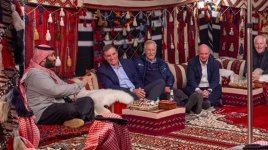
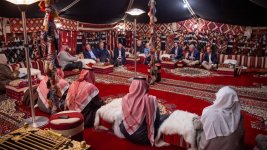
CBS: US Congressional staff flock to the Saudi Crown Prince's winter tent in Al-Ula
Bloomberg: In the tent of Prince Mohammed bin Salman, his critics were present, and negotiations are continuing..
Saudi Arabia resumes talks with the United States regarding a defense agreement and normalization with Israel Bloomberg+
Saudi Arabia has resumed talks with the United States on closer defense ties after a temporary pause after the war between Israel and Hamas began in early October, according to people familiar with the discussions.
The sources, who requested anonymity due to the sensitivity of the matter, said that discussions took place in the city of Al-Ula in northwestern Saudi Arabia between the de facto ruler, Crown Prince Mohammed bin Salman, and members of the US Senate earlier this month, and they said that the agenda included reviving... Previous negotiations on a defense agreement would also have included a historic partnership between Saudi Arabia and Israel.
MBS, as the 38-year-old leader is known, said he still sees opportunities for more US cooperation despite anger across the Arab world over ongoing attacks by Israel, a key US ally, on Hamas, and the killing of Palestinians in Gaza. Two people who have knowledge of his thinking.
The United States is also at the center of escalating regional tensions following the deadly attack on US forces in Jordan, along with other airstrikes.
A major obstacle to the talks is that Saudi Arabia has long said that any agreement with Israel would be conditional on the creation of an independent state for the Palestinians, an issue strongly opposed by the government of Israeli Prime Minister Benjamin Netanyahu. This resolve has been strengthened since the outbreak of war with Hamas, a group that Israel says needs to be completely destroyed to ensure its safety. Given the potential backlash among Arabs and Muslims toward any deal with Israel, the kingdom must move cautiously.
The Kingdom is sending what it hopes are the right signals to all parties concerned, which include emphasizing that any agreement is now conditional on the establishment of a state for the Palestinians, and pressing for a ceasefire in Gaza while engaging the United States in post-war scenarios.
The Saudi Ministry of Defense referred questions to the government, whose International Communications Center did not immediately respond to a request for comment, and the US National Security Council also declined to comment.
Prince Mohammed's guests included former critics such as New York Sen. Kirsten Gillibrand, who previously signed a letter to his father, King Salman, expressing concern about "systematic human rights violations" — including the killing of Washington Post columnist Jamal Khashoggi. Another visitor was Mark Warner, the chairman of the Senate Intelligence Committee and also a Democrat, who in 2018 referred to Saudi Arabia’s “merciless bombing” in Yemen.
One of the matters of common interest between Saudi Arabia and the United States is how to confront the Houthi group in Yemen, with which Mohammed bin Salman is trying to reach a peace agreement after a decade of fighting. The United States is currently carrying out air strikes against the Houthis in response to the Iranian-backed group's ongoing attacks on shipping in the Red Sea, disrupting global trade.
The United States is also considering a response to the attack in Jordan, which President Joe Biden blamed on militias backed by Tehran. Iran urged the United States to use diplomacy to ease tensions, while denying its involvement in the attack. The US-Saudi defense agreement and American assistance in launching a civilian nuclear program were among the main preconditions for the kingdom to normalize relations with Israel before October 7, when Hamas sparked the war. With Israel by invading the south of the country.
There has been talk of combining everything into one deal that would facilitate congressional approval and help Biden make big foreign policy gains in an election year.
Everything changed after that date, as the issue of a Palestinian state was less likely than ever to be marginalized to the margins. But the way Iran was able to mobilize members of the so-called resistance axis, including Hamas and the Houthis, in such a coordinated way was a stark reminder to the leadership. Saudi Arabia acknowledges the serious threats posed by the Islamic Republic despite a China-brokered rapprochement with Tehran last year and Riyadh's efforts to build closer diplomatic and economic ties with its longtime rival.
Mark Kelly, a Democratic senator from Arizona and a former US Navy officer who was among those who met with Mohammed bin Salman this month, said in a statement that he spoke to the crown prince about his time in the region during the 1990-1991 Gulf War and “opportunities.” To strengthen the long military relationship between their countries to confront common threats such as Iran.
People familiar with his thinking said that Mohammed bin Salman himself is focused first and foremost on reforming and strengthening the defense relationship with Washington. Proving that Saudi Arabia is a safe place despite the conflicts surrounding it has become more urgent as the country attempts to bring some of the world's largest companies, investors and tourists to the country, all part of an ambitious plan to transform the Saudi economy.
Bilal Saab, director of the Defense and Security Program at the Middle East Institute in Washington, said that one of the urgent priorities of Mohammed bin Salman and the Saudi leadership is to convince Biden to ease or lift the freeze on the sale of offensive weapons imposed on the Kingdom three years ago, to replenish stocks of missiles, bombs and precision-guided munitions. He said. Saab: “They are already linked to the United States,” referring to Washington’s role as the largest arms supplier to Saudi Arabia, and that most of the kingdom’s weapons systems are American.
Mark Dubowitz, CEO of the Foundation for Defense of Democracies, a think tank, said Saudi Arabia strongly believes there are no viable alternatives to its defense and security relationship with Washington.
Dubowitz, who is close to Israeli, Saudi and American officials involved in the normalization talks, said that given the complexities that come with needing a government in Israel willing to accept a two-state solution with the Palestinians, strengthening the US-Saudi defense relationship may be necessary and the only viable part in the long term. Al-Quseir. He said that the Saudi message now to all American officials is, “We need America and America needs us.”
Bloomberg: In the tent of Prince Mohammed bin Salman, his critics were present, and negotiations are continuing..
Saudi Arabia resumes talks with the United States regarding a defense agreement and normalization with Israel Bloomberg+
Saudi Arabia has resumed talks with the United States on closer defense ties after a temporary pause after the war between Israel and Hamas began in early October, according to people familiar with the discussions.
The sources, who requested anonymity due to the sensitivity of the matter, said that discussions took place in the city of Al-Ula in northwestern Saudi Arabia between the de facto ruler, Crown Prince Mohammed bin Salman, and members of the US Senate earlier this month, and they said that the agenda included reviving... Previous negotiations on a defense agreement would also have included a historic partnership between Saudi Arabia and Israel.
MBS, as the 38-year-old leader is known, said he still sees opportunities for more US cooperation despite anger across the Arab world over ongoing attacks by Israel, a key US ally, on Hamas, and the killing of Palestinians in Gaza. Two people who have knowledge of his thinking.
The United States is also at the center of escalating regional tensions following the deadly attack on US forces in Jordan, along with other airstrikes.
A major obstacle to the talks is that Saudi Arabia has long said that any agreement with Israel would be conditional on the creation of an independent state for the Palestinians, an issue strongly opposed by the government of Israeli Prime Minister Benjamin Netanyahu. This resolve has been strengthened since the outbreak of war with Hamas, a group that Israel says needs to be completely destroyed to ensure its safety. Given the potential backlash among Arabs and Muslims toward any deal with Israel, the kingdom must move cautiously.
The Kingdom is sending what it hopes are the right signals to all parties concerned, which include emphasizing that any agreement is now conditional on the establishment of a state for the Palestinians, and pressing for a ceasefire in Gaza while engaging the United States in post-war scenarios.
The Saudi Ministry of Defense referred questions to the government, whose International Communications Center did not immediately respond to a request for comment, and the US National Security Council also declined to comment.
Prince Mohammed's guests included former critics such as New York Sen. Kirsten Gillibrand, who previously signed a letter to his father, King Salman, expressing concern about "systematic human rights violations" — including the killing of Washington Post columnist Jamal Khashoggi. Another visitor was Mark Warner, the chairman of the Senate Intelligence Committee and also a Democrat, who in 2018 referred to Saudi Arabia’s “merciless bombing” in Yemen.
One of the matters of common interest between Saudi Arabia and the United States is how to confront the Houthi group in Yemen, with which Mohammed bin Salman is trying to reach a peace agreement after a decade of fighting. The United States is currently carrying out air strikes against the Houthis in response to the Iranian-backed group's ongoing attacks on shipping in the Red Sea, disrupting global trade.
The United States is also considering a response to the attack in Jordan, which President Joe Biden blamed on militias backed by Tehran. Iran urged the United States to use diplomacy to ease tensions, while denying its involvement in the attack. The US-Saudi defense agreement and American assistance in launching a civilian nuclear program were among the main preconditions for the kingdom to normalize relations with Israel before October 7, when Hamas sparked the war. With Israel by invading the south of the country.
There has been talk of combining everything into one deal that would facilitate congressional approval and help Biden make big foreign policy gains in an election year.
Everything changed after that date, as the issue of a Palestinian state was less likely than ever to be marginalized to the margins. But the way Iran was able to mobilize members of the so-called resistance axis, including Hamas and the Houthis, in such a coordinated way was a stark reminder to the leadership. Saudi Arabia acknowledges the serious threats posed by the Islamic Republic despite a China-brokered rapprochement with Tehran last year and Riyadh's efforts to build closer diplomatic and economic ties with its longtime rival.
Mark Kelly, a Democratic senator from Arizona and a former US Navy officer who was among those who met with Mohammed bin Salman this month, said in a statement that he spoke to the crown prince about his time in the region during the 1990-1991 Gulf War and “opportunities.” To strengthen the long military relationship between their countries to confront common threats such as Iran.
People familiar with his thinking said that Mohammed bin Salman himself is focused first and foremost on reforming and strengthening the defense relationship with Washington. Proving that Saudi Arabia is a safe place despite the conflicts surrounding it has become more urgent as the country attempts to bring some of the world's largest companies, investors and tourists to the country, all part of an ambitious plan to transform the Saudi economy.
Bilal Saab, director of the Defense and Security Program at the Middle East Institute in Washington, said that one of the urgent priorities of Mohammed bin Salman and the Saudi leadership is to convince Biden to ease or lift the freeze on the sale of offensive weapons imposed on the Kingdom three years ago, to replenish stocks of missiles, bombs and precision-guided munitions. He said. Saab: “They are already linked to the United States,” referring to Washington’s role as the largest arms supplier to Saudi Arabia, and that most of the kingdom’s weapons systems are American.
Mark Dubowitz, CEO of the Foundation for Defense of Democracies, a think tank, said Saudi Arabia strongly believes there are no viable alternatives to its defense and security relationship with Washington.
Dubowitz, who is close to Israeli, Saudi and American officials involved in the normalization talks, said that given the complexities that come with needing a government in Israel willing to accept a two-state solution with the Palestinians, strengthening the US-Saudi defense relationship may be necessary and the only viable part in the long term. Al-Quseir. He said that the Saudi message now to all American officials is, “We need America and America needs us.”
Last edited:
The SC
INT'L MOD
- Thread starter
- #29
His Highness the #Crown_Prince announces the launch of “Alat” Company to contribute to making the Kingdom a global center for electronics and advanced industries.
#To_create_a_better_tomorrow | #SPA
Alat=machines in English
“#Machines” specializes in manufacturing products that serve local and global markets, within seven strategic business units: advanced industries, semiconductors, smart home appliances, smart health, smart electronic devices, smart buildings, and the new generation of infrastructure.
#To_create_a_better_tomorrow | #SPA
Alat=machines in English
“#Machines” specializes in manufacturing products that serve local and global markets, within seven strategic business units: advanced industries, semiconductors, smart home appliances, smart health, smart electronic devices, smart buildings, and the new generation of infrastructure.
Last edited:
The SC
INT'L MOD
- Thread starter
- #30
Saudi Arabia Taps Former Dell Executive to Run $100 Billion Firm
(Bloomberg) -- Saudi Arabia named a former executive at Dell Technologies to lead a new investment firm backed by $100 billion in capital from the Public Investment Fund, that’s been set up to plow money into everything from technology to semiconductors and capital goods.
Amit Midha, formerly president for Asia Pacific and Japan, Global Digital Cities at Dell Technologies, was named as chief executive officer of the new entity. “Alat is a company focused on the transformation of leading global companies and building a world-class sustainable industrial and electronics hub in Saudi Arabia,” Midha wrote in a post on LinkedIn.
The vehicle will be chaired by Crown Prince Mohammed bin Salman and is set to officially launch on Feb. 20, with an announcement of its first wave of investments. It expects to sign deals with key international players and invest in large industrial firms the kingdom wants to see set up operations locally.
The Public Investment Fund is looking at making a “sizable investment” this year into the semiconductor industry, Saudi Minister of Communications and Information Technology Abdullah Alswaha told Bloomberg News in an interview at the World Economic Forum in Davos last month. “They plan to make an announcement on a particular champion within the space to lead the Saudi efforts,” he said at the time, declining to give further details.
The latest initiative underscores Saudi Arabia’s commitment to transform itself from an oil-dependent economy to a powerhouse that makes money on everything from tech to metals, mining and tourism. The Public Investment Fund has rapidly amassed $700 billion in assets and aims to control $1 trillion in 2025.
Another key ambition for Saudi is to develop an auto manufacturing hub on the West Coast. US EV-maker Lucid Group Inc. is already assembling cars there and is set to be joined by Hyundai Motor Co. and Ceer, a brand created by the PIF. Plans for the hub involve developing downstream industries, including by making chips and batteries.
https://www.bnnbloomberg.ca/saudi-a...l-executive-to-run-100-billion-firm-1.2031389
Users who are viewing this thread
Total: 4 (members: 0, guests: 4)


Country Watch Latest
-

-
Iran - Israel/US War: Israel-US declare war on Iran, Iran responds (111 Viewers)
- Latest: BananaRepublic
-

-

-
Latest Posts
-
-
Iran - Israel/US War: Israel-US declare war on Iran, Iran responds (111 Viewers)
- Latest: BananaRepublic
-
-
-