KARACHI: Pakistan has successfully secured alternative fuel supply routes as geopolitical tensions triggered the closure of the Strait of Hormuz, with four fuel vessels bypassing standard Middle Eastern chokepoints to deliver energy cargo to Karachi’s ports, simultaneously capitalising on regional shipping disruptions to cement its role as a rising transshipment hub.
Port Qasim Authority (PQA) confirmed Thursday that operations were proceeding efficiently across multiple berths and terminals, ensuring a steady flow of fuel products to domestic consumers and industry, despite the mounting regional crisis choking traditional maritime corridors.
According to online shipping tracking data, the tanker MT Nave Atropos, which is currently berthed at the FOTCO oil terminal and actively offloading 53,139 metric tons of gasoline, completed its voyage by navigating through the Indian Ocean into the Laccadive Sea before entering the Arabian Sea, entirely avoiding the now-inaccessible Strait of Hormuz. Two additional tankers - MT Spruce 2 and MT Sea Clipper are positioned at the outer anchorage of Port Qasim, awaiting their turn to berth. MT Spruce 2 is carrying 55,101 metric tons of Gas Oil, while MT Sea Clipper holds 40,229 metric tons of Mogas. Both vessels departed from anchorages in the Gulf region, navigated the Gulf of Oman, and charted a direct northeast course across the open Arabian Sea to Port Qasim. In the LPG sector, two carriers - Navigator Atlantic and Navigator Aries are currently berthed and actively discharging their cargoes at separate terminals.
Navigator Atlantic is anchored at the EVTL terminal, releasing 12,024 metric tons of LPG Mix. The vessel departed from the Port of Salalah on Oman’s southern coast, travelling entirely outside the Persian Gulf and Gulf of Oman, sailing northeast across the Arabian Sea, docking at the EVTL terminal, bypassing all current maritime chokepoints.
Navigator Aries, berthed at the SSGC Terminal, is offloading 11,196 metric tons of LPG Mix to meet growing domestic and industrial gas demand. Unlike other recent emergency shipments sourced from Oman or the UAE to avoid the Persian Gulf entirely, Navigator Aries began its voyage in late February, sailing south through the Persian Gulf and managing to transit the Strait of Hormuz just before geopolitical tensions fully closed the chokepoint to international shipping.
After clearing the Strait, the vessel crossed the Gulf of Oman and sailed northeast, reaching Port Qasim on March 4, 2026.
The vessel Ullswater, carrying 3,530 metric tons of LPG Mix, has been anchoring at the outer anchorage since March 5, 2026, due to the high volume of traffic currently being managed at the port. The ship departed from Khor al Fakkan, strategically located on the eastern coast of the UAE, facing the Gulf of Oman, and travelled east through the Gulf of Oman before crossing the Arabian Sea to queue for the EVTL LPG terminal.
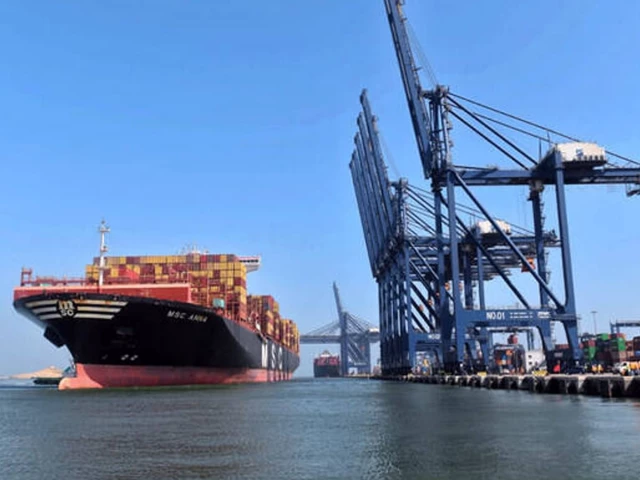
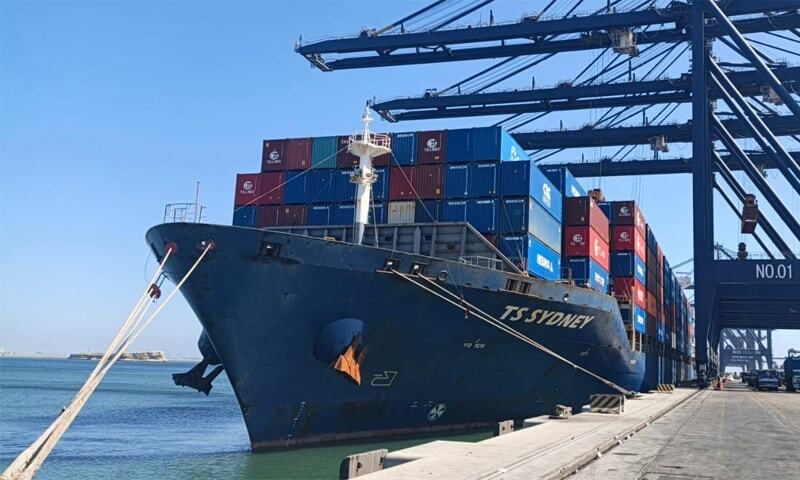
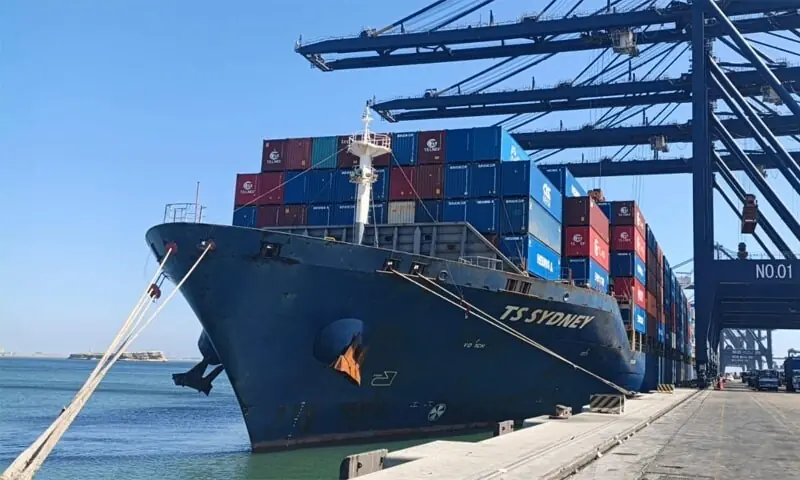
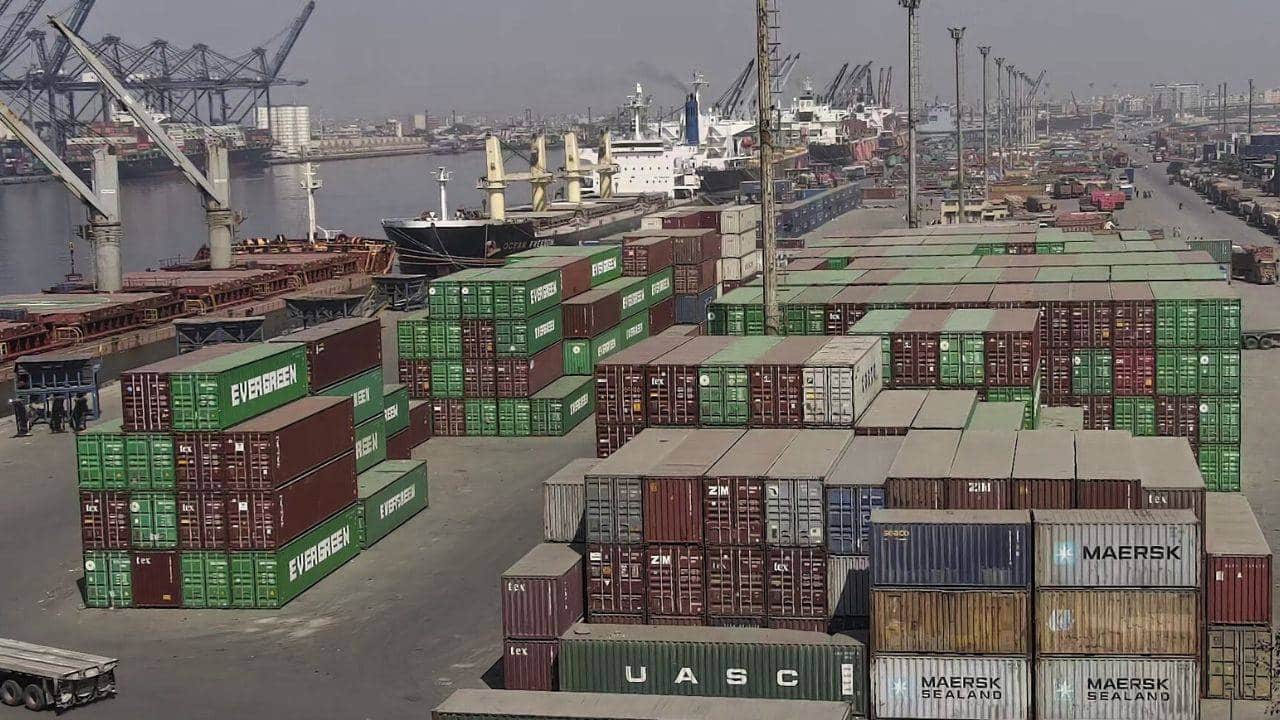
While Port Qasim manages Pakistan’s fuel security, Karachi Port is simultaneously turning the regional shipping crisis into a strategic opportunity, recording a notable rise in transshipment cargo handling as international shipping lines increasingly reroute operations away from disrupted Middle Eastern corridors. Two transshipment vessels were berthed simultaneously at Karachi Port, highlighting the port’s growing regional relevance. M/V CGLA Ocean Breeze 1 docked at the Karachi International Container Terminal (KICT), while M/V GFS Jade berthed at the Karachi Gateway Terminal Limited (KGTL). Both vessels are discharging transshipment containers destined for various ports across the Middle East.
Copyright Business Recorder, 2026