Uber, Lucid partner on new robotaxi service, taking on Waymo and Tesla
Uber will purchase 20,000 Lucid EVs and use
Nuro's self-driving software to power its service.
Uber (
UBER) is betting big on robotaxis, with pure-play electric vehicle maker Lucid (
LCID) as its partner.
The two companies, along with autonomous tech firm Nuro (
NURO.PVT), announced on Thursday morning a "next-generation premium global robotaxi program" exclusively for the Uber platform.
The new robotaxi program would outfit the Lucid Gravity SUV with Nuro Driver Level 4 autonomous software, deployed on Uber's platform and fleet management systems. Uber said the goal is to deploy 20,000 or more Lucid EVs equipped with Nuro Driver over the next six years.
The Lucid EVs will be owned and operated by Uber or its third-party fleet partners. The service is expected to launch next year in a "major US city." A Lucid robotaxi prototype using Nuro software is already being tested at Nuro's Las Vegas proving grounds.
Lucid stock soared nearly 40% on news of the deal.
As part of the deal, Uber said it will invest $300 million in Lucid, and a similar "multi-hundred-million-dollar" investment in Nuro.
"We're thrilled to partner with Nuro and Lucid on this new robotaxi program, purpose-built just for the Uber platform, to safely bring the magic of autonomous driving to more people across the world," Uber CEO Dara Khosrowshahi said in a statement.
"This investment from Uber further validates Lucid's fully redundant zonal architecture and highly capable platform as ideal for autonomous vehicles," Lucid interim CEO Marc Winterhoff said. "This is the start of our path to extend our innovation and technology leadership into this multi-trillion-dollar market."
The Uber-Lucid-Nuro robotaxi program is the latest bet on robotaxi services in the US, following Waymo's leadership in the space as the only true operator. Uber has also partnered with Alphabet's (
GOOG) Waymo on deployments in Austin, Texas, and Atlanta.
And just this week, Tesla (
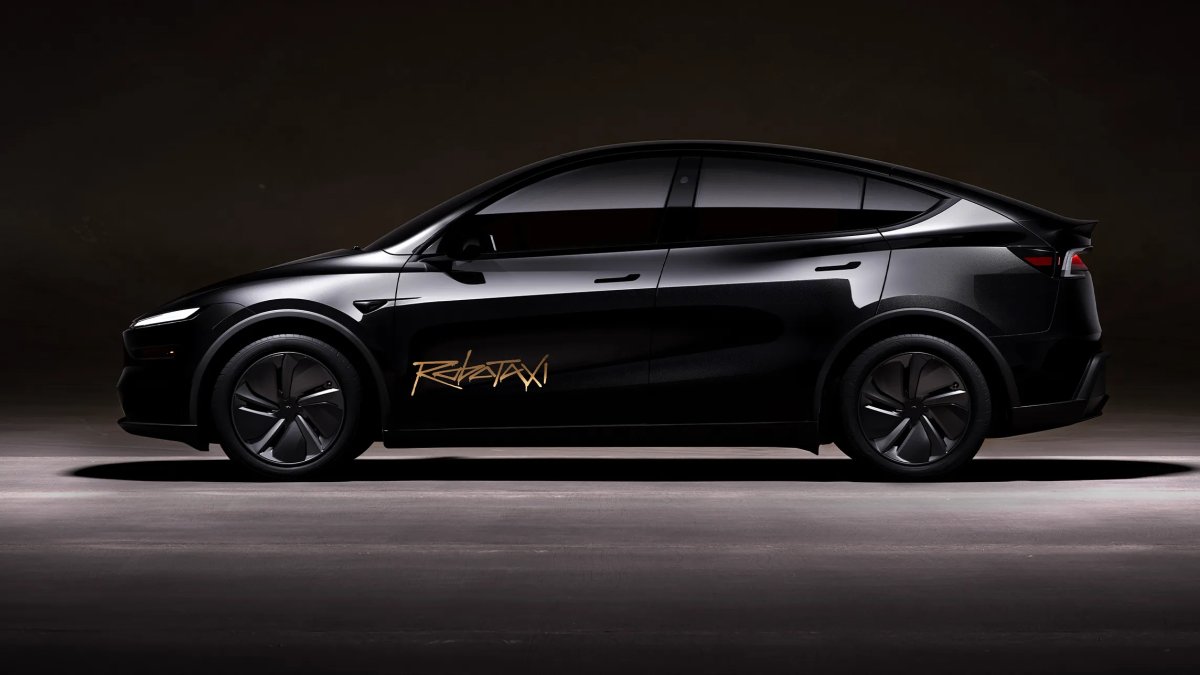
TSLA) expanded its robotaxi testing in Austin, and Musk said the company would expand testing to the San Francisco Bay Area. However, reports suggest those applications for those state permits have not been submitted.
Uber once had its own robotaxi operations, but the company pulled its efforts following a high-profile accident in Tempe, Arizona, in 2018.
As for Lucid, the California-based company announced a strong second quarter of deliveries, with the new Lucid Gravity SUV arriving in showrooms. Lucid's goal to deliver 20,000 Air sedans and Gravity SUVs in 2025 seems ambitious, but the orders coming from Uber will help meet that goal, assuming Lucid ramps up Gravity production.
Uber and Lucid, respectively, are top holdings in Saudi Arabia's Public Investment Fund's (PIF), which may shed some light on why the companies are partnering up. Per PIF's
latest 13F statement, noting the fund's holdings as of March 31, the fund owns a $5.31 billion stake in Uber and a $4.29 billion stake in Lucid, though PIF's stake in Lucid makes it the majority owner.

en.wikipedia.org
The company was founded by engineers of Google's self-driving car project,
Waymo.