Hamartia Antidote
Elite Member

Tin anode drives sodium-ion battery beyond LFP energy density - International Tin Association
Researchers from UC San Diego and Unigrid Battery have developed a new tin-based anode that delivers record-breaking energy density for sodium-ion batteries, surpassing that of commercial lithium iron phosphate (LFP) cells. Their simple yet powerful approach uses an almost pure tin electrode...
 www.internationaltin.org
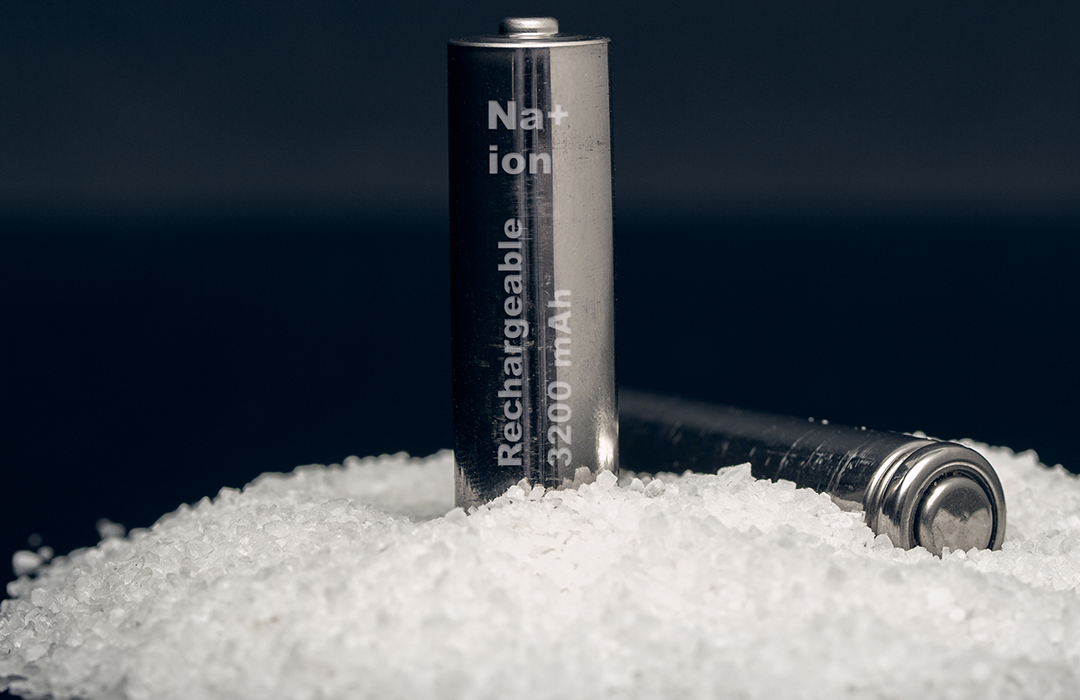
Researchers from UC San Diego and Unigrid Battery have developed a new tin-based anode that delivers record-breaking energy density for sodium-ion batteries, surpassing that of commercial lithium iron phosphate (LFP) cells. Their simple yet powerful approach uses an almost pure tin electrode (99.5%) to achieve 178 Wh/kg and 417 Wh/L in full pouch cells.
Sodium-ion batteries are gaining traction as a sustainable alternative to lithium-ion systems, but their energy density has typically lagged behind. The anode material is often the limiting factor, as conventional hard carbon stores only around 300 mAh g⁻¹ of charge, restricting overall cell capacity.
To overcome this, researchers have turned to tin (Sn), which can form high-capacity Na–Sn alloys (~847 mAh g⁻¹). While tin anodes are known to face challenges such as large volume expansion and electrolyte incompatibility, the team discovered that only minimal modification was required for stable cycling.
The electrode contained over 99% active tin, with just 0.25% single-walled carbon nanotubes (SWCNTs) and 0.25% binder (CMC), which is enough to aid mixing and flexibility, while relying on tin’s own high conductivity to carry charge effectively.
Paired with a sodium chromium oxide (NaCrO₂) cathode, the pouch cells maintained around 90% capacity after 100 cycles with minimal resistance build-up. Microscopy revealed that the tin reorganised during cycling into a more uniform, interconnected structure, promoting even sodium distribution and suppressing degradation.
This study shows that tin anodes could elevate sodium-ion batteries to compete directly with today’s leading battery technologies.
To network with experts in the field of tin in sodium-ion batteries, and to learn more about the topic itself, please visit our technology platform Tin Valley.
Inventing the Future of Batteries
Last edited: