Urdu Poetry / Jokes / Literature

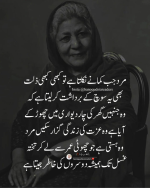
آج جذبات اور احساسات کے شاعر منیر نیازی کی 16 برسی ہے۔
زندہ رہیں تو کیا ہے جو مر جائیں ہم تو کیا
دنیا سے خامشی سے گذ جائیں ہم تو کیا
ہستی ہی اپنی کیا ہے زمانے کے سامنے
اک خواب ہیں جہاں میں بکھر جائیں ہم تو کیا
اب کون منتظر ہے ہمارے لیئے وہاں
شام آ گئی ہے لوٹ کے گھر جائیں ہم تو کیا
دل کی خلش تو ساتھ رہے گی تمام عمر
دریائے غم کے پار اتر جائیں ہم تو کیا
منیر نیازی
 
۔۔۔۔۔۔۔۔۔۔۔۔۔۔۔۔۔۔۔۔۔۔۔
(فیض صاحب وطن سے مخاطب ہیں)
دل مدعی کے حرف ملامت سے شاد ہے
اے جان جاں یہ حرف ترا نام ہی تو ہے
فیض احمد فیض
(9مارچ۔1954 کو منٹگمری جیل میں کہی گئی غزل)
ہم پر تمہاری چاہ کا الزام ہی تو ہے
دشنام تو نہیں ہے یہ اکرام ہی تو ہے
کرتے ہیں جس پہ طعن کوئی جرم تو نہیں
شوق فضول و الفت ناکام ہی تو ہے
دل مدعی کے حرف ملامت سے شاد ہے
اے جان جاں یہ حرف ترا نام ہی تو ہے
دل ناامید تو نہیں ناکام ہی تو ہے
لمبی ہے غم کی شام مگر شام ہی تو ہے
دست فلک میں گردش تقدیر تو نہیں
دست فلک میں گردش ایام ہی تو ہے
آخر تو ایک روز کرے گی نظر وفا
وہ یار خوش خصال سر بام ہی تو ہے
بھیگی ہے رات فیضؔ غزل ابتدا کرو
وقت سرود درد کا ہنگام ہی تو ہے
 
🥀یــہ زندگی ہـے_!!!💐

اک امتحاں مسلسل_!!!
کبھی بے تحاشہ خوشیاں
کبھ غم کی شب مسلسل_!!!
کبھی ساتھ ہو سبھی کا
کبھی ہوجائیں اکیلے__✨
کبھی ہو اداسی پل پل
کبھی قہقہے مسلسل__!!!
کبھی ساتھ دوستوں کا
کبھی محفلوں میں رونق__✨
کبھی بھیڑ میں بھی تنہا
کبھی خامشی مسلسل_!!!
کبھی اپنوں سے لڑائی
کبھی ہو جاۓ جدائی__✨
کبھی بات بھی نہ کرنا
کبھی گفتگو مسلسل_!!!
کبھی رب کو یاد کرنا
تسبیح نماز پل پل__✨
کبھی ایک سجدہ مشکل
اور دنیا میں گم مسلسل_!!🥀♥️
 
1704806137797.png
 
Last edited:
1704806090251.png
 
Last edited:
1704806045661.png
 
Last edited:
کتاب سادہ رہے گی کب تک؟
کبھی تو آغاز باب ہو گا
جنہوں نے بستی اجاڑ ڈالی،،
کبھی تو انکا حساب ہوگا
سحر کی خوشیاں منانے والو
سحر کے تیور بتا رہے ہیں
ابھی تو اتنی گھٹن بڑھے گی
کہ سانس لینا عذاب ہو گا
وہ دن گیا جب کہ ہر ستم کو،
ادائے محبوب سمجھ کے چپ تھے،
اٹَھے گی ہم پر جو اینٹ کوئی
‏تو پتھر اسکا جواب ہو گا۔۔۔۔۔۔
سکون صحرا میں بسنے والو۔۔
ذرا رتوں کا مزاج سمجھو۔۔
جو آج کا دن سکوں سے گزرا۔۔
تو کل کا موسم خراب ہوگا

...........................................................................................................

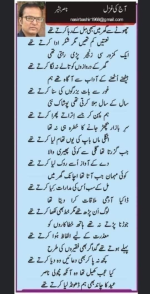
آواز دے کہاں ہے، دنیا میری جواں ہے

آج اس خوبصورت نغمہ کے خالق تنویر نقوی ہے۔
اردو کے نامور فلمی شاعر تنویر نقوی کا اصل نام سید خورشید علی تھا اور وہ 6 فروری 1919ء کو لاہور میں پیدا ہوئے تھے۔ ان کا تعلق ایک علمی اور ادبی گھرانے سے تھا اور ان کے بڑے بھائی بھی نوا نقوی کے نام سے شاعری کرتے تھے۔
تنویر نقوی نے 15 سال کی عمر میں شاعری شروع کی اور 21 سال کی عمر میں1940 ء میں ان کا پہلا مجموعہ سنہرے سپنے کے نام سے شائع ہوا اس سے قبل 1938ء میں وہ ہدایت کار نذیر کی فلم شاعر سے فلمی نغمہ نگاری کا آغاز کرچکے تھے۔ سنہرے سپنے کی اشاعت کے بعد ہدایت کار اے آر کاردار نے انہیں بمبئی آنے کی دعوت دی جہاں ان کا قیام تقریباً آٹھ برس رہا اس دوران انہوں نے قریباً ڈیڑھ درجن فلموں کے نغمات تحریر کیے جن میں انمول گھڑی اور لیلیٰ مجنوں کے نغمات بے حد مقبول ہوئے خصوصاً انمول گھڑی کا نغمہ آواز دے کہاں ہے آج بھی روز اول کی طرح پسند کیا جاتا ہے۔

قیام پاکستان کے بعد 1950ء میں تنویر نقوی پاکستان آگئے جہاں انہوں نے اپنے بے مثل گیتوں سے دھوم مچا دی تنویر نقوی کے مقبول نغمات کی فہرست بے حد طویل ہے جن میں

زندگی ہے یا کسی کا انتظار (فلم سلمیٰ)‘
جان بہاراں‘ رشک چمن (فلم عذرا)
کہاں تک سنو گے کہاں تک سنائوں (فلم انارکلی)‘
رم جھم رم جھم پڑے پھوار (فلم کوئل)‘
زندگی میں ایک پل بھی چین آئے نا (فلم ہم سفر)‘
رقص میں ہے سارا جہاں (فلم ایاز)
اے دل تری آہوں میں اثر ہے کہ نہیں ہے (فلم تاج محل) اور 1965ء کی
جنگ میں نشرہونے والا نغمہ رنگ لائے گا شہیدوں کا لہو سرفہرست ہیں۔

تنویر نقوی نے اپنے خوبصورت گیتوں پر تین مرتبہ نگار ایوارڈ حاصل کیا انہوں نے یہ ایوارڈ جن نغمات پر حاصل کیے ان میں فلم کوئل کا نغمہ دل کا دیا جلایا‘ شام ڈھلے کا نغمہ‘ مرلی بجائے جا گیت سنائے جا اور فلمی دوستی کا نغمہ چٹھی ذرا سیاں جی کے نام لکھ دے شامل تھے۔ تنویر نقوی نے کئی فلموں کے لیے کئی فلموں کے لیے کئی خوبصورت نعتیں بھی تحریر کیں جن میں فلم نور اسلام کی نعت شاہ مدینہ‘ یثرب کے والی اور فلم ایاز کی نعت بلغ العلیٰ بکمالہٖ خصوصاً قابل ذکر ہیں۔ تنویر نقوی دو شادیاں کی تھیں ان کی پہلی بیوی فلمی ادکارہ مایا دیوی تھیں جب کہ دوسری بیوی ملکہ ترنم نورجہاں کی بڑی بہن عیدن تھیں۔
تنویر نقوی کا انتقال یکم نومبر 1972ء کو لاہور میں ہوا۔ وہ میانی صاحب کے قبرستان میں آسودۂ خاک ہیں۔

تحریر و تحقیق: عقیل عباس جعفری
 
.
Some shining stars of Urdu literature
✨

🌹


1. Balunt Singh (1921-1986)
2. Jagannath Azad (1918-2004)
3. Sahir Ludhianvi (1921-1980)
4. Bismil Saeedi (1901-1976)
5. Josh Melih Abadi (1898-1982)
6. John Nisar Akhtar (1914-1976)
7. Devender Satyarthi (1908-2003)
8. Asrar ul Haq (1911-1955)
9. Arsah Mulshani (1908-1979)
Courtesy : Sheza Ashraf
اُردو ادب کے چند جگمگاتے ستارے
✨

🌹

1.بلونت سنگھ (1921-1986)
2.جگن ناتھ آزاد (1918-2004)
3.ساحر لدھیانوی (1921-1980)
4. بسمل سعیدی (1901-1976)
5.جوش ملیح آبادی (1898-1982)
6.جان نثار اختر (1914-1976)
7.دیوندر ستیارتھی (1908-2003)
8.اسرار الحق مجاز (1911-1955)
9.عرش ملسیانی (1908-1979)
 
Last edited:
Jamiluddin Aali was born in his maternal grandparents’ home in Koocha-e-Chailaan, Delhi on 20th January 1925. His father, Nawab Sir Amiruddin Ahmad Khan, was the ruler of the State of Loharu in India. Pre-partition, there were 605 States in the Indian sub-continent, of which Loharu was a significant one. Its founder, Fakhr ud Daula Nawab Ahmad Baksh Khan, was Jamiluddin Aali’s great grandfather. The family’s unique recognition was its extraordinary literary background. Jamiluddin Aali’s lineage connects with Mirza Ghalib on the paternal side and with Khwaja Mir Dard on his maternal side. Having completed his primary education at home, he cleared his matriculation in 1940 from Anglo-Arabic School, then intermediate in 1942 and finally obtained a Bachelors of Arts degree from Anglo-Arabic Intermediate College in 1944. His given name was Nawabzada Jamiluddin Ahmad Khan and, having written his first poetic couplet at the age of 14, he chose Aali as his nom de plume in respect of his grandfather Nawab Alauddin Ahmad Khan Alai.
Upon completion of his BA degree and blessed with a poetic temperament, Jamiluddin Aali travelled to Bulandshahr at the invitation of his cousin Sahibzada Samsaamuddin Mirza Feroz. There he met his host’s daughter Tayyaba Bano. Jamiluddin Aali became besotted with her chaste beauty and pleasant demeanor. She was older than he, but his relentless desire for her finally convinced the family and on 20th September 1944 the two were married in a simple, traditional Nikah ceremony.

At this time during Jamiluddin Aali’s life, the Pakistan Movement was at its zenith. From Sir Syed Ahmad Khan and Allama Iqbal’s two-nation theory to the creation of Pakistan, the leaders of the movement undertook a struggle wrought with sacrifice with Quaid e Azam Mohammad Ali Jinnah at the helm. Some respected names of the movement were Nawab Mohsinul Mulk, Maulana Zafar Ali Khan, Mohtarma Fatima Jinnah, Liaquat Ali Khan, Sir Sultan Mohammad Aga Khan, Chaudhry Rehmat Ali, Syed Amir Ali, Abdullah Haroon, A K Fazlul Haq and Nawab Ismail Khan.
Responding to Quaid e Azam’s appeal, Jamiluddin Aali, like hundreds of thousands of others, opted to migrate to the newly born Pakistan. On 13th August 1947, taking a train with his wife Tayyaba Bano and their infant daughter Humaira, he arrived in Karachi. Thus began Jamiluddin Aali’s life in Pakistan. Living in a modest 2 room house on Abbyssinia Lines and overwhelmed with logistical issues emerging from massive migration from India, Jamiluddin Aali remained steadfast in his commitment to Pakistan. In 1951 he cleared the Civil Services of Pakistan examination and was assigned to the Department of Taxation. Finally, he could enjoy some stability in his professional life and progressed to the banking sector where he benefited from the mentorship of Jamil Nishtar, son of Sardar Abdur Rab Nishtar, and participated in the evolution and growth of National Bank of Pakistan. After an association of 22 years, he retired from NBP as Senior Executive Vice President. Jamiluddin Aali’s visionary and multi-faceted personality connected him with well-known, highly respected contemporaries such as Farman Fatehpuri, Gopi Chand Narang, Dr. Abdus Salam, Mumtaz Hassan, Ashfaq Ahmed, Ahmad Nadeem Qasmi, Faiz Ahmed Faiz, Quratulain Haider, Saleem Ahmed and Anne Marie Schimmel.

Jamiluddin Aali’s first poetry collection, titled “Ghazlain, Dohay, Geet”, was published in 1957 after which several publications and continuous editions came forth. His unparalleled achievements have been " La hasil" “Jeevay Jeevay Pakistan”, “Duniya Merey Aagey”, “Dua Karey Chalo”, “Ae Merey Dasht e Sukhan”, and the 10,000 lines epic “Insaan”. His poetry is positive and fresh with an inherent element of modernism, yet the language is simple and permeated with appealing musicality. This signature style has made Jamiluddin Aali’s poetry tremendously popular.
Jamiluddin Aali’s writings go beyond poetry and he expresses his views and concerns about societal changes through these. For 8 years, he remained closely associated with Mir Khalil ur Rehman and had an opinion column published in Jang newspaper. He wrote extensively against gender discrimination in society, especially related to economic exploitation through dowry and similar gender related practices.

Pakistan Arts Council, Urdu Language Board, National Book Foundation, National language Authority and Pakistan Academy of Letters are some of the esteemed institutions which have benefited from Jamiluddin Aali’s literary thought leadership. He undertook the challenging task of bringing writers to one platform. His efforts bore fruit when 212 Pakistani writers and poets participated in the All Pakistan Writers’ Convention held in 1959 in Karachi, resulting in the creation of the Writers’ Guild.

Collaborating with Farhad Zaidi, Jamiluddin Aali participated in a television program titled “Duniya e Pakistan” which focused on identifying the country’s problems and discussing ways and means to overcome them. The intelligentsia of Pakistan – writers, thinkers, economic experts, sociologists etc. – participated in the program with proposals.

The renowned “Anjuman e Tarraqi e Urdu” and its erstwhile Secretary Maulvi Abdul Haq, also known as “Baba e Urdu”, held a special place in Jamiluddin Aali’s heart. He took the reigns as Secretary after the demise of Baba e Urdu and passionately pursued the charter of sponsoring and supporting publishing houses, academies and libraries. The institute boasts over 60,000 publications currently, many of which are translations and publications commissioned by Jamiluddin Aali. It was his practice to pen the preface to these literary pieces under the title “Harf e Chand” or “A Few Words”.

In 1966, Urdu College for the Arts was set up under the auspices of “Anjuman e Tarraqi e Urdu” and Jamiluddin Aali was appointed to manage it, which he did until the institution was nationalized in 1973. During an official visit to China, he was able to bring the college to Chinese Premier Chou En Lai’s attention and received a substantial development grant from the Chinese Government. This was utilized to construct the science section of Urdu College in Gulshan e Iqbal, 20 acres of land for which was purchased by the college in 1964. Due to Jamiluddin Aali’s untiring efforts, Urdu College received charter as a University in 2002.
For the historic Islamic Summit held in Pakistan in 1974, Jamiluddin Aali wrote these lyrics which symbolized the collective, collaborative spirit of Muslim nations across the world:

Over the course of Pakistan’s existence, whenever the country was faced with a difficult situation related to its integrity and security, Jamiluddin Aali responded promptly and vociferously through his heartwarming poetry which imbued the nation’s heart with hope and a spirit to prevail and rebuild. His poetry inspires a deep sense of patriotism. A thought leader sets his vision on the future and, through his writings, identifies possibilities for forward and upward change. Thus, he becomes an agent for positive change, a role than has defined Jamiluddin Aali throughout his journey,

On 16th September 2013, Jamiluddin Aali bore the tragedy of his beloved wife Tayyaba Bano’s demise, and on 23rd November 2015, at the age of 90, he left for his heavenly abode. He is buried alongside his mother and wife, in Karachi.

Jamiluddin Aali was a passionate poet who ventured forth to pursue his dreams and in the process ignited the spirit of young Pakistan in such a way that he will forever remain a beacon for coming generations.

Courtesy : Murad Jamil
 
Last edited:
1704806194625.png
 
Last edited:
78c7a61348592ddc0a4b9535a7d48171.jpg


..
 
To view this content we will need your consent to set third party cookies.
For more detailed information, see our cookies page.


years back we were neighbors for many years.
 
  • Like
Reactions: HRK
(جمیل الدین عالی صاحب نےیہ غزل ١٩٨۵ میں کہی۔۔۔)

تمھیں مجھ میں کیا نظر آگیا جو میرا یہ روپ بنا گئے ۔۔۔۔۔۔
وہ تمام لوگ جو عشق تھے وہ میرے ووجود میں آگئے ۔۔۔۔۔۔
نہ تیرے سوا کوئی لکھ سکے نہ میرے سوا کوئی پڑھ سکے ۔۔۔۔۔۔
یہ حروف بے ورق و سبق ہمیں کیا زباں سکھا گئے ۔۔۔۔۔۔۔
نہ کر آج ہم سے یہ گفتگو مجھے کیوں ہوئ تیری جستجو۔۔۔۔۔۔
ارے ہم بھی ایک خیال تھے سو تیرے بھی زہن میں آگئے ۔۔۔۔۔۔۔۔
جو سنا کہ گھر تیرے جائینگے تیرے صحن و باغ سجائنگے ۔۔۔۔۔۔۔
میرے اشک اڑ کے ہوا کے ساتھ انہی بادلوں میں سما گئے ۔۔۔۔۔۔
دلِ شب میں صبح کی دھڑکنیں ابھی ابتدائے غزل میں تھیں ۔۔۔۔۔۔
کہ وہ آے اور تمام شعر میری ہی دھن میں سنا گئے ۔۔۔۔۔
جو نہ آپ اس پہ ہوئے عیاں یہ رکھے گا ہم کو بھی سرگراں ۔۔۔۔۔۔
کئ بار لے کے شکایتیں میرے دوست ارض و سما گئے ۔۔۔۔۔۔۔
کئ محفلوں میں ٹو یوں ہوا کہ جب آئے ِعالی اے خوش ادا ۔۔۔۔۔
جو نہ کھل سکے تو چھپے رئے جو نہ رو سکےوہ رلا گئے ۔۔۔۔۔۔


(جمیل الدین عالی)
(1925--2015)
 
Last edited:
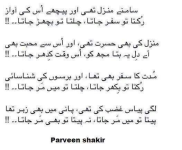
Parveen Shakir was indeed a renowned Urdu poet, teacher, and civil servant. Born on November 24, 1952, in Karachi, Pakistan, she displayed a remarkable talent for poetry from a young age.

Parveen Shakir earned her Bachelor's degree from Karachi University and later pursued a Master's degree in English Literature.

Parveen Shakir's first poetry collection, "Khushbu," published in 1976, was well-received and established her as a prominent literary figure.

She continued to contribute to Urdu literature with subsequent works, including "Sad Burg" (1980), "Khud Kalami" (1990), and "Kaf-i-Aina."
In recognition of her significant contributions to literature, Parveen Shakir was honored with the Pride of Performance, one of Pakistan's highest civilian awards.

Tragically, her promising life was cut short when she died in a car accident on December 26, 1994, while on her way to work. Parveen Shakir's premature death was a great loss to the literary world.
 
December 9,

Today marks the 65th anniversary of the passing of renowned humorist, educationist, critic, diplomat, and writer Patras Bokhari. Born on October 1, 1898, in Peshawar as Syed Ahmed Shah, he received his early education at Mission High School, Peshawar, and later pursued his graduation at the historic Government College, Lahore (now a university). Furthering his education at Cambridge, he studied English literature and subsequently served as a literature professor at Government College Lahore, eventually becoming its principal in 1946.

In 1940, Patras Bokhari assumed the role of Controller General of All India Radio and received a prestigious award from the British government in 1945. Later, he represented Pakistan as a permanent delegate to the United Nations in 1950. His noteworthy essays, such as 'Marhoom Ki Yaad Mein,' 'Kuttay,' 'Lahore ka Jughrafiya,' and 'Cinema ka Ishq,' continue to resonate with literature enthusiasts even after six decades.

His acclaimed collection of essays, 'Patras Kay Mazameen,' published in 1927, remains a valuable asset in Urdu humor and is included in the curriculum in both India and Pakistan. Sadly, Professor Patras Bokhari passed away on December 5, 1958, in New York due to a cardiac attack. In recognition of his significant contributions, the Pakistan government posthumously honored him with the Hilal-e-Imtiaz award.

1704838263140.png
 

Users who are viewing this thread

Pakistan Defence Latest

Back
Top