Navigation
Install the app
How to install the app on iOS
Follow along with the video below to see how to install our site as a web app on your home screen.
Note: This feature may not be available in some browsers.
More options
Style variation
You are using an out of date browser. It may not display this or other websites correctly.
You should upgrade or use an alternative browser.
You should upgrade or use an alternative browser.
Wildlife in Pakistan
- Thread starter ghazi52
- Start date
More options
Who Replied?


ghazi52
THINK TANK: CONSULTANT
- Thread starter
- #77
Auction fetches record $212,000 for single markhor kill
80 per cent of proceeds from trophy hunting programme distributed among locals.
ghazi52
THINK TANK: CONSULTANT
- Thread starter
- #78
Markhor population in Pakistan witnesses significant increase
Markhor population reaches 5,621...Asif Mehmood
November 15, 202
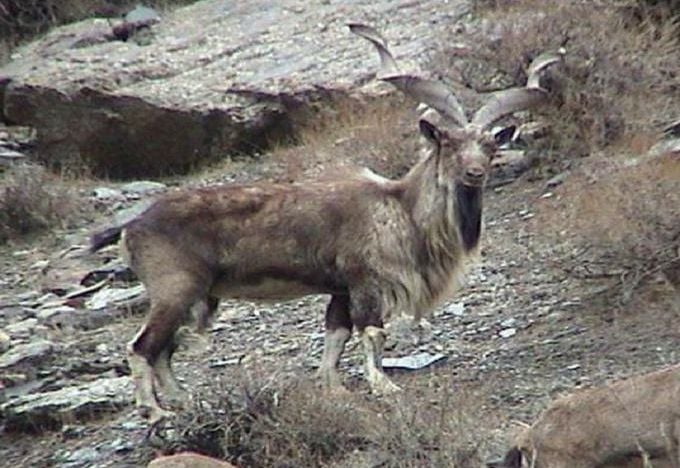
KHYBER PAKHTUNKHWA: The population of Pakistan's national animal, the Markhor, has witnessed a noteworthy surge in the province of Khyber-Pakhtunkhwa (K-P).
Renowned for its agility, long winter coat, and distinctive large spiral horns, the Markhor predominantly inhabits the lofty mountains of Chitral, Kohistan, and Kalam within the K-P province, as well as the northern Gilgit-Baltistan (G-B) region.
According to the Wildlife Department's recent findings, the Markhor population in K-P has experienced a substantial increase, reaching a count of 5,621.
This surge is attributed to heightened awareness regarding illegal hunting practices, showcasing a positive impact on conservation efforts. Notably, specific regions such as Swat and Kohistan have witnessed pronounced increments in Markhor populations.
The detailed breakdown reveals specific figures for Chitral, Kohistan, and Swat, indicating a population of 2,427, 660, and 159 Markhors, respectively. These numbers provide insights into the distribution and concentration of the wild goat species across different regions, shedding light on the success of conservation initiatives and the preservation of this iconic animal in Pakistan.
Likewise, in January 2023, the sighting of a rare Markhor in Chitral city generated considerable excitement among the local population. Subsequently, the male Markhor was successfully captured and released into a national park where hunting is strictly prohibited, as enforced by wildlife watchers.
ghazi52
THINK TANK: CONSULTANT
- Thread starter
- #79
Green turtles fight to survive against Pakistan’s urban sprawl
AFPKARACHI: Against the backdrop of the mega port city of Karachi, choked with traffic and construction, four green turtles emerge from the frothy Arabian Sea seeking a spot to lay their eggs.
Three immediately retreat to the water, put off by the glittering lights and heavy beat of a nearby beach party.
But one trundles towards the end of the beach bank, its flippers whipping sand into the air before settling on a dry spot of sand in which to deposit 88 golf ball-sized eggs.
Six conservationists tasked with protecting the last surviving turtle species to nest in Pakistan stand guard nearby.
“Being human doesn’t only call for loving another human being. These animals also require the same attention and love,” said Ashfaq Ali Memon, the head of marine wildlife at Sindh province’s Wildlife Department.

Ashfaq Ali Memon (L), the head of marine wildlife at Sindh province’s Wildlife Department, releases newly-hatched green turtles on Sandspit beach in Karachi. AFP
Sandspit Beach is a beloved recreation spot for the city’s 22 million residents, as well as a critical habitat for Pakistan’s endangered green turtles.
The eight-kilometre (five-mile) stretch of beach is being relentlessly encroached upon by the construction of concrete beach houses that have, metre-by-metre, eaten into the strip of sand where turtles nest.
“Once I saw someone disturbing a turtle while she was laying eggs. She ran off for safety, leaving a trail of eggs behind her. That was a very painful scene,” said Haseen Bano, Memon’s wife who supports the work of the volunteers.
Pollution threat
Marine turtles have covered vast distances across the world’s oceans for more than 100 million years but human activity has tipped the scales against the survival of these ancient creatures, the World Wildlife Fund says.
Until the early 2000s, the beaches of Pakistan’s Arabian coast were the nesting habitat for five endangered turtle species.
Now only the green turtles come to shore to lay their eggs on just two beaches in Karachi and on uninhabited islands in Balochistan province, further down the coast towards Iran.
Wildlife Dept inks ‘management agreement’ with Punjab Rangers
Alongside construction, noise and garbage pollution, WWF-Pakistan has also reported that diesel and petrol fumes have caused deformities in hatchlings.
As well as major disruption to their nesting habitats, thousands of turtles are also injured or killed in fishing nets every year.
Named for the greenish colour of their cartilage and fat, they are classified as endangered across the world.
Living dinosaurs
Sindh Wildlife Department has a dedicated team of six volunteers, paid according to fluctuating donations, who patrol the beaches after dark during nesting season between August and January.
“When the turtles arrive to use the pits, our volunteers are present to take care of them and to ensure no one can disturb them,” Amir Khan told AFP.
The 88 – a decent batch for a young female – were delicately collected the same night and taken to a protected coastal conservation centre and reburied in the sand for the 45-60 day hatching cycle, away from the danger of stray dogs, mongoose and snakes.
Baby turtles just a few hours old and only about two inches long are meanwhile brought to the water’s edge in buckets by volunteers and released one-by-one, swimming off into the night.
Data on the number of green turtles is not available in Pakistan but, for the past few years, the number of hatchlings has increased.

Members of Sindh province’s Wildlife Department keep green turtles’ eggs in a bucket on Sandspit beach in Karachi. AFP
In 2022, volunteers successfully hatched 30,000 eggs and the current year’s count has already passed 25,000 just over halfway through the season.
Khan said these “living dinosaurs” will continue to struggle against the accelerating urban sprawl of the city and the dangers posed by fishermen.
“It feels good to take care of these turtles, they boost the beauty of our beach,” said Mohammad Javed, a 29-year-old volunteer who inherited the caretaker legacy from his father.
ghazi52
THINK TANK: CONSULTANT
- Thread starter
- #80
10 Animals That Live in Pakistan — Pakistan Animals
A list of 10 animals of Pakistan.
 www.worldatlas.com
10 Animals That Live in Pakistan — Pakistan Animals
A list of 10 animals of Pakistan.
www.worldatlas.com
Animals That Live In Pakistan — Pakistan Animals
Pakistan is a South Asian state with a diverse fauna which includes 660 bird and 177 mammal species. The country’s unique fauna is related to its position in the transitional zone right between Oriental and Palearctic zoogeographical regions. Pakistan’s fauna reflects the state’s varied climate. Majority of the birds in the country are migratory coming from India, Central Asia, and Europe. Some of the animals of Pakistan include:
10. Snow Leopard
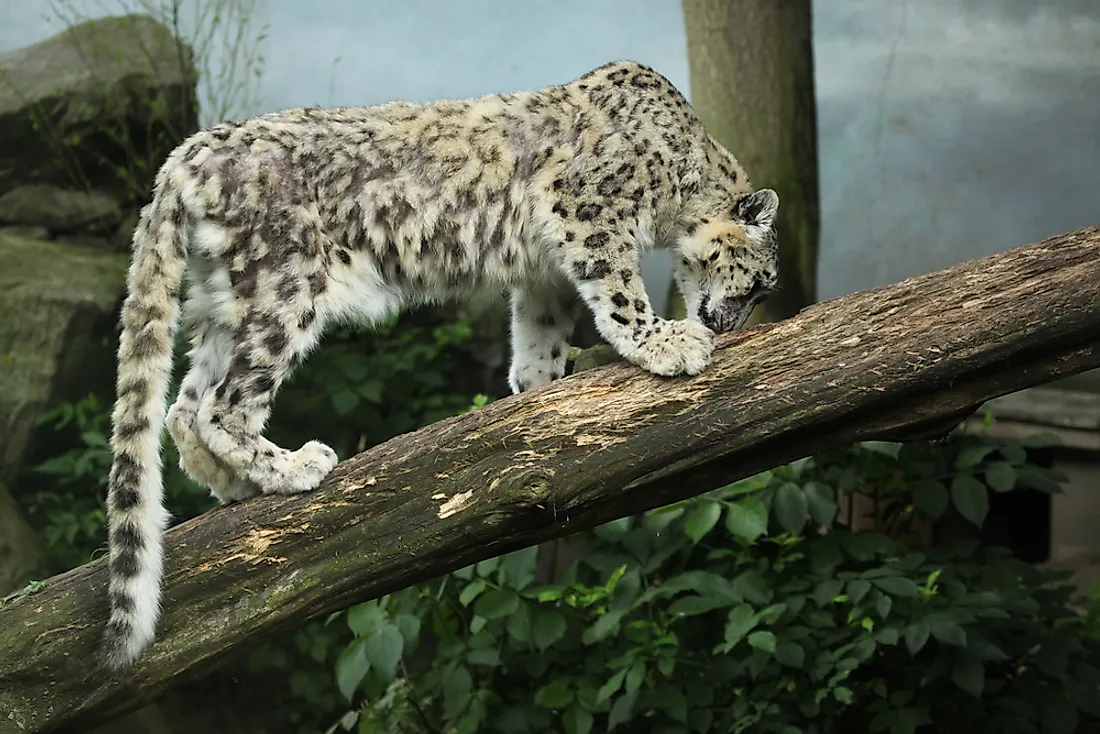
The snow leopards are huge cat species which are indigenous to the mountainous ranges of South and Central Asia. These creatures are listed as vulnerable since their population had reduced to between 4,678 and 8,745 by 2016. The body weight of the snow leopards ranges from 49 to 121pounds with some bigger male weighing up to 165 pounds. Their head-and-body length is about 59 inches while their shoulder height is approximately 22 inches. These cats have a 41-inch long tail. Their fur is gray to white with numerous black spots on its neck and head. They have large rosettes on their bushy tails, flanks, and backs. The hairs on their furs are about 4.7 inches long. The bodies of these snow leopards are stocky with short legs, and they are smaller in size than all the other cats belonging to the genus Panthera. Their eyes are grey or pale green.
9. Rose-Ringed Parakeet
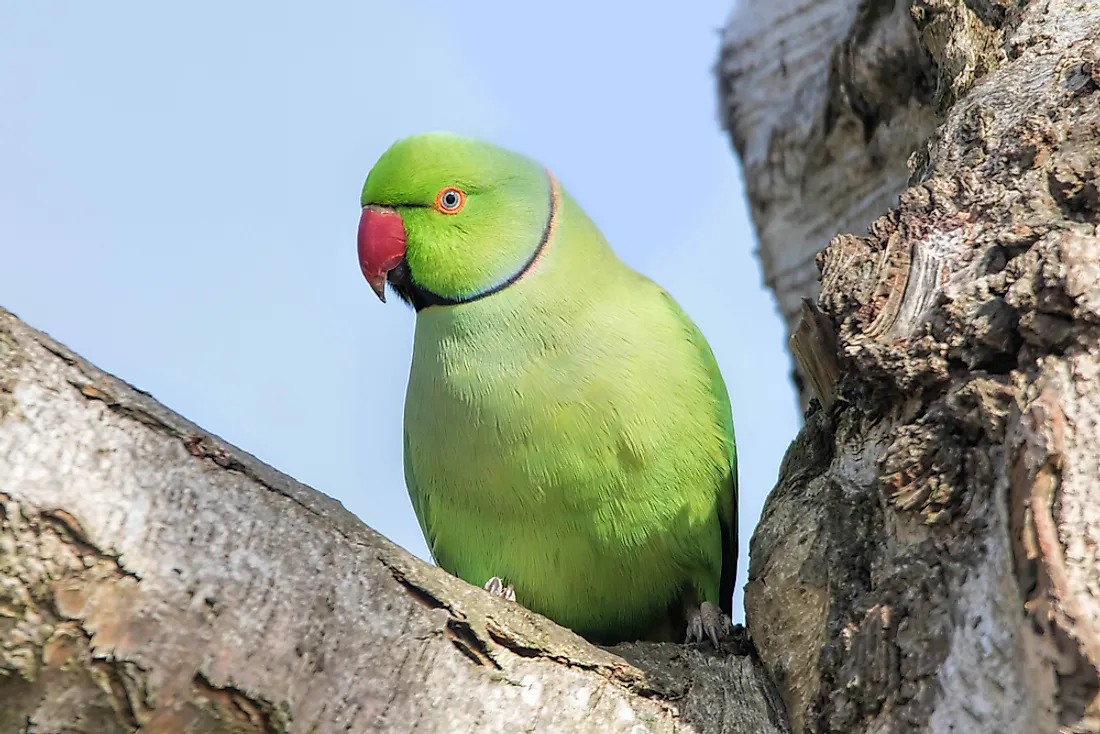
The rose-ringed parakeets are medium-sized psittacines which belong to the genus Psittacula. These parrots are sexually dimorphic. The mature rose-ringed parakeets have black and red neck rings while the female and young ones have no ring or a shadow-like dark grey ring. They have a unique green color and are 16 inches long, with their feathery tails representing a bigger part of their length. The wings of a mature parrot are about 6.9 inches each. They are noisy creatures with a unique squawking call. A rose-ringed parakeet can be taught how to speak.
8. Indus Valley Toad
The Indus valley toads, also known as Bufo stomaticus, are toad species which are indigenous to numerous Asian countries including Nepal, Afghanistan, Iran, Pakistan, and Peninsula India. These toads do not have a cranial crest, and the gap between their eyes is larger than their upper eyelids. They have a spiny ridge on their tarsus with their second and first fingers being almost equal in size. The toads have a white underside with some darker mottling on their throat. They have three dark bands on their forearms.7. Pallas's Cat
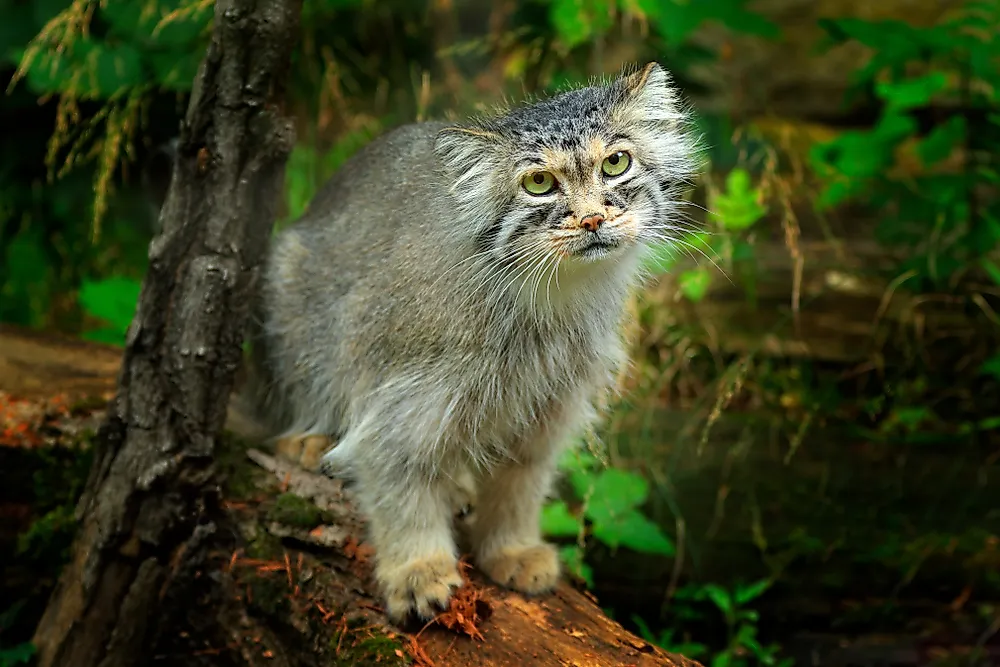
Pallas’s cats are small wild felines which are indigenous to Central Asia. The Pallas’s cats are listed as Near Threatened. They were named after Peter Pallas, a German naturalist who described them under Felis manul in 1776. Their body size ranges from 18 inches to 26 inches with a 12.2 inch tail. These cats weigh about 9.9 pounds. Their dense, long fur and stocky posture make them appear plush and stout. Their furs are ocher with some darker vertical bars on their forelegs and torso. Their winter coats are greyer with fewer patterns than their summer coats. Their foreheads have some dark spots. They have black rings on their tails. The throat and chins of these cats are white. They have white cheeks with some black stripes which run from the corner of their eyes.
6. Ladakh Pika
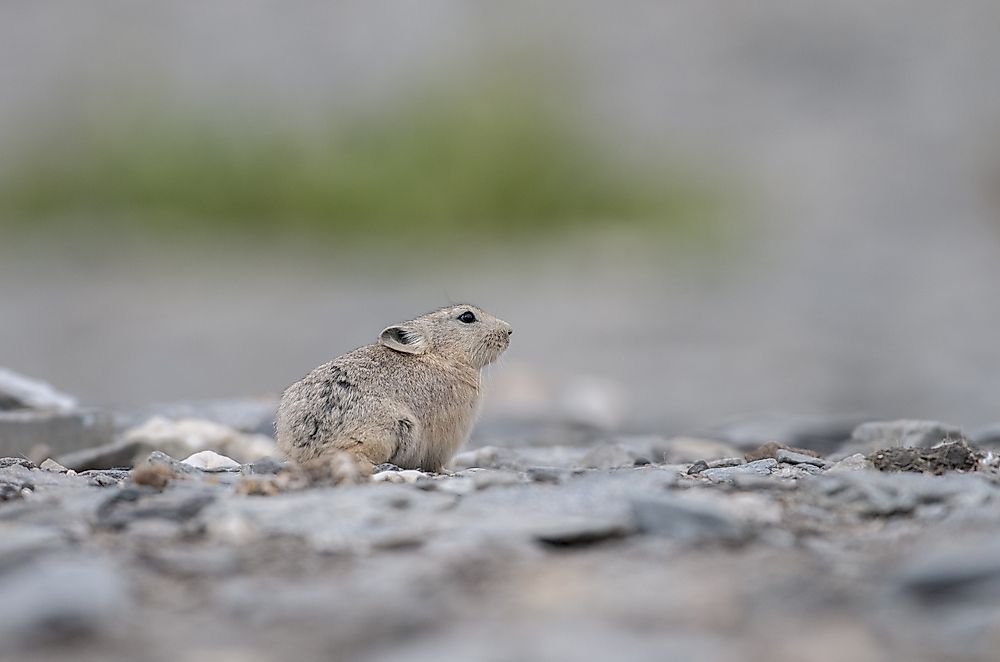
Ladakh pikas are mammal species belonging to the family Ochotonidae and are indigenous to Pakistan, India, and China. The Ladak pika was previously known as plateau pika because of their similarities and color. However, the difference between these two species includes the small auditory bullas which are on the Ladak pika, plus they have differently arched skulls. Their furs are light grey/brown with their underside being white/yellow. The body length of these species ranges from 7 inches to 9 inches.
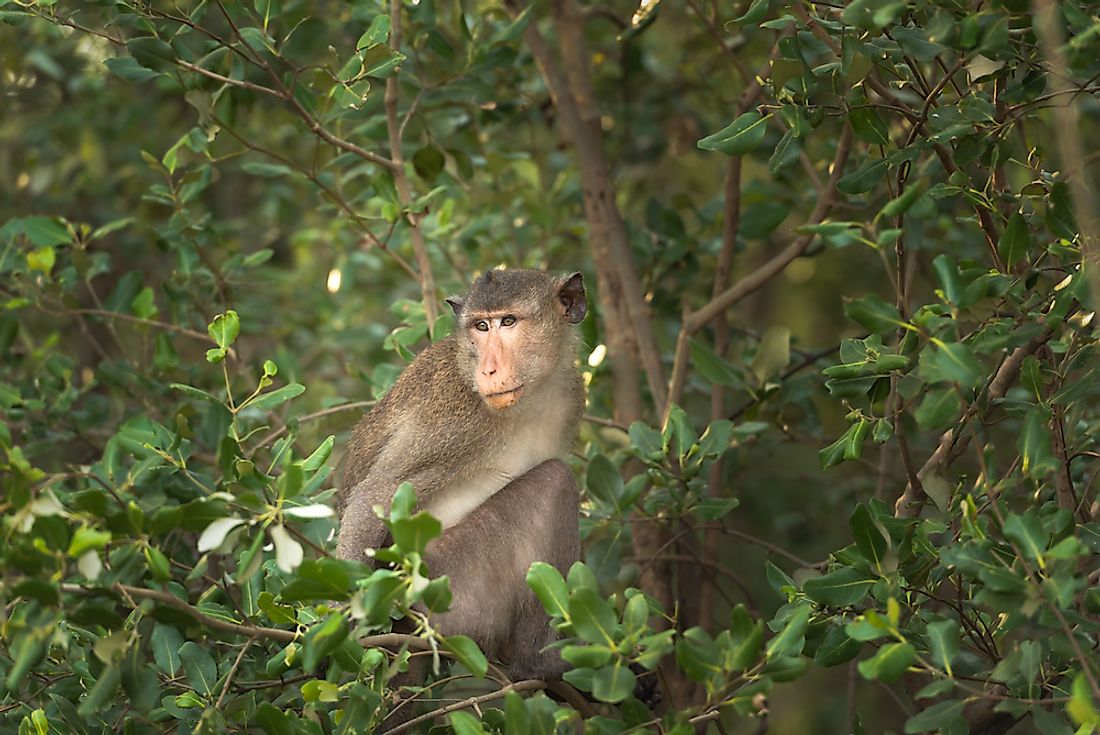
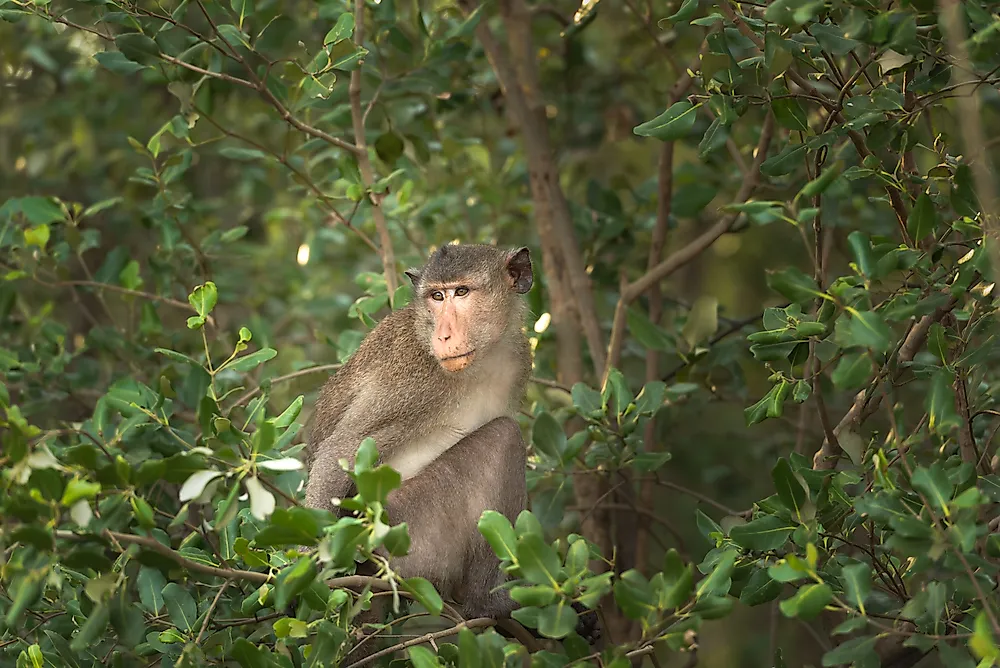
5. Rhesus Macaque
Rhesus macaques belong to the Cercopithecidae family. These monkeys are native to the Southeast, Central, and South Asia. They are grey or brown with a pinkish face which has no fur. Their tails are about 9 inches long. The length of adult male Rhesus macaque is 21 inches, and they weigh about 17 pounds. The females are way smaller averaging approximately 12 pounds in weight and 19 inches in length.Cont'd
ghazi52
THINK TANK: CONSULTANT
- Thread starter
- #81
C/O
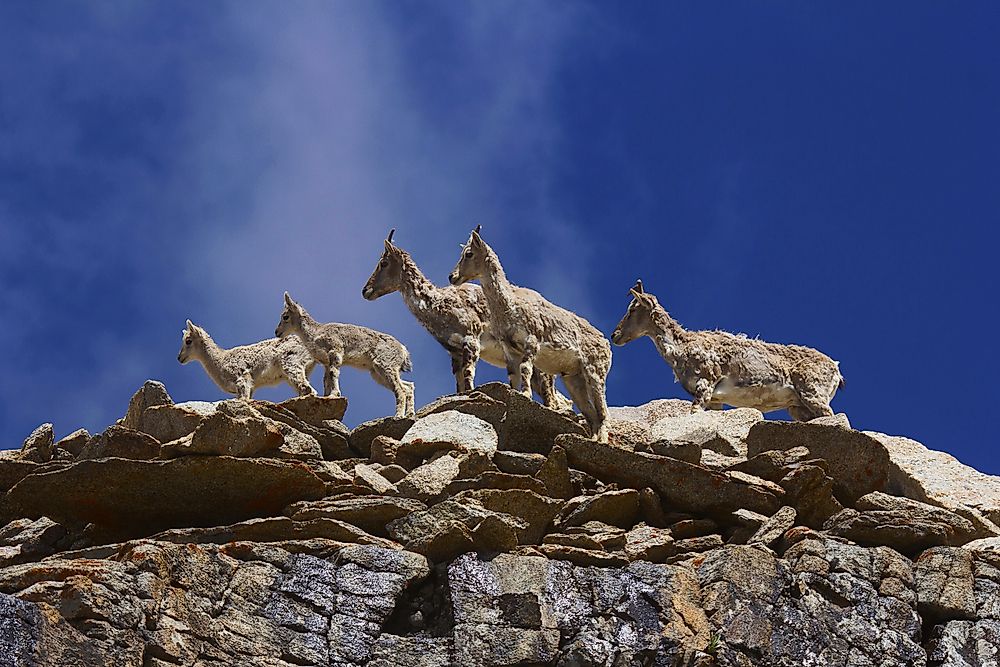
Bharal, also known as Naur, is a goat-antelope indigenous to the high Himalayas of Pakistan, Tibet, Bhutan, Nepal, and India. The male Bharals are larger than the females with their body weight ranging from 77 to 165 pounds. Their maximum body-and-head length is 65 inches. The Naurs have a 7.9 inch long tail. Bharals have a slate grayish coat which has a bluish sheen at times. The front parts of their legs and chest are black while the other parts of their legs and under-parts are white. They have a charcoal colored stripe which separates their white belly from their grey back. Both sexes have horns which are ridged on the top surface. The length of the horns on females is 7.9 inches while on males they can grow to about 31 inches long.
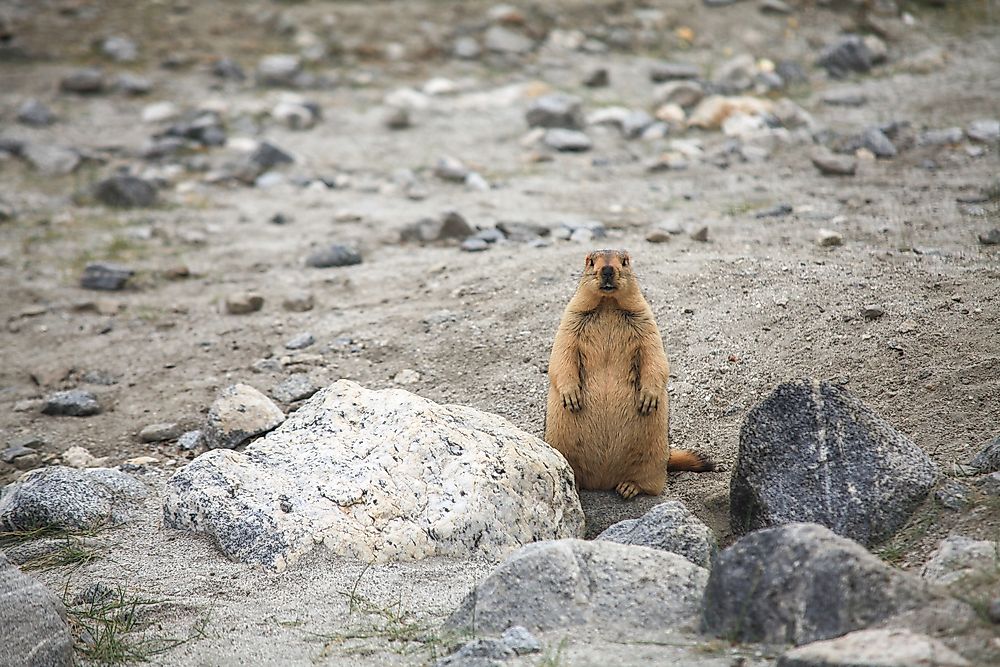
The long-tailed marmots are huge squirrels which belong to the Sciuridae family. They reside in the mountainous areas of Central Asia. Their typical habitat is the alpine meadows and rough grasslands among rocks. These marmots are sturdy and large rodents which weigh about 20 pounds. The eyes of these rodents are near the top of their flat heads. The long-tailed marmots have short necks and smaller ears. Their hind legs are shorter than their forelegs. The long-tailed marmots have longer tails than all the other marmot species.
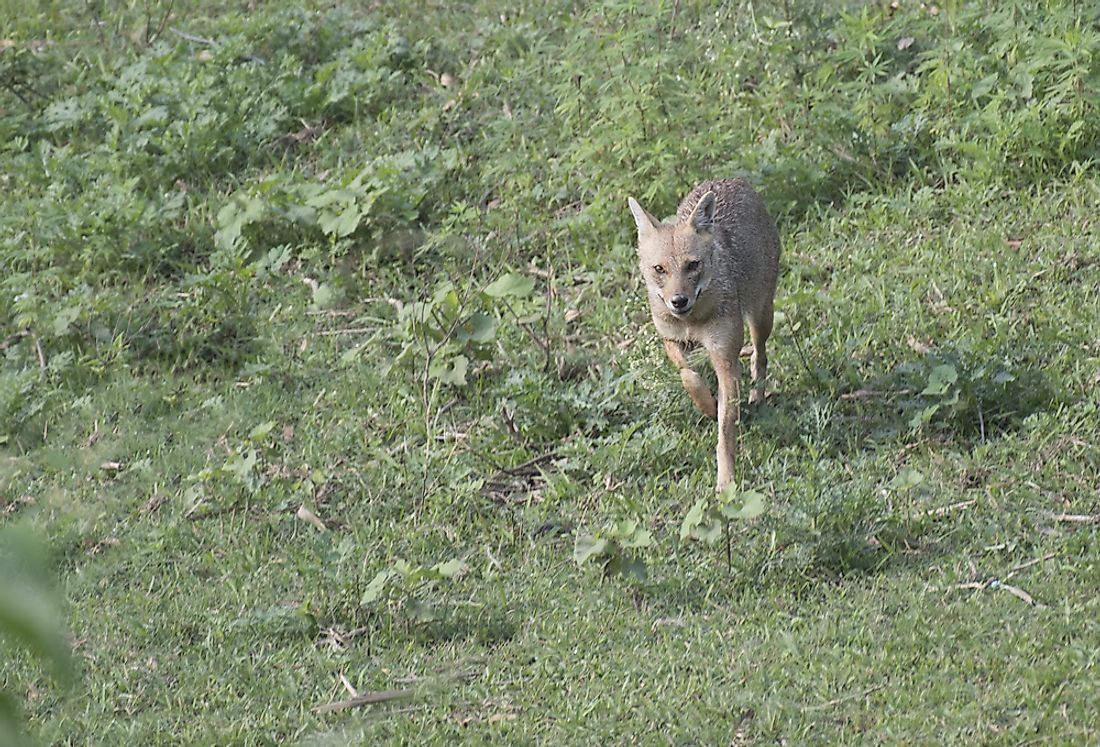
Golden jackals are wolf-like Canidae which are indigenous to South Asia, Southwest Asia, Southeast Asia, and Southeast Europe.
They are believed to be the descendants of the Arno river dogs which resided in Southern Europe about 1.9 million years ago.
The body length of male golden jackals is between 28 inches to 33 inches while the females measure between 27 inches to 29 inches. The female weighs about 24 pounds while the average weight of the male golden jackal is 31 pounds.
The shoulder height of the golden jackal is approximately 20 inches. They have coarse and short golden fur. Their color varies with the season from dark tawny to pale creamy yellow.
They have a mixture of white, brown and black hair on their back which gives them a saddle-like appearance.
4. Bharal
Bharal, also known as Naur, is a goat-antelope indigenous to the high Himalayas of Pakistan, Tibet, Bhutan, Nepal, and India. The male Bharals are larger than the females with their body weight ranging from 77 to 165 pounds. Their maximum body-and-head length is 65 inches. The Naurs have a 7.9 inch long tail. Bharals have a slate grayish coat which has a bluish sheen at times. The front parts of their legs and chest are black while the other parts of their legs and under-parts are white. They have a charcoal colored stripe which separates their white belly from their grey back. Both sexes have horns which are ridged on the top surface. The length of the horns on females is 7.9 inches while on males they can grow to about 31 inches long.
3. Long-Tailed Marmot
The long-tailed marmots are huge squirrels which belong to the Sciuridae family. They reside in the mountainous areas of Central Asia. Their typical habitat is the alpine meadows and rough grasslands among rocks. These marmots are sturdy and large rodents which weigh about 20 pounds. The eyes of these rodents are near the top of their flat heads. The long-tailed marmots have short necks and smaller ears. Their hind legs are shorter than their forelegs. The long-tailed marmots have longer tails than all the other marmot species.
2. Lahore Pigeon
Lahore pigeons are domestic pigeons which are well-known for their gentle nature and impressive size. Just like all the other domesticated pigeons, the Lahore pigeons are the descendants of the Columba livia (rock pigeons). They are large pigeons which are about 11.5 inches long with 10.5 inch tails. The base color of these pigeons is white with another color starting at the place where the wattle and beak meet and then spread over their eyes and across their wings and back. Their tail and rump are white. They are bred in numerous colors including black, brown, blue and red among others.1. Golden Jackal
Golden jackals are wolf-like Canidae which are indigenous to South Asia, Southwest Asia, Southeast Asia, and Southeast Europe.
They are believed to be the descendants of the Arno river dogs which resided in Southern Europe about 1.9 million years ago.
The body length of male golden jackals is between 28 inches to 33 inches while the females measure between 27 inches to 29 inches. The female weighs about 24 pounds while the average weight of the male golden jackal is 31 pounds.
The shoulder height of the golden jackal is approximately 20 inches. They have coarse and short golden fur. Their color varies with the season from dark tawny to pale creamy yellow.
They have a mixture of white, brown and black hair on their back which gives them a saddle-like appearance.
ghazi52
THINK TANK: CONSULTANT
- Thread starter
- #83
Villagers kill rare white leopard in Kerthar National Park
The body was recovered in the village of Mohammad Ali Faqeer; SWD registers case against 5 involved in the killingSameer Mandhro
January 23, 2024
1706019379-0/White-Leopard-Kerthar-National-Park-(1)1706019379-0.jpeg "a white leopard shot dead within the limits of kerthar national park photo express")
A white leopard shot dead within the limits of Kerthar National Park.
ghazi52
THINK TANK: CONSULTANT
- Thread starter
- #84
Sindh records 11 new bird species
SWD’s provincial head says new species confirm conservation efforts by the departmentSameer Mandhro
March 02, 2024
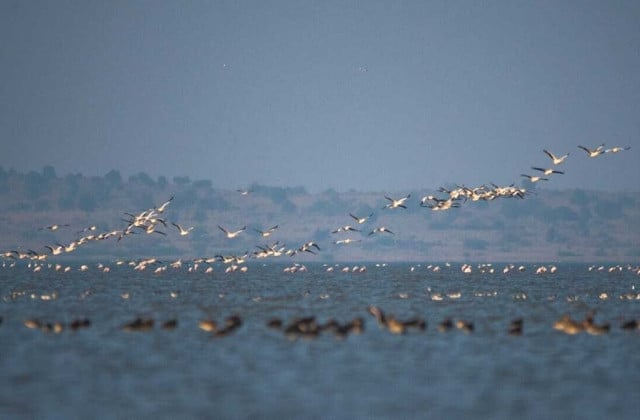
PHOTO: EXPRESS
KARACHI: The water bodies of Sindh witness a visible increase in the flocks of migratory birds each year, with the provincial wildlife department recording 11 new species this year.
According to the annual waterfowl census of 2023-2024, a total of 639,122 birds have been recorded at almost 30 spots, including Keenjhar Lake, Manchhar Lake, Hamal Lake, Haleji Lake, Rann of Kutch, Langh Lake and Nariri Lagoon.
The survey team of the Sindh Wildlife Department (SWD) conducted the annual census over a two-month period from January to February.
The survey revealed 11 new species which were recorded in the province for the first time, including the Bar-headed Goose, Indian Spot-Billed Duck, Lesser Flamingo, Cotton Pygmy Goose, Oriental Darter, Asian Woolly Necked Stork, Red-naped Ibis, Black-headed Ibis, Black-necked Grebe, Indian Cormorant and Jack Snipe.
The ‘World Wildlife Day’ is being celebrated on March 3 (Sunday) with the theme of ‘Connecting people and planet', and 'Exploring digital innovation in wildlife conservation’.
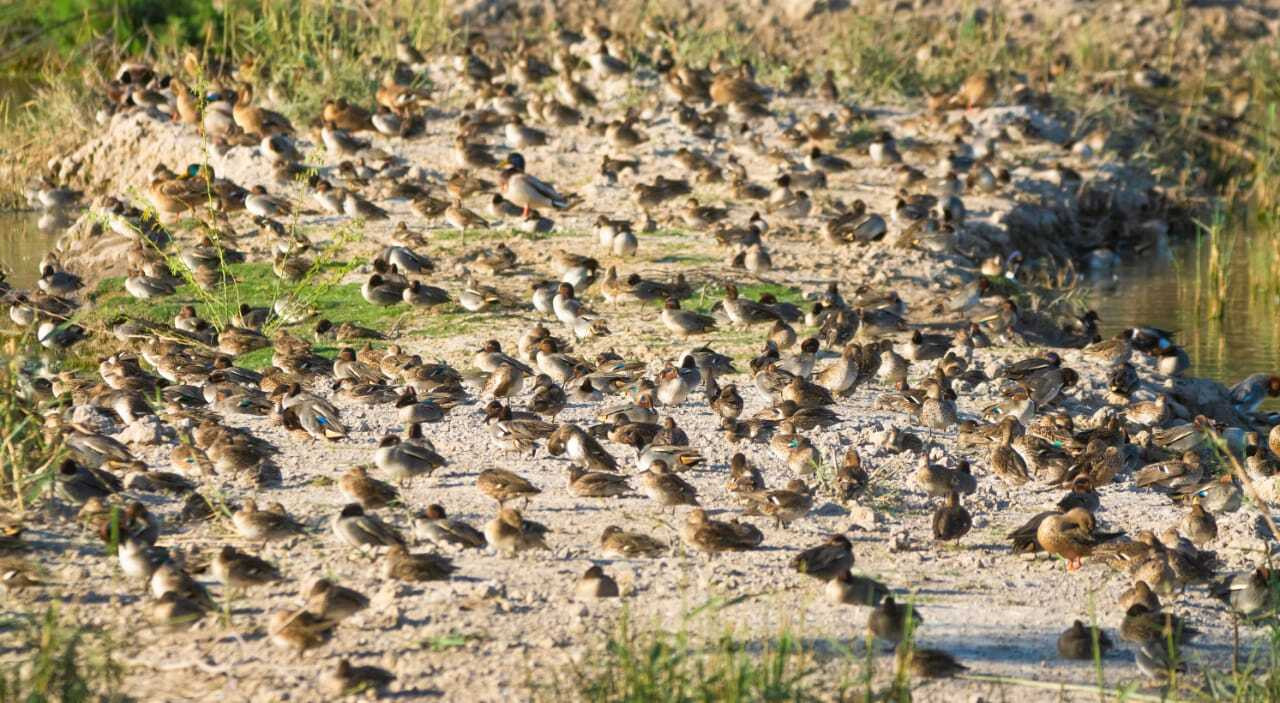
According to the survey, the 70 species spotted include, Bar headed goose, Indian spot bill duck, Lesser Whistling duck, Northern Pintail, Ferruginous duck, Common Pochard, Eurasian Wigeon, Gadwall, Tufted Duck, Mallard, Common teal, Northern Shoveler, Gargany, Marbled Duck, Common shel duck, Cotton Pygmy Goose, Oriental Darter, White strok, Black strok, Asian woolly necked strok, Red Naped Ibis, Black Headed ibis, Common crane, Eurasian Spoonbill, Dalmatian Pelican, Great White Pelican, Lesser flamingo, Great flamingo, Pied avocet, Common red shank, Common greenshank, Bar tailed godwit, Eurasian curlew, Eurasian whimbrel, Black tailed godwit, Baillon's crake, Little crake, Little grebe, Black necked grebe, Great crested grebe, Common Sandpiper, Wood Sandpiper, Little ringed plover, Little stint, Green Sandpiper, Dunlin, Sanderling, Black bellied tern, Gull billed tern, Whiskered tern, Lesser Crested tern, Jack snip, Pintail snipe, Indian Cormorant, Great Cormorant, Glossy Ibis, Eurasian Coot, Small pratincole, Collared Pratincole, Oriental pratincole, Great egret, Grey plover and Pacific Golden Plover have been recorded in the annual survey.
As per the data, the coastal belt’s Badin district proved to be a better region for the birds as 168,964 birds were recorded at Nariri Lagoon and 117,790 birds were seen in the Rann of Kutch area.
SWD’s provincial head Javed Ahmed Mahar said that new species confirm conservation efforts by the department, making the environment peaceful and ideal for the birds. “This survey reveals new species and we are happy that each year we witness more birds coming to Sindh,” he said.
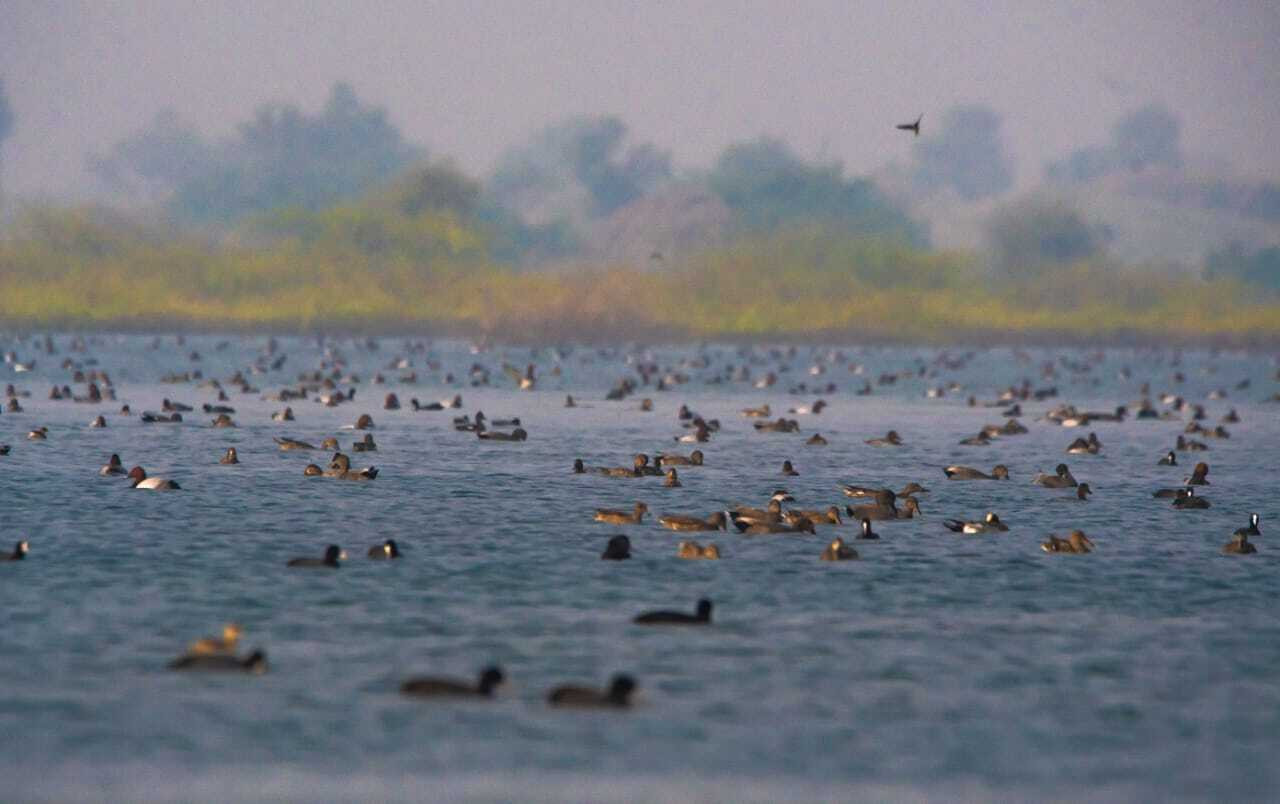
He also said that the department was celebrating the ‘World Wildlife Day’.
“We are already working on the theme,” he said, quoting examples of using digital platforms for better conservation of wildlife. “We use digital platforms to keep the people updated and create awareness about the wildlife and its importance,” he added.
ghazi52
THINK TANK: CONSULTANT
- Thread starter
- #86
Markhor trophy hunting fetches $181,000 in GB
Jamil NagariMarch 23, 2024

BRIAN Douglas Williams poses with his trophy in the Doyan Community Controlled Hunting Area in Astore district.
GILGIT: An American citizen hunted the highest-rated Astore markhor in Doyan Community Controlled Hunting Area (CCHA) in Astore district of Gilgit-Baltistan on Friday under the current trophy hunting programme.
According to GB wildlife officials, Brian Douglas Williams from the US successfully hunted an Astore markhor (Capra falconeri) in Doyan, with a trophy size of 40-inch horns.
The hunter paid a $181,000 trophy hunting permit fee to the GB Wildlife Department (GBWD) for the hunt.
This was the fourth highest-rated Astore markhor hunt in the current trophy hunting programme.
Earlier, on Feb 13, Colglazier John Michael from the US hunted an Astore markhor in Sai Damote CCHA in Gilgit after paying $171,000.
On January 27, American citizen Joseph Bradford Coors hunted the highest-rated Astore markhor in the SKB community control hunting area in Roundu area of Skardu after paying $186,000 to the GBWD.
On December 2, 2023, Jan Jacob T. Dams from Belgium hunted an Astore markhor in the DMT hunting area of Astore after paying $177,000.
The trophy hunting programme starts in October and ends in April the following year.
In October 2023, the GB Forest, Parks and Wildlife Department auctioned four licences for the hunting of the prized Astore markhor, one of which fetched a record $186,000. Permits to hunt over a hundred rare species were auctioned as part of the trophy hunting programme for 2023-24.
The licences included four for Astore markhors, 14 for blue sheep, and 88 for Himalayan ibex in various community conservation areas across GB.
The highest permit for the Astore markhor was sold for $186,000, the second for $181,000, the third for $177,000, and the fourth for $171,000.
The base rate fees for blue sheep and Himalayan ibex permits were $9,000 and $5,500, respectively.
According to Mohammad Ilyas Balghari, the GBWD spokesman, 80 per cent of the proceeds go to local communities, which utilise the funds for various development projects, including education and healthcare. The remaining 20pc is deposited in the government treasury.
Published in Dawn, March 23rd, 2024
ghazi52
THINK TANK: CONSULTANT
- Thread starter
- #87
Four Paws is back to treat eight rescued bears in Islamabad
Jamal ShahidApril 6, 2024

Head Veterinarian at Leibniz Institute for Zoo and Wildlife Research, Berlin, Dr Frank Goritz treats a bear at the old Marghazar Zoo in Islamabad. — White Star
ISLAMABAD: In an important development for wildlife conservation, Four Paws, an international animal welfare organisation, has returned to Islamabad to provide crucial medical treatment to eight bears rescued since 2021.
On a five-day visit, Four Paws went to work immediately and put Aneela (female bear) under anesthesia to remove the nose ring and gave it a complete health check-up. About seven years old, Aneela had had the nose ring for five years and removing it required delicate procedure which was performed by Dr Frank Goritz, head veterinarian at Leibniz Institute for Zoo and Wildlife Research, Berlin.
Four Paws returned on the urgent request of Islamabad Wildlife Management Board (IWMB). The team of veterinarians and wildlife experts will support the wildlife authorities with the treatment and neutering of eight resident bears at the rescue and rehabilitation centre (old Islamabad zoo). The team would also assist in planned rescue and relocation of new confiscated bears from bear baiting, dancing and breeding activities.
Teaming up with the IWMB came after Punjab Minister for Wildlife Maryam Aurangzeb ordered all wildlife departments to raid districts in Punjab and confiscate dancing bears. Aneela, the female bear, was confiscated by Gujranwala wildlife department and handed over to IWMB’s wildlife rescue centre for rehabilitation.
Animal welfare body says it aims to end illegal bear keeping practices in Pakistan
“Aneela was treated by expert veterinarians from Four Paws. She underwent a comprehensive medical examination during which the team removed a nose pin and treated broken teeth and injuries inflicted by poachers. Other injuries were identified and successfully treated, ensuring Aneela’s well-being and future health,” IWMB Chairperson Rina Saeed Khan told Dawn.
According to the official, Four Paws was set to examine the remaining seven bears rescued by IWMB in coming days, providing them with the necessary medical attention and care. Four Paws had recommended establishing a permanent sanctuary for bears at the site of the old zoo, providing a safe and suitable environment for the rescued animals in the near future, she said.
“They will now be working with IWMB to establish a permanent sanctuary at the site of the old zoo. This collaboration between Four Paws, IWMB and the Punjab Wildlife Department marks a significant step forward in wildlife conservation efforts in Pakistan. It highlights the importance of cooperation between governmental and non-governmental organisations in protecting and preserving the country’s precious wildlife,” she said.
Four Paws maintained that the cruel practices violated local animal welfare regulations and caused massive animal suffering. In cooperation with the Pakistani government, it aimed to end illegal bear keeping practices in the country.
After arriving at the rescue and rehab centre, the experts said they would examine and treat the bears already located at the rescue centre. The focus would be on implementing measures to prevent breeding among the rescued bears. The team would also provide recommendations to ensure the future high quality and species-appropriate care of all the bears. Moreover, Four Paws was awaiting a pending court decision that would decide the fate of four Asiatic black bear cubs in Punjab.
“It is crucial to assess the health of all bears and our priority to neuter them to prevent unwanted breeding. That way we can ensure ethical wildlife management going forward. We are grateful for the trust of the Pakistani authorities in our expertise and committed to improve the lives of as many bears as possible. We will also support the preparation of enclosures for the new arrivals at the rescue centre and ensure proper care for all animals going forward,” said Four Paws veterinarian Dr Amir Khalil, who leads the action in Pakistan.
IWMB’s rescue and rehabilitation centre is housing eight Asiatic black bears rescued from illegal private keeping as dancing bears.
“In our decades-long work to help exploited and abused bears around the world, we have seen the terrible suffering of bears mistreated for human entertainment such as baiting or dancing. Four Paws welcomes the action the Pakistani government is taking against such cruel practices, and we are happy to work together on this important cause. Our collaboration aims to find sustainable long-term solutions for the animals and help law enforcement to effectively put an end to the illegal practices of dancing bears and bear baiting in Pakistan,” said Josef Pfabigan, the CEO and president of Four Paws.
The IWMB chairperson said that her office was considering a forever home for the rescued Asiatic black bears at the rescue and rehab centre where there was ample space. “These bears are captured as cubs and cannot be released back into the wild due to old age or injury – many die of starvation as they never learned how to hunt for food or had their claws and teeth removed,” she said.
Published in Dawn, April 6th, 2024
ghazi52
THINK TANK: CONSULTANT
- Thread starter
- #88
Generally, people cannot distinguish between leopard, jaguar and cheetah, but often consider them as the same thing or call each one "cheetah".
Today we learn about five different big cats that have spots on their bodies.
All these cats are different not only in shape but also in size and characteristics.
Only leopard and jaguar are closely related but they are different species.


Today we learn about five different big cats that have spots on their bodies.
All these cats are different not only in shape but also in size and characteristics.
Only leopard and jaguar are closely related but they are different species.
ghazi52
THINK TANK: CONSULTANT
- Thread starter
- #89
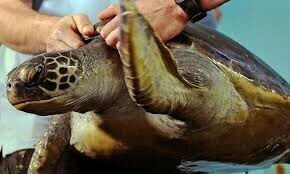
Rare turtles rescued from poachers in Kotaddu, released into Indus
Sources say irrigation officials are involved in illegal fishing activities during the breeding season (June to August).MUZAFFARGARH: Wildlife officials and conservationists rescued rare species of turtles from poachers at the Head Taunsa Barrage in Kotaddu on Saturday. Five poachers were arrested and later handed over to the local magistrate.
According to sources, the poachers had been hunting fresh water turtles illegally and selling them to dealers, who would then smuggle them abroad. The turtles are highly sought after for their shells, which are used to make soup.
The operation was led by Wildlife Inspector Mushtaq Ahmed, with the assistance of the Wildlife Conservation Organisation, Sindhu Bachao Tarla, and the World Wildlife Fund (WWF). Khadim Hussain Khar, Javed Iqbal Sheikh, and Manwar Iqbal Chaudhry, WWF in-charge at Taunsa Barrage, were also present during the operation.
The Indus River is home to eight species of turtles, four soft-shelled and four hard-shelled, which face numerous threats, including poaching and habitat destruction. Soft-shelled turtles are particularly vulnerable, as their shells are in high demand for use in soup. The Indus dolphins also face similar threats, highlighting the need for continued conservation efforts in the region.
Sources said irrigation officials are involved in illegal fishing activities during the breeding season (June to August) and this must be addressed.
Published in Dawn, June 9th, 2024
ghazi52
THINK TANK: CONSULTANT
- Thread starter
- #90
Veteran hunter turns protector for Pakistan’s rare markhor
Anadolu AgencyJuly 10, 2024
Asadullah Bazai, Pakistan’s former national shooting champion and a veteran hunter, is on a mission to save the country’s rare Sulaiman markhor, a straight-horned goat that was once on the verge of extinction due to extensive hunting and poaching.
Bazai, 55, and his team have devoted a great deal of time — and a good deal of money — to the preservation of the rare species in Balochistan.
The Sulaiman markhor is a sub-species of the markhor — Pakistan’s national animal — and is endemic to Asia.
In Balochistan, the mountainous regions of Torghar and Takatu are the two major habitats of the animal, while it is also found in small numbers in the mountains and forests of Ziarat, Sherani and Zhob districts.
Bazai, a father of five, who has represented Pakistan in several international shooting events, gave up hunting and launched the mission to save the Sulaiman markhor in 2002.
His team, comprising several former amateur hunters and wildlife photographers, operates across Takatu range, which is located in the northeast of Quetta and spans over 150 kilometres.
In 2002, Bazai met with some Hungarian rifle shooters at a competition in Karachi who changed his mind about hunting animals.
“It was a life-changing moment that transformed me from a hunter to a conservator. One of them told me don’t shoot live animals with a rifle, shoot them with a camera,” he told Anadolu.
When he launched his campaign in 2002, there were only a few dozen Sulaiman markhors left in the Takatu range.
Current estimates, according to Bazai and other wildlife experts, put the animal’s population at around 2,000, while a 2023 survey by the Balochistan Wildlife Department placed the number in the Takatu range at 1,400.
“We have involved local communities in our campaign and convinced them to not kill the animal, and also to stop hunters from doing that,” Bazai added.
‘Stable’ numbers
In comparison to other species, the Sulaiman markhor lives in a clearer and drier climate at an altitude of between 2,290 to 2,745 metres.Years of concerted efforts, including greater community involvement and a sustainable trophy hunting programme, have helped bring the animal’s population to the “stable” category.
A long-term project launched in the 1980s by Balochistan’s Forest Department in collaboration with a tribal chief and wildlife lover, Mir Naseer Khan, began yielding results in early 2000.
“When that project was launched, the total population of Sulaiman markhor was alarmingly low, just less than 100,” Tahir Rasheed, a Quetta-based wildlife expert, told Anadolu.
“It is the combined effort of the forest department and the tribal chief that eventually brought the animal out of danger and its population in the thousands,” added Rasheed, a former official with the World Wildlife Fund for Nature (WWF), who is currently serving as head of the Balochistan Rural Support Programme.
In the last survey conducted a decade ago, in which Rasheed himself participated, the population of Sulaiman markhor was recorded at over 3,000.
Current estimates suggest that their number is between 4,500 and 5,000, said Arz Mohammad, a conservator at the Balochistan Wildlife Department.
Speaking to Anadolu, he said international wildlife organisations still categorised the Sulaiman markhor as an endangered species, but considering the gradual and significant increase in its population over the years, it could now be classified as “stable”.
Unlike other rare animals, the Sulaiman markhor enjoys a diverse habitat across the sprawling province.
Together with Takatu, the mountainous range of Torghar, located some 160km from Quetta, makes up the animal’s largest habitat, hosting 95 per cent of its total population.
The Torghar range is estimated to have around 3,500 Sulaiman markhors.
These habitats lie hundreds of kilometres from each other, which reduces the risk of transmission of diseases among the two populations in case of an outbreak, according to Rasheed.
Another thing that helped increase the animal’s population over the years has been a trophy hunting programme, he said.
For the 2023-24 hunting season, the Balochistan government granted a permit to hunt a Sulaiman markhor for a record $245,000, one of the highest-priced permits in the world.
A total of four licenses are issued annually to hunt Sulaiman markhor.
The remaining three permits were granted for $220,000, $218,000 and $210,000, according to official documents.
The government uses the money to support local communities with initiatives such as building schools, mosques, health centres and even providing scholarships to students.
About 80pc of the amount generated through the hunting license programme, launched in early 2000, is spent on local communities, while the remainder goes to the national exchequer.
Threats still lurking
Pakistan is famous for the markhor, which is distinguished by its nimble and sure-footed nature as well as its long winter coat and massive spiral horns, which can grow to more than 1.5m in length for males.Locally, the goats are categorised as Astor, Kashmiri, Sulaiman and Chiltan markhors.
Globally, Astor and Kashmiri markhors are classified as flare-horned, while Sulaiman and Chilton markhors are categorised as straight-horned.
Despite a significant increase in its population, the Sulaiman markhor is still near-endangered due to a host of threats.
“Climate change, increasing deforestation, illegal hunting and illegal wildlife trade are the major challenges,” said Mayen Khan, a wildlife expert and member of Bazai’s team.
Speaking to Anadolu, he said illegal hunting and poaching of Sulaiman markhor, including babies, was still happening despite government and community efforts.
A young markhor is sold for between Rs100,000 and 200,000 ($358 and $717), a price that encourages many locals to hunt the rare animals, according to Khan, who is also a professional wildlife photographer.
Under local laws, hunting female or young markhor is prohibited, carrying a six-year prison sentence, a fine of up to Rs150,000 ($538) or both.
But these laws are rarely enforced, and the mostly wealthy and influential violators usually go scot-free.
“Firstly, the penalty for illegal hunting has to be much higher, and then we have to ensure that it is implemented across the board, for any and all,” Khan emphasised.
Users who are viewing this thread
Total: 1 (members: 0, guests: 1)
Pakistan Defence Latest
-
 KP govt backs out of counterterrorism commitments during talks: Naqvi (8 Viewers)
- Latest: hydrabadi_arab
-

-
-

-

Country Watch Latest


Latest Posts
-
-

-
 Makkah Defence Alliance: Turkey, Saudi Arabia, and Pakistan, news & updates (61 Viewers)
- Latest: Mobius
-

-