There are
a lot of hidden programs, failed programs, rejected programs and experimental/study programs that either yield something, nothing or lessons for platforms that eventually become mainstream.
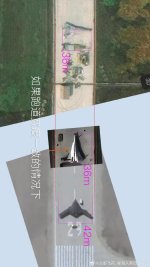
Even last few months SAC was rumoured to have flown some high supersonic aircraft. Maybe it is the arrowhead aircraft maybe something different. I don't think arrowhead has been linked to SAC.
For engines which is arguably more difficult since China has all the aerodynamics, supercomputing and wind tunneling tools down for some time (look at all the hypersonic maneuoverables, tailless supersonic fighters, UADFs, unmanned platforms with exotic designs). Engines are still pretty much world leading at this moment EXCEPT for commercial high bypass engines which lag behind US and UK by some margin despite the component technology branches being delivered, the whole is still to be mastered to the same degree it has in the US and UK. Military turbofan is better but I suspect behind the US even with 5th gen engine ready and VCE nearing readiness.
China is a little ahead in scramjets (started in the 1990s and mastered in the late 2010s and put into service with HCMs already), a little ahead in rotating detonation but this is only based on the fact that China flew two before the US experimented on a single one. The US could have gone above for all we know now. Combined cycle I would say is also a field China is ahead with multiple test flights with Tengyun related programs.
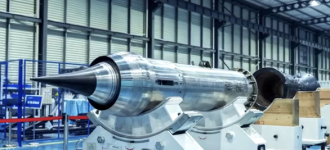
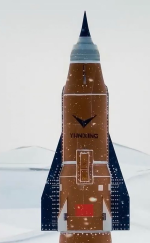
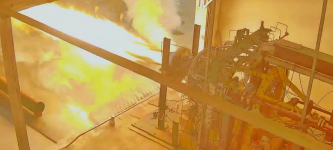
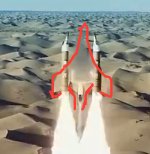
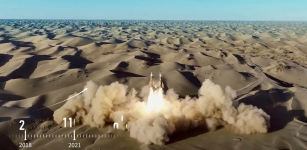
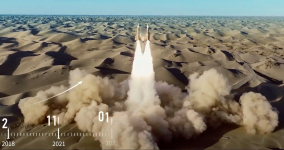
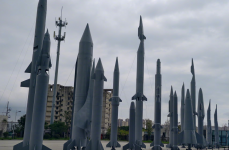
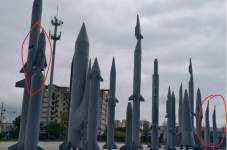
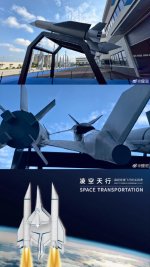
Ramjet is an interesting one because even though basic ones were introduced in the 1980s and throughout. Recently there is the newer form of ramjet that blends with scramjet was experimented with DF-100 missile. In fact even civilian company LingKong tested an exotic next generation ramjet with their Yunxing experiment. These ramjets operate above mach 3 and like DF-100's engine, it's supposed to be touching hypersonic speed so they usually describe as near hypersonic typically mach 4+ but under mach 5.
View attachment 213883
View attachment 213884
View attachment 213885
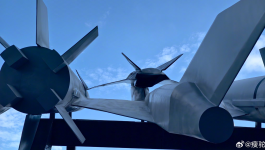
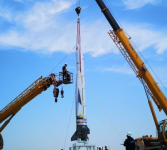
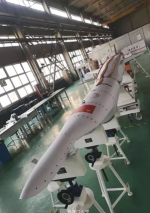
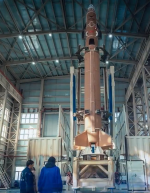
I suspect DF-100's intake looks like the one in this Lingkong program's. Lingkong is a very public, civilian company, the one that produced the "super affordable" HGV weapon.
The combined cycle programs are definitely the most interesting because reusable aircraft will be powered by these rather than the standalone ramjets, scramjets and rotating detonation or other forms of continuous detonation like the oblique detonation engine the US claims China managed to build in the early 2020s with the context being China's hypersonic missile programs making use of oblique detonation engine.
The cheaper exotic mach 4+ ramjet used by the DF-100 is considered outdated. DF-100 stopped in 2019-2020 and maybe that's why that tech was given to commercial entity Lingkong? Just like how CASIC and CASC sometimes give outdated tech to the commercial space companies.
There are so many new exotic non-turbofan engine types that are flying. The good thing about these is that like with EVs and battery technology, it is a departure from the conventional mainstream technology. Though even in turbofans, China has basically caught up just like with internal combustion engines for cars. The exotic new engines are mostly an even starting with the US. The US may have played around with these since the 1970s and 1980s but they moved extremely slowly back then and their military posture largely does not require this stuff except for their global prompt strike program which required at least a scramjet if not continuous detonation engine.
The thing that allowed China to surpass is really the many types of hypersonic wind tunnels that the US only are now trying to produce to the same speed as China's. Previously they only had very old and speed constrained hypersonic tunnels. China's explosion based hypersonic tunnels consume the energy of a small city.