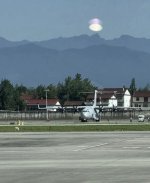
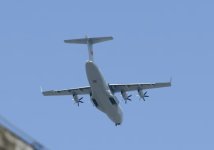
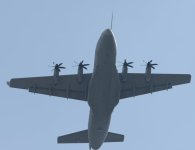
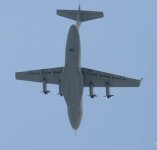
China’s Y-20B Could Become Tanker, Electronic Warfare and Cruise-Missile Carrier as PLAAF Expands Long-Range Airpower
China’s WS-20-powered Y-20B could evolve beyond strategic airlift into a modular tanker, electronic-warfare, airborne early-warning and potential cruise-missile platform, expanding the PLAAF’s ability to sustain long-range combat operations beyond the First Island Chain.
On
Aug 11, 2026
Y-20
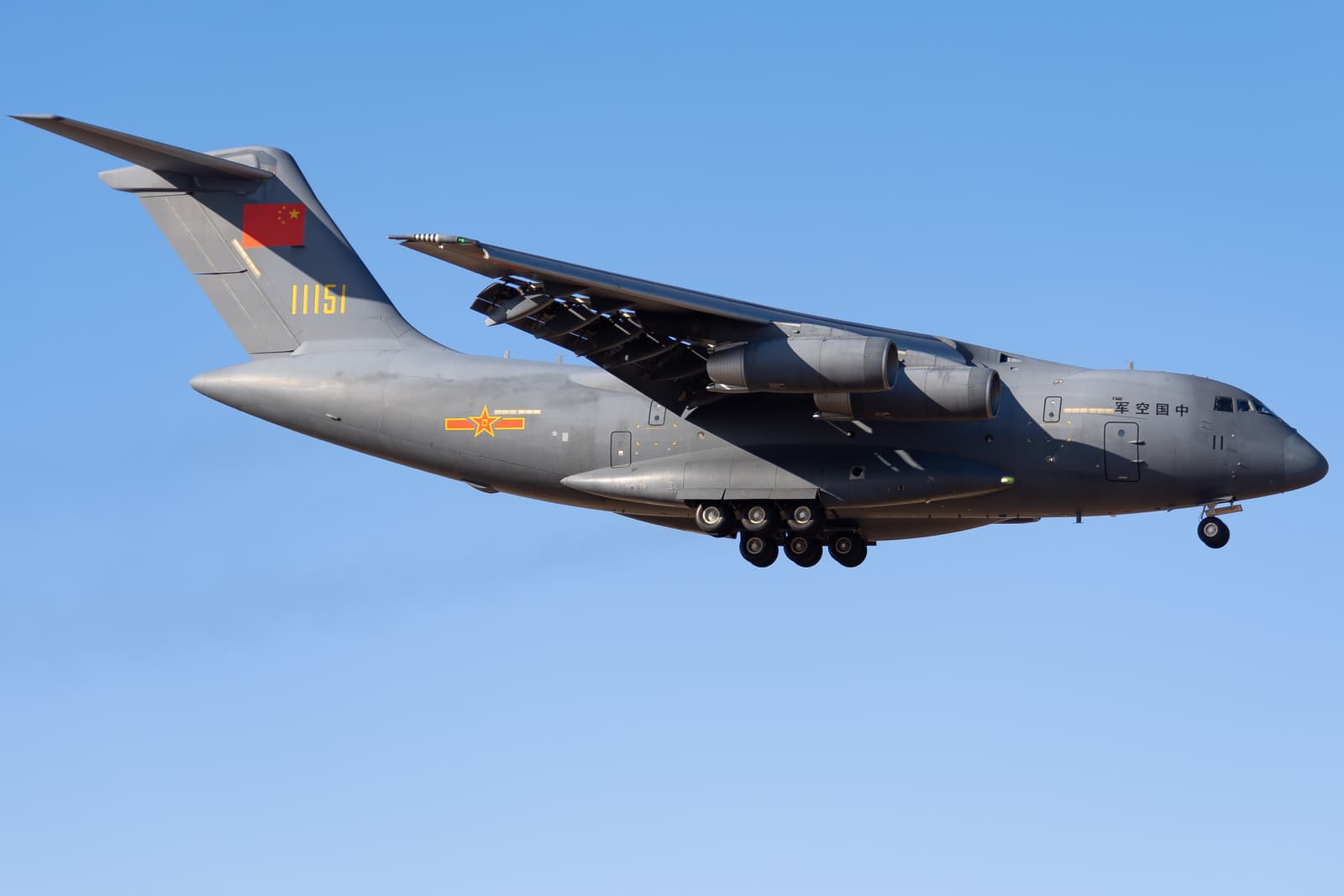
— China is positioning its WS-20-powered Y-20B strategic transport aircraft as the foundation of a modular multi-role architecture that could fundamentally expand how the People’s Liberation Army Air Force generates tanker, surveillance, electronic-warfare and potentially long-range strike capacity.
The concept potentially transforms strategic airlifters from logistical assets into configurable combat-support nodes, allowing China to distribute specialised missions across a larger aircraft population while reducing dependence on comparatively scarce purpose-built platforms during rapidly evolving Indo-Pacific contingencies.
Chinese descriptions envisage the Y-20B switching between strategic transport, aerial refuelling, electronic warfare, airborne early warning and potentially bombing or cruise-missile missions through functional pods, mission kits and, where necessary, deeper permanent modifications to the underlying airframe.
Y-20
The military significance extends beyond individual aircraft because modularity could permit the PLAAF to alter its operational force composition according to mission requirements, complicating adversary assessments of which Y-20B aircraft represent logistics platforms and which could support combat operations.
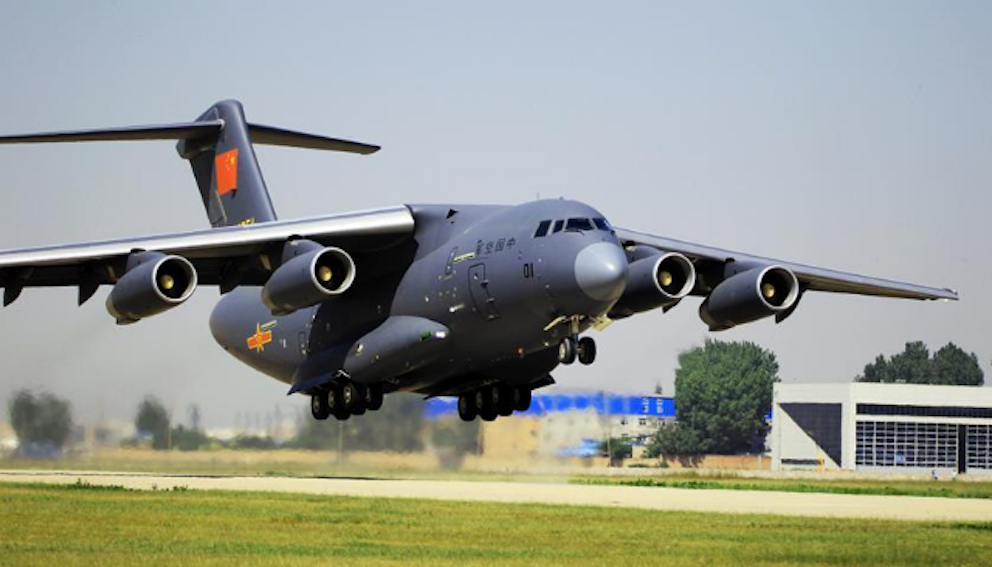
Powered by four domestically produced WS-20 high-bypass turbofan engines, the Y-20B reportedly benefits from improved thrust, fuel efficiency, range, payload, climb performance and reliability, strengthening the performance margins required for China’s expanding long-range air-power architecture.
With a cited payload of approximately 66 tonnes and maximum take-off weight approaching 220 tonnes, the aircraft provides substantial physical capacity for cargo, fuel, mission equipment or specialised systems, although publicly available information does not establish performance across every proposed configuration.
The platform therefore represents more than an incremental transport upgrade, because China’s control over the aircraft’s engines, aerodynamics, avionics, flight-control architecture and structural design potentially reduces engineering barriers when integrating indigenous mission systems or developing specialised derivatives.
A PLA aviation unit member, Pang Rongqi, said boundaries separating transport aircraft from bombers, airborne early-warning aircraft and electronic-warfare platforms were becoming increasingly blurred, arguing that these missions could potentially be accomplished through the transport-aircraft platform.
That assertion remains strategically important but requires qualification because publicly demonstrated Y-20-family tanker development is considerably more mature than proposed electronic-warfare or palletised strike configurations, for which comparable operational evidence has not been publicly established.
The emerging architecture nevertheless suggests Beijing is examining how strategic air mobility can become a force-multiplication mechanism, allowing aircraft produced primarily for logistics to contribute additional wartime capacity without permanently assigning every airframe to one specialised mission.
Such flexibility could become particularly consequential beyond the First Island Chain, where distance magnifies requirements for aerial refuelling, airborne command-and-control, electronic support and resilient logistics while placing greater pressure on fixed bases and limited specialised aircraft fleets.
For regional military planners, the central question is therefore not whether every proposed Y-20B configuration becomes operational, but whether modularity enables China to generate mission capacity faster, distribute supporting functions more widely and sustain combat power farther from continental bases.
WS-20 Engines Turn the Y-20B Into a More Powerful Foundation for China’s Long-Range Air Operations
The Y-20 family entered PLAAF service in 2016 as China’s indigenous heavy strategic transport, establishing an air-mobility capability broadly comparable in mission category to Western heavy airlifters while reducing reliance on foreign aircraft for long-distance military logistics.
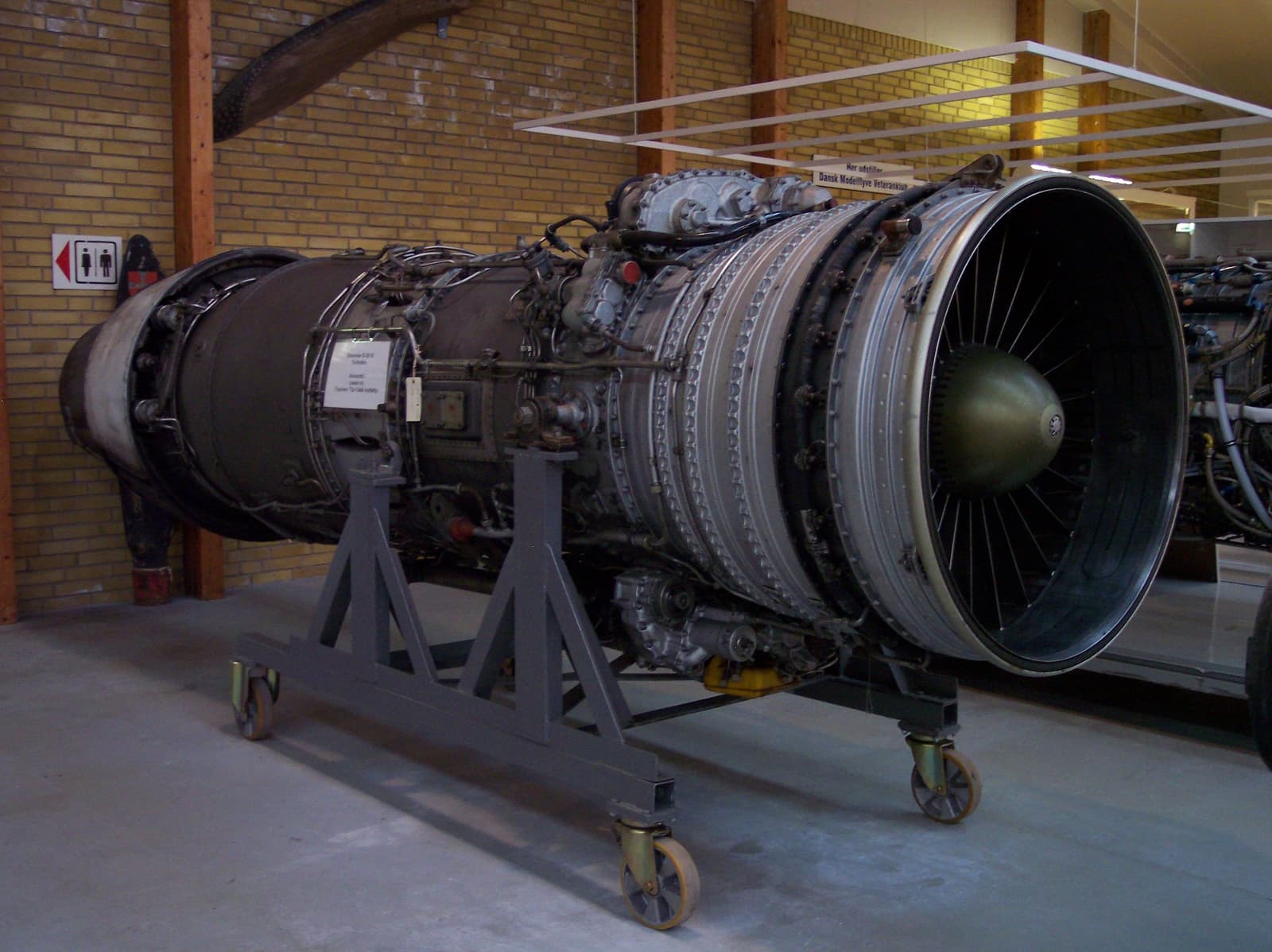
Earlier Y-20 variants depended upon Russian D-30KP or Chinese WS-18 engines, but the Y-20B introduces four indigenous WS-20 high-bypass turbofans, creating an important propulsion transition with implications extending beyond efficiency improvements or straightforward transport performance.
Greater thrust and fuel efficiency potentially improve range-payload trade-offs, climb performance and operational reliability, characteristics that become increasingly important when heavy aircraft must carry additional fuel, mission systems, electronic equipment or specialised crews across extended Indo-Pacific distances.
Indigenous propulsion also provides China greater sovereign control over production, maintenance and future modification, reducing exposure to foreign engine supply constraints while giving engineers deeper access to the technical architecture underpinning specialised Y-20B-derived aircraft development.
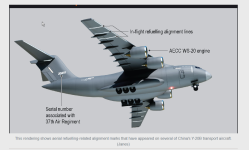
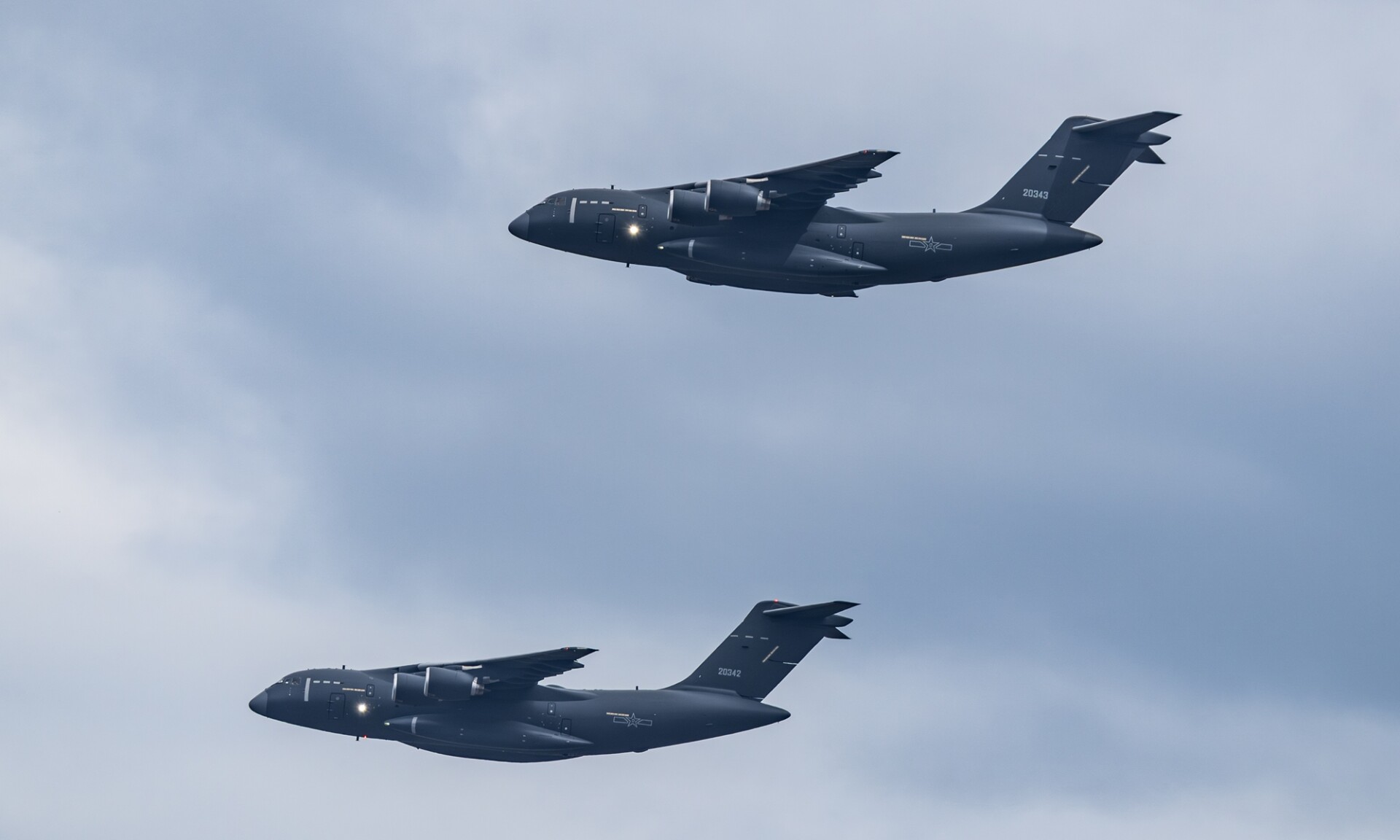
The Y-20B reportedly began entering service around 2024 and 2025, including with the 13th Transport Division’s 37th Air Regiment at Kaifeng, as production expanded alongside development of specialised aircraft within the broader Y-20 family.
That growing production base matters strategically because modularity produces its greatest operational value when applied across sufficient aircraft numbers, enabling commanders to redistribute airframes between transport and support functions without critically weakening the underlying strategic-airlift fleet.
A large common airframe population could additionally simplify aspects of maintenance, training, infrastructure and spare-parts management compared with operating numerous unrelated specialised aircraft types, although individual mission configurations would still impose distinct logistical and technical requirements.
The Y-20B therefore offers China an increasingly important logistics footprint for moving personnel, equipment and supplies while simultaneously providing an engineering foundation from which tanker, airborne early-warning and potentially other special-mission derivatives can be generated.
This combination strengthens force posture because strategic airlift determines how quickly military power can be repositioned between theatres, reinforced during crises or sustained at distant operating locations when maritime transportation is too slow for immediate operational requirements.
The strategic transformation consequently rests on both quantity and adaptability: WS-20-powered production increases China’s heavy-airlift capacity, while modular and derivative configurations potentially allow portions of that fleet architecture to support increasingly complex long-range combat operations.
Y-20
Tanker Conversion Could Expand the PLAAF’s Aerial-Refuelling Capacity and Extend Combat Radius
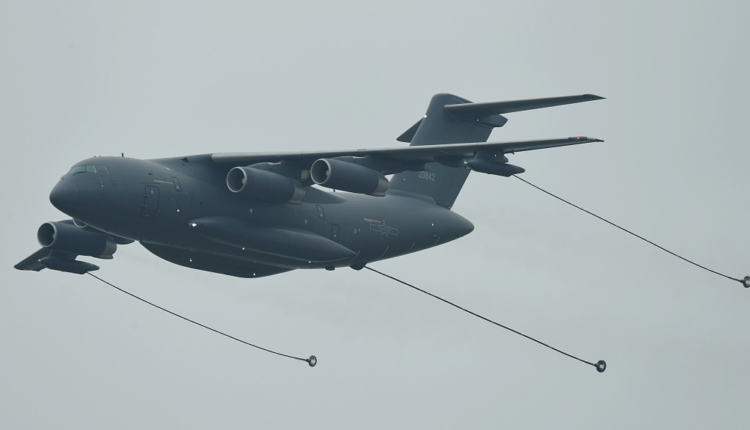
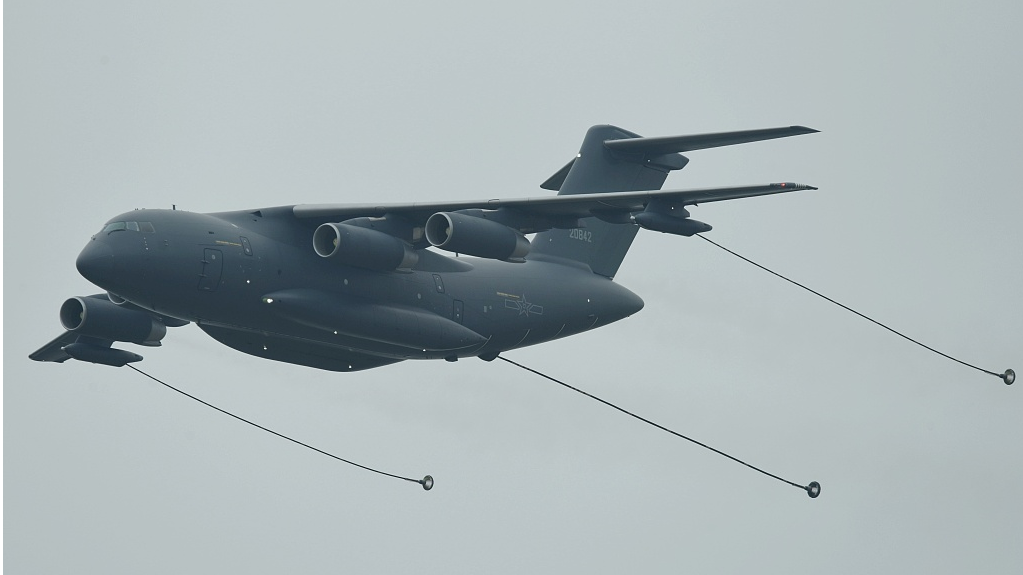
Among the proposed Y-20B roles, aerial refuelling represents the most technically credible pathway because China already operates dedicated Y-20-family tanker variants equipped with wing and centreline hose-and-drogue systems supporting fighters and long-range H-6N bomber operations.
The modular concept envisages fitting refuelling pods and associated equipment to transport-configured aircraft, potentially allowing selected Y-20Bs to supplement dedicated tanker formations during wartime before returning to conventional airlift duties when additional refuelling capacity is unnecessary.
Such flexibility addresses an important force-generation problem because tanker availability directly influences how many fighters, bombers and specialised aircraft can operate at extended ranges, remain on station longer or approach distant operating areas with usable combat endurance.
For China, increased tanker capacity could strengthen operations beyond the First Island Chain by reducing the geographical constraints imposed by combat-aircraft fuel capacity, while simultaneously supporting dispersed formations operating farther from established mainland airfields and logistical infrastructure.
Dedicated YY-20 or YU-20 tankers have already demonstrated the broader Y-20 airframe’s suitability for aerial refuelling, including support for H-6N bombers, establishing a considerably firmer technological foundation than exists publicly for several other proposed modular missions.
Some Y-20Bs have displayed aerial-refuelling alignment markings, but publicly available imagery has not conclusively established that standard transport-configured Y-20Bs possess complete operational in-flight-refuelling systems, making claims of rapid tanker conversion important but not yet fully demonstrated.
The distinction matters because converting cargo capacity into transferable fuel involves more than attaching external pods, requiring fuel-management systems, plumbing, control architecture, structural integration and operational certification capable of safely supporting repeated refuelling under demanding flight conditions.
If those engineering requirements can be packaged into practical conversion kits, however, China could create a reserve tanker capacity embedded within its transport fleet, increasing wartime resilience if dedicated refuelling aircraft become unavailable, overstretched or prioritised elsewhere.
That architecture would also complicate force-counting assumptions because assessments based solely on permanently configured tanker inventories could underestimate the number of aircraft potentially available for refuelling operations once mobilisation and mission reconfiguration begin.
The resulting strategic effect would be measured not simply in additional tankers, but in extended fighter persistence, longer bomber reach, greater special-mission endurance and a broader geographical envelope within which the PLAAF could generate sustained combat airpower.
Electronic Warfare and KJ-3000 Development Point Toward a Wider Y-20B Combat-Support Ecosystem
Chinese descriptions also identify electronic-jamming pods as a possible Y-20B configuration, potentially transforming selected transports into electronic-warfare platforms capable of supporting wider air operations by interfering with hostile radar, communications or other electromagnetic-spectrum-dependent systems.
This proposed role carries major operational implications because electronic warfare can suppress sensor effectiveness, complicate command networks and reduce engagement quality, potentially creating temporary corridors through which strike aircraft or other assets could operate with lower detection risk.
Yet electronic warfare represents a substantially more demanding integration challenge than carrying conventional cargo, because powerful jamming systems typically require significant electrical generation, cooling, antennas, electromagnetic compatibility engineering, mission computers and specialised operator workstations inside the aircraft.
Consequently, descriptions of simple pod-based conversion should be treated cautiously until operational configurations are demonstrated, since external jamming pods alone would not necessarily reproduce the capabilities of a purpose-designed, high-power electronic-attack aircraft with extensive onboard mission infrastructure.
The same distinction applies to airborne early warning, where Chinese commentary has mentioned early-warning modules while actual development is progressing through the more specialised KJ-3000 derivative based upon the WS-20-powered Y-20B airframe.
The KJ-3000 has reportedly undergone flight testing since late 2024, with observed prototypes featuring a large dorsal radome, an in-flight-refuelling probe and additional antennas associated with communications intelligence, electronic intelligence and wider airborne surveillance requirements.
Its larger airframe potentially provides greater endurance, electrical power and sensor capacity than older Chinese airborne early-warning aircraft, characteristics essential for supporting persistent surveillance and command-and-control across increasingly distant maritime and aerial operating environments.
Airborne early-warning aircraft are particularly important to system-of-systems warfare because their elevated sensors can expand radar horizons, coordinate fighter activity and contribute situational awareness beyond what individual combat aircraft or ground-based sensors can independently provide.
The Y-20B and KJ-3000 relationship therefore demonstrates two complementary pathways: temporary modularisation where technically feasible and permanent structural modification where specialised missions require substantial radar, power-generation, cooling, communications or operator-support infrastructure.
Rather than proving that every Y-20B can instantly become an airborne command post, the development indicates China possesses a common heavy-airframe foundation from which increasingly sophisticated surveillance and electronic-support capabilities can be engineered for long-range operations.
Cruise-Missile Carrier Concept Could Blur the Boundary Between Strategic Transport and Stand-Off Strike Aircraft
The most consequential proposed Y-20B mission involves bombing modules or potential cruise-missile carriage, a concept that could theoretically convert strategic transports into stand-off weapons carriers without requiring them to penetrate heavily defended airspace like conventional bombers.
Such an approach would exploit the aircraft’s approximately 66-tonne payload capacity by carrying modular or palletised ordnance inside the cargo compartment, potentially enabling weapons release while preserving the transport aircraft’s fundamental airframe and much of its logistics architecture.
The concept resembles broader experimentation with using transport aircraft as stand-off munition carriers, where the objective is not to create an agile bomber but to exploit cargo volume for launching weapons from comparatively safe distances.
For China, a successful configuration could increase potential launch-platform numbers without building an equivalent quantity of dedicated bombers, creating additional wartime magazine depth and forcing adversaries to consider transports as possible strike assets during high-intensity operations.
That ambiguity could complicate intelligence and targeting because aircraft externally resembling strategic transports might perform materially different missions, increasing pressure on surveillance systems attempting to distinguish routine logistics movements from preparations for long-range stand-off strikes.
Nevertheless, no widely reported public imagery has demonstrated an operational Y-20B palletised cruise-missile or bombing configuration, meaning the concept should presently be assessed as stated potential rather than a confirmed PLAAF combat capability.
Major technical questions also remain unresolved, including weapons-release mechanisms, aerodynamic separation, fire-control integration, targeting-data connectivity, cargo-bay modifications, mission-planning architecture and procedures for safely deploying stand-off weapons from a large transport aircraft.
The absence of disclosed conversion times, pod designs, residual cargo capacity and operational testing further prevents reliable assessment of how quickly such aircraft could transition between logistics and strike roles or how much combat capability each configuration would generate.
Even so, the concept carries strategic signalling value because it demonstrates PLAAF interest in dissolving traditional distinctions between logistics and combat aircraft, potentially creating a force architecture where large transport platforms contribute directly to distributed long-range fires.
The decisive issue will therefore be whether China progresses from conceptual modularity to operational weapons integration, because demonstrated palletised strike capability would materially alter assessments of Y-20B force posture, wartime mission allocation and potential stand-off missile capacity.
Beyond the First Island Chain, Y-20B Modularity Could Reshape China’s Logistics Footprint and Force Posture
The broader significance of the Y-20B programme lies in its potential contribution to China’s transition from a predominantly continental air force toward one increasingly capable of sustaining complex operations across extended maritime and Indo-Pacific distances.
Long-range combat power depends upon an interconnected logistics architecture comprising strategic airlift, aerial refuelling, airborne surveillance, communications, electronic warfare and maintenance support, meaning combat-aircraft numbers alone provide an incomplete measure of effective operational reach.
By developing these functions around a common Y-20-derived ecosystem, China could potentially increase interoperability between logistics and combat-support fleets while exploiting common engineering knowledge, production infrastructure and maintenance experience accumulated through large-scale domestic aircraft manufacturing.
This architecture could improve wartime resilience because losses, maintenance demands or unexpected mission requirements might be absorbed across a broader aircraft population, although highly specialised configurations would remain considerably less interchangeable than straightforward modular descriptions sometimes imply.
Peacetime utility is equally significant, since maintaining aircraft primarily as transports allows continuous logistical employment while preserving the possibility that selected airframes could assume additional wartime missions if conversion kits and trained personnel are available.
The resulting force posture could support longer-range fighter deployments, bomber operations, airborne surveillance and distributed logistics beyond mainland China, extending the operational relevance of bases and airfields located deeper across the country’s strategic rear.
However, claims of an immediately interchangeable transport-tanker-EW-bomber fleet would exceed available evidence, because complex missions require specialised equipment, certification, crews, power generation, cooling, communications and extensive integration that cannot necessarily be reduced to external pods.
The programme’s financial dimensions also remain undisclosed in the supplied information, preventing credible calculation of programme costs in either United States dollars or Malaysian ringgit at the stipulated conversion rate of USD1 to RM4.00.
What is demonstrable is the emergence of an indigenous WS-20-powered heavy-aircraft family spanning strategic transport, dedicated aerial refuelling and developing airborne early warning, providing China with increasingly important infrastructure for sustained long-distance air operations.
If modular tanker, electronic-warfare and stand-off strike configurations subsequently become operational, the Y-20B could evolve from China’s strategic airlifter into a distributed force-generation platform, reshaping PLAAF logistics, mission flexibility and power projection far beyond the First Island Chain.
The tanker pathway is the strongest element in the supplied evidence, while the EW and strike configurations remain proposed capabilities requiring additional integration and operational confirmation; the KJ-3000 illustrates the alternative approach of building a specialised derivative when mission complexity demands deeper modification.
China’s Y-20B could support tanker, electronic warfare and cruise-missile missions, expanding PLAAF long-range airpower across the Indo-Pacific.

defencesecurityasia.com


D-30
Y-20B