Saudi Arabia strategic Projects: news, discussions & updates

To view this content we will need your consent to set third party cookies.
For more detailed information, see our cookies page.


118 billion US dollars in trade, and 58 billion US dollars in strategic agreements. #Saudi Arabia and China are building one of the most dynamic partnerships in the world.I was pleased to meet with His Excellency Ambassador Abdulrahman bin Ahmed Al-Harbi, Saudi Ambassador to #China, to discuss ways to deepen digital cooperation in the areas of artificial intelligence governance, fifth and sixth generation network infrastructure, and smart city technologies, in support of the shared vision of the member states of the Digital Cooperation Organization towards a comprehensive and sustainable digital transformation.Through stronger cooperation, we can make digital transformation a bridge to shared prosperity.

@ksaembassyCHINA

To view this content we will need your consent to set third party cookies.
For more detailed information, see our cookies page.


To view this content we will need your consent to set third party cookies.
For more detailed information, see our cookies page.


I was pleased to attend the dinner banquet held in honor of His Excellency Han Zheng, Vice President of China, in the presence of His Excellency Khaled Al-Falih, where opportunities for economic cooperation and strengthening partnerships between business leaders in the Kingdom and the friendly Republic of China were discussed.

To view this content we will need your consent to set third party cookies.
For more detailed information, see our cookies page.


We have also finalized a bilateral agreement by signing with His Excellency the Minister of Foreign Affairs of the Eastern Republic of Uruguay, Mario Lubetkin, concerning the promotion and protection of mutual investments between the two friendly countries, with the aim of strengthening the economic partnership between them and enabling investors in both countries.

To view this content we will need your consent to set third party cookies.
For more detailed information, see our cookies page.


In Riyadh, I signed a memorandum of understanding with Her Excellency the Minister of Trade, Industry, and Tourism of the Republic of Colombia, Diana Marcela Morales, for cooperation in the field of promoting and protecting direct investment between the two friendly countries.

Looks like relations with Canada are back on track, probably been the case for a few years.

1762736946150.png

1762736988232.png

Minister Sidhu strengthens Canada’s economic relationship with Saudi Arabia​

From: Global Affairs Canada

News release​

November 6, 2025 - Ottawa, Ontario - Global Affairs Canada

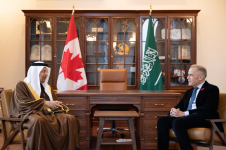
On Monday, the Honourable Maninder Sidhu, Minister of International Trade, welcomed Khalid Al-Falih, Saudi Arabia’s Minister of Investment, and a delegation of government officials and business executives to Ottawa.

As Canada is strengthening its economic ties with partners around the world, Minister Sidhu and Minister Al-Falih took this opportunity to announce the launch of negotiations for a Foreign Investment and Protection Agreement between Canada and Saudi Arabia. They also announced the reactivation of the Joint Economic Commission, a treaty-based mechanism to promote trade and economic initiatives of mutual benefit. Finally, Minister Sidhu and Minister Al-Falih welcomed the October 23 signing of a memorandum of understanding between Export Development Canada and the Saudi EXIM Bank.

This increased partnership between Canada and Saudi Arabia will boost business opportunities, increase bilateral trade and unlock export opportunities and investments in Canadian and Saudi Arabian companies alike.

During a bilateral meeting, Minister Sidhu and Minister Al-Falih discussed future strategic sector partnerships between Canadian and Saudi Arabian companies, including in the areas of artificial intelligence and frontier technologies, healthcare, infrastructure, mining, defence, and creative industries.

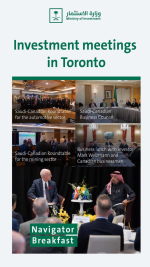
The ministers also met with business leaders and industry stakeholders, participated in a business round table with Invest in Canada and focused on deepening Canada-Saudi relations by highlighting commercial success stories between Canadian and Saudi companies.

Quotes​

“Saudi Arabia is an important market for Canada as our largest bilateral merchandise trading partner in the Middle East. We’re committed to advancing economic cooperation and mutually beneficial investment opportunities to foster greater commercial prosperity for Canadians and Saudis. I look forward to strengthening the relationship between our two countries and promoting continued cooperation for our businesses, industries and workers.”

- Maninder Sidhu, Minister of International Trade

Quick facts​

  • In 2024, Saudi Arabia was Canada’s largest merchandise trading partner in the Middle East.
  • Two-way merchandise trade between Canada and Saudi Arabia in 2024 was valued at approximately $4.1 billion: $2 billion worth of exports from Canada and $2.1 billion worth of imports to Canada.
  • Top Canadian exports to Saudi Arabia included defence products, aircraft, motor vehicles and parts, pharmaceuticals, as well as industrial machinery and equipment.
  • Over 150 Canadian companies are active in Saudi Arabia, offering competitive solutions in artificial intelligence and frontier technology, healthcare, infrastructure, mining, defence products, and creative industries.

 
Last edited:
Somehow the first tweet disappeared in the post above. Posting it again.

To view this content we will need your consent to set third party cookies.
For more detailed information, see our cookies page.


Our beautiful Deemah in action:

To view this content we will need your consent to set third party cookies.
For more detailed information, see our cookies page.


To view this content we will need your consent to set third party cookies.
For more detailed information, see our cookies page.


To view this content we will need your consent to set third party cookies.
For more detailed information, see our cookies page.


Our potentially secret weapon during negotiations, seems to work looking at her activity in diplomatic and business settings across the world showcased on her Twitter profile.:ROFLMAO:

Saudi Arabia Awards Five Renewables Projects Worth $2.4 Billion​

By Charles Kennedy - Oct 28, 2025, 11:30 AM CDT

Saudi Arabia has awarded one wind power and four solar power projects in the country worth a total estimated investment of $2.4 billion (9 billion Saudi riyals), the official Saudi Press Agency reports.

Saudi Power Procurement Company, the principal buyer of the projects, awarded the five projects with a total capacity of 4.5 gigawatts (GW), as part of the sixth phase of the Kingdom’s National Renewable Energy Program.

Saudi Arabia, the world’s biggest crude oil exporter, aims to hike the share of renewable electricity generation as part of its Vision 2030 economic development program.

The Kingdom’s National Renewable Energy Program is aimed at diversifying the energy mix used in electricity production by increasing the shares of gas and renewables in it.

“The kingdom aims at have the energy mix that is optimal, most efficient, and least costly, by replacing liquid fuel with natural gas, in addition to renewables, which are going to make up around 50% of the energy mix used to produce electricity by 2030,” the Energy Ministry says.

Of course, replacing liquid fuels and direct crude burn with wind and solar electricity would help Saudi Arabia free up more crude oil for exports, the pillar of its economy and budget revenues.

In the latest $2.4-billion renewable energy tender, Saudi Power Procurement Company awarded a project for the Dawadmi Wind IPP Plant in the province of Riyadh with a capacity of 1.5 GW. The winning bid from a consortium comprising Korea Electric Power Corporation (KEPCO), Nesma Renewable Energy Company Ltd, and Etihad Water and Electricity Company, has a levelized cost of electricity (LCOE) of 1.33803 U.S. cents per kWh. This is a new world record for the lowest LCOE of wind power generation, Saudi Arabia says.

The 1.4-GW Najran Solar Energy Project in the Najran region will be developed in partnership with Abu Dhabi Future Energy Company (Masdar), with an LCOE of 1.09682 U.S cents per kWh. This is the second-lowest in the world for the cost of electricity generation from solar energy, following the Shuaiba 1 Project, which is also located in the Kingdom.

Saudi Arabia expects its total tendered renewable energy generation capacity to reach 64 GW by the end of 2025.

By Charles Kennedy for Oilprice.com


To view this content we will need your consent to set third party cookies.
For more detailed information, see our cookies page.


The largest solar energy projects in the world, the Shuaibah Station in Makkah Al-Mukarramah:
* More than 5 million solar panels.
* Production of 2600 megawatts.
* The location with the most radiation throughout the year.
* Project area of 55 square kilometers.

This is one of the fruits of our blessed vision #رؤية_السعودية_2030 (Saudi Vision 2030) led by our inspiring prince #محمد_بن_سلمان (MbS)

A little reminder why KSA could/should be a world leader in renewables:
 
Fantastic news.

To view this content we will need your consent to set third party cookies.
For more detailed information, see our cookies page.


To view this content we will need your consent to set third party cookies.
For more detailed information, see our cookies page.


1762810278627.png

The development going in the right direction.

To view this content we will need your consent to set third party cookies.
For more detailed information, see our cookies page.


The Global "The Spectator Index":

The Saudi economy continues its steady progress, driven by a 9.3% year-on-year increase in industrial production, signaling the strength of the industrial transformation within Saudi Vision 2030.

To view this content we will need your consent to set third party cookies.
For more detailed information, see our cookies page.


To view this content we will need your consent to set third party cookies.
For more detailed information, see our cookies page.


CEO of the Diriyah Company "Jerry Inzerillo":

It was scheduled for U.S. President "Donald Trump" to be briefed on the Diriyah project for 10 minutes, but he stayed for 45 minutes due to his intense admiration for the project, and the Saudi Crown Prince handled the U.S. President with utmost intelligence, as he understands him very well.
 

Exceptional Saudis headed for Oxford to study as Rhodes Scholars

Exceptional Saudis headed for Oxford to study as Rhodes Scholars

Osama Aljohani, Omar Alomran and Osama Dabbousi will head to the University of Oxford in October next year to join more than a hundred fellow recipients from around the world. (Supplied)


ARAB NEWS

November 10, 2025

  • The recipients of the prestigious scholarship, Osama Aljohani, Omar Alomran and Osama Dabbousi, will begin their studies in England in October next year
  • The Rhodes Scholarship, generally recognized as the world’s oldest and preeminent graduate fellowship, was established at the University of Oxford in 1902
RIYADH: Three gifted Saudis have been awarded prestigious Rhodes Scholarships. Osama Aljohani, Omar Alomran and Osama Dabbousi will head to the University of Oxford in October next year to join more than a hundred fellow recipients from around the world and begin their fully funded postgraduate studies.

The Rhodes Scholarship is generally recognized the world’s oldest and preeminent graduate fellowship. It was established at Oxford in 1902 and the first scholars began their studies there the following year.

The inaugural award for Saudi Arabia was established in 2018 thanks to a gift from Mohammed Alagil, and additional scholarships were subsequently added through gifts from Abdulrahman Alagil Sons. The donors are co-founders of Jarir Bookstores and their donations were made in collaboration with the Saudi Ministry of Education.

Eighteen students from Saudi Arabia have been awarded Rhodes Scholarships to date. They have gone on to pursue a variety of careers in fields including genetics, medicine and the creative arts. This year’s winners continue a fantastic legacy of excellence, organizers said.

Aljohani is a senior chemical engineering student at King Fahd University of Petroleum and Minerals, specializing in hydrogen mobility. Born and raised in Yanbu Industrial City, he grew up overlooking local refineries and chemical plants, which sparked an interest in energy, chemicals and water.

His undergraduate research focuses on crude-to-chemicals conversion using fluid catalytic cracking, in particular the evaluation of catalyst performance and operating conditions. He completed an internship in Austin, Texas, as a data and chemometrics analyst at JP3 Measurement.

Aljohani describes himself as having a passion for building communities, and has held several public relations and leadership roles. He co-founded initiatives at the university, including the Gaming+ event to empower Saudi game developers, the CITE initiative to support local chemical engineering students, and Student Breakthrough Research, a program that trains undergraduates to conduct research and connects them with research centers.

He serves as the data analytics and insights lead on the Young Leaders Advisory Board at King Fahd University, where he contributes to university-level strategy. He also serves as vice president of the Chemical Engineering Club, where he manages an internal investment fund in support of student innovation.

Aljohani describes himself as passionate about solving water scarcity through energy innovation, and says his goal is to make renewable energy more reliable and dispatchable, especially through hydrogen storage and renewable integration, to enable sustainable desalination in arid regions.

At Oxford, he plans to pursue master’s degrees in energy systems, and in sustainability, enterprise and environment.

Alomran is a recent graduate of King Fahd University in software engineering, with a focus on artificial intelligence. He was awarded the Oxford/KAUST AI Program Scholarship, and an exchange-semester scholarship to study at Georgia Tech.

He is also an economist who has published research on public policy and international relations, focusing on Saudi Arabia and the Middle East, and has conducted several economic studies in collaboration with the Saudi Ministry of Economy and Planning.

He has worked at Thmanyah, a prominent Saudi media company, on economic and political coverage that reaches millions of people across the Arab world. He was the recipient of BCG’s Jeel Tamooh and Misk’s Ignited Voices fellowships, and won national olympiad medals in history, physics and Arabic.

At Oxford, Alomran plans to pursue a Master of Public Policy degree with the aim of advancing evidence-based economic and social reform in Saudi Arabia and the wider Middle East, with a particular focus on reforms of the labor market and education through a neoclassical framework.

Dabbousi is a master’s student in computer science at King Abdullah University of Science and Technology, where he carries out research in the field of high-performance computing. His thesis focuses on GPU-accelerated, large-scale acoustic simulation.

He holds a degree in data science from Boston University, where he graduated at the top of his class as a KAUST Gifted Student Program scholar and received the CDS Academic Excellence Award. He holds a US patent from his research at Aramco Americas, and co-founded CSTIP, a student club at Boston University that teaches algorithms and interview preparation. He plans to pursue a doctorate in computer science at Oxford.

Rick Trainor, interim warden and CEO of the Rhodes Trust, said: “For more than a century, the Rhodes Trust has brought exceptional individuals to Oxford and fostered a vibrant global community.

“We are delighted to introduce the 2026 Class of Rhodes Scholars Elect who represent cultures and perspectives from every corner of the world. I look forward to seeing the positive contributions they will make in the world through their studies and the many and varied activities and initiatives with which they are involved.”

Prof. Christian Sahner, national secretary of the Rhodes Scholarships for Saudi Arabia, said: “Each year, we receive applications from some of the best and brightest students in Saudi Arabia, and this year was no exception.

“Our winners, Osama Aljohani, Osama Aljohani and Osama Dabbousi, embody the best of their country, with outstanding academic records and impressive extracurricular achievements. We look forward to welcoming them to Oxford next year and to seeing the positive impact they will have on the Kingdom and the world going forward.”

Education is one of the core elements of Saudi Arabia’s Vision 2030 plan for national development and diversification. The Rhodes Scholarships enable outstanding students from across the Kingdom to fully develop their skills and knowledge in the fields that will help the Kingdom achieve its goals, authorities said.

Students from anywhere in the world can apply for a Rhodes Scholarship and many find that taking part in the rigorous selection process is a positive experience, organizers say, that leaves them well placed to complete the scholarship or other opportunities worldwide.

The selection process aims to identify young people with proven records of academic excellence who also display exceptional character, leadership skills, the energy to use their talents to the full, and a commitment to solving humanity’s challenges. The process includes a rigorous review phase before finalists are invited to an interview with a selection committee composed of experts and leaders in their fields. The scholars form a lifelong community of people in many fields and careers, united by a commitment to making a positive impact on the world, organizers say.


More than 1 million Saudis trained in AI via SAMAI initiative

More than 1 million Saudis trained in AI via SAMAI initiative

1 / 2
More than one million Saudis have been trained in artificial intelligence skills. (SPA)

More than 1 million Saudis trained in AI via SAMAI initiative

2 / 2
More than one million Saudis have been trained in artificial intelligence skills. (SPA)

ARAB NEWS
November 10, 2025

  • SAMAI is described as one of the largest AI training initiatives globally
  • SAMAI aims to empower Saudi citizens with AI skills and enhance their readiness for the digital future
RIYADH: The national One Million Saudis in AI Initiative has successfully exceeded its target of training over 1 million Saudi citizens in artificial intelligence skills.

Of these, 9 percent are working-age Saudis who have earned AI skills certificates.

SAMAI is described as one of the largest AI training initiatives globally, offering simplified Arabic-language content that outperforms many regional and international programs in accessibility and reach.

International comparisons of AI training initiatives highlight SAMAI’s distinctive strengths, including ease of access, comprehensive training, and a flexible national approach tailored to Saudi society’s needs while keeping pace with global trends.

Its free access and official certification from the Saudi Data and Artificial Intelligence Authority also provides significant academic and market value, setting it apart from programs offering non-accredited content.

Launched by SDAIA in collaboration with the Ministry of Education and the Ministry of Human Resources and Social Development, SAMAI aims to empower Saudi citizens with AI skills and enhance their readiness for the digital future.

The initiative supports the goals of Saudi Vision 2030, which prioritizes technology and innovation as key pillars for sustainable development and the creation of a knowledge-based economy.

Open to all male and female citizens across the Kingdom, SAMAI attracted more than 1.2 million participants in less than a year, achieving a target originally set for three years at a record pace compared with global standards.

This rapid uptake reflects the initiative’s effectiveness in building national human capacities in line with Saudi Vision 2030 objectives.

SAMAI has become a model initiative both locally and regionally, offering AI training designed according to global best practices.

The program takes learners on an engaging educational journey, from the origins of AI technologies to their applications in daily life, including impacts on the workplace and potential future developments.

Using simple language and engaging visual explanations, the initiative has appealed to students, employees, job seekers, and technology enthusiasts.

Its remote format and flexible scheduling encouraged participants from across the Kingdom to register and take full advantage of the program’s offerings.

Through SAMAI, participants have gained knowledge of AI concepts, applications, ethics, and practical tools, equipping them to integrate AI safely and effectively into work and daily life — a strategic step in developing the Kingdom’s human capital and advancing Saudi Arabia’s vision of becoming a global leader in technology and innovation, in line with the leadership ambitions.


Great news:

To view this content we will need your consent to set third party cookies.
For more detailed information, see our cookies page.


To view this content we will need your consent to set third party cookies.
For more detailed information, see our cookies page.


To view this content we will need your consent to set third party cookies.
For more detailed information, see our cookies page.


To view this content we will need your consent to set third party cookies.
For more detailed information, see our cookies page.


To view this content we will need your consent to set third party cookies.
For more detailed information, see our cookies page.
 
To view this content we will need your consent to set third party cookies.
For more detailed information, see our cookies page.


To view this content we will need your consent to set third party cookies.
For more detailed information, see our cookies page.


To view this content we will need your consent to set third party cookies.
For more detailed information, see our cookies page.


To view this content we will need your consent to set third party cookies.
For more detailed information, see our cookies page.


To view this content we will need your consent to set third party cookies.
For more detailed information, see our cookies page.


https://www.youtube.com/watch?v=vq_-y139K5M

Fantastic and amazing work all across KSA.
 
To view this content we will need your consent to set third party cookies.
For more detailed information, see our cookies page.


Construction work continues on the jetty of the #NEOM Green Hydrogen project located in the Oxagon industrial area:

- The jetty serves as the maritime gateway for exporting green hydrogen from NEOM to global markets
- It enables the direct transfer of green ammonia to export carriers via the dedicated port
- Upon completion, the project will operate with a production capacity of up to 600 tons of green hydrogen daily

To view this content we will need your consent to set third party cookies.
For more detailed information, see our cookies page.


Construction works in Project Area A.11, one of the new areas in the King Abdullah Financial District #KAFD, and includes:

- Public park
- More than 20 stores and restaurants
- More than 2000 parking spaces
- Pedestrian paths and green spaces
- Design inspired by Najdi architecture

To view this content we will need your consent to set third party cookies.
For more detailed information, see our cookies page.


The Prince of Riyadh inaugurates and lays the foundation stone for 181 environmental, water, and agricultural projects in cities and governorates of the #Riyadh region at a cost exceeding 38 billion riyals:

- 82 projects were inaugurated at a cost of 9.8 billion riyals
- Foundation stones were laid for 99 projects at a cost of 28.3 billion riyals
- The projects include water, sanitation, afforestation, and agriculture
- They cover cities and governorates such as Riyadh, Al-Qudayyah, Al-Majma'ah, Al-Zulfi, Diriyah, Al-Muzahmiyah, and Thadiq

To view this content we will need your consent to set third party cookies.
For more detailed information, see our cookies page.


#Madinah is witnessing accelerated urban development that enhances the connectivity of its streets and pathways, preparing a suitable environment for pedestrians and cyclists, ensuring ease and smoothness of movement, and enabling its residents and visitors to enjoy public spaces and historical and cultural landmarks.

To view this content we will need your consent to set third party cookies.
For more detailed information, see our cookies page.


Implementation works for the #Lahiq Island Bridge project in #Red_Sea_Destination, which is being executed by the Chinese company China Harbor:

- It includes a main bridge 2.1 kilometers long with secondary bridges
- Use of the first intelligent machine in the Middle East for bridge construction that installs bridges and plants the piles simultaneously
- Project completion date in February 2026
 
To view this content we will need your consent to set third party cookies.
For more detailed information, see our cookies page.


To view this content we will need your consent to set third party cookies.
For more detailed information, see our cookies page.


To view this content we will need your consent to set third party cookies.
For more detailed information, see our cookies page.


To view this content we will need your consent to set third party cookies.
For more detailed information, see our cookies page.


To view this content we will need your consent to set third party cookies.
For more detailed information, see our cookies page.


1763053895870.png

1763053907779.png
 

Saudi Arabia’s Dream of the Desert Train – A Five-Star Journey Through Sand and Story

Saudi Arabia’s Dream of the Desert Train – A Five-Star Journey Through Sand and Story

The train moves like the desert itself. Slow. Measured. Present. In late 2026, travelers will be able to step aboard Saudi Arabia’s Dream of the Desert train, the Kingdom’s first five-star rail experience.

This journey invites you to sit still and watch the landscape unfold. You’ll see the light shift on the sand, taste Arabic coffee while the train glides forward, and notice the soft craftsmanship in every detail. From the route to the interior finishes, everything is rooted in Saudi culture and landscape.

This is luxury train travel in Saudi Arabia designed to offer something deeper than transit—something immersive, sensory, and personal.

The Vision Behind the Train

The Dream of the Desert was developed through a partnership between Saudi Arabia Railways (SAR) and Arsenale S.p.A., an Italian group known for luxury hospitality projects. Its launch supports Vision 2030, Saudi Arabia’s strategy to diversify the economy and create world-class tourism infrastructure.

Italian Prime Minister Giorgia Meloni unveiled the final design during her visit. The moment marked growing ties between Saudi Arabia and Italy, especially in tourism and culture. Officials expect the train to begin operations by the third quarter of 2026.

The project also involves the Saudi Tourism Authority (STA) and the Ministry of Culture, who are working together to shape experiences onboard and at stops along the way.

A Design That Carries Culture

An interior inspired by Saudi heritage in the design of Saudi Arabia’s luxury desert train - (Credits Arsenale Spa/SAR)
An interior inspired by Saudi heritage in the design of Saudi Arabia’s luxury desert train – (Credits Arsenale Spa/SAR)
Aline Asmar d’Amman and her firm Culture in Architecture led the train’s design. Her studio, which operates out of Paris and Beirut, has shaped spaces like Hôtel de Crillon in Paris and Palazzo Dona Giovannelli in Venice. For this project, she drew inspiration from Saudi heritage and desert architecture.

The train’s exterior is finished in burnished chrome with violet accents, designed to reflect the desert light. Inside, 14 carriages contain 34 luxury suites, each styled with a warm palette of earthy browns, wood paneling, and rich green textiles.

Designers drew inspiration from historical sites like Madain Saleh, Hegra, and Hail. They wove cultural motifs into every detail—marquetry, saddle-stitched leather, and handcrafted trims. Even the curtain ties echo traditional Arabian tack, honoring Saudi Arabia’s deep equestrian roots.

Public areas are designed with care. The reception lounges take cues from the traditional majlis, with low, inviting seating. The bar area includes geometric patterns, tiled finishes, and low lighting, creating a calm and refined atmosphere.

Routes and Destinations

The Dream of the Desert will follow a route of around 1,300 kilometers, beginning in Riyadh and traveling north to Al Qurayyat, near the Jordanian border. This line uses Saudi Arabia Railways’ Northern Railway network, which is already operational and known for connecting key regions in the north.

Along the way, the train will pass through areas that carry deep historical and cultural meaning. Hail is one of the confirmed stops, offering guests the chance to explore a city known for its ancient petroglyphs and deep-rooted Arabian traditions. The full list of destinations hasn’t been released yet. But the Saudi Tourism Authority and the Development Authorities Support Center are working closely to shape every stop. Their goal is simple—to create meaningful, well-rounded experiences for visitors.

Each trip will follow a one- or two-night itinerary. Travelers will have time to slow down and take in the landscape. This isn’t about rushing. The train moves at the pace of the desert, with thoughtful stops at cultural and heritage sites along the way.

Each stop will feature curated excursions, guided by local experts and built in partnership with tourism and cultural ministries. These will include visits to archaeological sites, regional landmarks, and desert landscapes, offering travelers an intimate look at the places that shape Saudi Arabia.

The Experience Onboard

Dining area design inside Saudi’s luxury desert train - (Credits Arsenale Spa/SAR)
Dining area design inside Saudi’s luxury desert train – (Credits Arsenale Spa/SAR)
This is not simply a new train in 2026. It’s a complete experience. Every aspect of the journey is being designed to feel personal, immersive, and grounded in Saudi identity.

The Dream of the Desert will accommodate up to 82 guests across its 34 suites, creating an exclusive atmosphere with space to breathe. Each suite includes custom furnishings, wood detailing, and accents inspired by both Art Deco and traditional Saudi design. The feeling is calm and thoughtful, with an emphasis on quality over show.

Culinary Direction​

Dining onboard will reflect the diversity of Saudi cuisine while introducing global techniques and creativity. The dining car will serve meals created in collaboration with both Saudi and international chefs, blending local ingredients with elevated presentation.

Expect dishes influenced by regional flavors — saffron, date syrup, cardamom, slow-cooked meats, and rich rice dishes—served in an environment that mirrors the pace of the journey. Food is part of the experience, not separate from it.

Culture in Motion​

Alongside the visual beauty of the landscape and interiors, the journey includes a strong cultural layer. The Ministry of Culture is developing a series of onboard programs that will include live storytelling, interactive workshops, art displays, and photographic exhibitions. These experiences aim to bring the Kingdom’s traditions to life while offering guests a sense of connection with the people and history of each region.

Every carriage will also display curated Saudi art and photography, creating a visual thread that moves with you from one destination to the next. These elements are not decoration. They’re part of the storytelling.

A Role Within Vision 2030

Saudi Arabia’s Dream of the Desert train plays a clear role in the Kingdom’s broader tourism strategy. It supports Vision 2030 goals by strengthening the cultural sector, attracting more international visitors, and offering experiences that rival the world’s best.

This project joins a growing list of major developments. Think NEOM, the transformation of AlUla, and new hospitality investments in Riyadh and along the Red Sea. The train adds something different. It opens up the desert interior and central regions—places often missed in typical travel plans.

Its timing is also strategic. With Expo 2030 and the 2034 World Cup on the horizon, Saudi Arabia is preparing to welcome a global audience. The Dream of the Desert train will offer a premium way for visitors to connect with the country’s culture—beyond the city lights.

A Journey of a Lifetime

Saudi Arabia’s Dream of the Desert Train to show beautiful desert landscapes - (Credits Arsenale Spa/SAR)
Saudi Arabia’s Dream of the Desert Train to show beautiful desert landscapes – (Credits Arsenale Spa/SAR)
As the Dream of the Desert begins its journey across the Kingdom, it opens up more than a route. It creates space. Space to look out the window and feel the weight of stillness. Space to taste the land through its food, hear its stories in motion, and trace the lines of heritage carved into the design of every carriage.

This train doesn’t just pass through the desert—it listens to it. It lets the landscape breathe through the windows, through the art, through the people you meet along the way. And it invites you to be part of that rhythm, even for a while.

By the time the train pulls into its final stop, the memory won’t be the destination. It’ll be the quiet in between.

FAQs

When will Saudi Arabia’s Dream of the Desert train launch?
The train is expected to begin operations in the third quarter of 2026, according to official project partners.

What is the route of the Dream of the Desert train?
The train will travel from Riyadh to Al Qurayyat along the Northern Railway network, covering approximately 1,300 kilometers.

How many guests can the train accommodate?
The Dream of the Desert will accommodate up to 82 guests in 34 luxury suites.

What kind of cultural experiences are available onboard?
The train will feature curated programs developed with the Ministry of Culture, including live storytelling, art, and interactive workshops.

Where can I find booking details and ticket prices?
Information on Dream of the Desert booking and ticket prices will be released closer to launch through Saudi Arabia Railways and official tourism channels


To view this content we will need your consent to set third party cookies.
For more detailed information, see our cookies page.


Lovely concept. Trains are an underrated method of transportation.
 
Local agriculture booming:

Food And Agriculture Sector In The Saudi Vision 2030 Annual Report 2024​

Saudi Arabia – April 2025

As part of Saudi FoodTech’s commitment to tracking major developments in the food and agriculture sectors, this report highlights the most significant achievements in 2024 along the journey toward realizing Saudi Vision 2030. It also sheds light on key milestones, emerging investment opportunities for entrepreneurs and investors, and major transformations shaping the future of agriculture and food security in the Kingdom.


Achieving Self-Sufficiency in Key Food Products:
Vision 2030 aims to achieve high levels of self-sufficiency in dairy, eggs, and other essential commodities by 2030, ensuring that local production meets 100% of domestic demand. This goal has already been surpassed for dairy and eggs, with production exceeding 100% of local needs. Targets also include gradually achieving full self-sufficiency in poultry and seafood production over the coming years.

Increasing the Agriculture Sector’s Contribution to the Economy:
Vision 2030 seeks to raise the agriculture sector’s contribution to the Kingdom’s GDP and enhance its role in diversifying the non-oil economy. The goal is to double agricultural output by 2030 compared to the early years of the Vision. Notably, Saudi Arabia’s agricultural GDP reached approximately SAR 114 billion in 2024, setting a record and surpassing interim expectations.

Enhancing Food Security and Reducing Waste:
The Vision aims to ensure the availability and price stability of food supplies across the Kingdom, while reducing food loss and waste by around 50% by 2030. Currently, food waste is estimated at more than 33% of total food, costing around SAR 40 billion annually. National programs aim to cut this rate to approximately 15% through awareness campaigns and supply chain improvements. The Vision also targets improving Saudi Arabia’s ranking in the Global Food Security Index.

Global Leadership in Select Agricultural Products:
The Kingdom seeks to enhance its global competitiveness in the export of Saudi food products. For example, Saudi Arabia maintains a leading position in the global date sector, aiming to preserve its leadership in both production and exports. Additionally, broader goals include raising the overall value of food exports, with initiatives like the Jeddah Food Cluster aiming to contribute SAR 8 billion annually to national exports over the next decade.

Sustainable Agricultural Development and Resource Protection:
Vision 2030 emphasizes the sustainable use of natural resources in agriculture by improving water efficiency for irrigation and expanding the use of modern agricultural technologies, such as smart and vertical farming, to boost productivity without depleting resources. The Vision also includes plans to enhance vegetation cover and combat desertification under the Saudi Green Initiative, with a long-term goal of planting 10 billion trees and rehabilitating degraded lands to increase arable areas.

Summary of Achievements and Opportunities in the Food and Agriculture Sector (2024)

The Saudi food and agriculture sector achieved remarkable milestones in 2024 on its path toward Vision 2030.
The sector’s contribution to GDP reached a historic record of SAR 114 billion, reflecting the growing economic significance of agriculture in the Kingdom.

Saudi Arabia has achieved unprecedented levels of food self-sufficiency. Local dairy production covers 109% of domestic demand, while egg production meets 116% — meaning the Kingdom produces a surplus available for export. Other key products also witnessed significant improvements: poultry self-sufficiency increased to 60% (up from 40% in 2016), and seafood self-sufficiency reached approximately 55% of local demand.

In terms of food quality and health, Saudi Arabia made major strides, ranking among the top five countries globally for the absence of harmful trans fats in its food products.
This achievement reflects the success of Saudi regulatory bodies (such as the Saudi Food and Drug Authority) in raising food safety standards and improving product quality.

On the environmental sustainability front, more than 115 million trees have been planted across the Kingdom by the end of 2024 as part of the Saudi Green Initiative. These efforts have contributed to the rehabilitation of 118,000 hectares of degraded land and enriched the Kingdom’s biodiversity, including the reintroduction of over 7,800 endangered animals into their natural habitats.
These initiatives not only enhance the environment and climate resilience but also support agriculture by preserving soil health and improving water resources in the long term.

In sustainable water solutions, 2024 saw the launch of the world’s first solar-powered desalination plant in Saudi Arabia, providing a new, eco-friendly water source for irrigation and agricultural use at reduced costs.

Collectively, these outstanding achievements in food production, food safety, and environmental sustainability demonstrate the Kingdom’s rapid progress toward realizing the Vision 2030 goals for this sector.

Investment Opportunities and Entrepreneurial Prospects in the Food and Agriculture Sector

The Saudi food and agriculture sector is witnessing strong momentum, making it an attractive destination for local and international entrepreneurs and investors.
Several initiatives have been launched to stimulate investment and maximize value in this vital sector.

One major development is the establishment of the Jeddah Food Cluster in 2024, the largest food industrial cluster in the region, aimed at advancing food manufacturing, expanding production and storage capacities, and attracting SAR 20 billion in private sector investments.
This ambitious project is expected to boost national food exports by around SAR 8 billion annually and generate an estimated SAR 7 billion contribution to GDP over the next decade.
It represents a cornerstone opportunity for scaling local food production and positioning Saudi Arabia as a regional leader in food industries, opening up new horizons for Saudi companies and international partnerships.

Additionally, the Saudi agricultural sector is attracting global agricultural technology companies seeking to invest and transfer knowledge. In 2024, leading international companies from Europe and Asia opened regional offices in Saudi Arabia. Companies from countries such as the Netherlands, Spain, and China are now providing advanced technology solutions in smart farming and water conservation.

This international presence offers Saudi farmers and entrepreneurs a golden opportunity to collaborate, benefit from global expertise, and adopt cutting-edge agricultural innovations — including advanced aquaculture systems, high-tech greenhouses, and smart irrigation solutions using remote sensing technologies.

Investors also benefit from supportive government financing programs (such as loans from the Agricultural Development Fund) and national strategies like the Sustainable Agricultural Rural Development Program, which provides incentives for expanding organic and livestock food production projects.

Collectively, these developments are shaping a dynamic, rapidly evolving sector that combines economic growth with sustainability, offering wide-ranging opportunities for innovation, partnerships, and ensuring the Kingdom’s food security for the future.


Saudi Arabia’s agriculture: growth, self-sufficiency & agri-tech​

A Booming Agricultural Market Driving Self-Sufficiency​


by Haitham AbuGhazaleh
Strategic Account Manager, Agri, Food & Nutrition
Growth Advisory, Frost & Sullivan

by Jad Haj Chahine
Senior Consultant, Agri, Food & Nutrition Growth
Advisory, Frost & Sullivan

Saudi Arabia remains the largest agricultural market in the GCC region, with the gross production value projected to amount to USD 15.98 bn in 2025 and USD 17.68 bn in 2029 (Statista). Agriculture accounted for 4.3% of non-oil GDP in 2023, employing approximately 350,000 people, leading the government to invest USD 24 billion in environment, water, and agriculture to enhance self-sufficiency and reduce reliance on imports.

Currently, the import value in agriculture market is projected to amount to US$11.1bn in 2025 with a CAGR of 5% till 2029. With the Vision 2030 initiative, the government is prioritizing agricultural sustainability and food security, leading to increased funding and support for local farmers.

In terms of the end use industries of agriculture, Saudi Arabia’s food retail sales were estimated at more than $51 billion in 2023 (CAGR 5%) and foodservices around USD 29 Bn (CAGR 10%) as per USDA estimates, largely driven by population growth, rapid urbanization, and changing consumer shopping habits.

However, the sector faces arid climatic conditions and water constraints, with only 1.5% of land being arable and agriculture consuming 80% of the country’s water supply ranking 8th globally in water scarcity, with non-renewable groundwater use in agriculture dropping from 19 million m³ in 2015 to 10 million m³ in 2022. (MEWA, Innovation in the Agriculture Sector in KSA, 2023).

Self-sufficiency progress & vision 2030

Saudi Arabia is making significant strides in food security, achieving high self-sufficiency levels in key agricultural products in 2024: (GASTAT, Self-Sufficiency).

• Dairy Products: 129% self-sufficiency, with a target of 150% by 2030.

• Dates: 119% self-sufficiency, targeted to reach 150% by 2030.

• Table Eggs: 100% self-sufficiency, expected to increase to 150%.

• Poultry Meat: 71% self-sufficiency, with a goal of 100%.

• Red Meat: 61% self-sufficiency, targeted to reach 100%.

• Fish: 48% self-sufficiency, set to reach 70%.

• Tomatoes: 76% self-sufficiency, with a goal of 100% by 2030.

• Onions: 51% self-sufficiency, targeted for 80% by 2030.

The government’s strategic interventions aim to increase local agricultural production by 60% and plant 14 million trees by 2030 with commitment to restoring 1.6 million hectares through the Saudi Green Initiative (SGI).

The role of agri-tech in transforming saudi agriculture: key priority technologies

To overcome water scarcity and optimize production, Saudi Arabia is aggressively adopting Agri-Tech innovations as a first wave of implementation in 2025:

Irrigation and Water Management: Drip irrigation, smart irrigation systems, and advanced irrigation technologies.

• Integrated Aquaculture Farm Management: Sustainable aquaculture with expected growth from 0.14 MMT in 2022 to 0.5 MMT by 2030.

• Protected Agriculture & Controlled Environment: Greenhouses, hydroponics, aeroponics, and vertical farming.

• Food Preservation & Waste Valorization: Smart packaging, edible coatings, anaerobic digestion, and composting.

Unmanned Aerial Vehicles (Drones) & Satellite Imagery: Crop monitoring, soil analysis, and precision spraying. (KSA Agriculture Innovation Roadmap, MEWA).

Major government initiatives & investments

The Government is implementing multi-billion-dollar initiatives to boost food security and agricultural sustainability:

• USD 9.8 Billion in Private Investments: The Ministry of Environment, Water, and Agriculture has secured SAR 37 billion (approximately USD 9.8 billion) in private investments to advance the Kingdom’s agriculture and food sectors, focusing on crop production, livestock, fisheries, and infrastructure development (ESG News, KSA investment in Sustainable Agriculture Projects, 2024)

Saudi Agri-Food Tech Alliance: Aims to foster innovation and public-private partnerships for agricultural technology development.

Strategic Acquisitions: The Saudi Agricultural & Livestock Investment Company (SALIC) acquired Olam Agri for USD 1.78 billion, securing access to global grain and food supply chains.

Agricultural Development Fund (ADF): Provides low-interest loans and financial incentives to farmers and Agri-Tech startups.

Outlook: a path toward sustainable agriculture

Saudi Arabia is rapidly advancing towards its Vision 2030 goals, positioning itself as a regional leader in food security and AgriTech innovation. With strong government support, foreign investments, and cutting edge Agri-Tech adoption, the Kingdom is set to achieve greater self-sufficiency, reduce import dependency, and lead the GCC in sustainable agriculture.


Agricultural Sector Market Report in Saudi Arabia


Download the Agricultural Sector Market Report in Saudi Arabia (PDF) here.
There is no doubt that the agricultural sector in Saudi Arabia is a fundamental pillar of the national economy, not only due to its direct contribution to the GDP but also as a key driver of the food value chain. It provides raw materials and production inputs for more than 1,000 food and beverage factories, representing about 14% of all factories in the Kingdom, reflecting the strong organic link between agriculture and the food industry. Over time, this sector has shifted from traditional production methods to a modern model based on innovation, resource optimization, and advanced technologies.

Saudi Arabia’s Vision 2030 has played a pivotal role in driving this transformation, through programs supporting local production, diversifying income sources, and enhancing food security. The adoption of the National Environment and Water Strategy, alongside the Food Security Strategy, has established a comprehensive framework that balances agricultural development with sustainable natural resource management, particularly amid increasing climate challenges. As a result, the agricultural sector in Saudi Arabia is no longer just a source of food but a cornerstone of economic and social stability, and a central element in building a sustainable knowledge-based national economy.

Overview of the Agricultural Sector in Saudi Arabia​

The agricultural sector in Saudi Arabia possesses unique competitive advantages, including advanced infrastructure, geographic and climatic diversity that allows year-round agricultural production, and increasing reliance on modern technologies that enhance production efficiency and open wide investment and export opportunities, such as:

  • High capacity for self-sufficiency in key products, notably dates, dairy, and table eggs.
  • An integrated logistics network of roads, ports, and airports that ensures efficient internal and external transportation and distribution.
  • Climatic and geographic diversity enabling the cultivation of various crops year-round, enhancing sector flexibility and competitiveness in local and international markets.
  • Strategic regional diversity, such as Al-Qassim’s fertile soils and water abundance, making it a leading agricultural hub.
  • Hail region as a center for high-quality grains and fruits, reinforcing its position in the national agricultural landscape.
  • Medina’s global recognition for dates, particularly “Ajwa,” marking a signature of Saudi agricultural quality.
  • Jazan’s contribution to agricultural diversity with tropical fruits like mango and banana, as well as coffee cultivation.
  • The Eastern Province’s rich production of dates and citrus, supporting local supply chains and food availability.
This harmonious geographic distribution provides a clear comparative advantage for each region, supporting national food security and creating specialized investment opportunities aligned with each production environment.

Importance of Agriculture in Saudi Arabia’s Economy​

The agricultural sector is a vital economic pillar, contributing 2.5% of GDP, with a value exceeding SAR 117 billion in 2024. Beyond direct contribution, it forms the backbone of the country’s food value chains, supplying roughly 1,000 food and beverage factories (over 14% of total factories) with essential inputs. This strategic integration between agriculture, industry, and trade stimulates growth across multiple economic sectors. The sector also diversifies national income sources, reduces the non-oil trade deficit, generates employment, and supports rural development, with over 300,000 small farmers depending on it as a primary source of income. The close link between economic and social dimensions underscores agriculture as a key developmental lever, driving Saudi Arabia toward a more diversified, sustainable, and inclusive economy.

Future Outlook for Saudi Agriculture​

The agricultural sector is advancing confidently to become a cornerstone for economic diversification and food security, with strategies focused on sustainability and production efficiency. Expansion in modern technologies such as hydroponics, vertical farming, and greenhouses has already increased production capacity to over 11 million tons annually while reducing water consumption by up to 98% through smart irrigation systems.

The rapid shift toward organic farming, specialized agricultural cities, and converting waste into fertilizers opens new avenues for value addition, enhancing competitiveness locally and globally, making Saudi Arabia a model for smart and sustainable agriculture.

Agricultural Statistics and Indicators in Saudi Arabia​

  • Population: ~35.3 million, with an annual growth rate of 3.3%, generating sustained demand for agricultural products.
  • Total land area: 2.15 million km² across 13 administrative regions, offering unique geographic and climatic diversity for smart and sustainable farming.
  • Contribution to GDP: SAR 117.9 billion (2.5% of the economy), reflecting its strategic role in economic diversification.
  • Annual growth: 5.2%, with agricultural exports exceeding SAR 3.1 billion.
  • Production achievements: ~392.3 thousand tons of open-field tomatoes, ~313.5 thousand tons of onions, 10.7 thousand tons of bell peppers.
  • Total open-field production: >2.5 million tons; modern technologies including greenhouses and hydroponics raised total agricultural production to over 11 million tons.
Read here: Fish Farming Project – A Promising Investment Opportunity in 2025

Key Investment Opportunities in Saudi Agriculture​

  1. Aquaculture Projects in Inland Waters: Strategic investment to boost marine protein production, supported by government funding, engineering studies, technical guidance, and sustainable aquaculture practices.
  2. Organic and Sustainable Farming: Saudi Arabia has 23.3 thousand hectares of certified organic land, producing 95.3 thousand tons. Government incentives, regulations, inspection systems, and research centers support growth aligned with Vision 2030 goals.
  3. Dates and Palm Products Export: Saudi date production reaches ~1.9 million tons, achieving 119% self-sufficiency. Value-added chains from cultivation to processing and export enhance global presence and economic returns.
  4. Organic Fertilizer Production: Transforming natural waste into organic fertilizers supports organic farming, reduces reliance on chemical fertilizers, and aligns with environmental sustainability and food security goals.
  5. Greenhouses: Provide controlled environments for year-round crop cultivation, increase water use efficiency, improve productivity and quality, and enhance local supply and export capacity.
Read here: Discover the 7 Most Profitable Agricultural Projects

Read here: Why Mushroom Farming is One of the Most Successful Agricultural Projects in 2025

For more agricultural production investment opportunities, click here.

Government Support for the Agricultural Sector​

  • Infrastructure Development: In 2024, opportunities for specialized agricultural cities were launched, covering 4.5 million m², alongside 48 agreements for inland aquaculture farms, with technical studies and financing support.
  • Farmer Support and Financing: Programs via the Agricultural Development Fund, provision of equipped lands, irrigation resources, and partnerships with private and cooperative sectors.
  • Digital and Technological Transformation: Smart solutions like “Your Agricultural Guide” app and “Nama AI” for pest monitoring, alongside global partnerships for cloud computing and AI implementation.
  • Sustainable Agriculture and Resource Management: Initiatives such as algae-based local feed production, and regulated land distribution, ensuring sustainable farming and water resource protection.
  • Food Security and Local Production Expansion: Planting wheat, seasonal fodder, and diversified crops via the “Reef” program; open-field vegetable production exceeded 2.5 million tons; rehabilitation of large areas with millions of fruit trees.
  • Water Efficiency and Smart Irrigation: Drip and smart irrigation systems and intelligent water management reduce waste, increase productivity, and secure long-term agricultural growth.

Saudi Arabia Secures $9.8B in Private Investments for Sustainable Agriculture Projects​

by ESG News • October 24, 2024


Saudi Arabia Secures $9.8B in Private Investments for Sustainable Agriculture Projects

Key Impact Points:

  • $9.8 Billion in Investments: Saudi Arabia attracts significant private sector investments to enhance its agriculture and food sectors.
  • Vision 2030 Alignment: Projects focus on crop production, livestock, fisheries, and infrastructure development to support Saudi Vision 2030.
  • Incentives for Growth: The Ministry of Environment, Water, and Agriculture is offering various incentives, including agricultural loans and modern technology adoption, to boost investment.
Saudi Arabia’s Ministry of Environment, Water, and Agriculture has secured SAR 37 billion ($9.8 billion) in private investments to advance the kingdom’s agriculture and food sectors. These investments cover a wide range of projects, from crop production and livestock to fisheries, processing, and infrastructure development. All initiatives are in alignment with Saudi Vision 2030.

Expanding Agricultural Capacity​

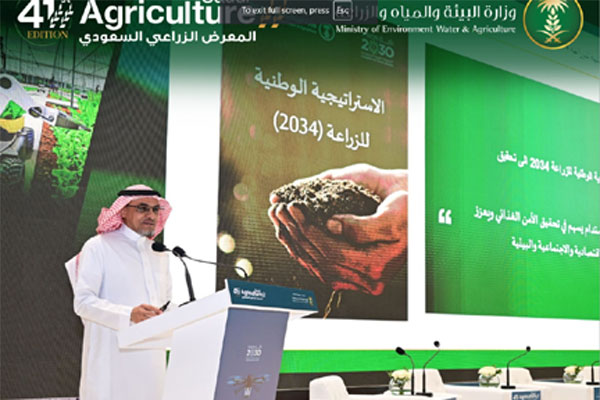
During the 41st Saudi Agricultural Exhibition in Riyadh, the ministry emphasized the importance of the private sector in driving economic growth and sustainability. Dr. Sulaiman Al Khateeb, Assistant Deputy Minister for Agriculture, led the panel discussion on Vision 2030 and the National Food Strategy.

He highlighted that private investments are crucial for achieving food security, economic development, and environmental sustainability. The ministry is also focusing on cold chain infrastructure to improve the transportation of agricultural products and establishing marketing centers throughout the kingdom.

These investments will drive economic growth, increase agricultural output, and strengthen food security while advancing sustainability goals in line with Vision 2030,” said Dr. Al Khateeb.
image-50.png
Dr. Sulaiman Al Khateeb, Assistant Deputy Minister for Agriculture

Incentives to Attract Investors​

To further support these projects, the ministry has introduced a variety of incentives and enablers aimed at enhancing the sector’s efficiency and attracting more private capital. These include:

  • Agricultural loans through the Agricultural Development Fund.
  • Promotion of modern agricultural technologies.
  • Affordable land leases for investors.
  • Streamlining of licensing procedures for agricultural projects.
  • Offering technical and advisory support to farmers.
These initiatives align with the National Agriculture Strategy 2034, which focuses on natural resource sustainability, innovation, pest prevention, and fostering a thriving agricultural community.

With the government’s strong backing and private sector investments, Saudi Arabia is advancing toward its Vision 2030 goal of achieving a sustainable and self-reliant agricultural sector.


To view this content we will need your consent to set third party cookies.
For more detailed information, see our cookies page.


KSA is one of the few countries in the region, if not the only one, that can actually grow most of the world's crops (fruits, vegetables, cereal/grain, legume/pulse, oilseed crops, spices, coffee, tea) locally.

Including tropical fruits like mangoes, papayas, bananas, figs, guavas, pineapples, starfruit etc.
 
Saudi Arabia protects rare marine ecosystems with 2 new reserves

Saudi Arabia protects rare marine ecosystems with 2 new reserves

1 / 3
The blue holes are ecological systems and natural formations that are rich in biodiversity and marine life, including turtles, fish, marine mammals, and invertebrates. (Supplied/NCW)
Saudi Arabia protects rare marine ecosystems with 2 new reserves

2 / 3
The Red Sea is known for its high salinity and warm temperatures, making it a haven for marine biodiversity. (Supplied/NCW)
Saudi Arabia protects rare marine ecosystems with 2 new reserves

3 / 3
The Council of Ministers of Saudi Arabia has announced the inclusion of Ras Hatiba and the Blue Holes marine reserves in the list of national reserves in the Kingdom. (Supplied/NCW)

Updated 19 sec ago
ARAB NEWS
November 12, 2025

  • Aim to protect 30% of Saudi by 2030
  • Unique biodiversity and tourism value
RIYADH: Saudi Arabia’s Council of Ministers has included the Ras Hatiba and Blue Holes marine areas on the Kingdom’s national list of reserves, the Saudi Press Agency reported recently.

The move reflects Saudi Arabia’s commitment to protecting biodiversity and advancing sustainable development goals under Vision 2030, the SPA reported.

Mohammed Qurban, CEO of the National Center for Wildlife, said the decision followed extensive biological, natural, and social studies confirming the two reserves’ unique biodiversity, and economic and tourism value.

Located northwest of Jeddah, Ras Hatiba covers 5,715 sq. km and features coral reefs, mangroves, and seagrass beds — key habitats for green turtles, dugongs, whales, dolphins, and sharks.

The Blue Holes areas are rich in marine life, including turtles, fish, mammals, and invertebrates. Their discovery was first announced in 2022 after 20 such formations were found along the southern Red Sea coast.


With the addition of these two protected areas, the Kingdom’s nature reserves now cover 16.1 percent of its territory, up from 6.5 percent, and moving closer to the national goal of 30 percent by 2030.


To view this content we will need your consent to set third party cookies.
For more detailed information, see our cookies page.


The #Jidana project in the #Jazan region is one of the giant Saudi projects in the region, with an integrated destination that brings together the most prominent vital sectors

Key facts and figures

- Targets 6 sectors: hospitality, entertainment, retail, food, trade, meetings, exhibitions, and conferences
- Project development cost: 5 billion riyals
- Includes 10 initial activation assets
- Provides 30 thousand direct and indirect jobs
- Expected opening: 2032
- Will receive approximately 2.7 million visitors annually by 2040

Wonderful to have projects of this scale in provinces like Jazan.

To view this content we will need your consent to set third party cookies.
For more detailed information, see our cookies page.


Red Sea Global, one of the Public Investment Fund's companies, announced the launch of its hospitality sector investment portfolio valued at $3.6 billion to develop more than 3,300 hotel units in #HistoricalJeddah as part of a plan extending until 2038 to enhance the region's status as a global tourist and cultural destination.

Wonderful to see historical/ancient Hijazi architecture used in new construction. Would also fit with the existing historical old town (World UNESCO Heritage Site).

To view this content we will need your consent to set third party cookies.
For more detailed information, see our cookies page.


Major Announcements for Jeddah City:

Atlantis The Royal marks its first presence in Saudi Arabia, specifically in the #Jeddah_Central project, to become its first location outside of Dubai in the Middle East

- Integrated water park
- Luxury residential and hotel units
- Comprehensive relaxation and entertainment facilities


To view this content we will need your consent to set third party cookies.
For more detailed information, see our cookies page.


An identity inspired by the historic style of Jeddah.
A world-class water games city, an exceptional aquarium, new projects within the plan of the #Jeddah_Central project

Absolutely key for Jeddah not to be left behind by Riyadh given the historical importance of Jeddah as a city (one of the oldest in the world), size (second largest city of the country), location etc. It has the potential to become one of the most visited cities in the world and it serves as a hub for Hajj and Umrah pilgrims before departing for Makkah and Madinah.
To view this content we will need your consent to set third party cookies.
For more detailed information, see our cookies page.


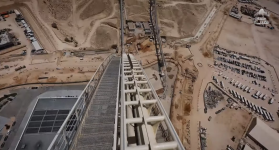
Interest from More Than 140 Companies to Implement the Qiddiya Train

#RoyalCommissionForRiyadhCity announced, in cooperation with the National Center for Privatization and the Qiddiya Investment Company, the list of companies that expressed their interest in participating in the #QiddiyaHighSpeedTrain project, as part of the Request for Expression of Interest phase that opened on September 22, 2025 and closed on October 12, 2025

Number of Participating Companies:

- Main Developers and Contractors: 68 companies
- Carriage and Systems Suppliers: 10 companies
- Railway Operators: 12 companies
- Financial Investors: 16 companies
- Design and Project Management Consultants: 23 companies
- Others: 16 companies

Sounds great given that the Riyadh Metro is one of the largest and arguably the most beautiful metro line in the world. Expanding it to cover the many future giant projects in Riyadh and its vicinity is a great step as well.
 
The delegation accompanying Crown Prince Mohammed bin Salman on November 18 to Washington:-

Khaled bin Salman — Minister of Defense
Faisal bin Farhan — Minister of Foreign Affairs
Prince Abdulaziz bin Salman — Minister of Energy
Khaled Al-Falih — Minister of Investment
Faisal bin Fadel Al Ibrahim — Minister of Finance
Majed Al-Qasabi — Minister of Commerce
Bandar bin Ibrahim Al-Khorayef — Minister of Economy
Abdullah Al-Swaha — Minister of Digital Investment
Yasser Al-Rumayyan — Chairman of the Capital Market Authority
Musab Al-Abbian — Governor of the Public Investment Fund

To view this content we will need your consent to set third party cookies.
For more detailed information, see our cookies page.
 
To view this content we will need your consent to set third party cookies.
For more detailed information, see our cookies page.
 
The delegation accompanying Crown Prince Mohammed bin Salman on November 18 to Washington:-

Khaled bin Salman — Minister of Defense
Faisal bin Farhan — Minister of Foreign Affairs
Prince Abdulaziz bin Salman — Minister of Energy
Khaled Al-Falih — Minister of Investment
Faisal bin Fadel Al Ibrahim — Minister of Finance
Majed Al-Qasabi — Minister of Commerce
Bandar bin Ibrahim Al-Khorayef — Minister of Economy
Abdullah Al-Swaha — Minister of Digital Investment
Yasser Al-Rumayyan — Chairman of the Capital Market Authority
Musab Al-Abbian — Governor of the Public Investment Fund

To view this content we will need your consent to set third party cookies.
For more detailed information, see our cookies page.

Pretty sure that the scheduled KSA-USA economic meeting will result in numerous signed deals spanning AI, renewables, healthcare, infrastructure, agriculture, technology etc. to name a few topics.
Very happy to have Al-Swaha onboard. One of the most talented ministers worldwide IMO given his curriculum and connections globally.

I have been very impressed with his work so far.

To view this content we will need your consent to set third party cookies.
For more detailed information, see our cookies page.
 
To view this content we will need your consent to set third party cookies.
For more detailed information, see our cookies page.


Corner | Special coverage for the Dana community in Dhahran affiliated with the Roshn Group, showcasing the design, streets, and surrounding facilities, with a look at the residential unit model

- +2000 residential units
- +13 diverse facilities
- Green spaces with an area of one million square meters
- Strategic location near Aramco Stadium

To view this content we will need your consent to set third party cookies.
For more detailed information, see our cookies page.


Breaking News
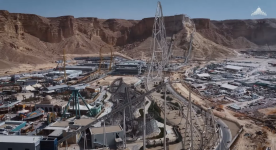
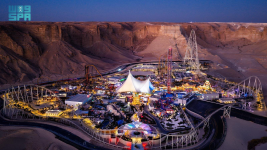
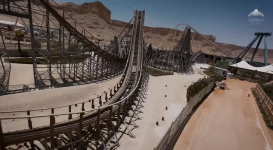
Official announcement of the opening of Six Flags Qiddiya Park on December 31
A new chapter is written in the history of global entertainment and tourism

To view this content we will need your consent to set third party cookies.
For more detailed information, see our cookies page.


Official Opening of One of the World's Top Entertainment Destinations

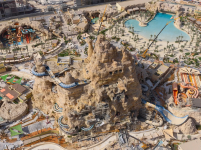
Qiddiya City is gearing up to open Six Flags Qiddiya City on December 31 as the first park of its kind outside North America, and a pivotal pillar in a city built entirely on the Power of Play concept in the heart of the Tuwaiq Mountains

Why does this opening represent a significant milestone?

Entertainment-wise

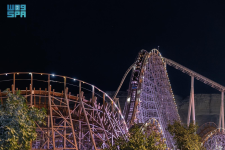
- The park features 28 rides and experiences, including a collection of record-breaking games, most notably

- Falcon’s Flight: The world's fastest, longest, and tallest roller coaster

- Iron Rattler: The world's steepest roller coaster

- Spitfire: The tallest triple-launch roller coaster

- The park offers 18 family and children's experiences across six entertainment worlds that include exclusive restaurants and shops

Economically and Development-wise


-The park forms one of Qiddiya's major destinations and a primary contributor to the entertainment sector within Vision 2030

- It boosts the experience economy, increases tourism spending, and contributes to creating quality job opportunities

- It reflects the ongoing progress in the Qiddiya project, the city that combines sports, entertainment, and culture in an integrated urban environment

Visitor Experience and Ticket Prices

- Adult: 325 SAR

- Child: 275 SAR

- Under 4 years: Free

- GoFast option allows priority entry and reduces wait times

- Discounted category for people with disabilities, seniors, and their assistants starting from 75 SAR inside the park


1763239254182.png

1763239285000.png

1763239306040.png


1763239111398.png

1763239186997.png

1763239732348.png

Looks amazing. Will definitely visit with family and children once fully ready and when in Riyadh.
 
Last edited:
I know it is incredibly hard with the topography of KSA and the soil in much of the country to prevent flash floods but it is a recurring problem that one way or another, preferably, would have a permanent solution as far as a "permanent solution" is even possible.

There are almost 600 dams in KSA (modern), let alone the 1000's upon 1000's of ancient dams and levees, many of which are still used in the countryside.

Given the huge size of KSA and topography, if rain could be more effectively caught, instead of reaching the Red Sea and Arabian Gulf or existing wadis and valleys in the interior, this could be enough to water most of the large agricultural lands in KSA.

This is a good step:

Saudi Arabia to Build Over 1,000 Rainwater Dams in Major Sustainability Push​

SHARE

5 MIN READ
Saudi Arabia

In a significant stride towards environmental sustainability, Saudi Arabia has announced plans to construct over 1,000 rainwater harvesting dams by 2025. This ambitious initiative is part of the Kingdom’s broader efforts to enhance water security, support agricultural development, and contribute to the objectives of Vision 2030.

Understanding the Importance of Rainwater Harvesting Dams​

Rainwater harvesting dams are structures designed to capture and store rainwater runoff. In arid regions like Saudi Arabia, where water scarcity is a persistent challenge, these dams play a crucial role in:

  • Groundwater Recharge: By capturing rainwater, these dams help replenish underground aquifers, ensuring a sustainable source of water for various needs.
  • Agricultural Support: Stored rainwater can be used for irrigation, reducing dependence on desalinated or groundwater sources and supporting local agriculture.
  • Flood Control: Properly managed dams can mitigate the impact of flash floods, protecting communities and infrastructure.
  • Ecosystem Restoration: The collected water can aid in restoring natural habitats and promoting biodiversity in desert landscapes.

The Scale of the Project​

The planned 1,000 dams are expected to have a combined annual capacity of 4 million cubic meters of water. This substantial volume will significantly bolster the Kingdom’s water resources, aligning with the strategic goals outlined in Vision 2030.

Strategic Locations for Dam Construction​

The dams will be strategically located across various regions of Saudi Arabia, including:

  • Makkah: Known for its seasonal rainfall, Makkah will benefit from several dams aimed at capturing runoff from mountainous terrains.
  • Riyadh: As the capital city, Riyadh’s surrounding areas will see the construction of dams to support urban water needs.
  • Asir and Jazan: These regions, characterized by their unique ecosystems, will receive dams to support both agricultural activities and biodiversity conservation.

Integration with Vision 2030​

This initiative is closely aligned with Saudi Arabia’s Vision 2030, a comprehensive plan to diversify the economy and reduce dependence on oil revenues. The rainwater harvesting dams support several key objectives of Vision 2030:

  • Water Sustainability: By increasing the capacity to store and utilize rainwater, the Kingdom aims to enhance its water security and reduce reliance on desalination processes.
  • Agricultural Development: The availability of stored rainwater will support local farmers, promoting food security and sustainable agricultural practices.
  • Environmental Conservation: The project contributes to the broader environmental goals of Vision 2030, including ecosystem restoration and biodiversity preservation.

Technological and Engineering Innovations​

The construction of these dams will involve advanced engineering techniques and technologies to ensure their effectiveness and longevity. Key considerations include:

  • Design and Materials: Utilizing materials that can withstand the harsh desert climate and ensure the structural integrity of the dams.
  • Water Management Systems: Implementing systems to monitor and control water levels, ensuring optimal storage and usage.
  • Sustainability Features: Incorporating features that minimize environmental impact and promote the efficient use of resources.

Community Involvement and Benefits​

The construction and operation of these dams will have several benefits for local communities:

  • Job Creation: The project will generate employment opportunities in construction, maintenance, and management sectors.
  • Enhanced Water Access: Communities will have improved access to water for domestic and agricultural purposes.
  • Educational Opportunities: The initiative provides a platform for educating the public about sustainable water practices and environmental conservation.
Saudi Arabia

Challenges and Considerations​

While the project holds immense potential, several challenges must be addressed:

  • Climate Variability: The unpredictability of rainfall patterns may affect the efficiency of rainwater harvesting.
  • Maintenance: Regular maintenance is essential to ensure the dams function effectively and safely.
  • Environmental Impact: Careful planning is required to minimize any adverse effects on local ecosystems during construction and operation.

Looking Ahead​

The construction of over 1,000 rainwater harvesting dams marks a significant milestone in Saudi Arabia’s journey towards sustainable development. As the project progresses, it is expected to serve as a model for other nations facing similar water scarcity challenges.

By investing in infrastructure that supports water sustainability, Saudi Arabia is not only addressing immediate needs but also laying the groundwork for a resilient and prosperous future. The success of this initiative will be a testament to the Kingdom’s commitment to achieving the goals of Vision 2030 and promoting environmental stewardship.


Saudi Arabia to build 1,000 rainwater harvesting dams with 4 million m³ annual capacity

July 30, 2025

Minister of Environment, Water and Agriculture Abdulrahman Al-Fadley speaking at the press confrence in Riyadh on Wednesday.


Minister of Environment, Water and Agriculture Abdulrahman Al-Fadley speaking at the press confrence in Riyadh on Wednesday.


Saudi Gazette report


RIYADH — Saudi Arabia has made major strides in environmental conservation, water sustainability, and food security as part of its Vision 2030 goals, according to Minister of Environment, Water and Agriculture Abdulrahman Al-Fadley.

In a press briefing on Wednesday, Al-Fadley highlighted the implementation progress of the National Environment Strategy, including the establishment of five specialized environmental centers and the region’s largest environmental fund to support green initiatives.

The Kingdom has introduced new regulatory frameworks for environmental protection, meteorology, and waste management, two of which are being implemented for the first time in Saudi Arabia.

Under the Saudi Green Initiative, over 500,000 hectares of degraded land have been rehabilitated and 151 million trees planted.

The target is to restore 2.5 million hectares and plant over 215 million trees by 2030. Ultimately, the Kingdom aims to plant 10 billion trees across 40 million hectares.

The number of national parks has surged from 18 to 500, while protected terrestrial areas now cover 18% of the Kingdom’s territory, a fourfold increase.

Marine protected areas have grown by 260% since 2016. Over 8,000 endangered species have been reintroduced into their natural habitats.

In enforcement, more than 40,000 environmental permits have been issued, a 660% increase since the creation of the National Center for Environmental Compliance.

More than 173,000 inspections were carried out, and 456 licenses were granted to environmental service providers.

Air quality monitoring has also expanded, with 240 stations operating across the Kingdom. The ministry launched a national marine monitoring program and bolstered its capacity to respond to oil spills.

Meteorological services now cover 100% of Saudi Arabia, aided by advanced sensing and prediction systems.

The cloud-seeding program, led by skilled Saudi pilots using cutting-edge aircraft, has conducted over 711 sorties, increasing rainfall by 6.4 million cubic meters to support water resources and vegetation.

The Kingdom also launched two pioneering centers, the Regional Center for Climate Change Studies, the first of its kind in the Middle East, and the Regional Center for Sand and Dust Storms, one of only four worldwide.

Saudi Arabia has developed 21 strategic city-level waste management plans and identified more than 330 investment opportunities worth SR450 billion. The goal is to divert 90% of waste from landfills by 2040. A suite of incentives, grants, and a new environmental fund has been launched to support private sector innovation and academic partnerships.

Al-Fadley announced that the UN Water Conference has named Saudi Arabia a global model for sustainable water practices, with significant progress under Sustainable Development Goal 6.

Completed water projects now exceed SR230 billion in value, including SR10 billion in public infrastructure and over SR45 billion through private sector collaboration. The developments cover water production, transport pipelines, storage facilities, and wastewater treatment.

Since 2016, water production has doubled to 16.6 million cubic meters per day — 75% of which is desalinated seawater — making the Kingdom the world’s top producer of desalinated water. Strategic water storage capacity has increased by 600%, with the average supply coverage rising from one to three days in most cities.

Efforts to reduce energy use have halved electricity consumption in the sector compared to 2016. The Kingdom now delivers water to more than 22,000 population centers, reaching elevations up to 3,000 meters through an 18,000-kilometer pipeline network.

Reused water volume has risen from 251 million to 550 million cubic meters, now representing 32% of total usage. Saudi Arabia is building 1,000 rainwater harvesting dams with an annual capacity of 4 million cubic meters.

With over 65% local content in the water sector and 97% of engineering roles held by Saudi nationals, the Kingdom is increasingly self-reliant. The National Center for Water Efficiency and Conservation has saved 120,000 cubic meters daily and aims to reach 300,000 soon.

Agricultural GDP reached SR118 billion, up 8% from last year and 39% from 2020. Food production rose to 12 million tons due to supportive policies and Saudi Agricultural Development Fund initiatives.

The Kingdom has achieved full self-sufficiency in dates, milk, and eggs, and between 70%–100% in various vegetables and over 70% in poultry. Exports of fish and shrimp have expanded, along with global competitiveness in select agricultural sectors.

Saudi Arabia remains the world’s top date exporter. The General Food Security Authority ensures the availability of 11 key staples, with an early warning system for essential goods to be launched soon.

Al-Fadley also praised the role of the Saudi Agricultural and Livestock Investment Company (SALIC), which supplies 30% of the Kingdom’s wheat imports through overseas projects.


Pretty impressive and encouraging numbers. Good to see. Although I am sure that more can and will be done.
 
Last edited:

Users who are viewing this thread

Back
Top