_Arabia_
Trusted Member

"Dreaming of entering the military industries field?
Well, listen up, you might not know this, but the Saudi National Academy for Military Industries was actually established.
The Academy was announced in 2022, and today it's become a reality on the ground, with its location in Riyadh spanning over 80,000 square meters, accommodating around 2,000 male and female students every year.
And its current specializations are distributed across four key tracks:
• Electronics Technology in Defense
• Mechanical Technology in Defense
• Electrical Technology in Defense
• Chemical Technology in Defense
And the great thing is that the General Authority for Military Industries GAMI has focused on developing the capabilities of our young men and women “civilians in the technical and scientific fields related to military industries.
And this thing actually raises their awareness and skills in a field that, unfortunately, many people were ignorant of before 2016, but today the situation is starting to change, because the goal is to enhance true awareness of the importance of military industries, so that the new generation knows exactly what it means to manufacture defense systems, and how electronics and mechanics and electricity and chemistry work within this sensitive sector.
And more important than awareness?
Enhancing localization.
Having an academy like this creates a generation that's understanding, qualified, and trained in a scientific way, and this is exactly what supports the state's direction in localizing military industries by 50% and more, because without trained and aware local cadres, there won't be a real industry, nor technology transfer, nor internal development.
And this is a big step because it doesn't just raise the level of individuals
— it raises the level of the entire sector and supports the Kingdom's independence in manufacturing, reduces our reliance on the outside, and opens up massive opportunities for the coming generation.
Official account of the Academy for more info:
@theadiksa
There are countries that establish military companies within their territories, then recruit foreign engineers and experts from multiple countries to manufacture their products, and afterward describe these products as “national industry”. It is true that manufacturing within the country contributes to supporting its economy, but the reality is entirely different in the Kingdom of Saudi Arabia. Here, when we say “national industry”, we mean it literally:
Industry by the hands of the sons of the homeland, with their expertise, and with their capabilities that are being developed and empowered to become an actual part of the national defense system.
- November 15, 2025
Saudi Arabia Deepens Its Heritage Story with 1,516 Newly Registered Sites

Saudi Arabia just added 1,516 new archaeological sites to its National Antiquities Register. That brings the total number of documented locations to 11,577, showing how much history still lives beneath the Kingdom’s sand and stone. But numbers alone don’t tell the story. What’s unfolding here is a deeper connection between land, people, and time. Every new site mapped, scanned, and preserved adds another verse to the story of where Arabia began.
Where Time Left Its Mark
Most of these new sites sit in the heart of the Kingdom. Riyadh tops the list with 1,174 discoveries, followed by Al Baha with 184, Tabuk with 85, and the Northern Borders with 70. Even Jeddah, known for its sea breeze, added three. Each region contributes something different like traces of tools, engravings, structures, but together they show how wide and alive Saudi archaeology has become.These discoveries come from years of surveys, mapping, and collaboration led by the Saudi Heritage Commission. What’s taking shape is a living archive that connects the dots between early human settlements, ancient trade, and the landscapes that once linked tribes and civilizations.
The Desert That Remembered
Among the most remarkable discoveries are life-sized rock engravings in the Al Nafud Desert. Scientists date them between 11,400 and 12,800 years old, some of the earliest known rock art in the Kingdom. The carvings show camels, ibexes, horses, and gazelles, captured in motion by artists who lived long before writing existed.At a time when Arabia’s climate was greener, these carvings likely marked water paths and migration trails. They were messages meant to endure. Standing where those artists once stood, seeing their world through a chisel’s edge, feels like a meeting across time.
Remnants of an Ancient Home in Wadi Damm
Just northwest of Tabuk, archaeologists uncovered an ancient human settlement in Wadi Damm’s Masyoun area. Dating back roughly 10,300 to 11,000 years, it shows early signs of people learning to stay — to build, to plant, to form communities.Researchers found stone-built homes, storage spaces, fireplaces, and everyday tools. There were arrowheads and grinding stones, ornaments made from quartz and shells, and even traces of food preparation. Each find adds a layer of understanding about how early societies lived and worked. It shows that Saudi Arabia was always a place where life found a way to take root.
Preserving Stories Written in Stone
Recording these sites is as much about care as it is about discovery. The Heritage Commission now uses digital tools like LiDAR, 3D scanning, and satellite mapping to preserve sites without disturbing them. Every location added to the National Antiquities Register is carefully documented with coordinates, images, and field data to ensure it remains part of the Kingdom’s shared memory.The Heritage Commission enforces the Antiquities, Museums, and Urban Heritage Law, which safeguards heritage across all regions. Penalties exist to prevent any harm to archaeological sites, showing how deeply Saudi Arabia values its history and cultural legacy.
People and the Past
The most powerful part of this story is how people are becoming involved. Citizens and residents can now report new finds through the Heritage Commission’s online portal or social media. This makes heritage a shared effort, turning discovery into something collective and proud.The Commission also works with schools and communities, helping young Saudis understand how archaeology connects to their identity. It’s about pride, belonging, and learning how the stories of the past shape the future.
Heritage at the Heart of Vision 2030
This expansion ties directly into Vision 2030, where heritage is seen as a living part of the economy. The plan aims to grow UNESCO World Heritage sites, strengthen cultural tourism, and create jobs across the heritage sector.Saudi Arabia already counts eight UNESCO sites, including Al-Hijr, At-Turaif in Diriyah, and the Hail Rock Art region. With each new registration, the Kingdom continues building bridges between ancient civilization and modern development, showing how culture fuels progress.
Knowledge Without Borders
Behind these achievements stands a network of global partnerships. The Heritage Commission collaborates with King Saud University, the French CNRS, Ghent University, and UNESCO, among others. Their research helps preserve Saudi Arabia’s ancient landscapes while developing new generations of Saudi archaeologists.Programs like the Heritage Horizon, developed with SOAS University of London, train professionals in archaeology, cultural heritage, and urban preservation. These partnerships strengthen expertise and ensure Saudi archaeology grows with both local insight and global perspective.
AlUla and Khaybar – Open Classrooms of History
The Royal Commission for AlUla continues to lead Saudi archaeology into the future. In the 2025–26 fieldwork season, over 100 researchers are studying ancient villages, inscriptions, and early Islamic settlements across AlUla and Khaybar.Sites like Dadan, Hegra, and the Khaybar Oasis are helping rewrite what we know about Arabia’s early civilizations. Here, archaeology is a part of the present, not the past.
Tracing the Numbers
When 1,516 new archaeological sites are added to the record, it speaks to how deeply Saudi Arabia is exploring its history. Each registration connects the present with how civilizations once built, traded, and thrived across this land.Quick look at the growth:
- 8,788 sites documented in 2023
- 9,317 sites documented in 2024
- 10,061 sites recorded in June 2025
- 11,577 sites recorded in October 2025
What Comes Next
Saudi Arabia’s archaeological work is only gaining momentum. New surveys are underway, digital mapping is expanding, and training programs are preparing the next generation of researchers. Each discovery adds knowledge, context, and clarity to how the Kingdom evolved.The work ahead feels steady and purposeful. It reflects a country that values its past as much as its progress. A future built with care for the ground it stands on.
FAQs
What is the National Antiquities Register in Saudi Arabia?It’s a digital database managed by the Heritage Commission that records, maps, and protects archaeological sites through advanced technology and field documentation.
Where are the new archaeological sites in Saudi Arabia located?
Most are in the Riyadh region, followed by Al Baha, Tabuk, and the Northern Borders, with a few added in Jeddah.
What are the most important archaeological discoveries in Saudi Arabia this year?
Life-sized rock engravings in the Al Nafud Desert and the ancient human settlement in Wadi Damm are among the most significant finds, offering a glimpse into Arabia’s earliest human history.
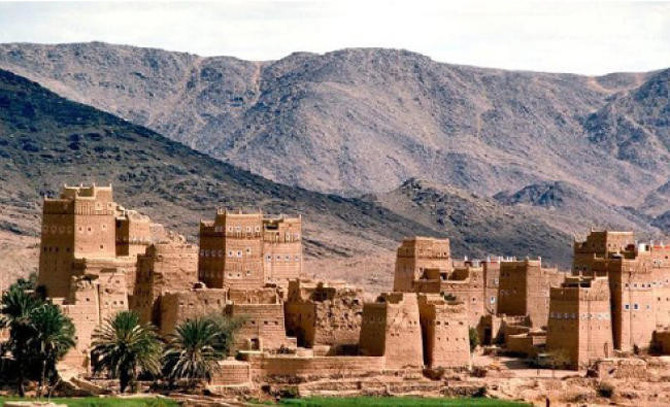
Saudi Arabia Deepens Its Heritage Story with 1,516 Newly Registered Sites
Saudi Arabia’s Heritage Commission adds 1,516 new archaeological sites to the National Antiquities Register revealing new discoveries.
 soulofsaudi.com
- November 16, 2025
Green Initiative Saudi Arabia: Building a Greener Future for the Kingdom
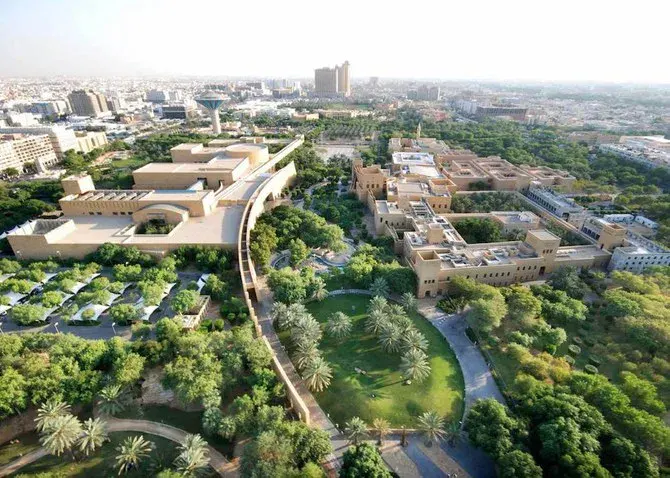
Saudi Arabia is reshaping how the world views climate action. Through the Green Initiative Saudi Arabia, the Kingdom is tackling environmental challenges head-on, setting clear goals to reduce emissions, plant 10 billion trees, and protect 30 percent of its land and marine areas. It’s a national movement built on science, long-term planning, and genuine commitment to restoring balance between growth and nature.
What is the Green Initiative Saudi Arabia
Launched in 2021 by Crown Prince Mohammed bin Salman, the Saudi Green Initiative (SGI) sits at the heart of Vision 2030. It unites government, private sector, and community efforts to drive real environmental progress. The initiative focuses on three priorities:- Lowering carbon emissions
- Increasing vegetation
- Conserving biodiversity on land and sea
Cutting Carbon Emissions and Shaping a Cleaner Energy Mix
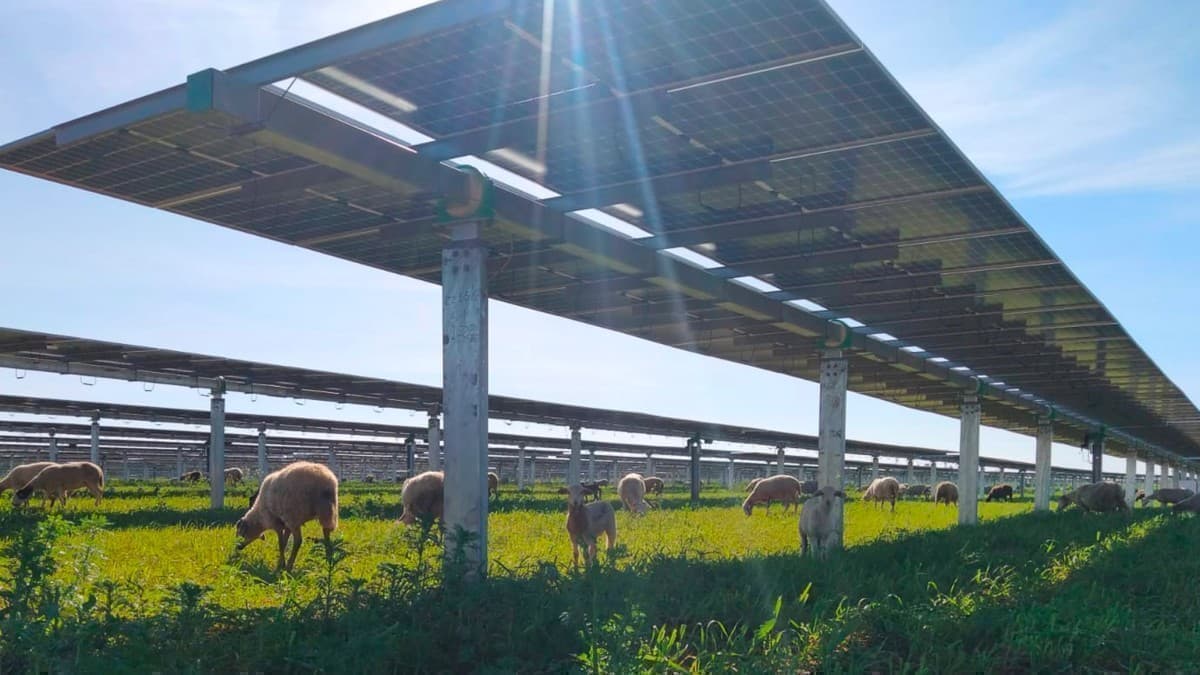
Saudi Arabia plans to reach net-zero emissions by 2060 through what it calls a Circular Carbon Economy, a model that focuses on reducing, reusing, recycling, and removing emissions. The near-term target is to cut 278 million tons of carbon annually by 2030.Half of the Kingdom’s electricity will come from renewable energy by 2030. Projects like the Sudair Solar Power Plant, which powers 185,000 homes, and the Dumat Al Jandal Wind Farm, the country’s first utility-scale wind project, are already showing progress. Combined with dozens of solar and wind projects, the total renewable energy capacity under development exceeds 40 GW, which is enough to power millions of homes.
The Green Hydrogen Project in NEOM represents another major step. Once operational, it will produce up to 600 tonnes of carbon-free hydrogen per day, avoiding 5 million tonnes of emissions every year. Alongside this, new carbon capture facilities in Jubail and Uthmaniyah are being built to remove millions of tonnes of CO₂ from the atmosphere annually.
All these efforts place the Green Initiative Saudi Arabia among the world’s leading national programs for clean energy transition.
A Plan to Plant 10 Billion Trees
Perhaps the most symbolic part of the Saudi tree-planting campaign is its scale: 10 billion trees grown across the country. It’s an ambitious goal, but it’s backed by data and careful mapping.The Ministry of Environment, Water, and Agriculture, together with the National Center for Vegetation Development, studied soil and water conditions across more than a thousand sites. This was done to identify areas suitable for planting with the aim is to rehabilitate about 75 million hectares of land, starting with the restoration of 3.8 million hectares by 2030.
Over 100 million trees and shrubs have already been planted, with degraded land restored to productive ecosystems. Programs like Green Riyadh, which will plant 7.5 million trees in the capital, are transforming urban areas and improving air quality. The results are visible with greener parks, lower urban temperatures, and cleaner air for city residents.
Tree planting also opens new opportunities for work. The Green Initiative Saudi Arabia will create over a million jobs in fields such as forestry, landscaping, and environmental services.
Protecting Land, Sea, and Wildlife
A key goal of the Saudi Arabia biodiversity protection plan is to safeguard 30 percent of the Kingdom’s land and marine zones by 2030. Already, 18 percent of land and 6 percent of marine areas are under protection.The country now manages nearly 80 protected sites. These include King Salman Royal Nature Reserve, Sharaan Nature Reserve, and the newly listed Uruq Bani Ma’arid World Heritage site. Each of these areas supports endangered species and helps balance fragile ecosystems.
Since 2021, more than 7,000 endangered animals have been reintroduced to the wild, including Arabian oryx, gazelles, and ostriches. The Arabian Leopard Breeding Center in Taif recently welcomed leopard triplets.
The Kingdom’s marine protection programs are also expanding. By 2030, 100 million mangrove trees will be planted along the Red Sea and Arabian Gulf. Over 6 million mangrove seedlings are already in place, restoring shorelines and providing habitats for fish and coral. Coral reef restoration projects near NEOM and KAUST’s Reefscape Initiative at Shushah Island are strengthening Saudi Arabia’s marine biodiversity for generations ahead.
Building a Circular Economy
Reducing waste is another pillar of the Green Initiative Saudi Arabia. The Kingdom is building a national system to recycle up to 95 percent of its waste by 2040. The Riyadh Integrated Waste Management Project is leading this shift by recycling construction debris, reusing materials, and turning waste into energy.The Saudi Investment Recycling Company (SIRC) is driving this transformation, aiming to eliminate the country’s dependence on landfills and create a thriving circular economy. Waste management reforms are expected to contribute $30 billion to GDP by 2040, showing how sustainability can support economic growth.
Cleaner Transport and Energy Efficiency
Transportation and energy use are central to reducing emissions. The Saudi Energy Efficiency Program has already saved over half a million barrels of oil equivalent per day through smarter energy practices in industry, housing, and transport.Electric mobility is another focus. Riyadh aims for 30 percent of all vehicles to be electric by 2030. Charging networks are expanding in major cities, and logistics companies are adopting electric trucks and vans to decarbonize fleet operations.
The transition is steady and practical, built on real infrastructure, skilled workers, and long-term investment in renewable power to support cleaner transport.
Expanding Environmental Leadership Across the Region
The Middle East Green Initiative, also launched by Saudi Arabia, extends these goals to the wider region. It brings together more than 50 countries to coordinate carbon reduction, tree planting, and land restoration. The regional plan includes 50 billion trees, with 10 billion planted in Saudi Arabia and 40 billion across neighboring countries.Saudi Arabia has committed $2.5 billion to support these efforts. While also continuing to establish regional hubs for carbon capture, storm monitoring, and sustainable fisheries. The goal is to share solutions that work and help the region face climate challenges together.
Shaping a Future Where Progress and Nature Grow Together
The Green Initiative Saudi Arabia is not a slogan. It’s a complete framework that changes how the country manages energy, land, and life itself. It connects every part of society, from engineers building solar plants to communities restoring mangroves along the Red Sea.Each tree, each solar panel, and each conservation site tells the same story. A country determined to protect what it has and rebuild what it lost.
By 2030, Saudi Arabia aims to generate half of its electricity from renewables, plant hundreds of millions of trees, restore millions of hectares of land, and safeguard its seas and wildlife. By 2060, it seeks to reach net-zero emissions, a milestone that places the Kingdom among the world’s leading climate action nations.
FAQs
What is the goal of the Green Initiative Saudi Arabia?The Green Initiative Saudi Arabia aims to make the Kingdom a global leader in environmental sustainability. Its main goals are to reduce carbon emissions. As well as plant 10 billion trees, and protect 30 percent of Saudi Arabia’s land and marine areas by 2030.
How does Saudi Arabia plan to plant 10 billion trees?
The Ministry of Environment, Water, and Agriculture has mapped areas suitable for tree planting based on soil, water, and climate studies. The plan combines modern irrigation systems, seed-scattering techniques, and partnerships with the private sector to restore nearly 75 million hectares of land across Saudi Arabia.
What is Saudi Arabia doing to reduce carbon emissions?
Saudi Arabia is shifting toward renewable energy. It aims for 50 percent of its electricity to come from clean sources by 2030. The Kingdom is also developing carbon capture projects and investing in green hydrogen to achieve net-zero emissions by 2060.
How is Saudi Arabia protecting its marine and coastal environments?
The initiative includes planting 100 million mangrove trees along the coast restoring coral reefs, and establishing new marine protected areas. These efforts help preserve biodiversity and strengthen natural defenses against erosion and rising sea levels.
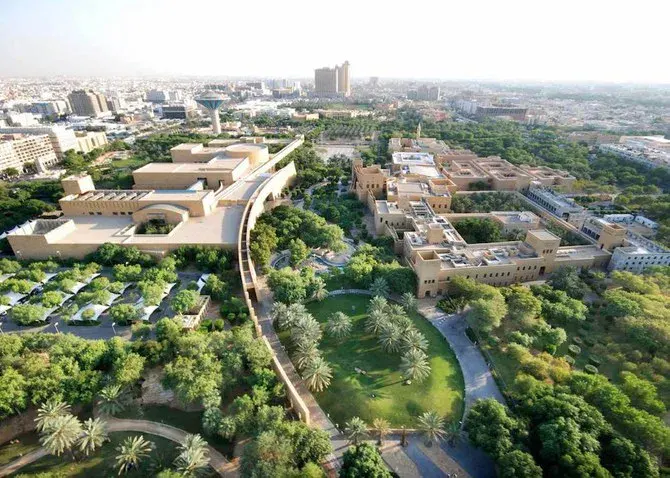
Green Initiative Saudi Arabia: Building a Greener Future for the Kingdom
Discover how the Green Initiative Saudi Arabia is transforming the Kingdom through land and marine protection initiatives under Vision 2030.
soulofsaudi.com

Saudi Arabia’s ambitions have already ignited a global conversation. Industry reports note that the Kingdom is channeling over $155 billion into its entertainment sector, showcasing the massive scale of this transformation and its pivotal role in shaping the Kingdom’s creative economy.
Saudi Arabia is entering a new era where creativity and culture hold as much weight as commerce and industry. At the center of this shift is a historic $155 billion Saudi Arabia entertainment industry investment, an ambitious plan designed to diversify the economy, take tourism to new heights, and establish the Kingdom as a producer of global culture.
This is not simply a matter of staging world-class events; it is the deliberate construction of a new creative economy that carries the spirit of Vision 2030.
Saudi Arabia is entering a new era where creativity and culture hold as much weight as commerce and industry. At the center of this shift is a historic $155 billion Saudi Arabia entertainment industry investment, an ambitious plan designed to diversify the economy, take tourism to new heights, and establish the Kingdom as a producer of global culture.
This is not simply a matter of staging world-class events; it is the deliberate construction of a new creative economy that carries the spirit of Vision 2030.
The Force Behind the $155B Push
For decades, the Kingdom has been defined by energy and oil wealth. Today, leaders are channeling that legacy into an entertainment sector that is reshaping Saudi identity on the world stage. The Saudi Arabia entertainment industry investment is creating thousands of jobs, attracting global partnerships, and building a thriving economy powered by creativity and cultural expression.
This monumental decision aligns with Vision 2030’s pillars of a thriving economy, a vibrant society, and an ambitious nation. It reflects a future where Saudi Arabia is not only a global player in trade but also in storytelling, music, film, and live experiences.
This monumental decision aligns with Vision 2030’s pillars of a thriving economy, a vibrant society, and an ambitious nation. It reflects a future where Saudi Arabia is not only a global player in trade but also in storytelling, music, film, and live experiences.
A Strategic Push
Saudi Arabia’s entertainment momentum is not a collection of isolated headlines. It is a strategic wave of announcements that together reflect how the Kingdom is shifting from hosting big events to building a fully-fledged creative economy. Here are some of the latest highlights shaping the Saudi Arabia entertainment industry investment story.
Sports & Entertainment Initiatives
| Initiative | Details | Page/Website |
| Riyadh Season | Multi-year spectacle expanded with a four-fight deal featuring Canelo Álvarez through October 2026, debuting in Riyadh on May 25. | Riyadh Season |
| WrestleMania 43 in Riyadh 2027 | First WrestleMania outside the US, part of a long-term WWEpartnership. | WrestleMania 43 Saudi Arabia |
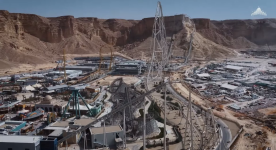
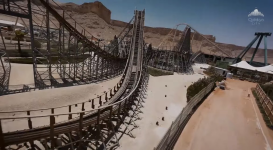
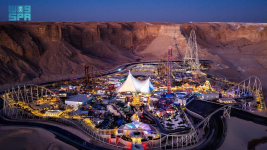
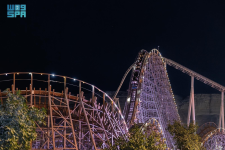
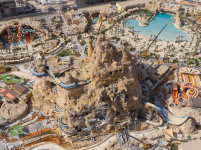
| Six Flags Qiddiya City | Multibillion-dollar theme park and waterpark set to open in late 2025. | Qiddiya Official |
| Riyadh Esports World Cup 2025 | Record-setting event with 750M viewers and the largest prize pools worldwide. | Esports World Cup |
| Qsas (PIF Company) | Building immersive cultural experiences and exhibitions, creating 11,000+ jobs by 2030. | Qsas PIF Initiative |
| AWSN Women’s Sports Network | A 24-hour women’s sports channel powered by MBC Shahid. | MBC Shahid |
| SRMG Thmanyah Rights Deal | Exclusive coverage of SPL, King Cup, and First Division until 2030–31. | SRMG |
Media & Cultural Initiatives
| Initiative | Details | Page/Website |
| Marvels of the Saudi Orchestra | Global tour with shows in Paris, New York, London, Tokyo, Sydney, and Mexico City. | Saudi National Orchestra |
| NEOM Film Production | Hakawati Entertainmentto co-produce 9 feature films, launch production services and training programs. | NEOM Media Industries |
| New York Metropolitan Opera Partnership | Expanding Saudi Arabia’s global arts diplomacy through co-productions. | Met Opera |
| Naif Alrajhi & Skyscale Media Services | Saudi Arabia’s first international media representation service with Condé Nast, NBCUniversal, Sky. | Naif Alrajhi Investment |
| SRMG + Naif Alrajhi OOH Expansion | Developing premium cross-platform advertising ecosystems. | SRMG OOH |
| SCAI & SMG Collaboration | Launching an AI-powered digital advertising firm for audience analytics and personalization. | SCAI |
| Snap Inc. Saudi Office | First local office with AR tools, monetization programs, and 25M+ users in KSA. | Snap Inc. Saudi |
| Warner Music + Rotana Music | Warner acquired a stake in Rotana, securing global distribution rights for its catalogues. | Warner Music / Rotana Music |
From One-Off Spectacles to Permanent Ecosystems
The early years of entertainment reform in the Kingdom were marked by unforgettable concerts, iconic sporting spectacles, and celebrity-driven events. These moments were symbolic but temporary. Today, the focus is on permanence. The Saudi Arabia entertainment industry investment is building an ecosystem that supports studios, training institutes, esports arenas, and immersive cultural centers.
The Global AI Show Riyadh 2026 is a glimpse into this future, merging technology, creativity, and knowledge-sharing. AI, gaming, and digital platforms are intertwined with entertainment, shaping an infrastructure that outlives any one event. Riyadh is positioning itself as both a stage and a studio, capable of producing, hosting, and exporting culture at scale.
The Global AI Show Riyadh 2026 is a glimpse into this future, merging technology, creativity, and knowledge-sharing. AI, gaming, and digital platforms are intertwined with entertainment, shaping an infrastructure that outlives any one event. Riyadh is positioning itself as both a stage and a studio, capable of producing, hosting, and exporting culture at scale.
The Power of International Partnerships
Saudi Arabia has strategically aligned with international powerhouses to accelerate its cultural ambitions. Partnerships with Warner Music, Condé Nast, and Snap bring global expertise to local platforms. Among the most significant announcements isWrestleMania 2027 Saudi Arabia, which will bring WWE’s most iconic showpiece to Riyadh Season.
This collaboration demonstrates how the Kingdom is embedding international brands into its entertainment calendar while simultaneously amplifying Saudi Arabia’s own cultural voice.Such partnerships are not superficial. They create frameworks for talent development, local production, and knowledge transfer.
As Turki Al-Sheikh, the Visionary Powering Saudi Arabia’s Entertainment Rise highlights: leadership within the entertainment sector is intentional, curating events and collaborations that reinforce the Kingdom’s vision rather than merely importing talent.
This collaboration demonstrates how the Kingdom is embedding international brands into its entertainment calendar while simultaneously amplifying Saudi Arabia’s own cultural voice.Such partnerships are not superficial. They create frameworks for talent development, local production, and knowledge transfer.
As Turki Al-Sheikh, the Visionary Powering Saudi Arabia’s Entertainment Rise highlights: leadership within the entertainment sector is intentional, curating events and collaborations that reinforce the Kingdom’s vision rather than merely importing talent.
Cultural Diplomacy & Global Soft Power
Every nation seeks influence, and culture has become the most potent form of diplomacy. Saudi Arabia is leveraging its entertainment platforms to reintroduce itself to the world. The Marvels of Saudi Orchestra, the rise of local film production in NEOM, and major esports tournaments position the Kingdom not only as a host but as a producer of creativity.
Through the Saudi Arabia entertainment industry investment, the Kingdom is telling its own story on its own terms, exporting culture rather than waiting for it to arrive. This shift establishes Saudi Arabia as a creative hub where global and local narratives meet, reinforcing national identity while reaching international audiences.
Through the Saudi Arabia entertainment industry investment, the Kingdom is telling its own story on its own terms, exporting culture rather than waiting for it to arrive. This shift establishes Saudi Arabia as a creative hub where global and local narratives meet, reinforcing national identity while reaching international audiences.
Tourism & The Inclusive Society Vision
Entertainment is deeply tied to tourism, and Saudi Arabia is shaping experiences that encourage travelers to stay longer and explore deeper. Riyadh Season has already become a global calendar highlight, blending concerts, theater, sporting events, and cultural showcases.
The Saudi Arabia entertainment industry investment expands this model with permanent districts, luxury theme parks, and cultural tourism projects designed for both locals and international visitors.
The Unreal Calendar of Saudi Arabia reflects how nonstop programming is making Saudi Arabia a country that never sleeps. Entertainment is no longer seasonal; it is year-round, establishing Saudi Arabia as a bucket-list destination for global travelers seeking unforgettable experiences.
The Saudi Arabia entertainment industry investment expands this model with permanent districts, luxury theme parks, and cultural tourism projects designed for both locals and international visitors.
The Unreal Calendar of Saudi Arabia reflects how nonstop programming is making Saudi Arabia a country that never sleeps. Entertainment is no longer seasonal; it is year-round, establishing Saudi Arabia as a bucket-list destination for global travelers seeking unforgettable experiences.
Sports as Identity & Entertainment
Saudi Arabia’s entertainment investment extends well beyond concerts and film. Sports play a central role in shaping identity, unity, and international recognition. The Kingdom has become home to Formula 1, international boxing, global football matches, and now the largest esports World Cup ever staged.
As explored in Saudi Arabia’s Sporting Transformation Under Vision 2030, sport is both entertainment and cultural power. By hosting and creating mega-events, Saudi Arabia is building pride at home while asserting global influence. This makes the sports sector one of the most visible beneficiaries of the Saudi Arabia entertainment industry investment.
As explored in Saudi Arabia’s Sporting Transformation Under Vision 2030, sport is both entertainment and cultural power. By hosting and creating mega-events, Saudi Arabia is building pride at home while asserting global influence. This makes the sports sector one of the most visible beneficiaries of the Saudi Arabia entertainment industry investment.
The Cultural Rebrand of a Nation
The Kingdom is deliberately shifting its global image. Once defined primarily by oil exports, Saudi Arabia now aspires to export culture, talent, and creative excellence. The Saudi Arabia entertainment industry investment embodies this rebrand, positioning the Kingdom as a hub for film, music, esports, and cultural diplomacy.
The shift is not only external. Within Saudi society, entertainment is redefining how communities connect and how identities are expressed.
The shift is not only external. Within Saudi society, entertainment is redefining how communities connect and how identities are expressed.
Looking Ahead: 2030 and Beyond
The Saudi Arabia entertainment industry investment is not a short-term play. It lays the foundation for a future where Riyadh competes with Los Angeles, London, and Dubai as a global entertainment capital.
Vision 2030 ensures that these developments are not isolated. They are part of a broader framework where entertainment, technology, culture, and tourism converge. Saudi Arabia is building an economy that thrives not only on resources but on imagination.
Vision 2030 ensures that these developments are not isolated. They are part of a broader framework where entertainment, technology, culture, and tourism converge. Saudi Arabia is building an economy that thrives not only on resources but on imagination.
FAQs
Why is Saudi Arabia investing $155B in entertainment and media?
The goal is to diversify the economy, create jobs, attract global investment, and establish Saudi Arabia as a cultural powerhouse in line with Vision 2030.
What sectors are included in the Saudi Arabia entertainment industry investment?
The investment spans film production, esports, concerts, cultural tourism, sports, music, and immersive experiences, alongside permanent infrastructure like studios and training centers.
How will this investment impact tourism in Saudi Arabia?
Tourism will benefit from year-round entertainment, luxury theme parks, and global events, making Saudi Arabia a must-visit destination.
Which global companies are partnering with Saudi Arabia in media and entertainment?
Partners include Warner Music, WWE, Condé Nast, Snap, and others, bringing international expertise while fostering local development.
How does this investment tie into Vision 2030?
It aligns with the Vision 2030 pillars of a thriving economy, a vibrant society, and an ambitious nation, placing entertainment at the center of national transformation.
What makes Saudi Arabia’s approach different from other entertainment hubs?
Saudi Arabia is building a holistic ecosystem combining global partnerships with local cultural exports, creating not just events but a long-term entertainment economy.
 soulofsaudi.com
The goal is to diversify the economy, create jobs, attract global investment, and establish Saudi Arabia as a cultural powerhouse in line with Vision 2030.
What sectors are included in the Saudi Arabia entertainment industry investment?
The investment spans film production, esports, concerts, cultural tourism, sports, music, and immersive experiences, alongside permanent infrastructure like studios and training centers.
How will this investment impact tourism in Saudi Arabia?
Tourism will benefit from year-round entertainment, luxury theme parks, and global events, making Saudi Arabia a must-visit destination.
Which global companies are partnering with Saudi Arabia in media and entertainment?
Partners include Warner Music, WWE, Condé Nast, Snap, and others, bringing international expertise while fostering local development.
How does this investment tie into Vision 2030?
It aligns with the Vision 2030 pillars of a thriving economy, a vibrant society, and an ambitious nation, placing entertainment at the center of national transformation.
What makes Saudi Arabia’s approach different from other entertainment hubs?
Saudi Arabia is building a holistic ecosystem combining global partnerships with local cultural exports, creating not just events but a long-term entertainment economy.
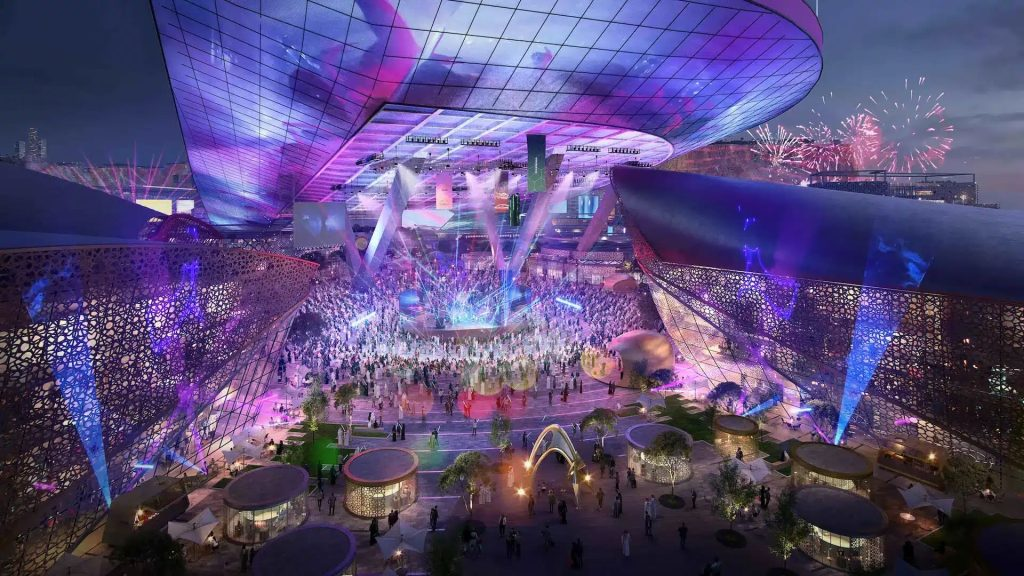
Saudi Arabia’s $155B Entertainment Industry Investment: How the Kingdom is Building a Global Creative Powerhouse?
Saudi Arabia is pouring investment in entertainment industry, from Riyadh Season to NEOM film studios. Discover how this reshapes tourism.
soulofsaudi.com