Saudi Arabia strategic Projects: news, discussions & updates

As FII Ends, Riyadh Emerges as Global Lab Steering the Economy
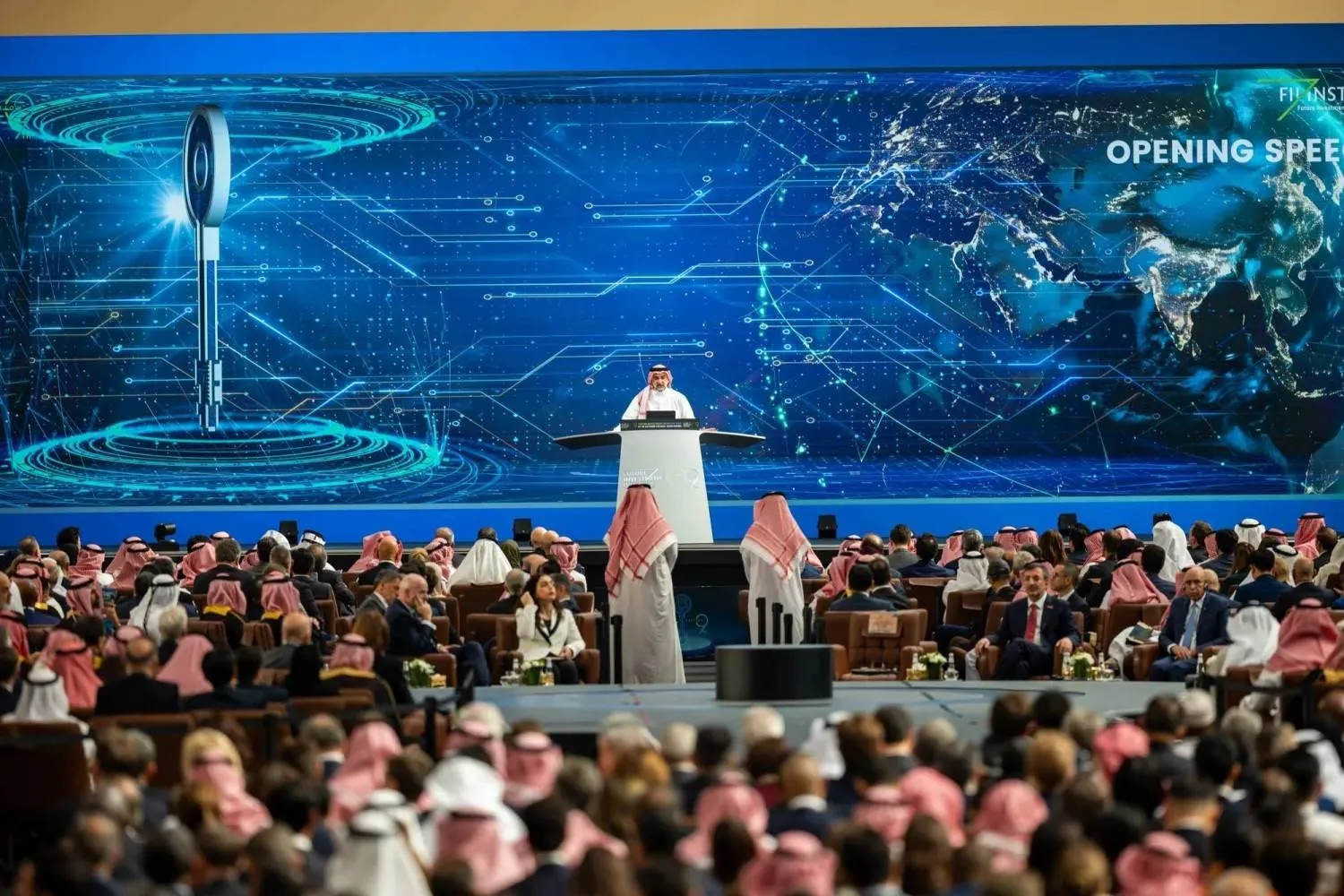
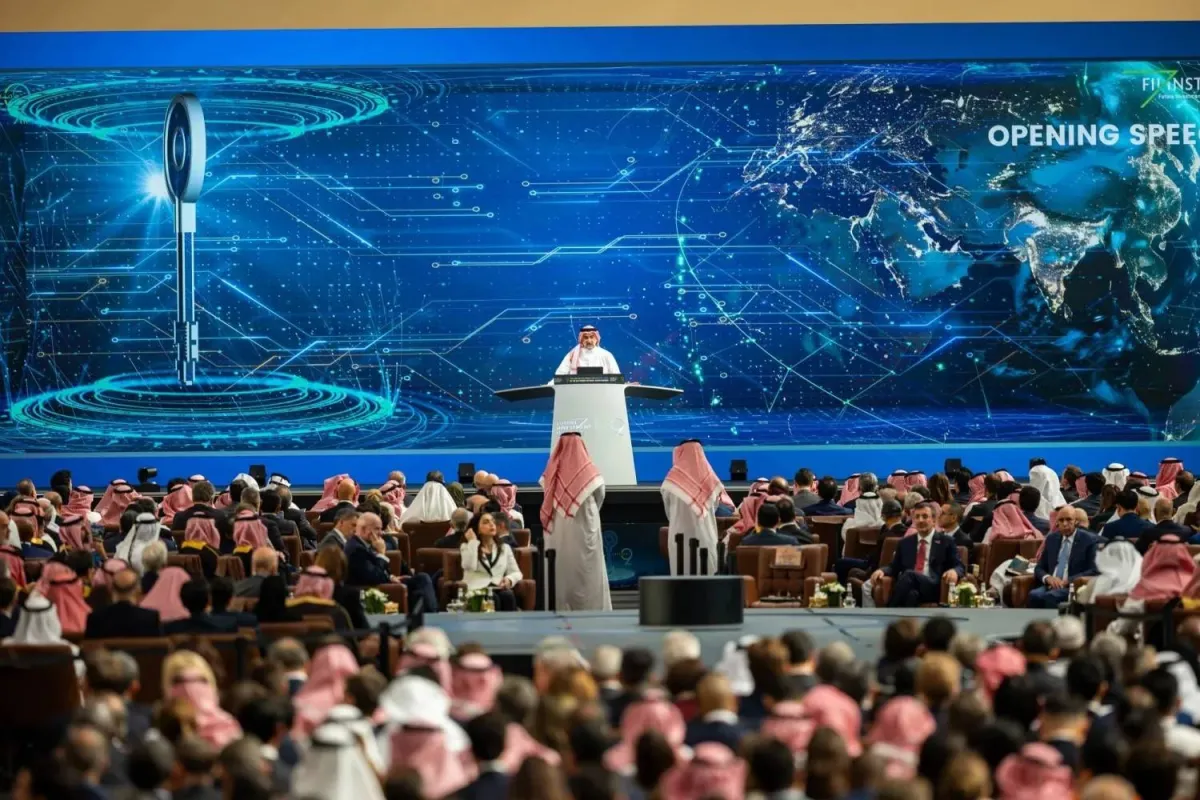
Public Investment Fund (PIF) Governor Yasir Al-Rumayyan speaks during his opening address at the conference (Asharq Al-Awsat)

Public Investment Fund (PIF) Governor Yasir Al-Rumayyan speaks during his opening address at the conference (Asharq Al-Awsat)
18:28-30 October 2025


The 2025 Future Investment Initiative (FII) wrapped up in Riyadh with a global consensus taking shape: Saudi Arabia has moved beyond the role of host to become a driving force redefining the very concept of economic summits.


Over three intensive days, the Saudi capital did more than welcome thousands of leaders, investors and decision-makers, it transformed into a global command center for finance, gathering some of the world’s most influential investment minds under one roof.

The event’s atmosphere became a living model of how global wealth flows and takes shape, a scene usually reserved for capitals that set and steer the world’s economic future.

With more than 9,000 international participants attending this ninth edition, the scale of engagement underscored the conference’s unprecedented strength. The halls transcended their role as venues for official sessions, evolving into a live “laboratory” for reshaping and liberating the global economy.

The power of side discussions

The true value of FII extended beyond its main stages to the sidelines, where candid, high-level exchanges proved equally vital. In moments of frank, in-depth dialogue, barriers of competition among industry giants dissolved.

Within this rare “knowledge fusion,” months of research and market analysis were distilled into direct exchanges between major investors and financial leaders.

These visionary conversations covered crucial themes from market performance, interest rate forecasts and inflation, to the Federal Reserve’s independence and its impact on Wall Street, as well as the implications of complex tariff policies.

More significantly, there was a strong focus on artificial intelligence and how it is redefining investment decisions, offering asset managers a “true mirror” to assess their strategies amid a collective outlook shaped by global leaders.

This is the inherent strength of FII: its ability to turn individual perspectives into strategic consensus, where every opinion voiced carries real influence over massive portfolios and contributes to shaping regional and global capital flows.

Saudi Arabia as an investment benchmark

The gathering succeeded in rising above geopolitical and economic complexities, positioning itself as a compass directing global capital toward the most ambitious and profitable opportunities.

Its success was most evident in its ability to translate promises into immediate deals and strategic partnerships, by creating an ideal environment for swift and effective investment decisions.

This momentum was reflected in the overwhelming demand for investment in Saudi Arabia, a sentiment shared by global financial heavyweights.

Public Investment Fund (PIF) Governor Yasir Al-Rumayyan described this success as “a global benchmark for a national vision” that has opened doors to opportunities spanning generations.

He summed up the transformation in a powerful phrase: “Saudi Arabia no longer presents itself to the world - the world now comes to it,” citing the Kingdom’s hosting of major global events such as the Future Investment Initiative, Expo 2030, and the 2034 FIFA World Cup.

Investing in technological sovereignty

Artificial intelligence dominated this year’s FII agenda, underscoring that Saudi Arabia is not only positioning itself as a financial hub but also as a global power in technology and innovation.

Discussions moved beyond potential to action, with the announcement of major investment commitments aimed at achieving technological sovereignty.

One highlight was the unveiling of a strategic plan to deploy up to 400,000 AI chips in Saudi Arabia by 2030, an investment designed to build the computing capacity needed to fuel the Kingdom’s AI revolution.

A landmark partnership was announced between Humain, a PIF portfolio company, and Qualcomm Technologies of the United States, to establish an advanced AI infrastructure in the Kingdom.

In a move signaling the sector’s strategic weight, Saudi Aramco and the Public Investment Fund agreed on acquiring a significant stake in Humain, with Aramco reaffirming AI’s critical role in its future operations.

This deep focus reflects a shared conviction among Saudi leaders that AI infrastructure is the “key to prosperity,” the bridge connecting ambitious visions to tangible economic realities. The Kingdom is betting that artificial intelligence will spark transformative change across all sectors.

So, the Future Investment Initiative has evolved beyond an annual event. It has become a global arena for anyone seeking to take part in shaping the future of investment worldwide.

Saudi Arabia Wraps Up FII Summit Spotlighting Global Economic Future
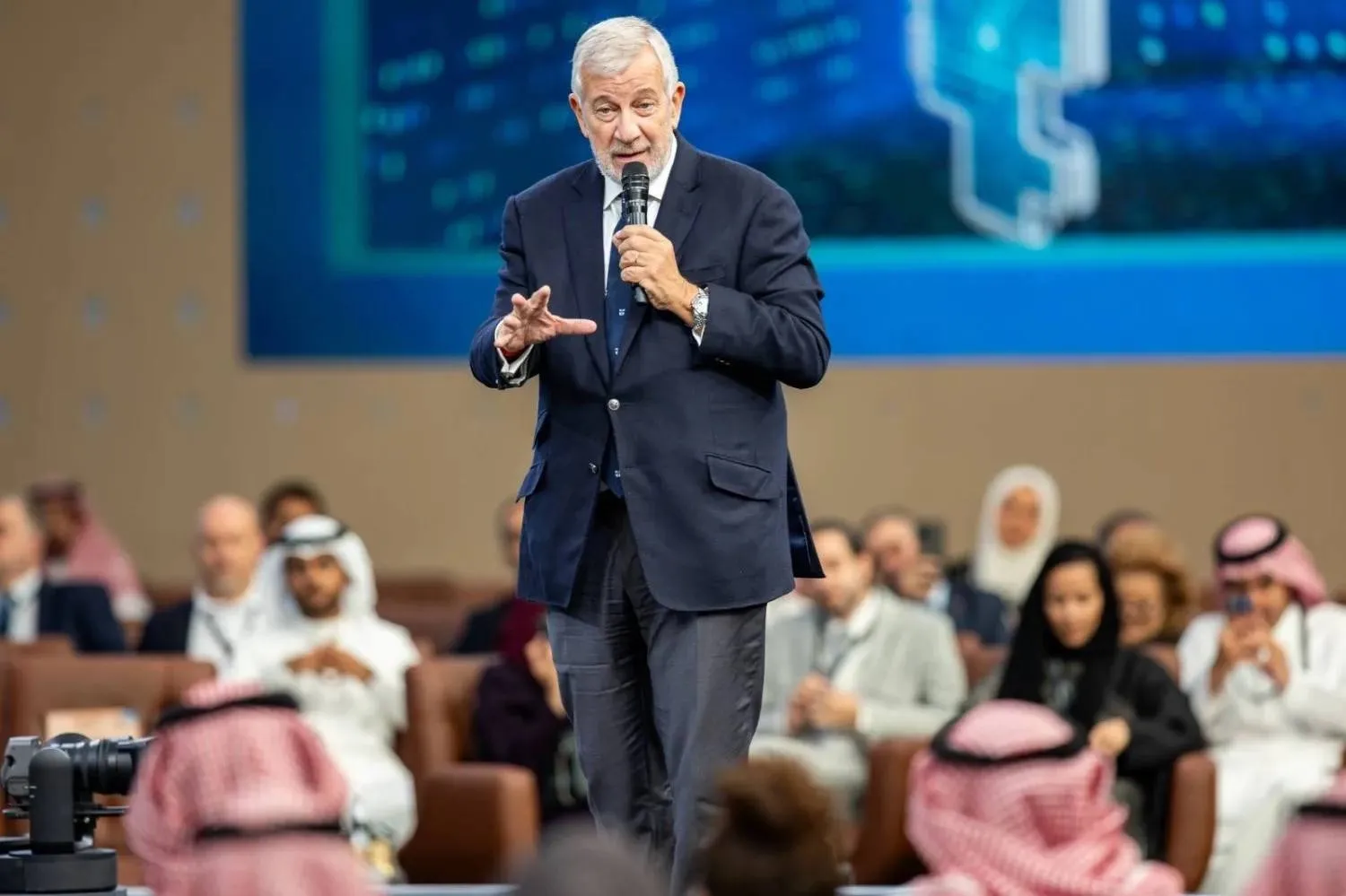
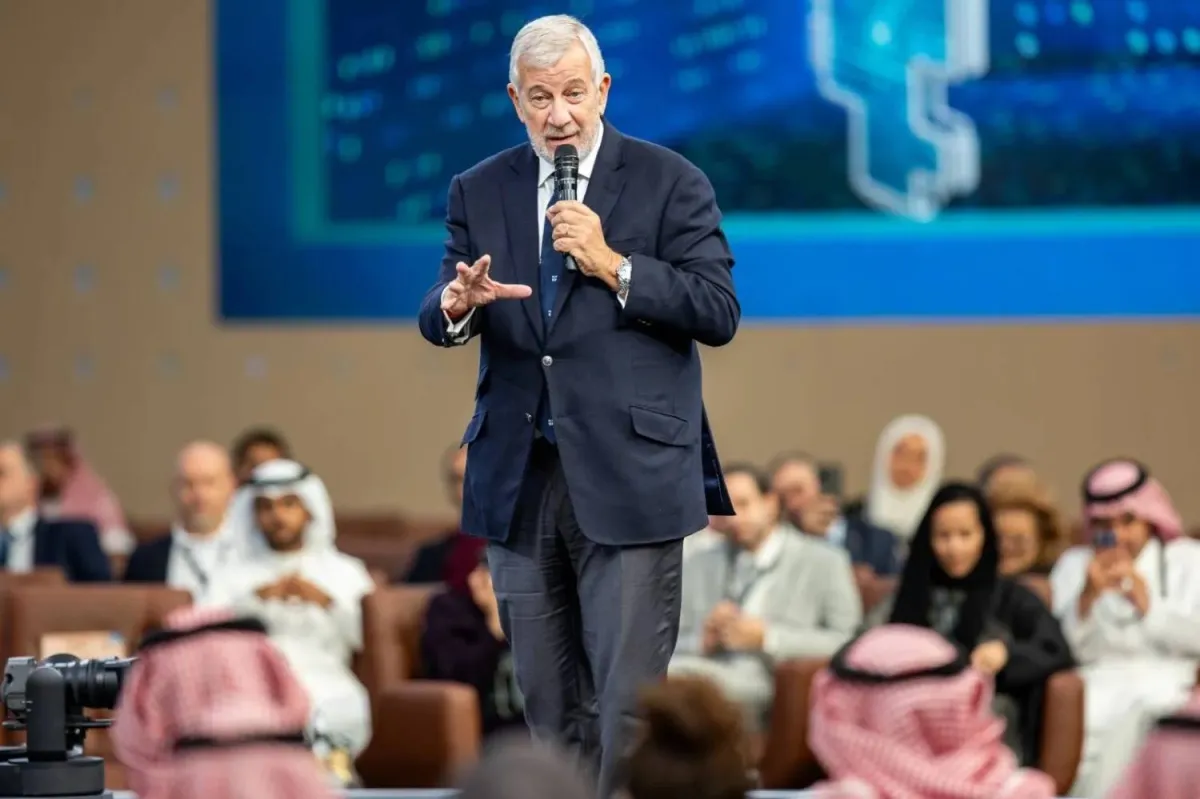
Richard Attias, Chairman of the Executive Committee and Acting CEO of the Future Investment Initiative Institute (official website)

Richard Attias, Chairman of the Executive Committee and Acting CEO of the Future Investment Initiative Institute (official website)
18:11-30 October 2025 AD ـ 09 Jumada Al-Ula 1447 AH

The closing sessions of the ninth edition of the Future Investment Initiative (FII) showcased the accelerating growth of Saudi Arabia’s investment landscape, highlighting a 20% surge in the asset management sector over the past year.


The expansion was driven by a broader range of investment categories and a growing investor base, pushing total assets under management to about 1.2 trillion riyals ($320 billion) amid a clear boom in private credit, real estate, and venture capital.

Discussions at the event also reflected the major strides made by the Saudi financial market, now ranked among the world’s top 10 by market capitalization, which has exceeded $2.7 trillion.

The diversity of investment instruments and the growing number of listed companies have reinforced the Kingdom’s position as an open regional financial hub and a key player in driving global liquidity and investment flows.

Delivering the closing remarks at FII9, Richard Attias, Chairman of the Executive Committee and Acting CEO of FII Institute, reflected on the foresight and leadership of Crown Prince Mohammed bin Salman, whose realization of Vision 2030 is heralding an era of collective prosperity unlike any seen before.

Attias called on the world to continue this “global movement” toward shared prosperity, noting that the journey will continue over the next five years with upcoming editions in Tokyo, Miami, Milan, and Istanbul.

He described the 10th anniversary of the FII as a “landmark milestone” in the evolution of what has become the world’s leading platform for dialogue on the future of the global economy.

Innovation in Focus

On the final day of the conference, Yazeed Al-Humied, Deputy Governor and Head of Middle East and North Africa Investments at the Public Investment Fund (PIF), said total assets under management in Saudi Arabia have topped 1.1 trillion riyals ($293 billion).

He stressed that PIF plays a key role in boosting national economic growth and developing the local capital market.

The progress and transformation we’ve seen in recent years have truly been remarkable, he said, revealing that PIF paid 700 million riyals in fees to registered asset managers in 2024.

Al-Humied said the Fund’s efforts focus on four main priorities: promoting product innovation, developing emerging asset managers, attracting major global firms, and nurturing local talent.

He noted that PIF continues to develop innovative products and solutions across various asset classes and financial markets to expand investor options.

For example, through investment in the BlackRock Middle East Infrastructure Fund, the Kingdom attracted 75 billion riyals ($20 billion) in foreign direct investment, which was deployed into key projects including Aramco’s gas pipeline, he said.

He also pointed to the launch of new exchange-traded funds (ETFs) aimed at attracting more foreign investment and diversifying institutional portfolios, adding that the Fund has introduced three ETFs over the past two years across eight global markets.

Growth in Fixed-Income Instruments

Mohammed El-Kuwaiz, Chairman of the Saudi Capital Market Authority (CMA), confirmed that the asset management sector grew by around 20% last year, driven by diversified products and investment classes that support projects and market development despite a relatively stable capital market.

El-Kuwaiz said the growth in managed assets stemmed from the variety of investment sectors and products, including real estate, fixed-income instruments, and venture capital, the fastest-growing segments within Saudi Arabia’s asset management industry.

He added that the expanding investor base also helped drive growth, with third-party managed assets now outpacing those linked to PIF, bringing total managed assets this year to about 1.2 trillion riyals ($320 billion).

He noted that the private credit sector recorded the fastest growth rate among all investment types, doubling its managed assets over the past year, reflecting rising demand for credit and emerging opportunities, particularly in low-risk, yield-generating segments.

Private credit assets now stand at around 5 billion riyals ($1.3 billion), a relatively modest portion of the total 1.2 trillion-riyal asset management industry, he added.

Expanding the Investor Base

Meanwhile, Khalid Al-Hussan, CEO of the Saudi Stock Exchange “Tadawul Group,” said the Saudi market has become one of the world’s top 10 by market capitalization, with listed equities now exceeding $2.7 trillion and more than 380 companies traded.

The market also features a robust bond market and multiple fund platforms.

He said this transformation underscores the sweeping structural shift taking place in the Saudi market toward diversification and global integration, in line with Vision 2030.

Before Vision 2030, the market focused solely on local equities with fewer than 100 listed companies and a market cap below $400 billion, Al-Hussan said, adding that the market now is a diverse, open, and globally connected marketplace with integrated equity and debt channels.”

He added that the market’s regulatory framework continues to evolve under Vision 2030, expanding access, deepening liquidity, and introducing new alternative assets and investment opportunities.

Foreign ownership in the Saudi market has now exceeded $110 billion, with participation from more than 4,400 qualified foreign investors, he said, underscoring ongoing efforts to broaden the investor base and enhance market accessibility.

Lenovo Nears Completion of One of its Largest and Most Advanced Global Factories in Saudi Arabia

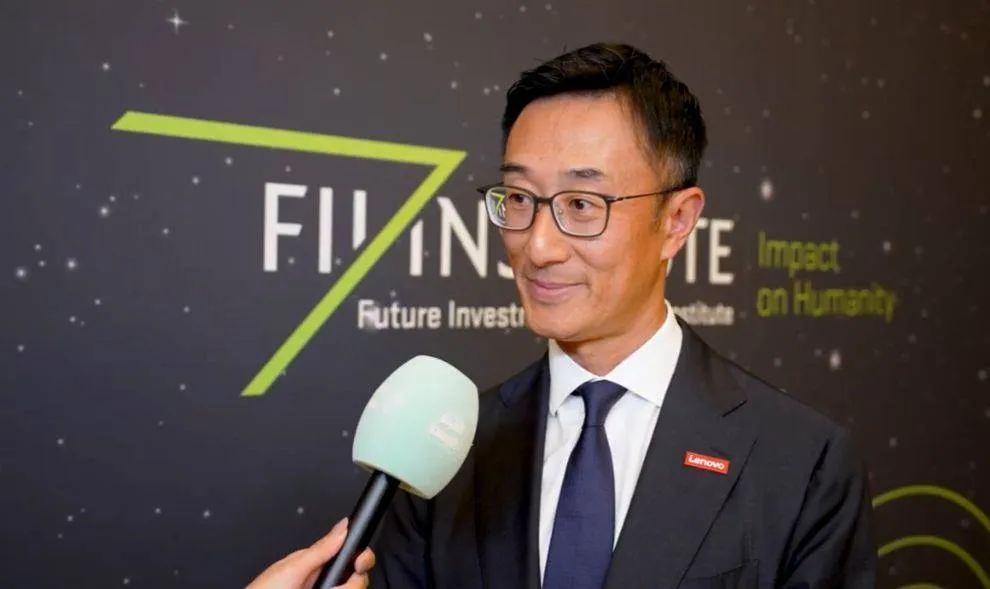
Winston Cheng, Chief Financial Officer of Lenovo (Photo: Turky Alagili)

Winston Cheng, Chief Financial Officer of Lenovo (Photo: Turky Alagili)
07:40-30 October 2025 AD ـ 09 Jumada Al-Ula 1447 AH

Lenovo has announced that it is close to completing one of its largest and most advanced manufacturing facilities worldwide in the Saudi capital Riyadh, as part of an investment worth hundreds of millions of dollars. The move marks a major strategic expansion for the Chinese technology giant in the region.


Winston Cheng, Chief Financial Officer of Lenovo, told Asharq Al-Awsat that the new plant will be the company’s “most comprehensive” facility globally, integrating production lines for desktop and laptop computers, smartphones, and servers in a single location.

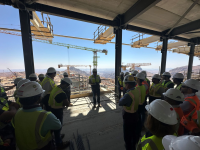
The factory, covering 200,000 square meters, is being built at Riyadh Integrated — a site managed by the Special Integrated Logistics Zone (SILZ) — and has been designed according to the highest sustainability standards. Once operational, it will produce millions of desktops, laptops, and servers bearing the “Made in Saudi Arabia” label.

The project is being developed in partnership with ALAT, a subsidiary of the Public Investment Fund (PIF) specializing in driving industrial transformation in the Kingdom.

Cheng said the project is progressing rapidly, noting that around 2,000 employees have already been hired within nine months and that construction is nearing completion. Pilot production tests are expected to begin in December, with full-scale commercial operations slated for the second half of next year.

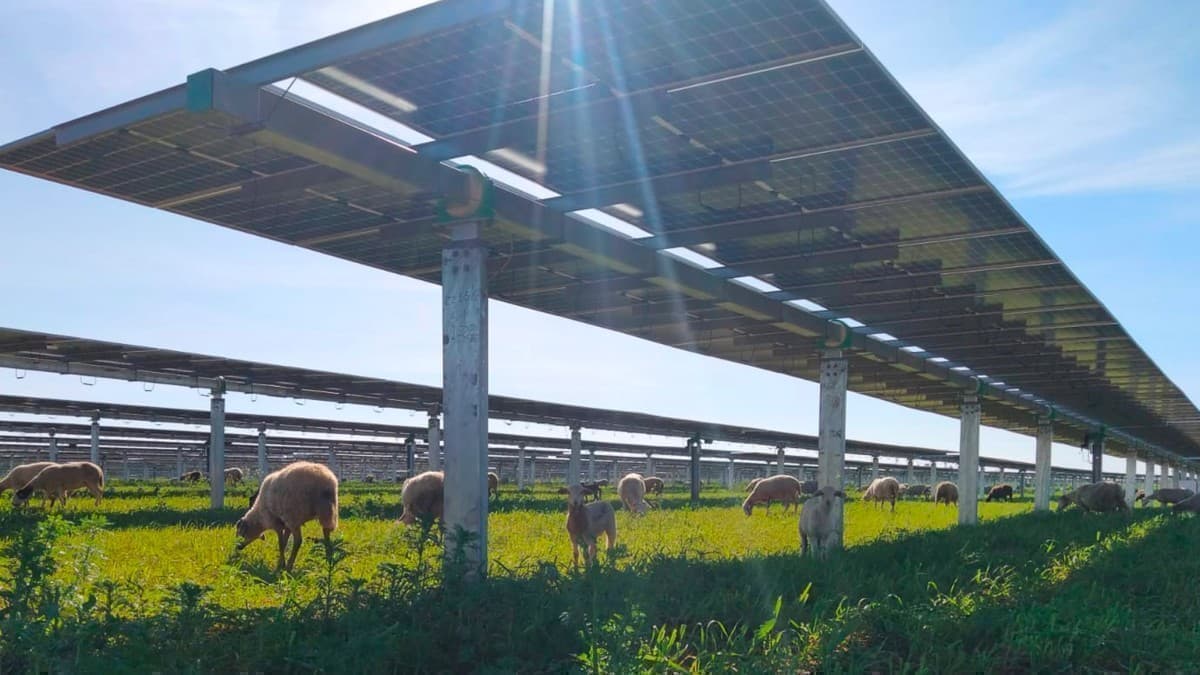
According to Cheng, the company has imported 10,000 tons of steel for construction and installed 12 megawatts of rooftop solar panels to ensure compliance with environmental, social, and governance (ESG) standards.

He stressed that Lenovo aims for the facility to serve as a regional model of low-cost, sustainable manufacturing.

The project follows the completion of a $2 billion investment deal announced in January 2025, after receiving shareholder and regulatory approvals. The investment was made through three-year, zero-interest convertible bonds.

Cheng explained that the new factory is part of Lenovo’s broader plan to expand its presence across the Middle East, noting that the company has relocated its regional headquarters from the United Arab Emirates to Riyadh and is establishing research and development centers alongside the production plant.

He highlighted that employing Saudi talent is a cornerstone of Lenovo’s partnership with the local government, adding that the company’s rapid progress “would not have been possible without the contribution of local expertise.”

To view this content we will need your consent to set third party cookies.
For more detailed information, see our cookies page.


As part of FII9
@alat_tech
is preparing to open its first factory in Riyadh to produce computers and servers in 2025, with plans to start manufacturing smartphones in 2026
— Highlights:
• Local manufacturing of computers and servers
• Smartphone manufacturing next year
• Localization of the digital devices industry

To view this content we will need your consent to set third party cookies.
For more detailed information, see our cookies page.


Launch of the Thuraya Fund for Educational Technologies valued at 100 million dollars during FII9, led by Oasis Capital and FAM Holding to support innovation in digital education and skills development.
— The Impact:
• Enabling Saudi education and technology companies to expand
• Supporting skills development and digital entrepreneurship

To view this content we will need your consent to set third party cookies.
For more detailed information, see our cookies page.


At #GlobalHealthForum25, we spotlight the participation of the communications powerhouse
@GOTelecomKSA
and its role in enabling the digital transformation of the health sector
— Through
• The biotechnology platform
• Integrated cloud solutions for health sector products
•Technologies supporting decision-making and enhancing the quality of healthcare services in the Kingdom

To view this content we will need your consent to set third party cookies.
For more detailed information, see our cookies page.


#Lafyera, one of the companies of the Public Investment Fund, signs 7 strategic partnerships to localize the manufacturing of vaccines and biological medicines
— The Objective:
• Collaboration with MSD and Pfizer and Sanofi and GSK
• Development of cellular and genetic therapies in collaboration with the King Faisal Specialist Hospital and Research Centre
• Supporting self-sufficiency and enhancing national public health security

To view this content we will need your consent to set third party cookies.
For more detailed information, see our cookies page.


Humain
@HUMAINAI
in partnership with Qualcomm launches the first integrated AI infrastructure in Saudi Arabia
— Details:
• Operational capacity of 200 megawatts
• Relies on advanced AI200 and AI250 systems
• Enables government entities to run models locally
• Builds a national AI ecosystem
 
Last edited:
To view this content we will need your consent to set third party cookies.
For more detailed information, see our cookies page.


Saudi Arabia Awards Five Renewables Projects Worth $2.4 Billion

By Charles Kennedy - Oct 28, 2025, 11:30 AM CDT

Saudi Arabia has awarded one wind power and four solar power projects in the country worth a total estimated investment of $2.4 billion (9 billion Saudi riyals), the official Saudi Press Agency reports.

Saudi Power Procurement Company, the principal buyer of the projects, awarded the five projects with a total capacity of 4.5 gigawatts (GW), as part of the sixth phase of the Kingdom’s National Renewable Energy Program.

Saudi Arabia, the world’s biggest crude oil exporter, aims to hike the share of renewable electricity generation as part of its Vision 2030 economic development program.

The Kingdom’s National Renewable Energy Program is aimed at diversifying the energy mix used in electricity production by increasing the shares of gas and renewables in it.

“The kingdom aims at have the energy mix that is optimal, most efficient, and least costly, by replacing liquid fuel with natural gas, in addition to renewables, which are going to make up around 50% of the energy mix used to produce electricity by 2030,” the Energy Ministry says.

Of course, replacing liquid fuels and direct crude burn with wind and solar electricity would help Saudi Arabia free up more crude oil for exports, the pillar of its economy and budget revenues.

In the latest $2.4-billion renewable energy tender, Saudi Power Procurement Company awarded a project for the Dawadmi Wind IPP Plant in the province of Riyadh with a capacity of 1.5 GW. The winning bid from a consortium comprising Korea Electric Power Corporation (KEPCO), Nesma Renewable Energy Company Ltd, and Etihad Water and Electricity Company, has a levelized cost of electricity (LCOE) of 1.33803 U.S. cents per kWh. This is a new world record for the lowest LCOE of wind power generation, Saudi Arabia says.

The 1.4-GW Najran Solar Energy Project in the Najran region will be developed in partnership with Abu Dhabi Future Energy Company (Masdar), with an LCOE of 1.09682 U.S cents per kWh. This is the second-lowest in the world for the cost of electricity generation from solar energy, following the Shuaiba 1 Project, which is also located in the Kingdom.

Saudi Arabia expects its total tendered renewable energy generation capacity to reach 64 GW by the end of 2025.

By Charles Kennedy for Oilprice.com

 
Last edited:
Trump Ally Gets F-35 Boost From Pentagon


PUBLISHED

NOV 05, 2025 AT 10:54 AM EST

By Amira El-Fekki‎
Middle East Reporter

The Trump administration is weighing Saudi Arabia’s request to purchase F-35 fighter jets, a potential deal that has reportedly cleared a key Pentagon hurdle, sources familiar with the matter told Reuters.

The Trump administration has mounted a major push for deeper Gulf security partnerships, through arms sales and an expanded U.S. military presence. The White House recently signaled a new security initiative with Qatar, and Riyadh is understood to be eyeing a similar framework with Washington.

Newsweek has contacted the U.S. Defense Department for comment.

Why It Matters​

The kingdom has requested up to 48 F‑35 jets, but the deal had been stalling amid Washington’s reluctance because of its policy of maintaining Israel’s qualitative military edge and concerns about regional partners’ ties to strategic rivals.

The F-35 incorporates stealth technology that allows it to evade enemy detection and is considered to be one of the world's most advanced fighter aircraft.

The recent move comes ahead of a U.S. visit this month by Crown PrinceMohamed bin Salman, an ally and "friend" of President Donald Trump. Saudi Arabia was Trump's destination in May on the first overseas trip of his second term and the two leaders signed an historic $142 billion arms deal that, according to the White House, is the largest defense sales agreement in history.

AP25295518685616.jpg

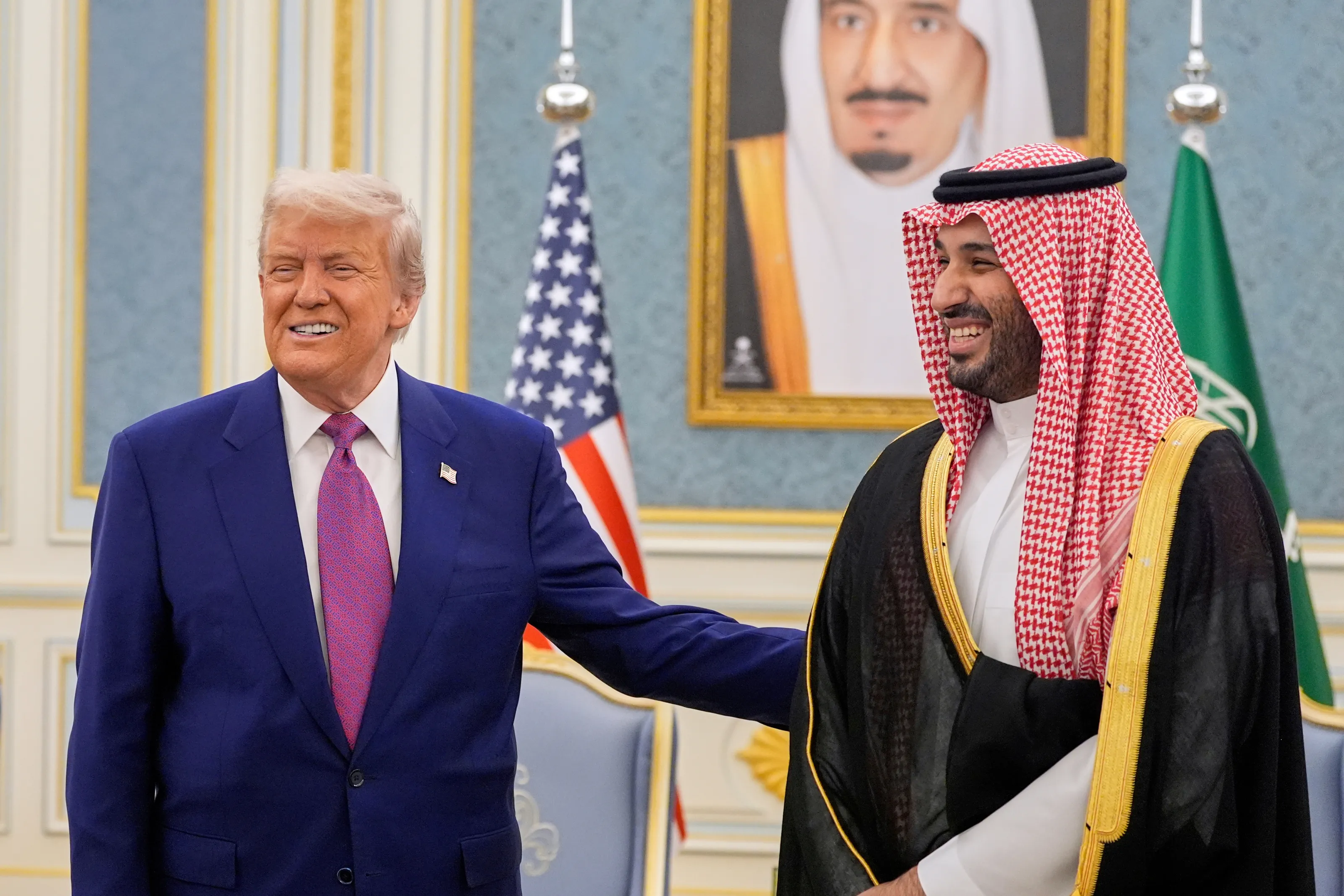
President Donald Trump and Saudi Crown Prince Mohammed bin Salman meet at the Royal Palace in Riyadh, Saudi Arabia, on May 13, 2025. | Alex Brandon, File/AP Photo

What To Know​


U.S. officials told Reuters on Wednesday, on condition of anonymity, that the F-35 deal is moving through the system and has now reached Secretary of Defense level, after the Pentagon’s policy office reviewed the potential transaction for months.

Under the Biden administration, F‑35 sales to Gulf states have been tied to the Abraham Accords and broader normalization of relations with Israel. The United Arab Emirates (UAE) and Bahrain signed the accords in 2020.

The UAE broadened diplomatic, cultural and economic ties with Israel in the years that followed, developing faster than the first Arab states to sign peace treaties with Israel—Egypt and Jordan—in the 1970s. Still, an F‑35 deal with the UAE did not materialize, and amid continued U.S. review and policy constraints, the UAE eventually withdrew its purchase request.

Saudi Arabia has long been seen as the next major potential candidate to sign the Abraham Accords, but the kingdom has been reluctant to put pen to paper as long as a negotiated solution for Palestine remains unresolved. Riyadh has actively pushed for the recognition of a Palestinian state and successfully advanced the agenda at the United Nations alongside France in the aftermath of the Gaza war.

What People Are Saying​

A military and defense blogger using the account handle @SMmiliitary wrote in Arabic on X on Wednesday: "If Saudi Arabia acquires 48 F‑35s, the entire balance of power in the Middle East would be reshaped. Soon, talk of Israeli superiority will become a thing of the past; this deal would plague the haters if it went through."

President Donald Trump said told FOX Business' Maria Bartiromo on October 17, speaking of the Abraham Accords: "I hope to see Saudi Arabia go in and I hope to see others go in. I think when Saudi Arabia goes in everybody goes in."

Brian Katulis, senior fellow at the Middle East Institute, wrote in an analysis on October 27: "Trump 2.0’s inclination toward an 'America First' unilateralism can be seen in how it has managed most key relationships across the world, particularly in Europe and the Western Hemisphere. But that tendency has seemingly been more muted and less present in its approach to the Middle East, a region that is higher on the priority list for Trump’s national security agenda than it was during the opening months of the preceding US administration."

What Happens Next​

Sources say the deal still requires Cabinet approvals, presidential sign-off, and congressional notification before receiving the ultimate green light. The Saudi leader is expected to visit the U.S. on November 18 and meet with Trump at the White House.


F-35s Over Saudi Arabia: Pentagon Approval Marks Turning Point in Stealth Fighter Export Policy

Middle East , Aircraft and Anti-Aircraft​

Military Watch Magazine Editorial Staff
November-5th-2025

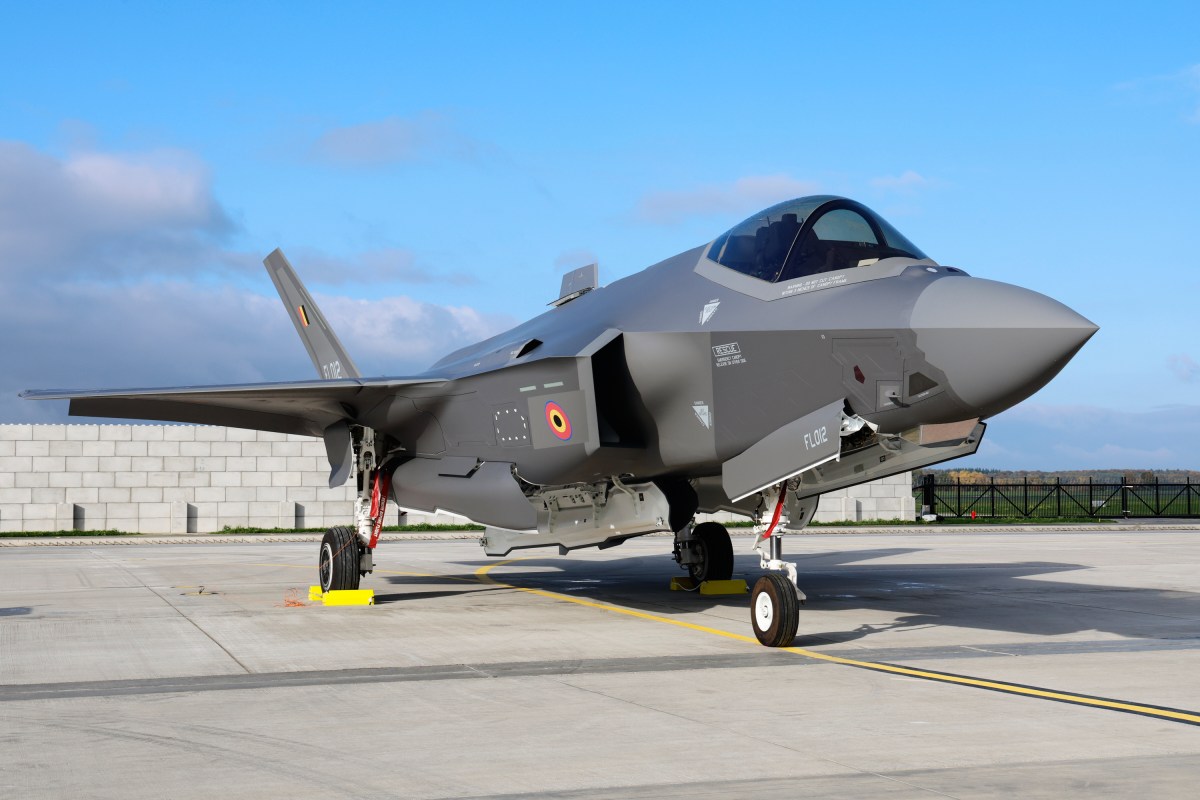
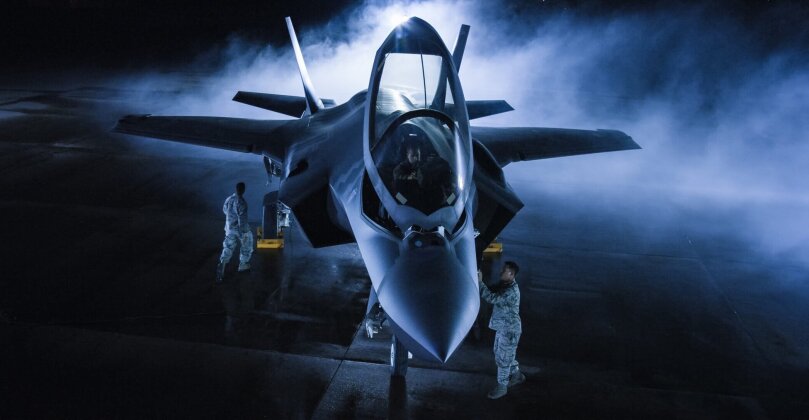
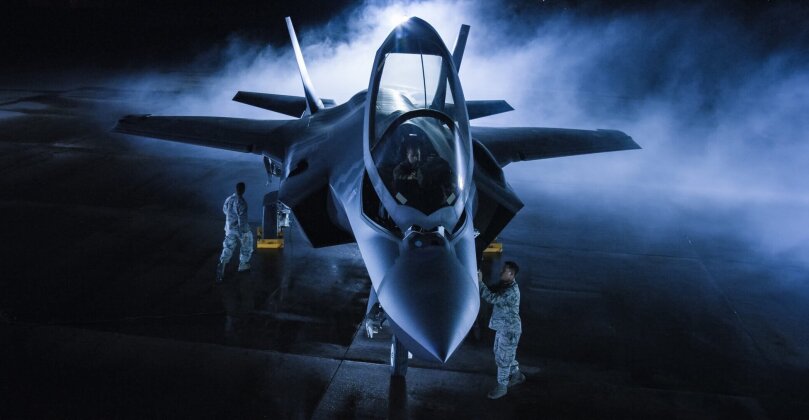
U.S. Air Force F-35 Fifth Generation Fighter

U.S. Air Force F-35 Fifth Generation Fighter

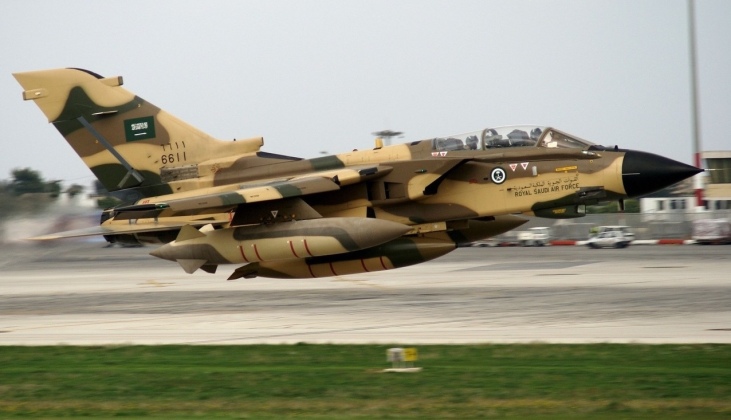
The U.S. Department of Defence has approved the sale of up to 48 F-35A fifth generation fighters to Saudi Arabia, following months of high level discussions within the Pentagon, which has left the decision with the White House reviving whether to offer the fighters to the Gulf state. The decision was taken ahead of a visit to the United States by Crown Prince Mohammed bin Salman, who during previous visits to the country was assessed by analysts to have faced significant pressure to increase defence procurements from the United States. The sale will require further approvals at the Cabinet level, a sign-off from President Donald Trump, and notification of Congress, before proceeding. If procured, the fighters are expected to replace the Royal Saudi Air Force’s fleet of ageing Tornado attack jets, and eventually possibly its small Eurofighter fleet.


Royal Saudi Air Force Tornado Attack Jet

Royal Saudi Air Force Tornado Attack Jet

The F-35 has previously only been marketed to NATO allies and a small number of non-NATO developed economies such as South Korea and Switzerland, with a sale to Saudi Arabia potentially marking a turning point in the program after which it is offered to a wider range of clients. Unconfirmed reports indicate that the Trump administration has been positively inclined towards approving sales to Morocco and the United Arab Emirates, with a policy shift potentially allowing for further sales to potential clients such as Indonesia and Thailand. The loosening of restrictions on F-35 exports may be influenced by both the unfavourable trends currently affecting the U.S. economy, which would make tens of billions of dollars of additional export orders a highly welcome development. The expected fielding of F-47 sixth generation fighters by the mid-2030s is also likely to make baseline variants of the fifth generation F-35 appear less technologically sensitive.

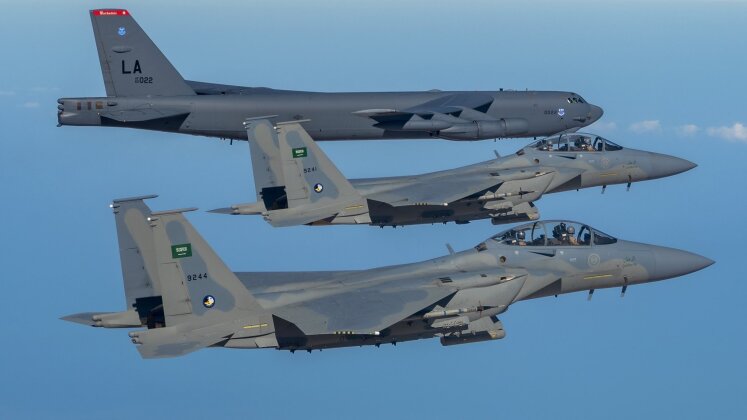
Royal Saudi Air Force F-15s Escourt U.S. Air Force B-52H Strategic Bomber

Royal Saudi Air Force F-15s Escourt U.S. Air Force B-52H Strategic Bomber

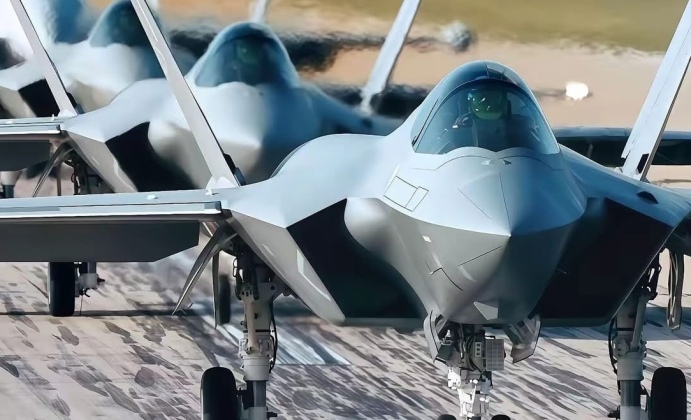
Saudi Arabia has long been provided access to the United States’ most advanced military aircraft, having been one of just three countries to purchase the top U.S. Air Force fighter the F-15s during the Cold War alongside Japan and Israel, before being the first in the world to acquire a heavily modernised ‘4+ generation’ variant of the aircraft, the F-15SA, in the 2010s. The supply of F-35s could ensure that the country does not place orders for the rival Chinese J-35 fifth generation fighter, which has a significantly superior flight performance, longer range, and larger sensor suite while being less costly to procure. President Trump previously highlighted that offering advanced armaments to Gulf states was critical to prevent China or Russia from making inroads into these key markets.

Chinese J-35 Fifth Generation Fighter

Chinese J-35 Fifth Generation Fighter

Although Riyadh was in the early 2020s seen to increasingly be balancing its geopolitical position between the Western Bloc and China, the success of the United States and its strategic partners in toppling the Syrian government in December 2024 was considered a turning point in the regional balance of power that has left Western dominance effectively unchallenged. This may be a factor in the decision to favour the F-35 over Chinese alternatives. The loosening of export restrictions could have particularly detrimental impacts on European fighter programs, which have been able to achieve sales exclusively in countries which, for political reasons, have not been allowed to purchase the more sensitive F-35. It may also derail ongoing efforts by Boeing to market additional F-15s to the Royal Saudi Air Force.


If the order of 48 F-35 (SA potentially) would be genuine and go trough, I hope this will be a first order with more F-35 (SA) to follow afterwards.

48 is a far too small number considering the huge size of KSA and geographical challenges.

UAE initially ordered 50 F-35 if I recall and UAE is around 25 times smaller than KSA with almost 30 times the smaller native population.

I would love to see at least 100 F-35 (if not more) and for KSA to become a key hub for F-35 maintenance in the region long-term.

This would also give a huge lift for the local aviation industry within KSA and could serve as a springboard for later local or foreign joint-projects such as GCAP, KAAN etc.

KSA has a large familiarity with US weapon systems already and with the F-15's in terms of maintenance, assembly and producing spare parts locally.

That would be my modus operandi at least. Obviously if this deal goes through it will change the regional landscape military wise.


Lokchead Martin CEO speaking about KSA and the regional headquarter that they have set up in KSA:

To view this content we will need your consent to set third party cookies.
For more detailed information, see our cookies page.


Now everything makes more sense if you look at the wider picture

To view this content we will need your consent to set third party cookies.
For more detailed information, see our cookies page.


To view this content we will need your consent to set third party cookies.
For more detailed information, see our cookies page.


Great news.

In other related news (AI, energy etc.):

Aramco CEO says Saudi Arabia’s cheap energy will turn kingdom into a global AI data center leader

PUBLISHED TUE, NOV 4 2025 1:38 PM EST

Spencer Kimball@SPENCEKIMBALL

KEY POINTS
  • Aramco disclosed in October that it will become a significant shareholder in Saudi-backed AI company Humain.
  • Aramco CEO Amin Nasser said Saudi’s supply of cheap gas and renewables will transform the kingdom into a global AI leader.
Saudi Arabia will capitalize on its abundant supply of cheap natural gas and renewables to transform the kingdom into a global leader in artificial intelligence, Aramco CEO Amin Nasser told CNBC in an interview.

Aramco, the world’s largest oil company, disclosed in late October that it plans acquire a significant minority stake in the new artificial intelligence company Humain. Saudi Arabia’s sovereign wealth fund, PIF, is the majority owner of Humain, which launched in May.

Humain will become Saudi’s national AI champion and will grow into a leader in the space, Nasser told CNBC’s Sara Eisen in an interview that aired Tuesday. Humain CEO Tareq Amin has said Saudi is aiming to become the third biggest player in AI worldwide behind only the U.S. and China.

“Here, if you want renewable, you will find the lowest cost renewable,” Nasser said. “If you want gas, you will find the lowest cost gas. Energy is available and land is also available to build all these things.”

Data centers that train and run AI applications are requiring tremendous amounts of electricity, which is typically generated either by renewables and natural gas. The facilities will consume almost four times the electricity of the global electric vehicle fleet by 2030, Nasser said. They will primarily be powered by gas but also renewables, the CEO said.

A significant portion of Armaco’s capital spending is going toward boosting natural gas production more than 60% by 2030 to meet demand and toward the investment in Humain, Nasser said. Aramco is targeting capital expenditures of $52 billion to $58 billion this year, he said.

Armaco sees oil and gas demand growing for decades to come on consumption in developing markets particularly in Asia, Nasser said. Demand will grow by 1.1 million barrels per day to 1.3 million bpd this year and almost the same in 2026, he said.

“There is huge potential for growth in emerging economies,” he said.


Saudi Arabia is making a massive bet on becoming a global AI powerhouse

By
Tala Alrajjal
NOV 2, 2025

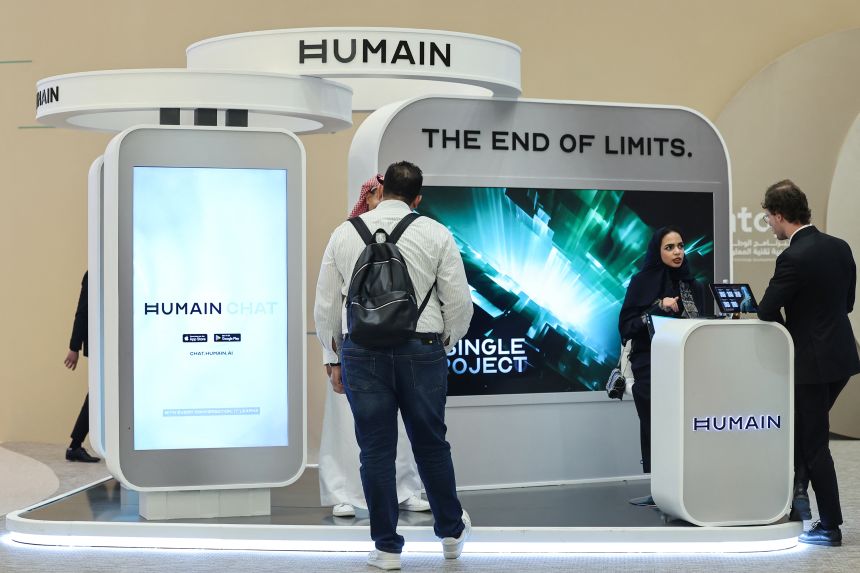
Guests stand at the booth of Saudi artificial intelligence company Humain.

Guests stand at the booth of Saudi artificial intelligence company Humain.
Fayez Nureldine/AFP/Getty Images

Saudi Arabia is turning its oil wealth toward its massive AI ambitions.

Its chief investment vehicle is Humain, a homegrown company that is building out a full stack of data centers, cloud capabilities, large language models and applications. It’s owned by the Kingdom’s nearly $1 trillion sovereign wealth fund.

Crown Prince Mohammad bin Salman unveiled Humain in May ahead of President Donald Trump’s state visit to Riyadh. This week, at the annual Future Investment Initiative in the same location, the scale, ambition and deep pockets behind the project came into clearer focus.

Humain CEO, Tareq Amin, is setting out to make Saudi Arabia the world’s third-largest AI market, after the United States and China. It’s a bold ambition for a newcomer to the industry, but Amin argues the Kingdom’s competitive edge lies in its abundant and cheap energy resources that can feed the seemingly insatiable demand for computing power.

“We have an advantage in Saudi Arabia,” he told CNN’s Becky Anderson. “Look at this country’s amazing energy grid that doesn’t require a company like Humain to build the substations and the power to deliver that to a data center. That means I have saved 18 months of time.”

Humain plans to build up to six gigawatts in data center capability across the country by 2034, with a rolodex of key AI partners, including Nvidia, AMD, Amazon Web Services, Qualcomm and Cisco.

On Tuesday, Humain announced a $3 billion deal with private equity giant Blackstone to build data centers in the Kingdom.

It also publicly launched Humain One, an AI-powered operating system where users speak or type to a computer to tell it to perform tasks, rather than clicking on icons, as is conventional in systems like Windows or iOS.

Humain has been using the AI system internally to run much of its HR, finance, legal, operational and IT departments. Amin says there is now only one employee in his payroll department, with AI agents handling the rest.

The Kingdom is entering the closing stretch of its Vision 2030 economic transformation plan facing headwinds from declining oil prices and delays in its construction of giga-projects like Neom, placing new urgency on its AI push to support the growth of the Arab world’s largest economy.

It also faces competition from the neighboring United Arab Emirates, which has its own AI vehicle, G42, and recently secured a landmark deal with the Trump administration to build “Stargate UAE,” a sprawling $500 billion data center project billed as the largest outside the United States, with the help of OpenAI, Oracle, Nvidia and Cisco.

Asked whether there’s room for two regional heavyweights, Amin said he supports democratizing AI, while touting Humain’s robust operations.

“It is good for humanity to have knowledge — especially around AI — not to be all centralized in one location. So it’s good what is happening in the UAE. It’s very good what’s happening in Saudi Arabia,” he said. “I will tell you what we decided to do, which is very different … Humane is not a holding company. We are an operating company.”

 
Last edited:
To view this content we will need your consent to set third party cookies.
For more detailed information, see our cookies page.


As expected...
 
To view this content we will need your consent to set third party cookies.
For more detailed information, see our cookies page.


As expected...

It was scaled down a long time ago and it (The Line) was mostly used, I believe, as hype mainly. Simply the technology is not there for it nor does it seem, at present, to be very feasible.

KSA is much better off focusing that gigantic amount of money on numerous other projects and sectors.

However the NEOM project itself and its many components are full speed ahead which this thread showcases.


NEOM Bay Airport has been built (2022), Trojena is full speed ahead and one course to host the Asian Winter Games in 2029.


Sindalah (another huge tourist island project) is almost 100% ready (some corrections ongoing but it opened in 2024) and the first tourists have been arriving.


etc.

Anyway The Line or not, KSA remains one of the key construction hubs in the world with much of KSA being one giant building site.

A good overview of some of the ongoing giga projects in KSA.


The Kingdom’s total number of mega-projects has surged from just 64 in 2010 to 476 by 2025, placing it among the top three countries globally in terms of volume.


The report, titled The Future of Major Programme Delivery, defines mega-projects as those valued at $1 billion or more, while giga-projects are classified as projects worth $10 billion or more.


Saudi Arabia currently shares second place with India for the number of giga-projects, with each country hosting 43 such developments. The United States ranks first globally, with 88 active or completed giga-projects.


Overall, the United States tops the rankings for combined mega and giga-projects with 1,663, followed by India (729), Saudi Arabia (577), and the United Kingdom (484). The United Arab Emirates ranks seventh with 233 projects.​


Not bad.

In terms of tourism:


A quote from the article:

In the first quarter of 2025, Saudi Arabia stood out as the nation with the highest increase in international tourism revenue globally. This growth reflects not only a determined strategy to diversify the economy through large tourism projects, but also an effort to strengthen its presence and alliances on the international stage.​

Record high in international tourism​

According to the World Tourism Organisation (UNWTO) World Tourism Barometer, published in May 2025, the Saudi kingdom experienced a 102% increase in international tourist arrivals compared to the same period in 2019. This percentage far exceeds the global average of 3% and the regional average of 44% in the Middle East, consolidating Saudi Arabia as a key player in the global tourism sector.
 
To view this content we will need your consent to set third party cookies.
For more detailed information, see our cookies page.


The #GlobalHealthSummit25 concluded with record-breaking results that affirm the Kingdom's leadership in the healthcare sector globally.
— The highlights:
• Signing of agreements exceeding 133 billion riyals
• Participation of 600+ global speakers
• 2200 exhibiting entities
• 130 thousand visitors and a 54% increase in international visitors

To view this content we will need your consent to set third party cookies.
For more detailed information, see our cookies page.


#AlUla @RCU_SA continues its global brilliance by winning three awards within the World Travel Awards 2025
— Excellence:
• Best Cultural Tourism Project in the Middle East
• Best Destination for Events and Festivals in the Middle East
• Best Cultural Tourism Project in the Kingdom

To view this content we will need your consent to set third party cookies.
For more detailed information, see our cookies page.


Public Investment Fund @PIFSaudi and ACWA Power sign a Memorandum of Understanding to develop energy and water infrastructure projects to serve the Fund's real estate projects
.— The axes:
• Supporting energy and water projects for real estate complexes
• Increasing and stimulating private sector investment
• Within the works of Future Investment Initiative

To view this content we will need your consent to set third party cookies.
For more detailed information, see our cookies page.


His Excellency Minister of Industry and Mineral Resources Bandar Alkhorayef @BAlkhorayef discusses with a Chinese delegation comprising leaders of more than 30 companies the opportunities for industrial investment in the Kingdom
— Key discussion points:
• Targeted investments in machinery and equipment, semiconductors, and advanced manufacturing
• Enhancing technology transfer and localizing supply chains

To view this content we will need your consent to set third party cookies.
For more detailed information, see our cookies page.


From the Digital Government Forum, ⁧ the Governor of the Digital Governance Authority, Eng. Ahmed Al-Suwaian, confirmed the Kingdom's transition from digitization to the era of artificial intelligence.
— The results:
• Eliminating 1.8M appointments for identity
• Savings exceeding 8B riyals
• Reducing candidate screening from 35 days to 3 days
• Optimizing 30% of energy in 76K facilities

1762600210493.png

1762600230265.png
 
1762600856185.png

1762600864057.png

1762600957935.png
1762600967527.png

1762601007936.png

1762601097671.png

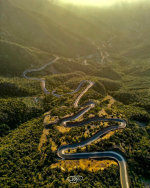
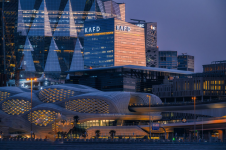
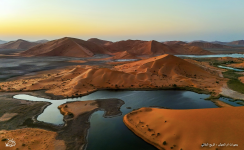
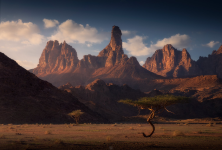
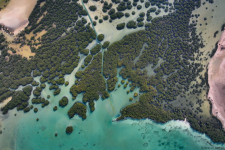
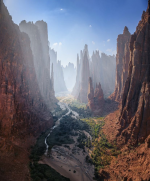
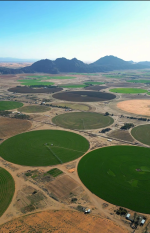
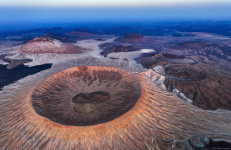
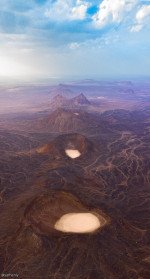
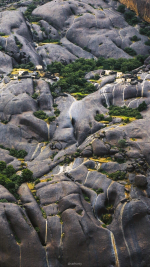
Some nice photos of tiny parts of KSA. Don't bother making an entire "KSA in photos and videos" thread for now though, so posting it here.

100's of more photos can be seen from this Twitter (all taken from him/her):

 
To view this content we will need your consent to set third party cookies.
For more detailed information, see our cookies page.


As expected...


Crazy stupid idea by someone who is even more stupid than the idea itself.

Insanity that anyone thought this was logical, or even viable. Total waste of ego driven time, money.

The idea that you can ignore the value of thousands of years of city construction that has organically grown over time to be the best approach is absurd to me.

All cities in the world look the same, because that happens to be the most efficient way of organizing such a large mass of people in one place.
 
Crazy stupid idea by someone who is even more stupid than the idea itself.

Insanity that anyone thought this was logical, or even viable. Total waste of ego driven time, money.

The idea that you can ignore the value of thousands of years of city construction that has organically grown over time to be the best approach is absurd to me.

All cities in the world look the same, because that happens to be the most efficient way of organizing such a large mass of people in one place.
The LINE Is a part of the overall project of NEOM itself. The initial The Line project/vision was more about creating hype and attention (worked very well) than anything feasible given today's technology and the huge costs involved. I don't think that the leadership for 1 second believed the initial project to be feasible. A lot of what was reported in Western media was outright lies, the nonsense about artificial moons and what not. Never mentioned once in any official document.

KSA has plenty of some of the oldest inhabited cities on the planet and plenty of land where it is possible to built something completely new. The idea itself, if scaled down tremendously (as has occurred), is not bad. Only the brave dare to try something new and the point was/is to create a futuristic city not seen anywhere else.

What is your take on skyscrapers then? First ones appeared in Arabia (Shibam)


but 1000 + years later we have skyscrapers (with millions of people living in them across the world) that are almost 1000 meters high (Burj Al-Arab).

Anyway we are off-topic.
 
Last edited:
1762623622775.png

1762623125347.png

1762623210901.png

1762623422542.png

1762623385333.png

1762623016358.png

@The SC should we create a thread called "Photos and videos of KSA" and/or a thread "Arabian Peninsula or Arab world in photos and videos" thread or some type of such thread?
 
@Ali_Baba

To view this content we will need your consent to set third party cookies.
For more detailed information, see our cookies page.


"Hi

The Line is one of the most publicized components of NEOM, and it was officially announced in 2022 as a futuristic city that relies on advanced technology and sustainability. However, it is important to emphasize that NEOM is not The Line only; the project includes other major zones such as Trojena and Oxagon, where development is already very advanced.

-NEOM A Project Much Larger Than The Line

NEOM consists of multiple core regions, each contributing to the city’s future vision.

•Trojena: A mountain destination offering unique tourism and modern living experiences.

•Oxagon: A revolutionary industrial city and one of the most advanced zones in terms of ongoing development and operations.

These projects are progressing rapidly, showing that NEOM is far more than just a linear city.

-NEOM’s Overall Timeline

It is important to note that NEOM as a whole does not have a fixed completion date, due to its massive scale and multi-phase nature. As for The Line, it is designed to be built in stages, and no official final completion date has been set for the entire project.

-The First Phase of The Line

According to current plans, the first phase of The Line is expected to be completed between 2030 and 2032, with an initial length of about 2.4 kilometers. This highlights that the project will not be constructed all at once but will continue to expand over many years through well-planned stages."

1762629864915.png

1762629871740.png

1762629892054.png

1762629878646.png

Typical Western hyperbole/propaganda/wrong information deliberately being peddled.
 
Crazy stupid idea by someone who is even more stupid than the idea itself.

Insanity that anyone thought this was logical, or even viable. Total waste of ego driven time, money.

The idea that you can ignore the value of thousands of years of city construction that has organically grown over time to be the best approach is absurd to me.

All cities in the world look the same, because that happens to be the most efficient way of organizing such a large mass of people in one place.
I actually like the concept something like blade runnner lol but to be fair other than the line thing everything else even if they can complete half of this grand project would actually make Saudi Arabia in theory a superpower sometimes big dreams do come true.
 
I actually like the concept something like blade runnner lol but to be fair other than the line thing everything else even if they can complete half of this grand project would actually make Saudi Arabia in theory a superpower sometimes big dreams do come true.

I viewed the project as "The Line", which to me was crazy and stupid, but agree the other stuff makes alot of sense as it is inward investment.
 

Users who are viewing this thread

Back
Top