_Arabia_
Trusted Member

As FII Ends, Riyadh Emerges as Global Lab Steering the Economy
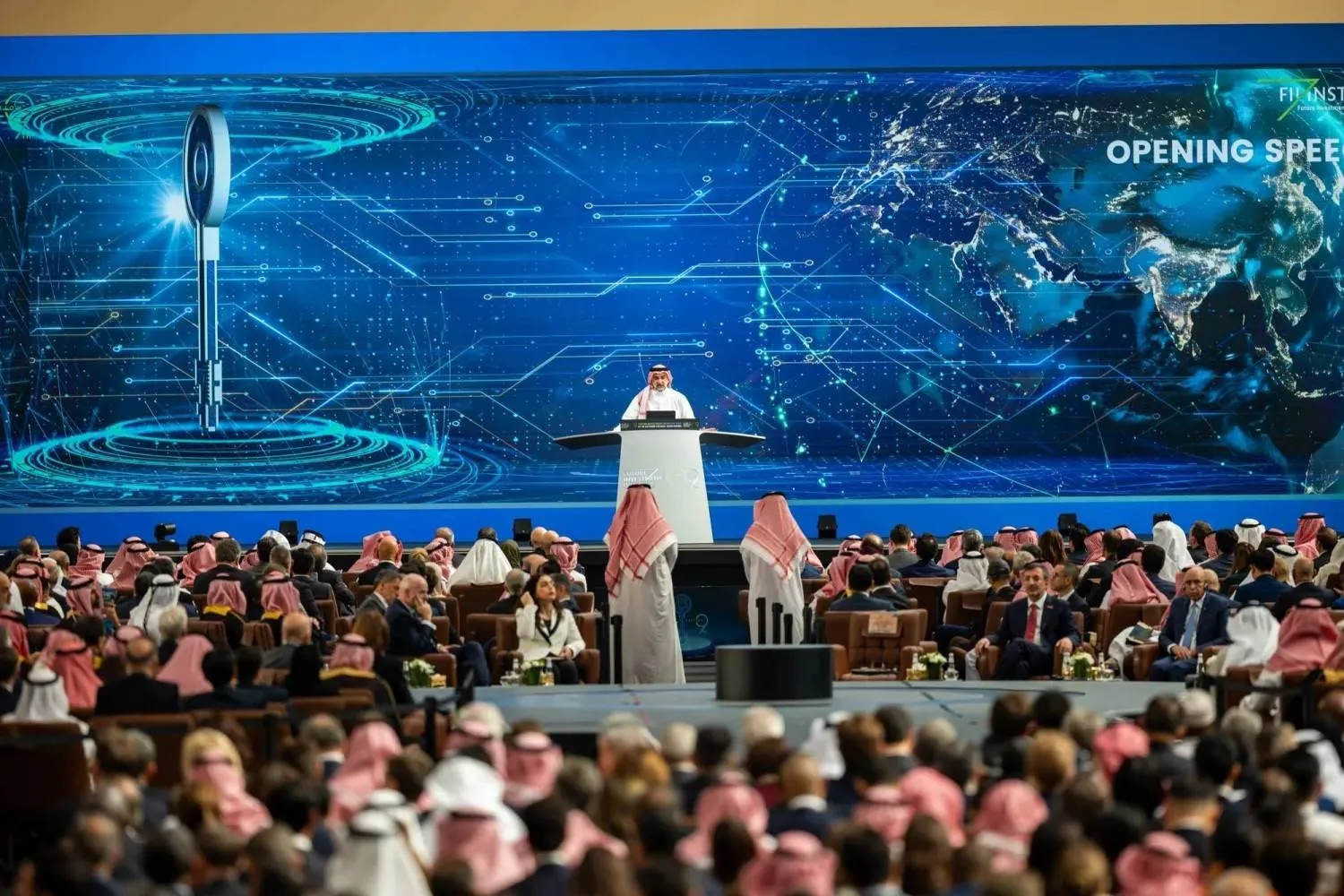
Public Investment Fund (PIF) Governor Yasir Al-Rumayyan speaks during his opening address at the conference (Asharq Al-Awsat)
- Riyadh: Hala Saghbini
The 2025 Future Investment Initiative (FII) wrapped up in Riyadh with a global consensus taking shape: Saudi Arabia has moved beyond the role of host to become a driving force redefining the very concept of economic summits.
Over three intensive days, the Saudi capital did more than welcome thousands of leaders, investors and decision-makers, it transformed into a global command center for finance, gathering some of the world’s most influential investment minds under one roof.
The event’s atmosphere became a living model of how global wealth flows and takes shape, a scene usually reserved for capitals that set and steer the world’s economic future.
With more than 9,000 international participants attending this ninth edition, the scale of engagement underscored the conference’s unprecedented strength. The halls transcended their role as venues for official sessions, evolving into a live “laboratory” for reshaping and liberating the global economy.
The power of side discussions
The true value of FII extended beyond its main stages to the sidelines, where candid, high-level exchanges proved equally vital. In moments of frank, in-depth dialogue, barriers of competition among industry giants dissolved.
Within this rare “knowledge fusion,” months of research and market analysis were distilled into direct exchanges between major investors and financial leaders.
These visionary conversations covered crucial themes from market performance, interest rate forecasts and inflation, to the Federal Reserve’s independence and its impact on Wall Street, as well as the implications of complex tariff policies.
More significantly, there was a strong focus on artificial intelligence and how it is redefining investment decisions, offering asset managers a “true mirror” to assess their strategies amid a collective outlook shaped by global leaders.
This is the inherent strength of FII: its ability to turn individual perspectives into strategic consensus, where every opinion voiced carries real influence over massive portfolios and contributes to shaping regional and global capital flows.
Saudi Arabia as an investment benchmark
The gathering succeeded in rising above geopolitical and economic complexities, positioning itself as a compass directing global capital toward the most ambitious and profitable opportunities.
Its success was most evident in its ability to translate promises into immediate deals and strategic partnerships, by creating an ideal environment for swift and effective investment decisions.
This momentum was reflected in the overwhelming demand for investment in Saudi Arabia, a sentiment shared by global financial heavyweights.
Public Investment Fund (PIF) Governor Yasir Al-Rumayyan described this success as “a global benchmark for a national vision” that has opened doors to opportunities spanning generations.
He summed up the transformation in a powerful phrase: “Saudi Arabia no longer presents itself to the world - the world now comes to it,” citing the Kingdom’s hosting of major global events such as the Future Investment Initiative, Expo 2030, and the 2034 FIFA World Cup.
Investing in technological sovereignty
Artificial intelligence dominated this year’s FII agenda, underscoring that Saudi Arabia is not only positioning itself as a financial hub but also as a global power in technology and innovation.
Discussions moved beyond potential to action, with the announcement of major investment commitments aimed at achieving technological sovereignty.
One highlight was the unveiling of a strategic plan to deploy up to 400,000 AI chips in Saudi Arabia by 2030, an investment designed to build the computing capacity needed to fuel the Kingdom’s AI revolution.
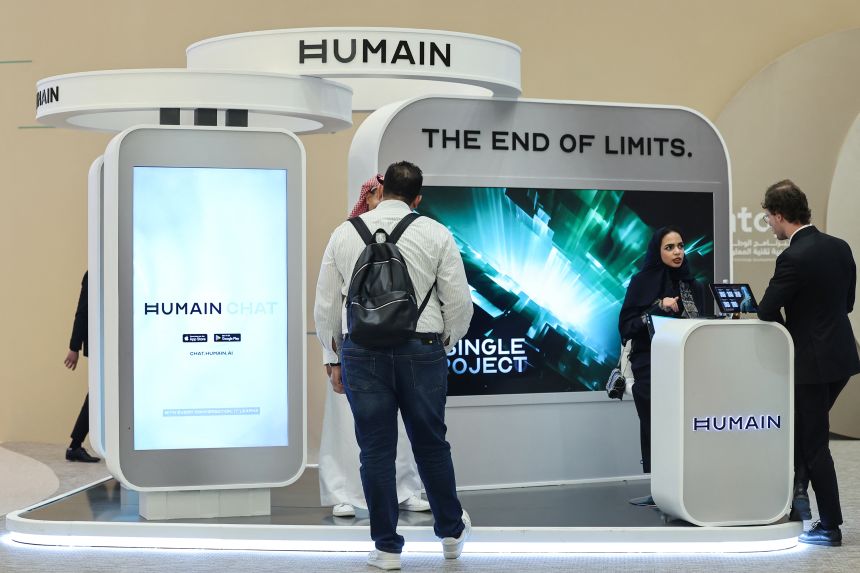
A landmark partnership was announced between Humain, a PIF portfolio company, and Qualcomm Technologies of the United States, to establish an advanced AI infrastructure in the Kingdom.
In a move signaling the sector’s strategic weight, Saudi Aramco and the Public Investment Fund agreed on acquiring a significant stake in Humain, with Aramco reaffirming AI’s critical role in its future operations.
This deep focus reflects a shared conviction among Saudi leaders that AI infrastructure is the “key to prosperity,” the bridge connecting ambitious visions to tangible economic realities. The Kingdom is betting that artificial intelligence will spark transformative change across all sectors.
So, the Future Investment Initiative has evolved beyond an annual event. It has become a global arena for anyone seeking to take part in shaping the future of investment worldwide.
As FII Ends, Riyadh Emerges as Global Lab Steering the Economy
The 2025 Future Investment Initiative (FII) wrapped up in Riyadh with a global consensus taking shape: Saudi Arabia has moved beyond the role of host to become a driving force redefining the very concept of economic summits. Over three intensive days, the Saudi capital did more than welcome...
 english.aawsat.com
Saudi Arabia Wraps Up FII Summit Spotlighting Global Economic Future
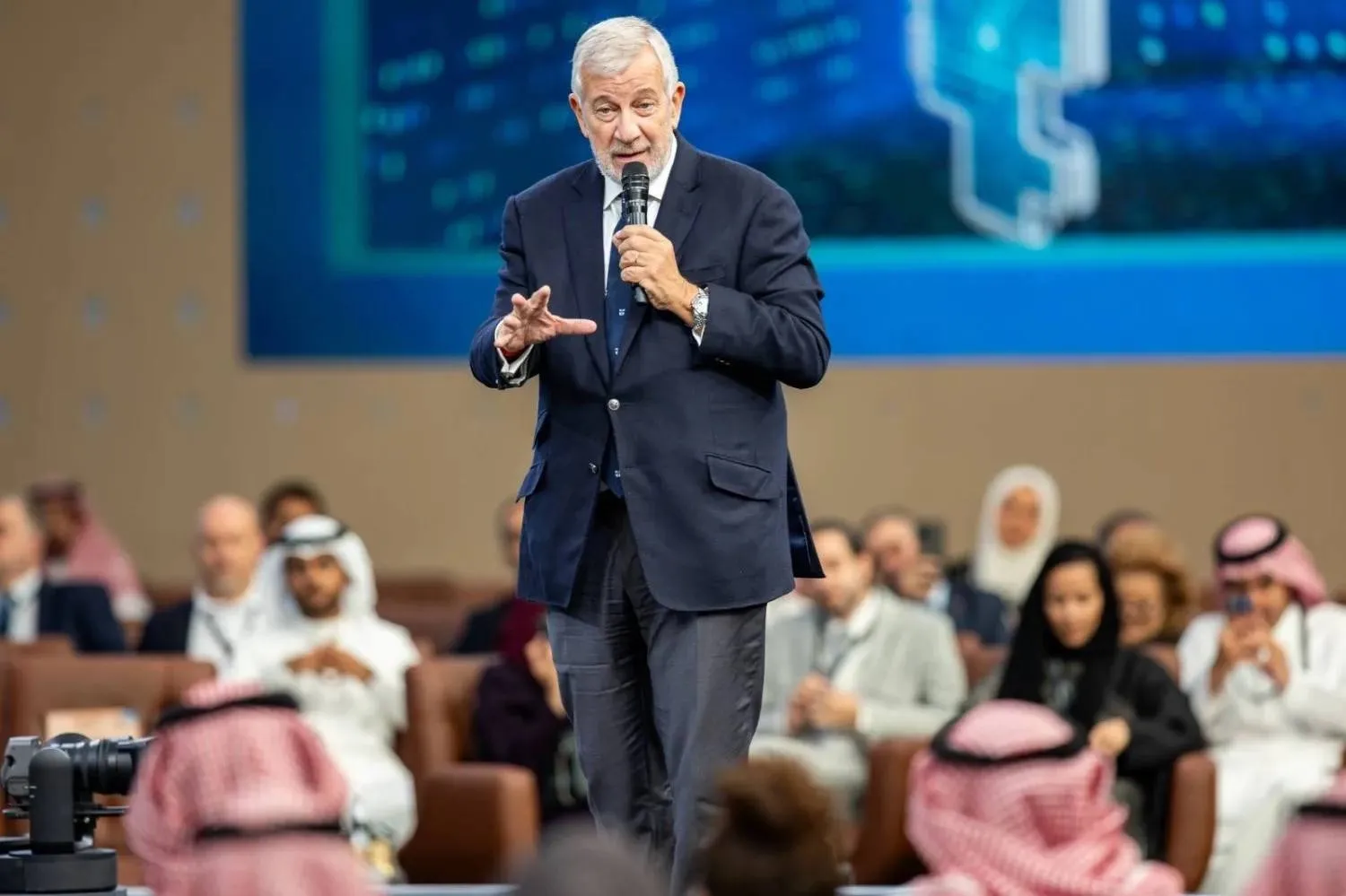
Richard Attias, Chairman of the Executive Committee and Acting CEO of the Future Investment Initiative Institute (official website)
- Riyadh: Asharq Al Awsat
The closing sessions of the ninth edition of the Future Investment Initiative (FII) showcased the accelerating growth of Saudi Arabia’s investment landscape, highlighting a 20% surge in the asset management sector over the past year.
The expansion was driven by a broader range of investment categories and a growing investor base, pushing total assets under management to about 1.2 trillion riyals ($320 billion) amid a clear boom in private credit, real estate, and venture capital.
Discussions at the event also reflected the major strides made by the Saudi financial market, now ranked among the world’s top 10 by market capitalization, which has exceeded $2.7 trillion.
The diversity of investment instruments and the growing number of listed companies have reinforced the Kingdom’s position as an open regional financial hub and a key player in driving global liquidity and investment flows.
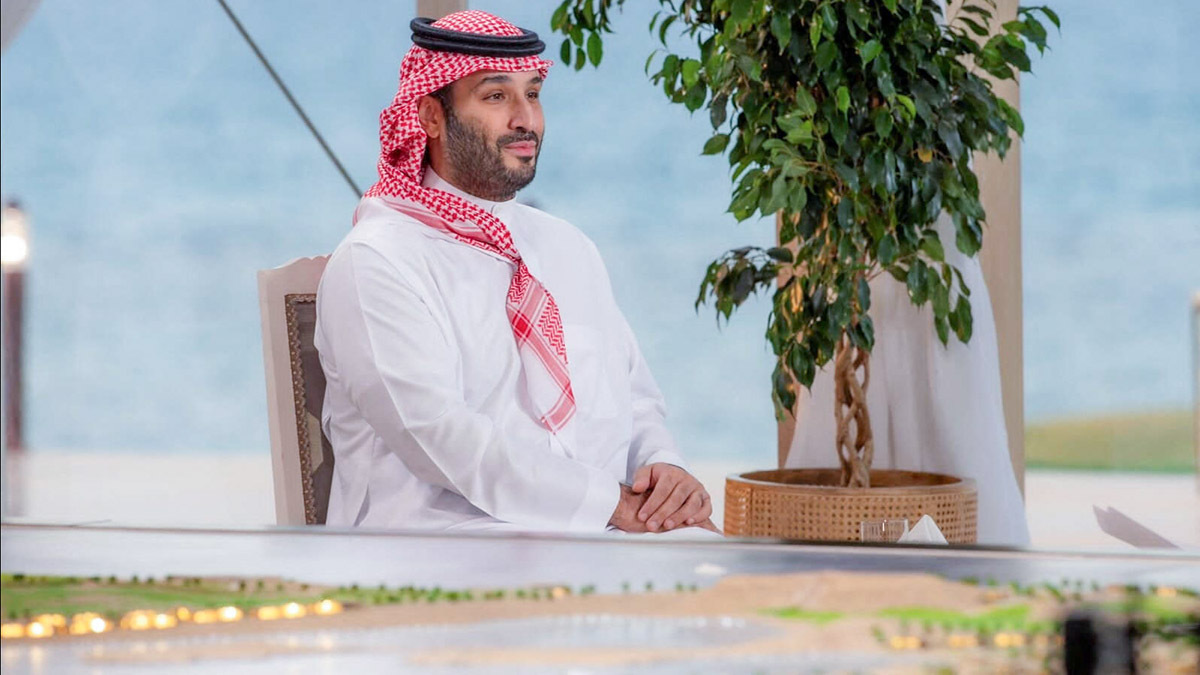
Delivering the closing remarks at FII9, Richard Attias, Chairman of the Executive Committee and Acting CEO of FII Institute, reflected on the foresight and leadership of Crown Prince Mohammed bin Salman, whose realization of Vision 2030 is heralding an era of collective prosperity unlike any seen before.
Attias called on the world to continue this “global movement” toward shared prosperity, noting that the journey will continue over the next five years with upcoming editions in Tokyo, Miami, Milan, and Istanbul.
He described the 10th anniversary of the FII as a “landmark milestone” in the evolution of what has become the world’s leading platform for dialogue on the future of the global economy.
Innovation in Focus
On the final day of the conference, Yazeed Al-Humied, Deputy Governor and Head of Middle East and North Africa Investments at the Public Investment Fund (PIF), said total assets under management in Saudi Arabia have topped 1.1 trillion riyals ($293 billion).
He stressed that PIF plays a key role in boosting national economic growth and developing the local capital market.
The progress and transformation we’ve seen in recent years have truly been remarkable, he said, revealing that PIF paid 700 million riyals in fees to registered asset managers in 2024.
Al-Humied said the Fund’s efforts focus on four main priorities: promoting product innovation, developing emerging asset managers, attracting major global firms, and nurturing local talent.
He noted that PIF continues to develop innovative products and solutions across various asset classes and financial markets to expand investor options.
For example, through investment in the BlackRock Middle East Infrastructure Fund, the Kingdom attracted 75 billion riyals ($20 billion) in foreign direct investment, which was deployed into key projects including Aramco’s gas pipeline, he said.
He also pointed to the launch of new exchange-traded funds (ETFs) aimed at attracting more foreign investment and diversifying institutional portfolios, adding that the Fund has introduced three ETFs over the past two years across eight global markets.
Growth in Fixed-Income Instruments
Mohammed El-Kuwaiz, Chairman of the Saudi Capital Market Authority (CMA), confirmed that the asset management sector grew by around 20% last year, driven by diversified products and investment classes that support projects and market development despite a relatively stable capital market.
El-Kuwaiz said the growth in managed assets stemmed from the variety of investment sectors and products, including real estate, fixed-income instruments, and venture capital, the fastest-growing segments within Saudi Arabia’s asset management industry.
He added that the expanding investor base also helped drive growth, with third-party managed assets now outpacing those linked to PIF, bringing total managed assets this year to about 1.2 trillion riyals ($320 billion).
He noted that the private credit sector recorded the fastest growth rate among all investment types, doubling its managed assets over the past year, reflecting rising demand for credit and emerging opportunities, particularly in low-risk, yield-generating segments.
Private credit assets now stand at around 5 billion riyals ($1.3 billion), a relatively modest portion of the total 1.2 trillion-riyal asset management industry, he added.
Expanding the Investor Base
Meanwhile, Khalid Al-Hussan, CEO of the Saudi Stock Exchange “Tadawul Group,” said the Saudi market has become one of the world’s top 10 by market capitalization, with listed equities now exceeding $2.7 trillion and more than 380 companies traded.
The market also features a robust bond market and multiple fund platforms.
He said this transformation underscores the sweeping structural shift taking place in the Saudi market toward diversification and global integration, in line with Vision 2030.
Before Vision 2030, the market focused solely on local equities with fewer than 100 listed companies and a market cap below $400 billion, Al-Hussan said, adding that the market now is a diverse, open, and globally connected marketplace with integrated equity and debt channels.”
He added that the market’s regulatory framework continues to evolve under Vision 2030, expanding access, deepening liquidity, and introducing new alternative assets and investment opportunities.
Foreign ownership in the Saudi market has now exceeded $110 billion, with participation from more than 4,400 qualified foreign investors, he said, underscoring ongoing efforts to broaden the investor base and enhance market accessibility.
Saudi Arabia Wraps Up FII Summit Spotlighting Global Economic Future
The closing sessions of the ninth edition of the Future Investment Initiative (FII) showcased the accelerating growth of Saudi Arabia’s investment landscape, highlighting a 20% surge in the asset management sector over the past year. The expansion was driven by a broader range of investment...
english.aawsat.com
Lenovo Nears Completion of One of its Largest and Most Advanced Global Factories in Saudi Arabia

Winston Cheng, Chief Financial Officer of Lenovo (Photo: Turky Alagili)
- Riyadh: Abir Hamdi
Lenovo has announced that it is close to completing one of its largest and most advanced manufacturing facilities worldwide in the Saudi capital Riyadh, as part of an investment worth hundreds of millions of dollars. The move marks a major strategic expansion for the Chinese technology giant in the region.
Winston Cheng, Chief Financial Officer of Lenovo, told Asharq Al-Awsat that the new plant will be the company’s “most comprehensive” facility globally, integrating production lines for desktop and laptop computers, smartphones, and servers in a single location.
The factory, covering 200,000 square meters, is being built at Riyadh Integrated — a site managed by the Special Integrated Logistics Zone (SILZ) — and has been designed according to the highest sustainability standards. Once operational, it will produce millions of desktops, laptops, and servers bearing the “Made in Saudi Arabia” label.
The project is being developed in partnership with ALAT, a subsidiary of the Public Investment Fund (PIF) specializing in driving industrial transformation in the Kingdom.
Cheng said the project is progressing rapidly, noting that around 2,000 employees have already been hired within nine months and that construction is nearing completion. Pilot production tests are expected to begin in December, with full-scale commercial operations slated for the second half of next year.
According to Cheng, the company has imported 10,000 tons of steel for construction and installed 12 megawatts of rooftop solar panels to ensure compliance with environmental, social, and governance (ESG) standards.
He stressed that Lenovo aims for the facility to serve as a regional model of low-cost, sustainable manufacturing.
The project follows the completion of a $2 billion investment deal announced in January 2025, after receiving shareholder and regulatory approvals. The investment was made through three-year, zero-interest convertible bonds.
Cheng explained that the new factory is part of Lenovo’s broader plan to expand its presence across the Middle East, noting that the company has relocated its regional headquarters from the United Arab Emirates to Riyadh and is establishing research and development centers alongside the production plant.
He highlighted that employing Saudi talent is a cornerstone of Lenovo’s partnership with the local government, adding that the company’s rapid progress “would not have been possible without the contribution of local expertise.”
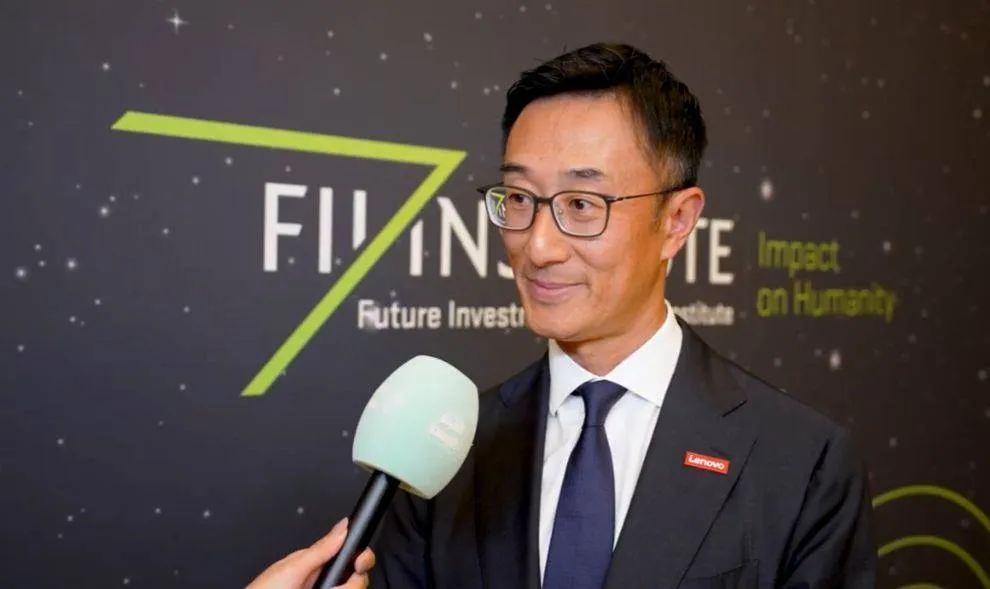
Lenovo Nears Completion of One of its Largest and Most Advanced Global Factories in Saudi Arabia
Lenovo has announced that it is close to completing one of its largest and most advanced manufacturing facilities worldwide in the Saudi capital Riyadh, as part of an investment worth hundreds of millions of dollars. The move marks a major strategic expansion for the Chinese technology giant in...
english.aawsat.com
As part of FII9
@alat_tech
is preparing to open its first factory in Riyadh to produce computers and servers in 2025, with plans to start manufacturing smartphones in 2026
— Highlights:
• Local manufacturing of computers and servers
• Smartphone manufacturing next year
• Localization of the digital devices industry
Launch of the Thuraya Fund for Educational Technologies valued at 100 million dollars during FII9, led by Oasis Capital and FAM Holding to support innovation in digital education and skills development.
— The Impact:
• Enabling Saudi education and technology companies to expand
• Supporting skills development and digital entrepreneurship
At #GlobalHealthForum25, we spotlight the participation of the communications powerhouse
@GOTelecomKSA
and its role in enabling the digital transformation of the health sector
— Through
• The biotechnology platform
• Integrated cloud solutions for health sector products
•Technologies supporting decision-making and enhancing the quality of healthcare services in the Kingdom
#Lafyera, one of the companies of the Public Investment Fund, signs 7 strategic partnerships to localize the manufacturing of vaccines and biological medicines
— The Objective:
• Collaboration with MSD and Pfizer and Sanofi and GSK
• Development of cellular and genetic therapies in collaboration with the King Faisal Specialist Hospital and Research Centre
• Supporting self-sufficiency and enhancing national public health security
Humain
@HUMAINAI
in partnership with Qualcomm launches the first integrated AI infrastructure in Saudi Arabia
— Details:
• Operational capacity of 200 megawatts
• Relies on advanced AI200 and AI250 systems
• Enables government entities to run models locally
• Builds a national AI ecosystem
Last edited: