Pakistan Agriculture News / Discussions

They should get rid of NOC for setting up sugar mills. That will get half of the work done. Currently sugar mills are owned by a very specific community, if they open it up it will reduce the monoply of mills owners!
 
The government of Pakistan’s decision to fully deregulate the sugar sector is a landmark step toward market-driven reforms that will reduce state intervention and promote efficiency across the agricultural value chain, experts said.

While talking to Business Recorder Arif Habib Commodities CEO Ahsan Mehanti said the government has taken a major decision to fully deregulate the sugar sector under commitments made with the International Monetary Fund (IMF), aiming to end subsidies and strengthen fiscal discipline.

Under the new mechanism, the government will no longer set minimum prices for sugarcane or intervene in export decisions. Instead, market forces will determine prices and trade flows, marking a significant shift toward a free-market framework, Mehanti explained.

Meanwhile, Pakistan Business Forum (PBF) Chief Organiser Ahmad Jawad said deregulation, if implemented in its true spirit, has the potential to enhance efficiency, promote competition, and improve long-term sustainability of the sector.

Under the new policy, farmers will have complete freedom to cultivate sugarcane, without any restrictions on the varieties they grow or the zones in which they plant and the government will no longer regulate sugarcane prices.


Jawad said the decision to allow farmers to sell their crop to any mill of their choice is a positive and long-overdue reform, as it empowers farmers and fosters healthy competition among sugar mills.


In a truly deregulated environment, sugar mills would be forced to offer competitive prices and improved payment terms to secure sugarcane, helping to address long-standing issues such as delayed payments and the weak bargaining position of farmers, Jawad added.


“Fair market prices for sugarcane should be set through competition among mills rather than by administrative pricing mechanisms.”


“At the same time, the government must ensure strict oversight to curb anti-competitive practices, market manipulation, or collusion that could harm farmers and consumers. Deregulation should not create a regulatory vacuum, but instead be backed by robust enforcement of competition laws and transparent market monitoring”, he said.
Legitimised corruption
 

Banks engage with ‘viable’ agri-loan initiative


The Newspaper's Staff Reporter
January 9, 2026

KARACHI: The Pakistan Banks Association (PBA) says banks are willingly engaging with the recently-launched Zarkhez-e (Asaan Digital Zarai Qarza) initiative because it is structured as a commercially viable incentive scheme.

Referring to a Dawn story titled ‘The flaws of coercive sustainability’, published in the Business and Finance Weekly on Jan 5, a PBA spokesperson argued that a key distinction of Zarkhez-e is that eligibility of the borrower does not equate to entitlement. The decision of who to lend to and who not to lend to, rests squarely with banks.

He said banks also remain free to obtain security and collateral in line with their internal risk policies. He insisted that the banking industry’s participation in this scheme was not a result of pressure from the State Bank or the Ministry of Finance.

The PBA, however, acknowledged that a weak recovery framework was indeed a challenge for the banking sector. But the Zarkhez-e scheme has been designed to mitigate these legal risks through government-backed incentives: a 10pc first-loss guarantee as a tangible buffer against default and optional crop loan insurance as a tool to de-risk the portfolio, though, he said.

The spokesperson maintained that combined with real-time Nadra ID verification, PMD mobile SIM verification against CNIC, and the Land Information Management System for digital agronomic data, these cogent incentives make participation a logical business decision.
 

Pakistani, Chinese Researchers Develop Smart Irrigation Approach to Protect Crops from Heat​


By Tahir Ali | Gwadar Pro
Jan 15, 2026

Pakistani, Chinese Researchers Develop Smart Irrigation Approach to Protect Crops from Heat


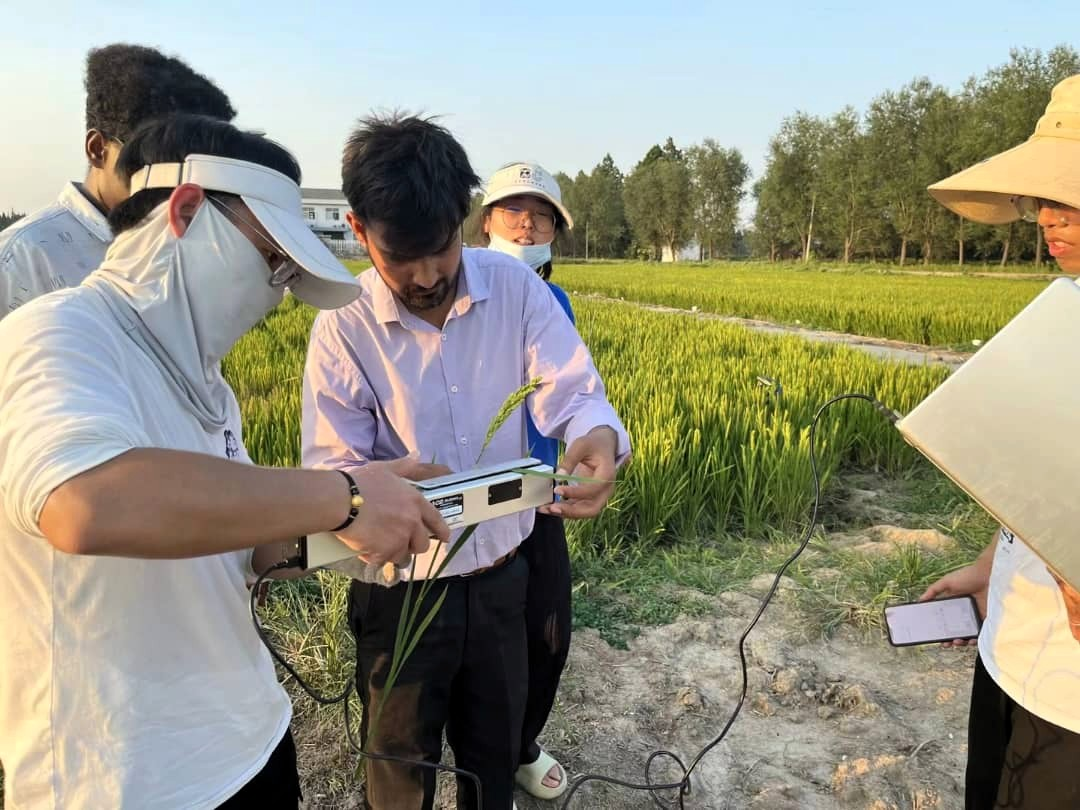
Dr. Imran Ali Lakhiar (center) examines leaf area using portable leaf area meter during a field experiment with Chinese colleagues. [Photo provided to Gwadar Pro]

ZHENJIANG - Pakistani and Chinese agricultural researchers have developed a temperature-responsive irrigation approach that could help protect crops from rising heat while improving water efficiency, according to a peer-reviewed study published in the international journal Irrigation Science on January 6.

The research was conducted by a joint team from China and Pakistan, including Pakistani researcher Dr. Imran Ali Lakhiar, alongside Chinese Scientists Professor Chuan Zhang and Professor Haofang Yan, and other experts from agricultural engineering institutions in China.
 
The study examines how precision irrigation systems, combining drip irrigation, micro-sprinklers and temperature-based control, can reduce heat stress on crops while conserving water, an issue becoming more urgent as climate change drives higher temperatures and frequent heatwaves.

“Water is considered one of the vital natural resources and factors for performing short- and long-term agricultural practices on Earth,” the authors wrote, warning that the agriculture sector utilizes around 70% of available freshwater annually to irrigate only 25% of the arable land.

According to the researchers, traditional irrigation practices are increasingly unable to cope with climate variability. In contrast, precision irrigation systems adjust water application based on real-time temperature, soil moisture and plant needs, helping crops maintain healthier physiological activity during periods of extreme heat.

The study found that properly regulated micro-sprinkler irrigation improves the cooling environment around plants by lowering air and leaf temperatures, which supports photosynthesis that is often suppressed when temperatures exceed optimal levels.
 
Pakistani, Chinese Researchers Develop Smart Irrigation Approach to Protect Crops from Heat


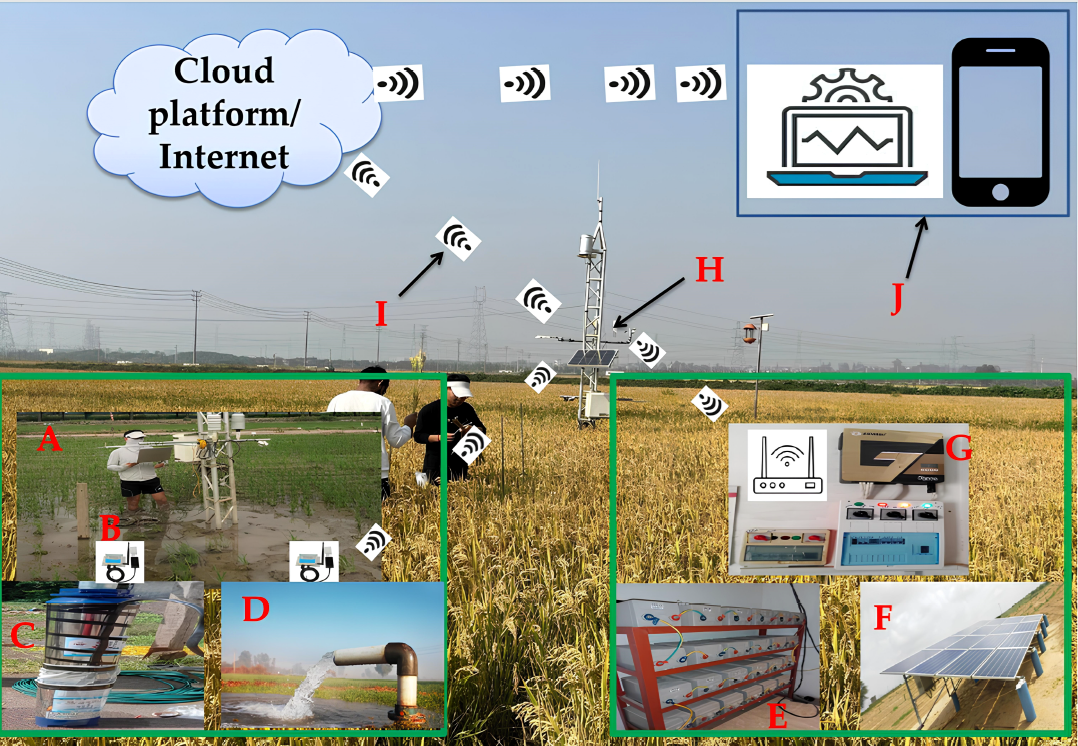
The diagram shows how field sensors send real-time data to a cloud platform, enabling remote monitoring and control of smart irrigation systems. [From the paper]

“Precision irrigation methods have appeared as game-changers in the traditional agriculture sector for efficient water utilization and management,” the authors said, adding that such systems can significantly enhance water-use efficiency while reducing environmental footprints.

Speaking to Gwadar Pro, Dr. Imran Ali Lakhiar said the findings are particularly relevant for Pakistan, where heat stress and water scarcity are increasingly affecting both open-field and greenhouse farming.

“In Pakistan, rising temperatures and inefficient water use are major challenges for farmers,” Lakhiar told Gwadar Pro. “If precision irrigation systems like these are adapted to local conditions, they can help farmers cool crops during heatwaves, reduce water losses and protect yields.”

Lakhiar said modern pressure-driven irrigation systems are far more efficient than conventional methods. He said the study reported water application efficiencies of 50–70% for furrow irrigation, 40–60% for border irrigation and about 40% for basin irrigation, compared with 65–95% for drip irrigation and 50–90% for sprinkler systems.
 
the pilot projects and field-scale trials would be an important next step before wider adoption in Pakistan, particularly in arid and semi-arid regions.

Pakistani, Chinese Researchers Develop Smart Irrigation Approach to Protect Crops from Heat


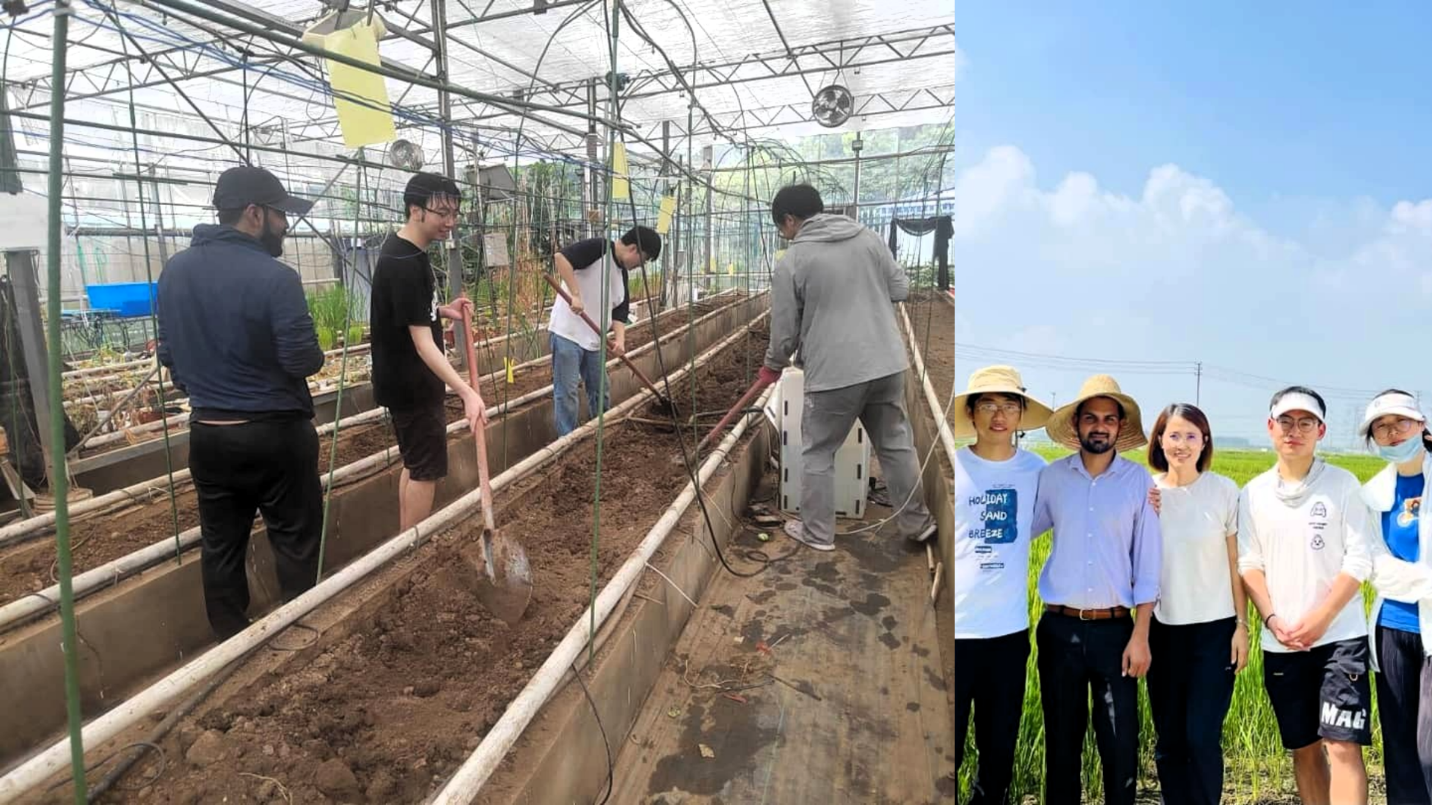
Pakistani and Chinese researchers conduct joint greenhouse experiments, highlighting Sino-Pak collaboration in agricultural research. [Photo provided to Gwadar Pro]

“These systems are flexible and scalable,” he said. “They can be applied in greenhouses, small farms or larger commercial operations, depending on local needs and resources.”

“As the water scarcity problem intensifies due to climate change and population growth, precision irrigation is poised to play a critical role in optimizing and modernizing water usage,” the researcher said while quoting their study’s conclusion.

He added that the climate-responsive irrigation technologies could support sustainable agricultural development, improve food security and help farmers adapt to long-term climate impacts.
 

Ten key sectors open for investment at Pakistan-China Agriculture Conference​

By Tahir Ali | Gwadar Pro
Jan 13, 2026

ISLAMABAD - Pakistan has intensified efforts to draw Chinese investment into its agriculture sector ahead of the Pakistan–China Agriculture Investment Conference 2026, as authorities prioritize investment-ready and commercially viable projects over policy discussions.

Officials at the Ministry of National Food Security & Research (MNFSR) say the conference, scheduled for January 19 in Islamabad, is focused on presenting Chinese investors with concrete opportunities across ten priority agricultural sectors identified for their strong growth potential, scalability, and alignment with Chinese market demand.

These sectors include agri-chemicals and farm inputs; agri-technology and precision agriculture solutions; food processing and value addition; the meat and poultry industry; dairy inputs and processed dairy products; fruits and vegetables covering production, cultivation, processing, and exports; animal feed and related value chains; fisheries and aquaculture including processing; cold chain systems and agriculture logistics; and food-grade packaging materials and equipment.
 

Basmati boom propels Pakistan past Vietnam


Amjad Mahmood
January 18, 2026

LAHORE: Pakistan’s rice exports recorded a strong rebound in December 2025, registering a 14 per cent month-on-month (MoM) increase compared to November, primarily driven by a more than 50pc surge in Basmati shipments.

The impressive performance enabled Pakistan to overtake Vietnam and emerge as the world’s third-largest rice exporter, behind India and Thailand, during the month.

According to trade data, Pakistan exported 489,000 tonnes of rice in December 2025, excluding shipments to Iran, compared to Vietnam’s 387,000 tonnes. This marks Pakistan’s best monthly rice export performance, underscoring renewed momentum in the sector.

The UAE remained the top destination for Pakistani rice, importing 74,897 tonnes, including 16,850 tonnes of Basmati. China followed closely with 74,685 tonnes, while other major destinations included Tanzania (62,900 tonnes), Kenya (60,300 tonnes), Ivory Coast (41,700 tonnes), Guinea-Bissau (31,850 tonnes), Malaysia (23,930 tonnes), Madagascar (17,800 tonnes), Kazakhstan (17,050 tonnes), Saudi Arabia (16,032 tonnes, including 5,350 tonnes of Basmati), the EU and UK combined (21,100 tonnes, including 15,600 tonnes of Basmati), Oman (5,770 tonnes), the United States (2,230 tonnes), and Canada (1,321 tonnes).
 

Pakistan, China set to ink MoUs in 10 agri-sectors

Amin Ahmed
January 20, 2026

• Over 300 local, Chinese firms attend investment summit
• PM says agriculture can be transformed ‘within months’ with Beijing’s support


ISLAMABAD: Pakistan and China are set to sign multiple memorandums of understanding (MoUs) for private-sector joint venture investments worth millions of dollars across 10 key sectors of agriculture, it emerged from the Pakistan-China Agricultural Investment Conference held in Islamabad on Monday.

The sectors in which agreements are expected to be signed include agriculture, food processing, livestock, fisheries, agri-inputs, farm machinery, renewable energy, logistics, technology and value-added exports.

The conference drew strong participation from the private sectors of both countries, with 119 companies from China and 191 companies from Pakistan in attendance, reflecting growing bilateral commercial interest.


Agriculture has been officially elevated as a priority area of cooperation under the second phase of the China-Pakistan Economic Corridor (CPEC).

The 10 priority sub-sectors identified for investment include agro-chemicals and inputs, agricultural machinery and solutions, food processing and value addition, meat and poultry, dairy inputs and processed products, fruits and vegetables, animal feed and related value chains, fisheries and aquaculture, cold chain systems and agricultural produce logistics, and food-grade packaging materials and equipment.
 
Pakistan’s agricultural landscape reflects a challenging paradox: despite fertile land, low labour costs and a large domestic market, the country faces an estimated productivity gap of $95 billion due to low technology penetration and inadequate infrastructure.

Addressing the conference, Minister for National Food Security and Research Rana Tanveer Hussain said the ministry was fully committed to supporting Chinese investors, from facilitating regulatory processes to ensuring seamless coordination with all relevant government departments and institutions.

He said the government’s objective was not merely to attract investment, but to make Pakistan a destination where Chinese enterprises could grow, innovate and succeed alongside Pakistani partners.

Addressing the conference, Prime Minister Shehbaz Sharif said Pakistan, being an agrarian economy, held immense and largely untapped potential in agriculture and could transform the sector not in years, but in months, by adopting modern technologies, improving productivity and strengthening cooperation with China.
 
Article is long so here is AI summary.

The article "Chasing a Green Illusion," published on January 10, 2026, details the unraveling of the Green Pakistan Initiative (GPI), an ambitious state project intended to transform the Cholistan desert into corporate farmland to ensure national food security.

Here is a summary of the key findings:

1. Operational Failure and Investor Withdrawal

  • Exodus of Companies: Major investors are withdrawing or scaling back. Unity Food group is reportedly leaving, while other entities like Airlink Communications, Beaconhouse, and SinoPak Guangdong are scaling down operations or laying off staff.
  • Harsh Realities: Despite promises of abundant resources, companies face a lack of basic infrastructure (roads, electricity) and an extremely hostile climate. Sandstorms have repeatedly destroyed cash crops like cotton.
  • Water Crisis: The fundamental flaw is the lack of viable water. Groundwater in Cholistan is highly saline (high TDS levels), making it unsuitable for major crops like wheat. Consequently, many farms have been forced to grow only Rhodes grass (cattle fodder) for export to the UAE, rather than food for Pakistan.
2. The Water Controversy

  • Unviable Plans: The government's plan to dig a canal from the Sutlej River is mathematically and politically fraught. Experts argue the canal cannot provide enough water for the allocated land.
  • Political Tension: Diverting water from the Sutlej is controversial because the river's rights were assigned to India under the Indus Water Treaty, and within Pakistan, the province of Sindh opposes further diversions by Punjab.
  • Broken Promises: Alternative solutions proposed by consultants, such as riverbed filtration systems, have not been implemented, leaving investors with dry or saline land.
3. Social Displacement and Resistance

  • Evictions: To make way for corporate farming, the state is evicting tenant farmers who have tilled state lands for generations (some since 1947). This is occurring in areas like Rakh Ghulaman, Ehsanpur, and Muhammad Nagar.
  • Farmer Resistance: Affected farmers have organized legal defenses and protests under the slogan malki ya moat ("ownership or death"), successfully obtaining temporary stay orders from the courts against their eviction.
ConclusionThe article characterizes the project as a failure that has not only missed its agricultural targets—producing fodder instead of food—but has also sparked significant social unrest by displacing vulnerable local populations.
 
Article is long so here is AI summary.

The article "Chasing a Green Illusion," published on January 10, 2026, details the unraveling of the Green Pakistan Initiative (GPI), an ambitious state project intended to transform the Cholistan desert into corporate farmland to ensure national food security.

Here is a summary of the key findings:

1. Operational Failure and Investor Withdrawal

  • Exodus of Companies: Major investors are withdrawing or scaling back. Unity Food group is reportedly leaving, while other entities like Airlink Communications, Beaconhouse, and SinoPak Guangdong are scaling down operations or laying off staff.
  • Harsh Realities: Despite promises of abundant resources, companies face a lack of basic infrastructure (roads, electricity) and an extremely hostile climate. Sandstorms have repeatedly destroyed cash crops like cotton.
  • Water Crisis: The fundamental flaw is the lack of viable water. Groundwater in Cholistan is highly saline (high TDS levels), making it unsuitable for major crops like wheat. Consequently, many farms have been forced to grow only Rhodes grass (cattle fodder) for export to the UAE, rather than food for Pakistan.
2. The Water Controversy

  • Unviable Plans: The government's plan to dig a canal from the Sutlej River is mathematically and politically fraught. Experts argue the canal cannot provide enough water for the allocated land.
  • Political Tension: Diverting water from the Sutlej is controversial because the river's rights were assigned to India under the Indus Water Treaty, and within Pakistan, the province of Sindh opposes further diversions by Punjab.
  • Broken Promises: Alternative solutions proposed by consultants, such as riverbed filtration systems, have not been implemented, leaving investors with dry or saline land.
3. Social Displacement and Resistance

  • Evictions: To make way for corporate farming, the state is evicting tenant farmers who have tilled state lands for generations (some since 1947). This is occurring in areas like Rakh Ghulaman, Ehsanpur, and Muhammad Nagar.
  • Farmer Resistance: Affected farmers have organized legal defenses and protests under the slogan malki ya moat ("ownership or death"), successfully obtaining temporary stay orders from the courts against their eviction.
ConclusionThe article characterizes the project as a failure that has not only missed its agricultural targets—producing fodder instead of food—but has also sparked significant social unrest by displacing vulnerable local populations.


Guess who made this fucking dumbest plan and called it a green revolution ?

Uneducated Matric pass Failed martial and his bitch .
Now when you are so astronomically stupid to pick the most arid land … make millions from companies willing to invest and then pocket all that money …..


Another MAGA corruption scandal of our Generals and Patwari alliance …


IMG_3449.png
 

Users who are viewing this thread

Pakistan Defence Latest

Country Watch Latest

Back
Top