How India "blinded, numbed and paralysed" Pakistan Air Force, set it back "atleast five years"
View attachment 195945
New Delhi [
India], May 28 (ANI): In Operation
Sindoor against
Pakistan, the
Indian
Air Force used air launched cruise
missiles, long range stand off weapons and loitering munitions of different types which "blinded, numbed and created a decision paralysis" in the
Pakistan Air Force in four days forcing it to seek ceasefire with
India said sources who were part of the decision making process during the operation.
In the four-day conflict, the
Indian
Air Force carried out operations in a clinical manner, which led to major destruction of the
Pakistani
Air Force on both ground and in the air, sources in the defence and security establishment told ANI.
The major action took place between the two sides on intervening night of May 9th-10th and continued till the afternoon of May 10th wherein air bases along the length and breadth of
Pakistan were targeted by
India conveying a strong message that "we (
India) can go deep, we can go wide and you (
Pakistan) can do nothing about it."
After
India had attacked terror bases in
Pakistan on the night of May 6th-7th, including the terror hubs in Bahawalpur and Muridke in
Pakistani Punjab, the
Pakistani side retaliated by firing
missiles at military targets in
India, which failed to leave a mark due to a strong multi-tier Air Defence system.
The
Indian
Air Force took the decision that in retaliation, it would first deal with the air defence network of the
Pakistan Army which is deployed along the entire border with
India including old American origin and Chinese radars and surface to air
missiles of Chinese origin including the HQ-9s with maximum range of around 250 Km plus.
Sources told ANI that the
Indian
Air Force used multiple methods to deal with the air defence radars by targeting the radar stations situated in the
Pakistani Punjab area, and 4-5 of them were taken out by the Harop and Harpy loitering munitions. The targets destroyed by the
Indian weapons also include a launcher site of the Chinese air defence missile system.
The targeting of the air defence network, including Lahore, created major gaps in the
Pakistan Air Force's capability to monitor
Indian activities from May 7th to 8th onwards.
However, "blinded" by the destruction of its radar network in major areas, the
Pakistani
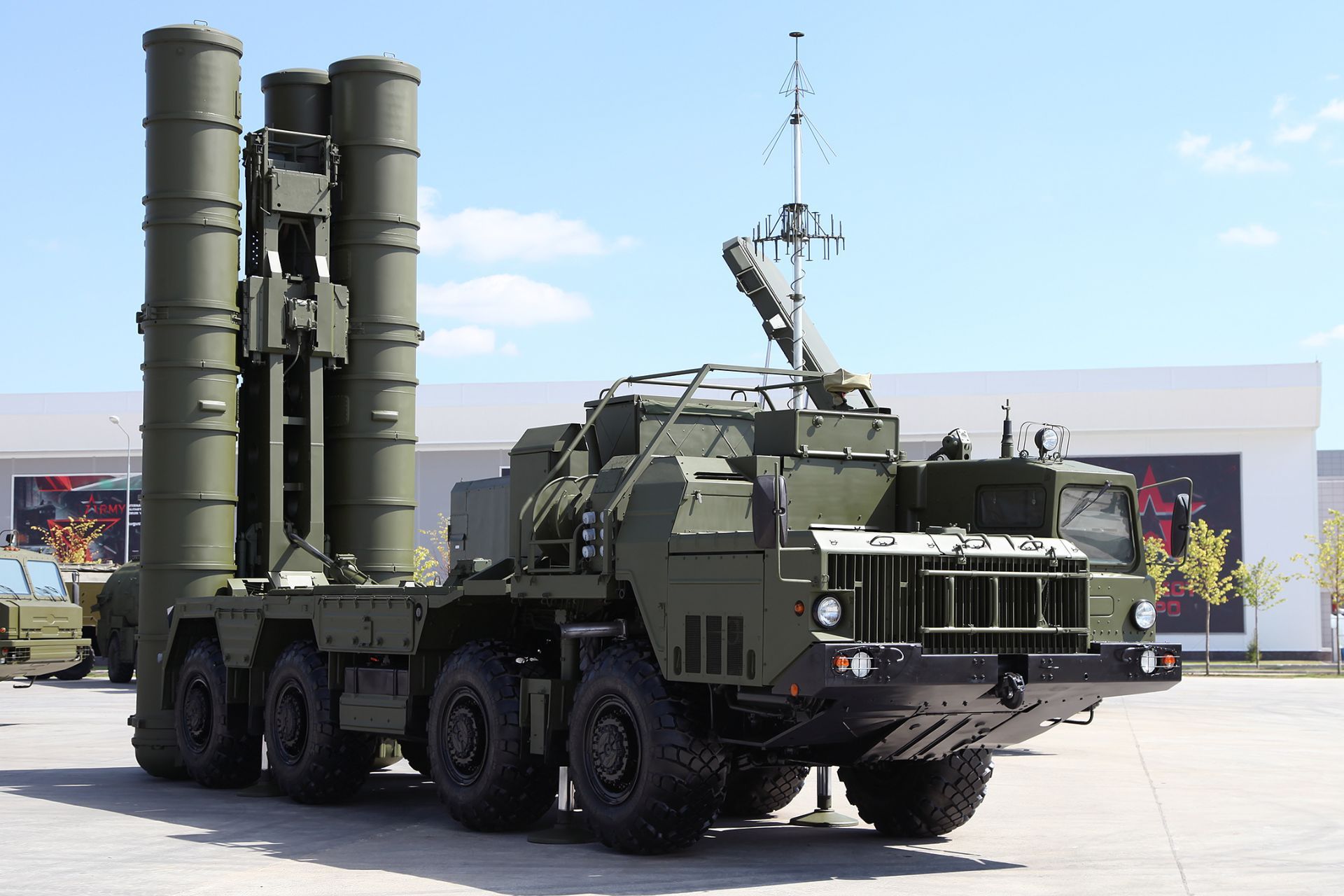
Air Force was still flying very deep within their territory to avoid the wrath of Sudarshan S-400, Saksham, Shaurya, Samar and Akash air defence
missiles which had been deployed very strategically on the front, the sources said.
The
Pakistanis on May 8 evening responded with Turkish and Chinese drones to saturate
Indian air defence networks but could not do so as the entire
Indian air defence network from Siachen to Naliya was highly active including the small calibre L-70 and Zu-23 air defence guns which were doing major damage to
Pakistani drone attacks along with the big air defence weapons of the
Air Force and
Army.
The
Indian
Army was also causing major damage to the
Pakistan Army and keeping it fully engaged in the areas opposite Jammu and Kashmir, using its artillery guns and rocket launchers overwhelmingly.
The
Indian
Air Force on May 9th went in to aggressive mode by destroying the command and control (C2) centres of the
Pakistan Air Force at the Chaklala, Sargodha and Murid air bases which were giving a battlefield picture to the
Pakistan air defence networks which had been majorly affected by
Indian attacks the day before that.
View attachment 195950
The C2 centres at the three
Pakistani bases were taken out by the three major weapons, including the world's fastest air-launched supersonic cruise
missiles, Rampage and the Scalp. The Mirages, Rafales, Su-30s and the MiG-29s have been equipped with these
missiles in the last 5-10 years.
View attachment 195948
The extensive damage caused to the three command and control centres "numbed" the
Pakistani
Air Force as they were not able to communicate or see the complete battlefield picture as there was no link between the Advanced Early Warning and Control system aircraft of PAF and their ground stations and the fear of Sudarshan from the May 6-7 night had forced them to go deep within a narrow
Pakistan air space and hiding behind civilian aircraft was being adopted as deliberate tactics by them.
View attachment 195949
On the same evening on May 9-10, around 1 AM, the
Pakistan Air Force mustered courage and started launching attacks using surface-to-surface tactical
missiles and fighter aircraft.
The major bases which they trying to target were the Adampur base and two high-value assets in Punjab and Gujarat, respectively, the sources said.
The
Indian air defence
missiles, especially the indigenous ones, played a key role in thwarting the attacks by intercepting the Chinese weapons. The sources said the low quality of weapons launched by
Pakistan was so inept that some fell almost completely intact, only to be recovered later by industrious locals on the ground and handed over to
Indian defence forces.
The
Indian
Air Force started its action to create a "decision paralysis" by attacking
Pakistani air bases in Sargodha, Rafiqui, Rahimyarkhan, Jacobabad, Bholari and a Cantonment in Karachi on the morning of May 10.
The
Indian attack was launched from deep inside
Indian territory using long-range, precision weapons, with no surface-to-surface
missiles involved. The
missiles hit targets in
Pakistan and caused major destruction with pinpoint accuracy and intelligence.
The
Pakistani air base in Bholari was targeted at a hangar which housed a Saab 200 AEW&C airborne radar and surveillance aircraft along with at least 3-4 western-origin fighter aircraft of the
Pakistan Air Force.
View attachment 195947
The destruction caused was massive, and the
Pakistani
Air Force has not yet started taking out debris inside the hangar. One of the air bases in the Punjab sector saw three
missiles being fired at different parts of the runways, and the aircraft were not able to fly for at least eight hours.
The
Indian attack was being monitored by the satellites as well as
Indian AWACS aircraft. At the beginning of the Operation
Sindoor, the top leadership had conveyed a message to the forces that the
strikes at terrorist hubs and universities must be big enough to send across a strong message to terrorists' backers in the
Pakistani military.
The forces had got the message that they won't have to be content with dropping a relatively smaller payload.
The destruction caused by the
missiles, which has been shown mainly by social media and
Pakistani networks at the terror hubs, also shows how the
missiles breach the targets through one hole on rooftops and create massive destruction in the buildings targeted by them.
The same small hole on the rooftop could also be seen in the Jaish building targeted by the
Indian
Air Force in 2019 Balakot attacks, and one can make out the destruction that it must have caused there, the sources said.
The in-built systems of tracking and observing targets by the special munitions used to destroy radar stations and air defence networks have also given video evidence to the
Indian
Air Force, and they have been showcased to the top political and military leadership.
The attacks against the
Pakistani
Air Force have taken them at least five years back and caused great damage to them and their Chinese and Turkish inventory of weapons, which could not stand even against vintage Pechora and OSA-AK Russian origin air defence systems.
The sources said that the real capabilities of the Sudarshan S-400 air defence systems could be seen during the night of May 9-10, as it was firing and thwarting all types of
missiles and aircraft attacks on
Indian military assets.The Sudarshan could have created a record of sorts by hitting targets at very long ranges. Technical analysis of the targets engaged by the
Indian
missiles is on at the moment and it is going to take some more days for the
Indian
Air Force to be able to put out a full picture as it wants to be "500 per cent sure" of official claims to be made by it, added the source to ANI.
Sources said that the unexpected attitude of the
Indian
Air Force in the skies and the
Indian
Army on the ground made the
Pakistanis and their western colleagues seek a ceasefire early in the morning of May 10, and they were in touch with their
Indian national security counterparts.
Sources said that attacks were carried out by a "large package of aircraft from North to South" using long-range vectors, which produced desired results in sending across a strong
Indian message. (ANI)


 your own BJP minister confirmed at least 5 of your aircraft shot down. Man a certain tunni bahkt sure is butt hurt from the spanking the IAF received last May.