Indian Air Force News and Discussions ll

Since operation Sindoor
India has ordered the enormous successful weapons of used on huge scales

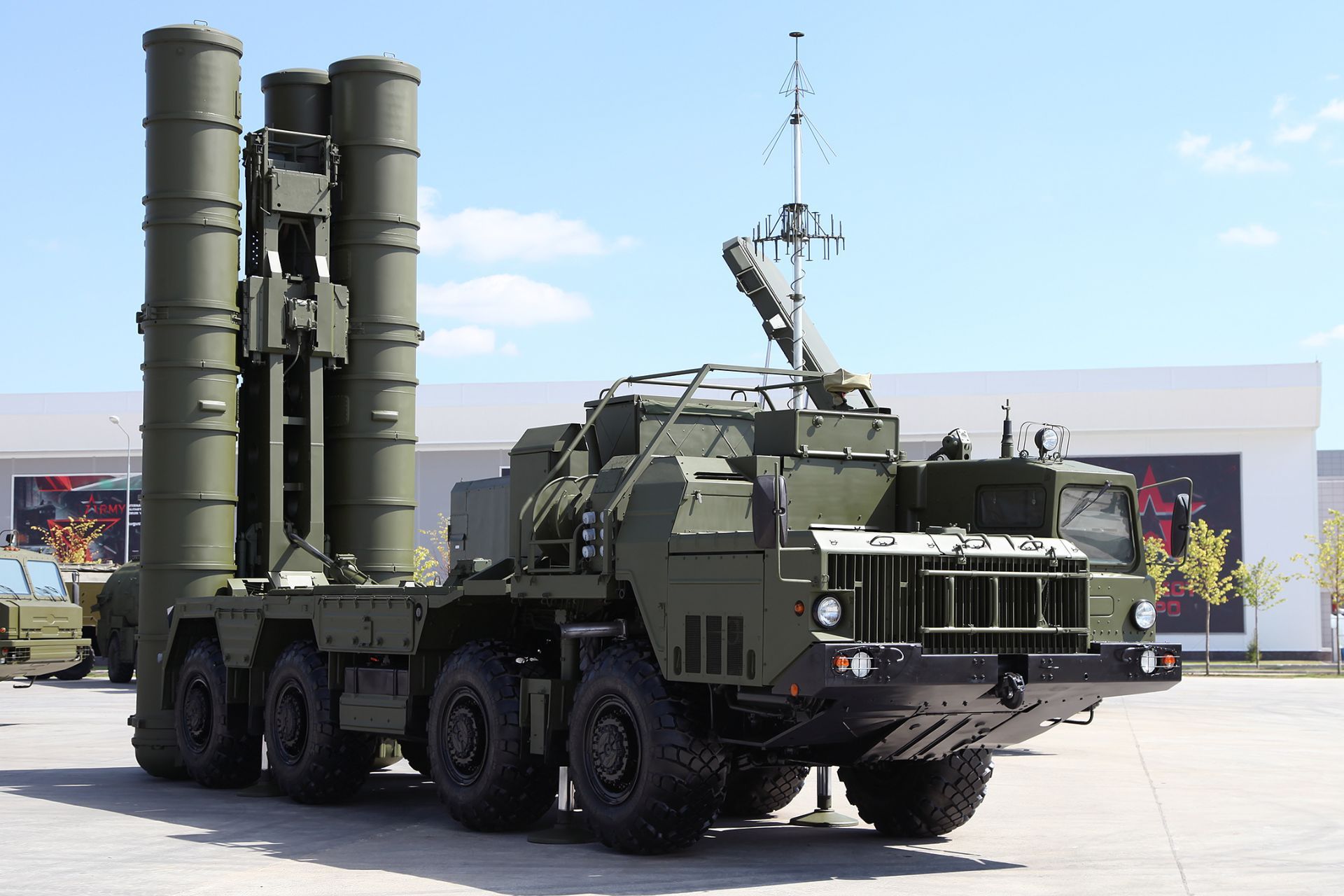
5 More regiments S400
26 marine Rafales ordered July 2025
114 Rafales deep negotiating now
Netra mark two x six
8.6 billion dollars worth . Of Israeli hypersonics and drones next generation
Are quadrupling the Akashteer anti drones systems from 100 to 400
Adding Kusha air defense to the successful Akash
Sold billions of dollars worth of Brahmos Akash Sam's and pinaka since operation Sindoor especially chinease neighbourhood

In contrast chinease arms exports fallen off cliff

You figure out people
So you are comparing Indian military PURCHASING against China’s military EXPORTS and presenting that as proof of botched Sindoor being a success???!!
I think the double humiliation of 2019 & substantially more so in 2025 has permanently damaged your sense of reality
but I agree, others can read your post and ‘go figure’ for themselves.
 
No it's just nice to get overseas neutral perspective rather than the usual fantasy land rubbish about we shot five six ten Rafales we brought you to your knees crap

Its interesting Western y tube clip on their assessment of what happened and subsequent interest in Indian Brahmos Akash etc
And I suppose you provide that "overseas neutral perspective"? 😂 your own BJP minister confirmed at least 5 of your aircraft shot down. Man a certain tunni bahkt sure is butt hurt from the spanking the IAF received last May.
 
Last edited:

How India "blinded, numbed and paralysed" Pakistan Air Force, set it back "atleast five years"​

View attachment 195945
New Delhi [India], May 28 (ANI): In Operation Sindoor against Pakistan, the Indian Air Force used air launched cruise missiles, long range stand off weapons and loitering munitions of different types which "blinded, numbed and created a decision paralysis" in the Pakistan Air Force in four days forcing it to seek ceasefire with India said sources who were part of the decision making process during the operation.

In the four-day conflict, the Indian Air Force carried out operations in a clinical manner, which led to major destruction of the Pakistani Air Force on both ground and in the air, sources in the defence and security establishment told ANI.

The major action took place between the two sides on intervening night of May 9th-10th and continued till the afternoon of May 10th wherein air bases along the length and breadth of Pakistan were targeted by India conveying a strong message that "we (India) can go deep, we can go wide and you (Pakistan) can do nothing about it."

After India had attacked terror bases in Pakistan on the night of May 6th-7th, including the terror hubs in Bahawalpur and Muridke in Pakistani Punjab, the Pakistani side retaliated by firing missiles at military targets in India, which failed to leave a mark due to a strong multi-tier Air Defence system.

The Indian Air Force took the decision that in retaliation, it would first deal with the air defence network of the Pakistan Army which is deployed along the entire border with India including old American origin and Chinese radars and surface to air missiles of Chinese origin including the HQ-9s with maximum range of around 250 Km plus.

Sources told ANI that the Indian Air Force used multiple methods to deal with the air defence radars by targeting the radar stations situated in the Pakistani Punjab area, and 4-5 of them were taken out by the Harop and Harpy loitering munitions. The targets destroyed by the Indian weapons also include a launcher site of the Chinese air defence missile system.

The targeting of the air defence network, including Lahore, created major gaps in the Pakistan Air Force's capability to monitor Indian activities from May 7th to 8th onwards.

However, "blinded" by the destruction of its radar network in major areas, the Pakistani Air Force was still flying very deep within their territory to avoid the wrath of Sudarshan S-400, Saksham, Shaurya, Samar and Akash air defence missiles which had been deployed very strategically on the front, the sources said.

The Pakistanis on May 8 evening responded with Turkish and Chinese drones to saturate Indian air defence networks but could not do so as the entire Indian air defence network from Siachen to Naliya was highly active including the small calibre L-70 and Zu-23 air defence guns which were doing major damage to Pakistani drone attacks along with the big air defence weapons of the Air Force and Army.

The Indian Army was also causing major damage to the Pakistan Army and keeping it fully engaged in the areas opposite Jammu and Kashmir, using its artillery guns and rocket launchers overwhelmingly.

The Indian Air Force on May 9th went in to aggressive mode by destroying the command and control (C2) centres of the Pakistan Air Force at the Chaklala, Sargodha and Murid air bases which were giving a battlefield picture to the Pakistan air defence networks which had been majorly affected by Indian attacks the day before that.
View attachment 195950
The C2 centres at the three Pakistani bases were taken out by the three major weapons, including the world's fastest air-launched supersonic cruise missiles, Rampage and the Scalp. The Mirages, Rafales, Su-30s and the MiG-29s have been equipped with these missiles in the last 5-10 years.
View attachment 195948
The extensive damage caused to the three command and control centres "numbed" the Pakistani Air Force as they were not able to communicate or see the complete battlefield picture as there was no link between the Advanced Early Warning and Control system aircraft of PAF and their ground stations and the fear of Sudarshan from the May 6-7 night had forced them to go deep within a narrow Pakistan air space and hiding behind civilian aircraft was being adopted as deliberate tactics by them.
View attachment 195949
On the same evening on May 9-10, around 1 AM, the Pakistan Air Force mustered courage and started launching attacks using surface-to-surface tactical missiles and fighter aircraft.

The major bases which they trying to target were the Adampur base and two high-value assets in Punjab and Gujarat, respectively, the sources said.

The Indian air defence missiles, especially the indigenous ones, played a key role in thwarting the attacks by intercepting the Chinese weapons. The sources said the low quality of weapons launched by Pakistan was so inept that some fell almost completely intact, only to be recovered later by industrious locals on the ground and handed over to Indian defence forces.

The Indian Air Force started its action to create a "decision paralysis" by attacking Pakistani air bases in Sargodha, Rafiqui, Rahimyarkhan, Jacobabad, Bholari and a Cantonment in Karachi on the morning of May 10.

The Indian attack was launched from deep inside Indian territory using long-range, precision weapons, with no surface-to-surface missiles involved. The missiles hit targets in Pakistan and caused major destruction with pinpoint accuracy and intelligence.

The Pakistani air base in Bholari was targeted at a hangar which housed a Saab 200 AEW&C airborne radar and surveillance aircraft along with at least 3-4 western-origin fighter aircraft of the Pakistan Air Force.
View attachment 195947
The destruction caused was massive, and the Pakistani Air Force has not yet started taking out debris inside the hangar. One of the air bases in the Punjab sector saw three missiles being fired at different parts of the runways, and the aircraft were not able to fly for at least eight hours.

The Indian attack was being monitored by the satellites as well as Indian AWACS aircraft. At the beginning of the Operation Sindoor, the top leadership had conveyed a message to the forces that the strikes at terrorist hubs and universities must be big enough to send across a strong message to terrorists' backers in the Pakistani military.
The forces had got the message that they won't have to be content with dropping a relatively smaller payload.

The destruction caused by the missiles, which has been shown mainly by social media and Pakistani networks at the terror hubs, also shows how the missiles breach the targets through one hole on rooftops and create massive destruction in the buildings targeted by them.

The same small hole on the rooftop could also be seen in the Jaish building targeted by the Indian Air Force in 2019 Balakot attacks, and one can make out the destruction that it must have caused there, the sources said.

The in-built systems of tracking and observing targets by the special munitions used to destroy radar stations and air defence networks have also given video evidence to the Indian Air Force, and they have been showcased to the top political and military leadership.

The attacks against the Pakistani Air Force have taken them at least five years back and caused great damage to them and their Chinese and Turkish inventory of weapons, which could not stand even against vintage Pechora and OSA-AK Russian origin air defence systems.

The sources said that the real capabilities of the Sudarshan S-400 air defence systems could be seen during the night of May 9-10, as it was firing and thwarting all types of missiles and aircraft attacks on Indian military assets.The Sudarshan could have created a record of sorts by hitting targets at very long ranges. Technical analysis of the targets engaged by the Indian missiles is on at the moment and it is going to take some more days for the Indian Air Force to be able to put out a full picture as it wants to be "500 per cent sure" of official claims to be made by it, added the source to ANI.

Sources said that the unexpected attitude of the Indian Air Force in the skies and the Indian Army on the ground made the Pakistanis and their western colleagues seek a ceasefire early in the morning of May 10, and they were in touch with their Indian national security counterparts.

Sources said that attacks were carried out by a "large package of aircraft from North to South" using long-range vectors, which produced desired results in sending across a strong Indian message. (ANI)
I guess if you tell a lie often enough to a dumb public it becomes the truth.
 

How India "blinded, numbed and paralysed" Pakistan Air Force, set it back "atleast five years"​

View attachment 195945
New Delhi [India], May 28 (ANI): In Operation Sindoor against Pakistan, the Indian Air Force used air launched cruise missiles, long range stand off weapons and loitering munitions of different types which "blinded, numbed and created a decision paralysis" in the Pakistan Air Force in four days forcing it to seek ceasefire with India said sources who were part of the decision making process during the operation.

In the four-day conflict, the Indian Air Force carried out operations in a clinical manner, which led to major destruction of the Pakistani Air Force on both ground and in the air, sources in the defence and security establishment told ANI.

The major action took place between the two sides on intervening night of May 9th-10th and continued till the afternoon of May 10th wherein air bases along the length and breadth of Pakistan were targeted by India conveying a strong message that "we (India) can go deep, we can go wide and you (Pakistan) can do nothing about it."

After India had attacked terror bases in Pakistan on the night of May 6th-7th, including the terror hubs in Bahawalpur and Muridke in Pakistani Punjab, the Pakistani side retaliated by firing missiles at military targets in India, which failed to leave a mark due to a strong multi-tier Air Defence system.

The Indian Air Force took the decision that in retaliation, it would first deal with the air defence network of the Pakistan Army which is deployed along the entire border with India including old American origin and Chinese radars and surface to air missiles of Chinese origin including the HQ-9s with maximum range of around 250 Km plus.

Sources told ANI that the Indian Air Force used multiple methods to deal with the air defence radars by targeting the radar stations situated in the Pakistani Punjab area, and 4-5 of them were taken out by the Harop and Harpy loitering munitions. The targets destroyed by the Indian weapons also include a launcher site of the Chinese air defence missile system.

The targeting of the air defence network, including Lahore, created major gaps in the Pakistan Air Force's capability to monitor Indian activities from May 7th to 8th onwards.

However, "blinded" by the destruction of its radar network in major areas, the Pakistani Air Force was still flying very deep within their territory to avoid the wrath of Sudarshan S-400, Saksham, Shaurya, Samar and Akash air defence missiles which had been deployed very strategically on the front, the sources said.

The Pakistanis on May 8 evening responded with Turkish and Chinese drones to saturate Indian air defence networks but could not do so as the entire Indian air defence network from Siachen to Naliya was highly active including the small calibre L-70 and Zu-23 air defence guns which were doing major damage to Pakistani drone attacks along with the big air defence weapons of the Air Force and Army.

The Indian Army was also causing major damage to the Pakistan Army and keeping it fully engaged in the areas opposite Jammu and Kashmir, using its artillery guns and rocket launchers overwhelmingly.

The Indian Air Force on May 9th went in to aggressive mode by destroying the command and control (C2) centres of the Pakistan Air Force at the Chaklala, Sargodha and Murid air bases which were giving a battlefield picture to the Pakistan air defence networks which had been majorly affected by Indian attacks the day before that.
View attachment 195950
The C2 centres at the three Pakistani bases were taken out by the three major weapons, including the world's fastest air-launched supersonic cruise missiles, Rampage and the Scalp. The Mirages, Rafales, Su-30s and the MiG-29s have been equipped with these missiles in the last 5-10 years.
View attachment 195948
The extensive damage caused to the three command and control centres "numbed" the Pakistani Air Force as they were not able to communicate or see the complete battlefield picture as there was no link between the Advanced Early Warning and Control system aircraft of PAF and their ground stations and the fear of Sudarshan from the May 6-7 night had forced them to go deep within a narrow Pakistan air space and hiding behind civilian aircraft was being adopted as deliberate tactics by them.
View attachment 195949
On the same evening on May 9-10, around 1 AM, the Pakistan Air Force mustered courage and started launching attacks using surface-to-surface tactical missiles and fighter aircraft.

The major bases which they trying to target were the Adampur base and two high-value assets in Punjab and Gujarat, respectively, the sources said.

The Indian air defence missiles, especially the indigenous ones, played a key role in thwarting the attacks by intercepting the Chinese weapons. The sources said the low quality of weapons launched by Pakistan was so inept that some fell almost completely intact, only to be recovered later by industrious locals on the ground and handed over to Indian defence forces.

The Indian Air Force started its action to create a "decision paralysis" by attacking Pakistani air bases in Sargodha, Rafiqui, Rahimyarkhan, Jacobabad, Bholari and a Cantonment in Karachi on the morning of May 10.

The Indian attack was launched from deep inside Indian territory using long-range, precision weapons, with no surface-to-surface missiles involved. The missiles hit targets in Pakistan and caused major destruction with pinpoint accuracy and intelligence.

The Pakistani air base in Bholari was targeted at a hangar which housed a Saab 200 AEW&C airborne radar and surveillance aircraft along with at least 3-4 western-origin fighter aircraft of the Pakistan Air Force.
View attachment 195947
The destruction caused was massive, and the Pakistani Air Force has not yet started taking out debris inside the hangar. One of the air bases in the Punjab sector saw three missiles being fired at different parts of the runways, and the aircraft were not able to fly for at least eight hours.

The Indian attack was being monitored by the satellites as well as Indian AWACS aircraft. At the beginning of the Operation Sindoor, the top leadership had conveyed a message to the forces that the strikes at terrorist hubs and universities must be big enough to send across a strong message to terrorists' backers in the Pakistani military.
The forces had got the message that they won't have to be content with dropping a relatively smaller payload.

The destruction caused by the missiles, which has been shown mainly by social media and Pakistani networks at the terror hubs, also shows how the missiles breach the targets through one hole on rooftops and create massive destruction in the buildings targeted by them.

The same small hole on the rooftop could also be seen in the Jaish building targeted by the Indian Air Force in 2019 Balakot attacks, and one can make out the destruction that it must have caused there, the sources said.

The in-built systems of tracking and observing targets by the special munitions used to destroy radar stations and air defence networks have also given video evidence to the Indian Air Force, and they have been showcased to the top political and military leadership.

The attacks against the Pakistani Air Force have taken them at least five years back and caused great damage to them and their Chinese and Turkish inventory of weapons, which could not stand even against vintage Pechora and OSA-AK Russian origin air defence systems.

The sources said that the real capabilities of the Sudarshan S-400 air defence systems could be seen during the night of May 9-10, as it was firing and thwarting all types of missiles and aircraft attacks on Indian military assets.The Sudarshan could have created a record of sorts by hitting targets at very long ranges. Technical analysis of the targets engaged by the Indian missiles is on at the moment and it is going to take some more days for the Indian Air Force to be able to put out a full picture as it wants to be "500 per cent sure" of official claims to be made by it, added the source to ANI.

Sources said that the unexpected attitude of the Indian Air Force in the skies and the Indian Army on the ground made the Pakistanis and their western colleagues seek a ceasefire early in the morning of May 10, and they were in touch with their Indian national security counterparts.

Sources said that attacks were carried out by a "large package of aircraft from North to South" using long-range vectors, which produced desired results in sending across a strong Indian message. (ANI)
You forgot to mention that according to your own air chief marshal, your S400 shot down 2 Saab Erieye aircraft and 6 Vipers, and let's not forget your navy captured Lahore port.
 
NNo, I watched for a long time. What did the Indians hit? Two Turkish command vehicles, part of two hangars were destroyed, several runways were struck, and several buildings had holes punched in them. What else? The only clear loss was a Saab AWACS aircraft, with several ground crew members and an F-16 squadron leader killed..

Don't even mention the PAF; even if the North Korean Air Force were hit like this, it wouldn't count as a major blow. The North Koreans still have at least dozens of MiG-29s
. The Indians should at least destroy Hundreds of JF-17s and dozens of F-16s would be needed to inflict a heavy blow on the PAF, right?

How India "blinded, numbed and paralysed" Pakistan Air Force, set it back "atleast five years"​

View attachment 195945
New Delhi [India], May 28 (ANI): In Operation Sindoor against Pakistan, the Indian Air Force used air launched cruise missiles, long range stand off weapons and loitering munitions of different types which "blinded, numbed and created a decision paralysis" in the Pakistan Air Force in four days forcing it to seek ceasefire with India said sources who were part of the decision making process during the operation.

In the four-day conflict, the Indian Air Force carried out operations in a clinical manner, which led to major destruction of the Pakistani Air Force on both ground and in the air, sources in the defence and security establishment told ANI.

The major action took place between the two sides on intervening night of May 9th-10th and continued till the afternoon of May 10th wherein air bases along the length and breadth of Pakistan were targeted by India conveying a strong message that "we (India) can go deep, we can go wide and you (Pakistan) can do nothing about it."

After India had attacked terror bases in Pakistan on the night of May 6th-7th, including the terror hubs in Bahawalpur and Muridke in Pakistani Punjab, the Pakistani side retaliated by firing missiles at military targets in India, which failed to leave a mark due to a strong multi-tier Air Defence system.

The Indian Air Force took the decision that in retaliation, it would first deal with the air defence network of the Pakistan Army which is deployed along the entire border with India including old American origin and Chinese radars and surface to air missiles of Chinese origin including the HQ-9s with maximum range of around 250 Km plus.

Sources told ANI that the Indian Air Force used multiple methods to deal with the air defence radars by targeting the radar stations situated in the Pakistani Punjab area, and 4-5 of them were taken out by the Harop and Harpy loitering munitions. The targets destroyed by the Indian weapons also include a launcher site of the Chinese air defence missile system.

The targeting of the air defence network, including Lahore, created major gaps in the Pakistan Air Force's capability to monitor Indian activities from May 7th to 8th onwards.

However, "blinded" by the destruction of its radar network in major areas, the Pakistani Air Force was still flying very deep within their territory to avoid the wrath of Sudarshan S-400, Saksham, Shaurya, Samar and Akash air defence missiles which had been deployed very strategically on the front, the sources said.

The Pakistanis on May 8 evening responded with Turkish and Chinese drones to saturate Indian air defence networks but could not do so as the entire Indian air defence network from Siachen to Naliya was highly active including the small calibre L-70 and Zu-23 air defence guns which were doing major damage to Pakistani drone attacks along with the big air defence weapons of the Air Force and Army.

The Indian Army was also causing major damage to the Pakistan Army and keeping it fully engaged in the areas opposite Jammu and Kashmir, using its artillery guns and rocket launchers overwhelmingly.

The Indian Air Force on May 9th went in to aggressive mode by destroying the command and control (C2) centres of the Pakistan Air Force at the Chaklala, Sargodha and Murid air bases which were giving a battlefield picture to the Pakistan air defence networks which had been majorly affected by Indian attacks the day before that.
View attachment 195950
The C2 centres at the three Pakistani bases were taken out by the three major weapons, including the world's fastest air-launched supersonic cruise missiles, Rampage and the Scalp. The Mirages, Rafales, Su-30s and the MiG-29s have been equipped with these missiles in the last 5-10 years.
View attachment 195948
The extensive damage caused to the three command and control centres "numbed" the Pakistani Air Force as they were not able to communicate or see the complete battlefield picture as there was no link between the Advanced Early Warning and Control system aircraft of PAF and their ground stations and the fear of Sudarshan from the May 6-7 night had forced them to go deep within a narrow Pakistan air space and hiding behind civilian aircraft was being adopted as deliberate tactics by them.
View attachment 195949
On the same evening on May 9-10, around 1 AM, the Pakistan Air Force mustered courage and started launching attacks using surface-to-surface tactical missiles and fighter aircraft.

The major bases which they trying to target were the Adampur base and two high-value assets in Punjab and Gujarat, respectively, the sources said.

The Indian air defence missiles, especially the indigenous ones, played a key role in thwarting the attacks by intercepting the Chinese weapons. The sources said the low quality of weapons launched by Pakistan was so inept that some fell almost completely intact, only to be recovered later by industrious locals on the ground and handed over to Indian defence forces.

The Indian Air Force started its action to create a "decision paralysis" by attacking Pakistani air bases in Sargodha, Rafiqui, Rahimyarkhan, Jacobabad, Bholari and a Cantonment in Karachi on the morning of May 10.

The Indian attack was launched from deep inside Indian territory using long-range, precision weapons, with no surface-to-surface missiles involved. The missiles hit targets in Pakistan and caused major destruction with pinpoint accuracy and intelligence.

The Pakistani air base in Bholari was targeted at a hangar which housed a Saab 200 AEW&C airborne radar and surveillance aircraft along with at least 3-4 western-origin fighter aircraft of the Pakistan Air Force.
View attachment 195947
The destruction caused was massive, and the Pakistani Air Force has not yet started taking out debris inside the hangar. One of the air bases in the Punjab sector saw three missiles being fired at different parts of the runways, and the aircraft were not able to fly for at least eight hours.

The Indian attack was being monitored by the satellites as well as Indian AWACS aircraft. At the beginning of the Operation Sindoor, the top leadership had conveyed a message to the forces that the strikes at terrorist hubs and universities must be big enough to send across a strong message to terrorists' backers in the Pakistani military.
The forces had got the message that they won't have to be content with dropping a relatively smaller payload.

The destruction caused by the missiles, which has been shown mainly by social media and Pakistani networks at the terror hubs, also shows how the missiles breach the targets through one hole on rooftops and create massive destruction in the buildings targeted by them.

The same small hole on the rooftop could also be seen in the Jaish building targeted by the Indian Air Force in 2019 Balakot attacks, and one can make out the destruction that it must have caused there, the sources said.

The in-built systems of tracking and observing targets by the special munitions used to destroy radar stations and air defence networks have also given video evidence to the Indian Air Force, and they have been showcased to the top political and military leadership.

The attacks against the Pakistani Air Force have taken them at least five years back and caused great damage to them and their Chinese and Turkish inventory of weapons, which could not stand even against vintage Pechora and OSA-AK Russian origin air defence systems.

The sources said that the real capabilities of the Sudarshan S-400 air defence systems could be seen during the night of May 9-10, as it was firing and thwarting all types of missiles and aircraft attacks on Indian military assets.The Sudarshan could have created a record of sorts by hitting targets at very long ranges. Technical analysis of the targets engaged by the Indian missiles is on at the moment and it is going to take some more days for the Indian Air Force to be able to put out a full picture as it wants to be "500 per cent sure" of official claims to be made by it, added the source to ANI.

Sources said that the unexpected attitude of the Indian Air Force in the skies and the Indian Army on the ground made the Pakistanis and their western colleagues seek a ceasefire early in the morning of May 10, and they were in touch with their Indian national security counterparts.

Sources said that attacks were carried out by a "large package of aircraft from North to South" using long-range vectors, which produced desired results in sending across a strong Indian message. (ANI)
 
NNo, I watched for a long time. What did the Indians hit? Two Turkish command vehicles, part of two hangars were destroyed, several runways were struck, and several buildings had holes punched in them. What else? The only clear loss was a Saab AWACS aircraft, with several ground crew members and an F-16 squadron leader killed..

Don't even mention the PAF; even if the North Korean Air Force were hit like this, it wouldn't count as a major blow. The North Koreans still have at least dozens of MiG-29s
. The Indians should at least destroy Hundreds of JF-17s and dozens of F-16s would be needed to inflict a heavy blow on the PAF, right?
No Saab AWACS was destroyed, have you seen any wrecked aircraft in any of the satellite pics?
 

Looks like the Russians have delivered the 4th regiment
 
Off topic but the claims of HPCL server attack by Pakistan in May 2025 also turned out to be fake, it was a SAP issue in the server.
However, HP management has denied this, attributing it to a technical fault in the server and claiming it will be fixed soon. It should be noted that, according to regulations, each pump is required to maintain a 10% reserve stock according to its capacity for emergency situations.

Looks like a an overeager IT team put too much load on SAP during a cyber drill causing fuel pump outages at 4-5 states (of HPCL only as IOCL, BPCL, Reliance and Nayara were unaffected, which itself proves it was not a cyber attack)
 
Off topic but the claims of HPCL server attack by Pakistan in May 2025 also turned out to be fake, it was a SAP issue in the server.


Looks like a an overeager IT team put too much load on SAP during a cyber drill causing fuel pump outages at 4-5 states (of HPCL only as IOCL, BPCL, Reliance and Nayara were unaffected, which itself proves it was not a cyber attack)
They deserves such moments of happiness!
 
Off topic but the claims of HPCL server attack by Pakistan in May 2025 also turned out to be fake, it was a SAP issue in the server.


Looks like a an overeager IT team put too much load on SAP during a cyber drill causing fuel pump outages at 4-5 states (of HPCL only as IOCL, BPCL, Reliance and Nayara were unaffected, which itself proves it was not a cyber attack)

Ummmaaaaaaahhhhh - pathetic cope - Sounds like "loose screws" story of Rafale - After all admitting it as cyber attack instead of "we were doing cyber drill" would hurt the 56 inch ego.

Keep it up - nothing happened - no need for any internal introspection / audit - All is good 👍
 
They deserves such moments of happiness!
Rather like your air marshals claiming a Viper shot down in 2019 when all of abinondone weapons were still stuck to his crashed mig21, or your current ACM claiming 2 Erieyes and 6 Vipers shot down by S400. Your guys are so butt hurt you'll believe anything you're told.
 

Users who are viewing this thread

Pakistan Defence Latest

Country Watch Latest

Latest Posts

Back
Top