Egyptian Armed Forces

Egypt is building a multi-source air defense network: the Russian S-300VM, the Chinese HQ-9B, the American NASAMS, and the German IRIS-T
1793387283559.png

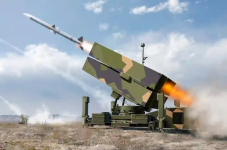
Egypt continues to diversify its air defense arsenal, pursuing a strategy that combines Western and Eastern technologies to enhance its capabilities in detecting and countering aerial threats. In this context, Cairo submitted a request last August to purchase the American NASAMS medium-range air defense system in a deal estimated at approximately $4.67 billion. This coincided with reports of its acquisition of the Chinese HQ-9B long-range system, also known as the FD-2000B in its export version.

According to the US Defense Security Cooperation Agency (DSCA), the proposed package includes four AN/MPQ-64F1 Sentinel radars, along with hundreds of AIM-120 AMRAAM interceptor missiles, which the NASAMS system uses to engage aerial targets.

This deal is of significant importance, given that Egypt has sought for years to acquire AIM-120 missiles to arm its F-16 fighter jets. However, the lack of these missiles in its arsenal has limited its options in beyond-visual-range air combat. In response, Cairo has sought to diversify its air force sources, including studying and acquiring fighter jets from non-American suppliers.

The US agency explained that the proposed deal would enhance Egypt's ability to counter current and future aerial threats by improving its detection and engagement capabilities against a variety of targets.

NASAMS within the Medium Air Defense Layer
1793387395743.png


The move toward NASAMS comes after the acquisition of German IRIS-T air defense systems by Egypt, including versions of the IRIS-T SLM and IRIS-T SLS families, according to reports on contracts and deliveries. These systems offer additional options for engaging aircraft, helicopters, drones, and cruise missiles, depending on the capabilities of each variant.

The integration of systems from multiple sources represents a move toward building an air defense network with missions distributed among long-, medium-, and short-range systems, rather than relying on a single system to counter various threats.

NASAMS also holds political and military significance, as the proposed deal could represent a notable shift in the scale of Egyptian air defense purchases from the United States. According to data from the Stockholm International Peace Research Institute (SIPRI) on arms transfers, the last known US deliveries in this area included the AN/TWQ-1 Avenger short-range systems, which use FIM-92 Stinger missiles, in 2008, at an estimated value of $50 million.

In earlier phases, Egypt acquired other American systems, including the medium-range MIM-23 I-HAWK and the short-range M48 Chaparral, which uses MIM-72 missiles derived from the Sidewinder family.

Most previous US air defense deals with Egypt were limited to short- and medium-range systems, without including advanced strategic systems. In 1999, then-US Secretary of Defense William Cohen announced a multi-billion dollar arms package for Middle Eastern countries, which included the Patriot PAC-3 system for Egypt, even though it was still under development at the time. However, there is no evidence to confirm that Cairo received this version, which uses hit-to-kill technology to intercept ballistic missiles by directly impacting the target.

Three years later, reports indicated that the United States and Israel reached an understanding that would prevent the supply of F-15 fighter jets to Egypt, in order to maintain Israel's qualitative military edge. In light of these reports, questions were raised about the chances of Cairo obtaining more advanced American air defense systems, such as the Patriot PAC-3, but there is no direct evidence to prove that this understanding was the reason for excluding the system from Egyptian deals.

Russian and Chinese systems enhance Cairo's options

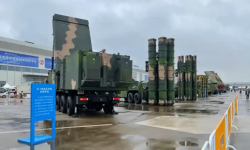
HQ-9B
1793387534616.png

In parallel with its military cooperation with the United States and Europe, Egypt has expanded its reliance on Russian air defense systems in recent years, starting with short- and medium-range systems such as the S-125 Pechora-2M, Tor-M1, and Buk-M2, and culminating in the long-range S-300VM system, which Cairo contracted for in 2014–2015.

The S-300VM provides capabilities to engage aircraft and ballistic missiles and represents a key component of Egypt's long-range air defense layer.

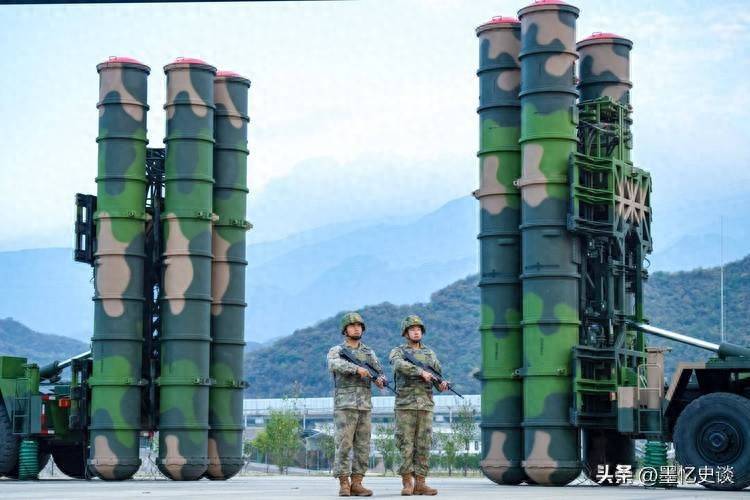
Meanwhile, reports have surfaced regarding Egypt's acquisition of the Chinese HQ-9B system, or its export version, the FD-2000B. If the details of this acquisition are confirmed, it would mean adding a Chinese long-range system alongside the Russian ones, thus expanding the options available to the Egyptian Armed Forces in the field of strategic air defense.

Some published specifications for the HQ-9 family estimate its engagement range at approximately 200–300 kilometers.

Military relations between Egypt and Russia have witnessed periods of expanding arms supplies, while Cairo has sought to diversify its arms sources in subsequent decades. In this context, reports indicate that Egypt has acquired the Chinese HQ-9B air defense system, or its export version, the FD-2000B, which is considered the Chinese equivalent of the Russian S-300 system. With the addition of the Chinese system to the Russian S-300VM, Egypt, according to these reports, possesses two of the most prominent non-Western long-range air defense systems. It should be noted, however, that the HQ-9B does not have a combat experience comparable to the American Patriot PAC-3 and the Russian S-300 systems.

This coincides with Egypt's move to diversify its military arsenal and arms sources, including air defense systems. The request to purchase the American NASAMS system comes after reports concerning the Chinese HQ-9B/FD-2000B system, at a time when Cairo continues to acquire weapons from various sources, including the United States, China, Russia, and European countries.

The growing military ties between Egypt and China have attracted attention in Washington, particularly after the joint air exercises hosted by Egypt in April and May 2015, which were followed by calls to reassess the annual US military aid provided to Cairo.

Egyptian air defense is not limited to long-range systems; it also includes shorter-range systems to engage targets that penetrate outer layers of defenses, including low-flying aircraft, helicopters, and drones.

Systems that have entered service in Egypt include American, French, and Russian systems, such as Chaparral, Crotale, and Tor, as well as the Amoun system, linked to the Skyguard system, which combines anti-aircraft guns and interceptor missiles.

The importance of this layer lies in providing protection for air bases, military installations, and vital sites, and countering threats that long-range systems may find difficult to address efficiently, either economically or operationally.

The IRIS-T systems add modern interception capabilities at shorter and medium ranges, while NASAMS, if the deal is finalized and the system enters service, provides another layer relying on American interceptor missiles and radars.

This deployment, if the systems are integrated effectively, would allow Egyptian forces to build layered defenses, with each layer addressing threats according to their range, altitude, and nature.

An integrated Egyptian air defense network that combines Eastern and Western systems
1793387669348.png


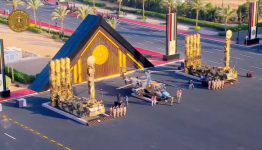
Egypt has not limited itself to building a conventional air defense system, but has worked to develop an integrated network comprising diverse systems whose capabilities range from intercepting low-altitude targets to dealing with long-range aerial threats, utilizing both Eastern and Western technologies.

This system begins with the Chinese HQ-9B air defense system, which reports indicate has been delivered to Egypt. It has a range of approximately 300 kilometers and the ability to track and engage 24 targets simultaneously. The system provides radar coverage for engaging aircraft and missiles. The South China Morning Post discussed the importance of this contract for Egypt's air defense capabilities.

Egypt does not rely solely on Chinese systems. It also possesses various Western systems, including the American Chaparral infrared-guided system, the French Crotale short-range system, and the Amoun system, a modified version of the Skyguard system. Amoun combines 35mm cannons and surface-to-air missiles and is used to counter drones, helicopters, and low-flying aircraft.

According to the Army Recognition website, Egypt possesses more than 40 air defense batteries distributed across 18 brigades, forming a network that integrates systems from multiple sources. Efforts to develop these capabilities include the Saqr system, along with German IRIS-T SLM missiles, which have a range of 40 kilometers and an interception altitude of 27 kilometers. Egypt received export approval for these missiles in 2018.

In the area of early warning and surveillance, Egypt relies on a suite of long-range, three-dimensional radars. This suite includes the American NTPS-78 and SPS-84 long-range radars, with a range of up to 450 kilometers, and the French Grand Master 400 radars, which reportedly have a range of 515 kilometers. Additionally, Egypt utilizes Russian Protivnik-GE early warning radars, designed to detect aerial targets, including those flying at high speeds.

1793387732853.png

These radars are integrated with command and control systems that link air defense units, exchange information, analyze data, and distribute orders, thus accelerating decision-making and coordinating interception operations between different units.

In the field of airborne early warning, the Chinese KJ-500 aircraft was showcased during joint exercises with Egypt. This aircraft features a radar that provides 360-degree coverage, enabling the tracking of multiple aerial and maritime targets, while transmitting data to command centers to assist in guiding fighter jets and managing air operations.

Regarding directed-energy weapons, reports have discussed potential Egyptian-Chinese cooperation on the LW-30 man-portable laser system. Egypt also recently revealed its possession of the "Ege Hel 01" laser air defense system.

The Egyptian air defense network comprises missile and radar systems from various sources, in addition to command, control, and early warning systems. The range of threats that these systems are designed to deal with includes manned and unmanned aircraft, missiles, and low-flying targets, within a network that combines monitoring, tracking, and interception capabilities.
 
Türkiye: We will produce missiles, warships, aircraft and drones with Egypt within the next ten years​


1793388602040.png

Turkish Ambassador to Cairo: Egypt and Turkey are moving towards joint production of missiles, ships, aircraft and drones.

The Turkish Ambassador to Cairo, Salih Mutlu Şen, revealed that the two countries are moving towards expanding cooperation in the defense industries sector, indicating the possibility of jointly producing a range of systems and weapons, including missiles, ships, manned aircraft, and drones, within the next ten years.

During his speech at the celebration of Turkey's 103rd National Day, the Turkish Ambassador affirmed that military cooperation between Cairo and Ankara is witnessing significant progress and that there are existing projects in the defense industries sector. He expressed his confidence that the next phase will see relations transition from military cooperation to joint manufacturing and production of advanced defense systems.

Şen stated that the two countries may witness, within the next decade, the production of missiles, warships, aircraft, and drones bearing a joint industrial imprint, indicating Turkey and Egypt's ambition to build a long-term defense partnership.

On the economic front, the Turkish Ambassador pointed out that relations between the two countries have transcended the stage of political rapprochement, evolving into a strategic partnership dictated by considerations of security, stability, and development in the Eastern Mediterranean region.

He explained that Turkish companies have opened at least 50 new production facilities in Egypt since 2022, currently providing employment for at least 100,000 Egyptian citizens. He also predicted that trade between the two countries would reach a new record high this year, approaching $9 billion.

He added that the Egyptian-Turkish partnership is based on historical and cultural ties spanning nearly 1,200 years, as well as shared economic and strategic interests.

On the regional level, Şen described Egypt as a natural partner for the Mecca Alliance, emphasizing that the decision to formally join the alliance rests with Egyptian sovereignty, and that Turkey would welcome Cairo's participation.

He considered Egypt's participation as a contribution to achieving regional balance and enhancing security and stability, noting that expansionism and the pursuit of hegemony represent the most prominent threats to regional security, while possessing elements of power and deterrence in a balanced manner can contribute to curbing these tendencies and pushing parties towards restraint and cooperation.

The Turkish ambassador also praised the political will demonstrated by Turkish President Recep Tayyip Erdoğan and Egyptian President Abdel Fattah al-Sisi to develop bilateral relations and enhance coordination on regional issues.

He noted Erdoğan's visit to Cairo last February, expressing Ankara's eagerness to welcome President Sisi to Turkey in the near future, in response to the invitation extended to him by the Turkish president.

1793388580793.png

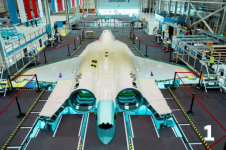
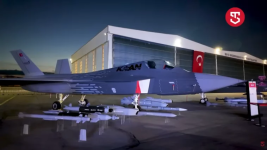
This news coincides with statements by the Turkish ambassador in Cairo regarding the two countries' ambition to launch joint defense production projects encompassing aircraft, missiles, warships, and drones over the next decade. This reinforces speculation about the possibility of expanding the industrial partnership to include fighter jet development and manufacturing programs, most notably the stealth fighter "Kaan."

Reports published in 2026 further bolstered this possibility, with media reports indicating Turkish approval of Egypt's participation in the "Kaan" program as a development and production partner, potentially including technology transfer and the manufacturing of fighter jet components in Egyptian factories. Other reports suggested exploring joint production options between the two countries, though no final contract has been announced, nor has Egypt's industrial share in the project been determined.

The "Kaan" is Turkey's national fifth-generation fighter jet project, developed by Turkish Aerospace Industries (TUSAŞ) for the Turkish Air Force. Its design incorporates stealth technologies, maneuverability, advanced sensor systems, and sophisticated mission capabilities.

If the talks progress to a formal agreement, the partnership may include an Egyptian contribution to the manufacturing of aircraft components, the development of some systems, and the local assembly of parts, which could open the way for building Egyptian industrial and technical capabilities in the field of advanced combat aviation.
 

Egyptian Firm Claims It Can Arm Rafale, F-16 and MiG-29M2 Without Maker Consent, Chinese PL-15 and CM-302 Integration Floated Defense Express​

Defense Express​

​

[email protected]​

​

October 29, 2026​

​

1506​

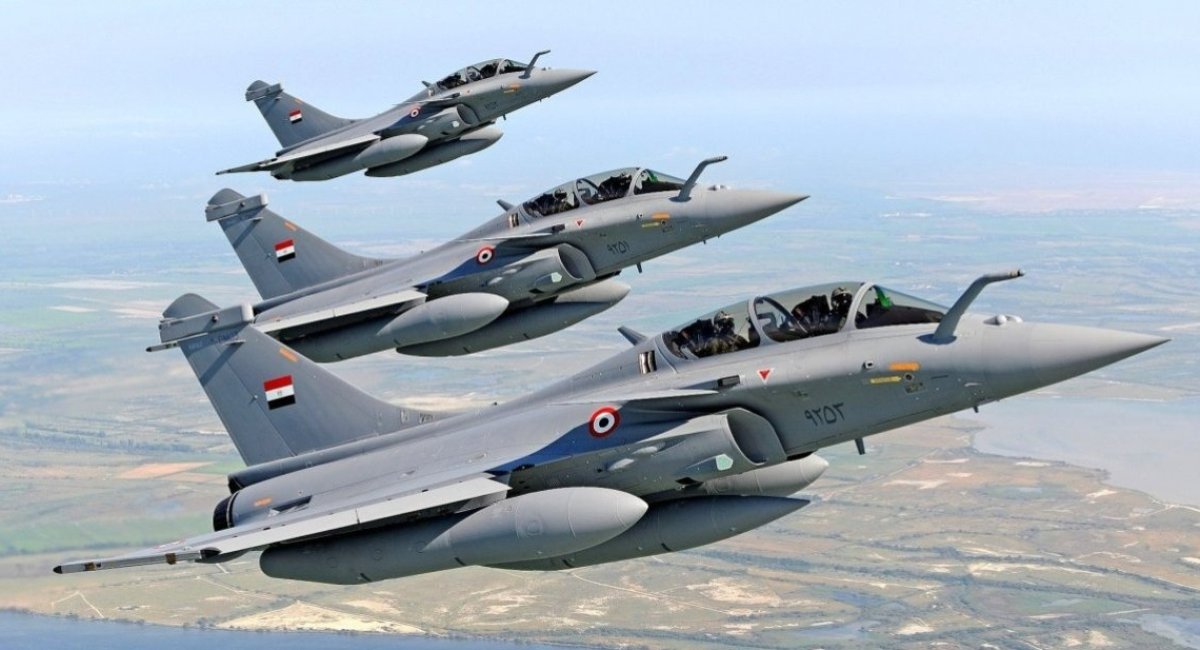
Egyptian Air Force Rafale fighters / Open source photo


Ariegsa says it can integrate weapons on fighters bypassing OEMs, prompting Defense Arabic to examine whether Mach 5+ PL-15 and Mach 4 CM-302 could unify Egypt’s fleet​


Egyptian company Ariegsa announced it is capable of integrating weapons on combat aircraft without direct involvement of aircraft or munition manufacturers. Such process normally requires involvement of both manufacturers, which in some cases is simply impossible.

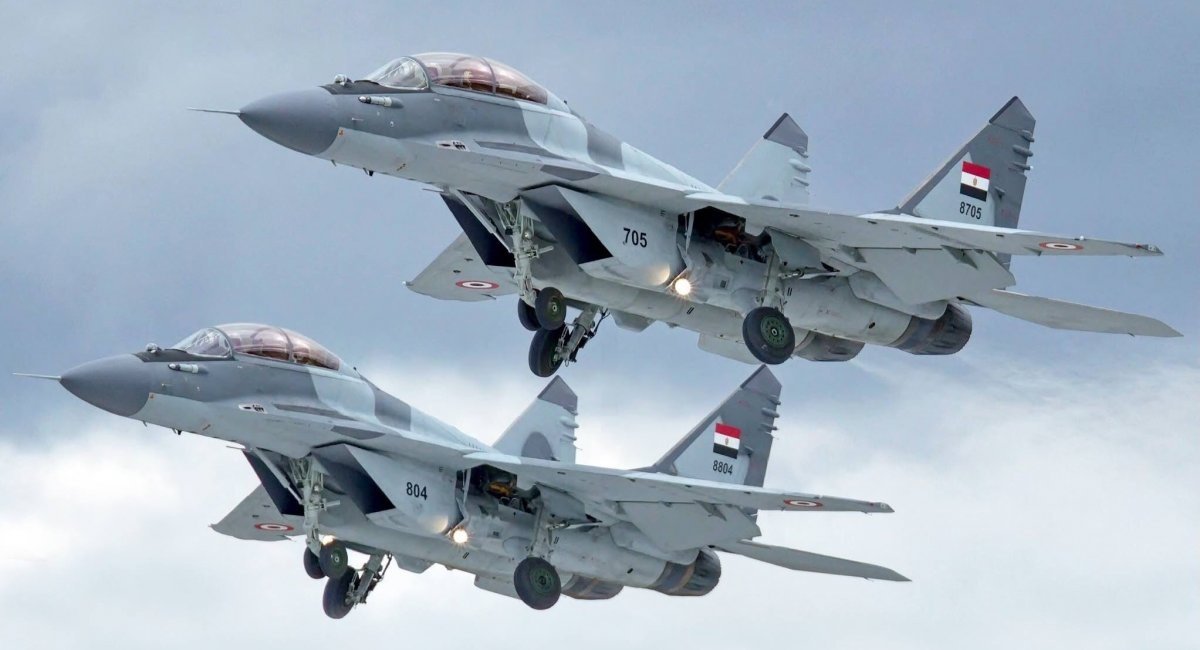
All this became reason for speculation on whether they could arm their fighter zoo of Rafale, F-16 and MiG-29M2 with one type of armament for unification. Specifically Defense Arabic publication on basis of such claims examined possibility of integrating chinese PL-15 and CM-302 missiles on these aircraft.


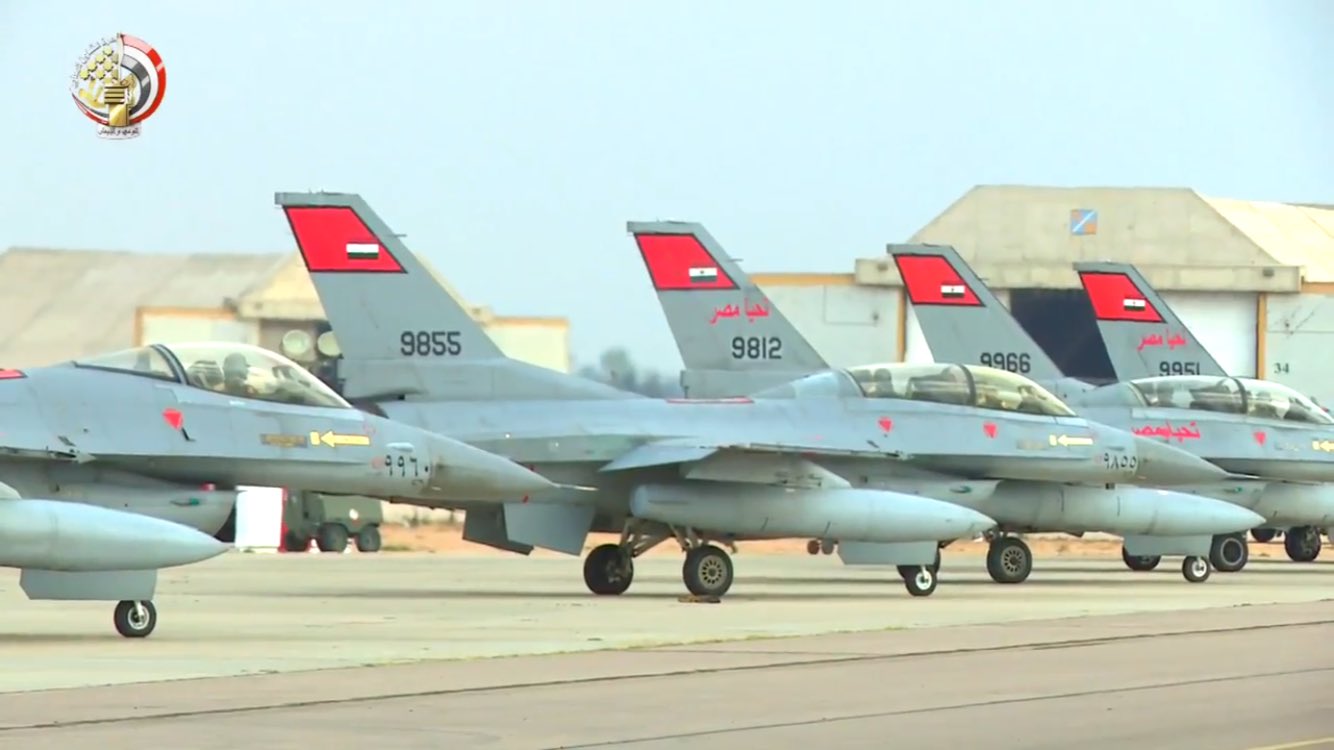
Egyptian Air Force F-16 / Open source photo
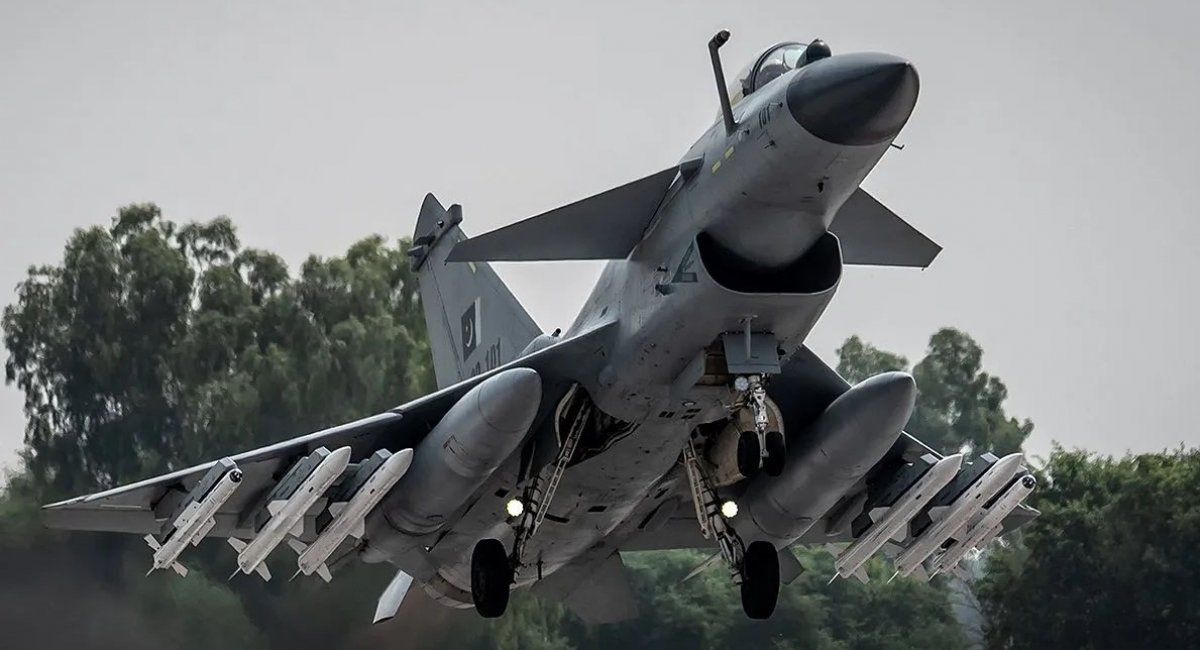
Specifically PL-15 is air-to-air missile with range exceeding 145 km, active radar seeker, as well as dual-pulse solid-fuel rocket motor giving missile speed exceeding Mach 5 (6,125 km/h).


Pakistani Air Force J-10C with PL-15E missiles / Open source photo
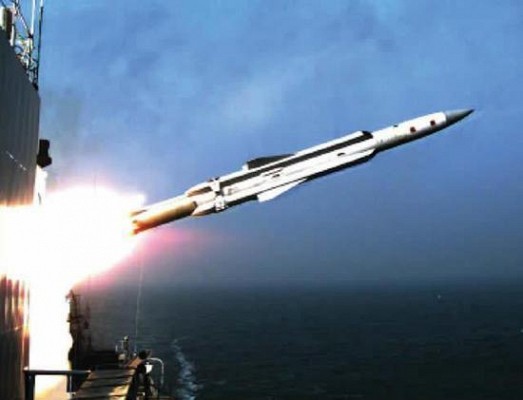
In turn CM-302 is supersonic anti-ship missile with flight range of 280 km, 250 kg warhead, and liquid-fuel ramjet engine giving it speed of Mach 2.5 to 4 (approximately 3,000 to 4,900 km/h).

aunch of YJ-12 anti-ship missile (a.k.a. CM-302 in export version) from ship / Photo from chinese internet
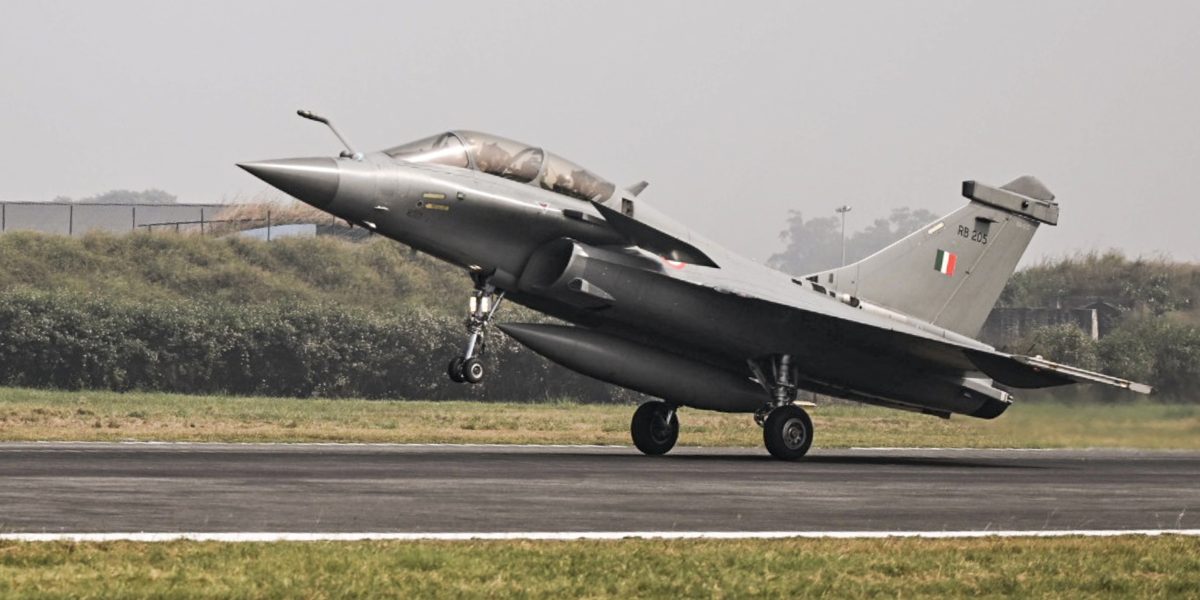
Such missiles in case of their integration aboard Rafale, F-16 and MiG-29M2 would become powerful enhancement of their combat capabilities. PL-15 for Rafale would become intermediate between long-range Meteor at 200 km, and MICA and AIM-120 at 80 km and 100-160 km respectively.
Interestingly in May 2025 during largest air battle in modern history, Pakistani Air Force J-10CE fighters using these same PL-15 missiles shot down Indian Air Force Rafale, Su-30MKI and MiG-29 fighters.

Importantly integration of such missiles would allow unifying ammunition inventory of these three fighters, each of which requires its own munitions. Besides this, important parameter for Egypt is strengthening its resilience by reducing dependence on any single manufacturer.

Egyptian Air Force MiG-29M2 fighters / Photo credit: twitter profile @mahmouedgamal44
However question arises whether Egypt can actually integrate chinese missiles on these aircraft. Even if technically possible without direct manufacturer involvement, such actions could destroy relationships between Egypt and aircraft manufacturer companies.

Point is most manufacturers are quite particular about integration of foreign weapons on their platforms, especially if it is chinese weapons. This in turn could trigger sanctions from respective manufacturers and countries, putting into question aircraft maintenance and further supply of other weapon types and spare parts for them.


Ultimately despite Egypt’s growing closer to china, which recently reached level of joint military exercises, Egypt still remains important U.S. ally in region. Therefore unlikely they will simply decide to integrate chinese weapons on American or French fighters so as not to spoil relations with them.

With russian MiG-29M2s situation may turn out somewhat easier, although there too they evidently would not want to lose status of sole weapons supplier for their aircraft. However everything described above is merely speculation, so for now remains to await Egypt’s further actions.

https://en.defence-ua.com/industrie..._15_and_cm_302_integration_floated-20252.html


The Egyptians are recycling old information—developments that actually took place years ago—as a way to project growing capabilities. This comes amidst Ethiopian threats—linked to their potential acquisition of a limited number of Su-35 fighter jets and S-400 air defense systems—as well as tensions with Turkey in the Mediterranean, specifically regarding Egypt’s exclusive economic zone.
The report highlights the capabilities of Ariegsa Manufacturing, a company that has established partnerships with global firms in the field of avionics. These collaborations focus on upgrading Egyptian aircraft currently in service, such as the EMB-312 and AT-802. The company is also involved in the local production of an enhanced Egyptian variant of the RV-14A, intended for use as a primary trainer. Furthermore, it is believed to be working on a comprehensive overhaul of the Chinese-made K-8E and the Alpha Jet. It is worth noting that, over a year ago, we reported that Egypt had begun producing the PL-15 missile. and had even exported a batch to Algeria.
On July 27, 2026, in a statement to the newspaper *Al-Watan*, the head of the Arab Organization for Industrialization (AOI) announced that Egypt is currently manufacturing guided air-to-air and air-to-ground missiles.

Where do you stand on this matter?

We produce missiles—including air-to-air, air-to-surface, and surface-to-surface variants—with varying ranges, high precision, and superior efficiency.
https://www.elwatannews.com/news/details/8327828
1793487254386.png
The situation is quite simple: Egypt reveals far less than its actual capabilities. Its policy of deterrence is more than sufficient—unlike the regional states that clamor about their own supposed strength, when in reality they are far weaker and merely use propaganda to mask that weakness.
Egyptians choose the timing that suits them best to disclose whatever they wish to reveal, serving as a message of deterrence to certain parties. This stands in stark contrast to those who constantly churn out propaganda to conceal their inability to alter their regional standing or to realize their expansionist ambitions—whether in the Mediterranean or, for instance, in Egypt’s Sinai.
 

Egyptian Firm Claims It Can Arm Rafale, F-16 and MiG-29M2 Without Maker Consent, Chinese PL-15 and CM-302 Integration Floated Defense Express​

Defense Express​

​

[email protected]​

​

October 29, 2026​

​

1506​

Egyptian Air Force Rafale fighters / Open source photo


Ariegsa says it can integrate weapons on fighters bypassing OEMs, prompting Defense Arabic to examine whether Mach 5+ PL-15 and Mach 4 CM-302 could unify Egypt’s fleet​


Egyptian company Ariegsa announced it is capable of integrating weapons on combat aircraft without direct involvement of aircraft or munition manufacturers. Such process normally requires involvement of both manufacturers, which in some cases is simply impossible.

All this became reason for speculation on whether they could arm their fighter zoo of Rafale, F-16 and MiG-29M2 with one type of armament for unification. Specifically Defense Arabic publication on basis of such claims examined possibility of integrating chinese PL-15 and CM-302 missiles on these aircraft.


Egyptian Air Force F-16 / Open source photo
Specifically PL-15 is air-to-air missile with range exceeding 145 km, active radar seeker, as well as dual-pulse solid-fuel rocket motor giving missile speed exceeding Mach 5 (6,125 km/h).


Pakistani Air Force J-10C with PL-15E missiles / Open source photo
In turn CM-302 is supersonic anti-ship missile with flight range of 280 km, 250 kg warhead, and liquid-fuel ramjet engine giving it speed of Mach 2.5 to 4 (approximately 3,000 to 4,900 km/h).

aunch of YJ-12 anti-ship missile (a.k.a. CM-302 in export version) from ship / Photo from chinese internet
Such missiles in case of their integration aboard Rafale, F-16 and MiG-29M2 would become powerful enhancement of their combat capabilities. PL-15 for Rafale would become intermediate between long-range Meteor at 200 km, and MICA and AIM-120 at 80 km and 100-160 km respectively.
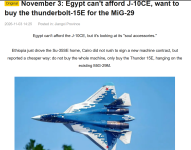
Interestingly in May 2025 during largest air battle in modern history, Pakistani Air Force J-10CE fighters using these same PL-15 missiles shot down Indian Air Force Rafale, Su-30MKI and MiG-29 fighters.

Importantly integration of such missiles would allow unifying ammunition inventory of these three fighters, each of which requires its own munitions. Besides this, important parameter for Egypt is strengthening its resilience by reducing dependence on any single manufacturer.

Egyptian Air Force MiG-29M2 fighters / Photo credit: twitter profile @mahmouedgamal44
However question arises whether Egypt can actually integrate chinese missiles on these aircraft. Even if technically possible without direct manufacturer involvement, such actions could destroy relationships between Egypt and aircraft manufacturer companies.

Point is most manufacturers are quite particular about integration of foreign weapons on their platforms, especially if it is chinese weapons. This in turn could trigger sanctions from respective manufacturers and countries, putting into question aircraft maintenance and further supply of other weapon types and spare parts for them.


Ultimately despite Egypt’s growing closer to china, which recently reached level of joint military exercises, Egypt still remains important U.S. ally in region. Therefore unlikely they will simply decide to integrate chinese weapons on American or French fighters so as not to spoil relations with them.

With russian MiG-29M2s situation may turn out somewhat easier, although there too they evidently would not want to lose status of sole weapons supplier for their aircraft. However everything described above is merely speculation, so for now remains to await Egypt’s further actions.

https://en.defence-ua.com/industrie..._15_and_cm_302_integration_floated-20252.html


The Egyptians are recycling old information—developments that actually took place years ago—as a way to project growing capabilities. This comes amidst Ethiopian threats—linked to their potential acquisition of a limited number of Su-35 fighter jets and S-400 air defense systems—as well as tensions with Turkey in the Mediterranean, specifically regarding Egypt’s exclusive economic zone.
The report highlights the capabilities of Ariegsa Manufacturing, a company that has established partnerships with global firms in the field of avionics. These collaborations focus on upgrading Egyptian aircraft currently in service, such as the EMB-312 and AT-802. The company is also involved in the local production of an enhanced Egyptian variant of the RV-14A, intended for use as a primary trainer. Furthermore, it is believed to be working on a comprehensive overhaul of the Chinese-made K-8E and the Alpha Jet. It is worth noting that, over a year ago, we reported that Egypt had begun producing the PL-15 missile. and had even exported a batch to Algeria.
On July 27, 2026, in a statement to the newspaper *Al-Watan*, the head of the Arab Organization for Industrialization (AOI) announced that Egypt is currently manufacturing guided air-to-air and air-to-ground missiles.

Where do you stand on this matter?

We produce missiles—including air-to-air, air-to-surface, and surface-to-surface variants—with varying ranges, high precision, and superior efficiency.
https://www.elwatannews.com/news/details/8327828
View attachment 221687
The situation is quite simple: Egypt reveals far less than its actual capabilities. Its policy of deterrence is more than sufficient—unlike the regional states that clamor about their own supposed strength, when in reality they are far weaker and merely use propaganda to mask that weakness.
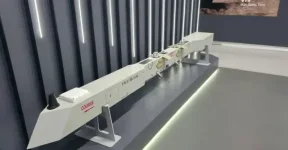

Egyptians choose the timing that suits them best to disclose whatever they wish to reveal, serving as a message of deterrence to certain parties. This stands in stark contrast to those who constantly churn out propaganda to conceal their inability to alter their regional standing or to realize their expansionist ambitions—whether in the Mediterranean or, for instance, in Egypt’s Sinai.

What BS is this!?
 
What BS is this!?
I suppose responding to you might give you a sense of importance. The information in question was made public years ago, and the emergence of new sources only serves to confirm it. Yet, some naive individuals like you choose to dismiss it as unreal. What am I supposed to do with people like you? What value do you—or your responses—even hold? Especially since some of your replies are purely hostile, lacking any real substance or persuasive merit.
 
I suppose responding to you might give you a sense of importance. The information in question was made public years ago, and the emergence of new sources only serves to confirm it. Yet, some naive individuals like you choose to dismiss it as unreal. What am I supposed to do with people like you? What value do you—or your responses—even hold? Especially since some of your replies are purely hostile, lacking any real substance or persuasive merit.
It's not possible to integrate PL-15 on western (RAFALE) and Russian (MIG-29), you need source codes of RAFALE/MIG-29 to integrate Chinese BVR on these jets, so I'm afraid to say that is not possible at least on your RAFALE, may be Russian could authorize to give you source codes for your MIG-29 to integrate Chinese BVR but it's also not 100% guarantee for you
 
This clown comes many time with fake news like this, it is not possible to integrate western weapons with eastern weapons. You need source code from both side, Chinese and France would never do that ahahah.


As per the news report, France views these source codes as proprietary products developed over decades which cannot be shared with any other country.
 
It's not possible to integrate PL-15 on western (RAFALE) and Russian (MIG-29), you need source codes of RAFALE/MIG-29 to integrate Chinese BVR on these jets, so I'm afraid to say that is not possible at least on your RAFALE, may be Russian could authorize to give you source codes for your MIG-29 to integrate Chinese BVR but it's also not 100% guarantee for you
kh-31-f-4_phantom.jpg

We welcome any logical and rational responses.
Let us first agree on the foundational principles of the international arms trade; we will provide evidence from various sources to support our perspective and clarify our position.
When a country like France exports fighter jets, the initial deal—often at a lower price point—typically includes a full suite of French-made weaponry, bearing in mind that French munitions are quite costly. As subsequent deals follow, the client often requests the integration of non-French or locally-sourced armaments. Egypt has already executed a second deal for the Rafale.
The first deal included the integration of American-made bombs onto the Rafale fighters—a process that was successfully completed. Furthermore, France supplied Egypt with SCALP missiles from its own stockpiles to bridge the gap while the issues surrounding the American components were being resolved.
The pricing of French fighter jets is not particularly attractive for export. In the first deal, the cost per unit for the F-3R variant was $170 million.
The second deal was priced at $150 million per unit for the F-4.1 variant. The logic applied here mirrors that of the first deal: the contract initially specified the F-3 version, which was then upgraded to the F-3R as it became available—a process that was indeed carried out. The F-3R was subsequently upgraded to the F-4.1/2 standard, incorporating enhancements to the aircraft's close-range air-to-air combat capabilities, as well as structural modifications and improvements to the air intakes.
Following the clashes between India and Pakistan, Egypt leveraged the outcomes of those engagements to exert greater pressure on France, securing additional concessions and advantages.
Negotiations for a third deal will likely be based on the F-4.3 variant, modified according to specific Egyptian requirements. As the number of fighter jets in its fleet increases, Egypt is compelled to supplement its arsenal with more affordable munitions, given that they will be utilized extensively. In this context, France is amenable to integrating Western-made weaponry with equipment manufactured in Egypt, provided that further deals continue to materialize. It is well known that Egypt has sought to localize the production of engine components and radar technologies. The French view Egypt as perhaps their most significant client for fighter jets—notably, Egypt was the first international customer for both the Mirage 2000 and the Rafale.

Does France truly object to the integration of Eastern-bloc munitions? Let us examine the international precedent.

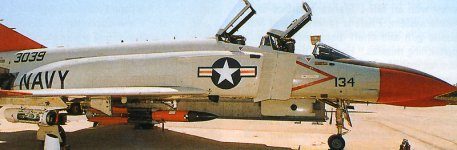
In the past, France has raised no objections to integrating R-73 missiles onto the Mirage 2000. and and Kh-29 on iraq Mirage F1 Furthermore, they have permitted the integration of Israeli-made air-to-air and air-to-ground missiles, as well as SPICE precision-guided bombs.

During negotiations for the purchase of Rafale jets, India requested the integration of the Kh-31 missile—a request made years before the final contract was signed. In short, France does not categorically refuse such requests. India has also sought to integrate its own indigenous or co-developed systems—such as the Rudram and BrahMos-NG missiles, and even the Aster missile—onto the Rafale platform.

Would France lose out by agreeing to such requests? On the contrary, it would serve as a powerful marketing tool, highlighting the Rafale’s exceptional versatility in terms of its weapons payload.

It is entirely natural for buyers to push for greater localization of fighter jets—assets intended to remain in service for over 40 years. Should France refuse, it risks driving these nations toward other suppliers—such as Russia, which has previously offered the Su-57 to India, complete with access to source code and other sensitive technical data.


Another point that some fail to grasp concerns the rate of ammunition consumption in warfare and the operational lifespan of military equipment.

For instance, what is the significance of Egypt acquiring 24 Rafale fighter jets equipped with 100 SCALP missiles, 150 MICA missiles, and 680 AASM Hammer bombs? Would this suffice for a prolonged period of intense conflict—say, between Egypt and Israel or Turkey? Certainly not. Furthermore, consider the 40-year service life of such aircraft: are the munitions originally acquired for Egypt’s Mirage-2000 fleet in 1986 still in service today? Of course not.

As previously noted, Egypt’s inventory included 1,300 Sparrow missiles and 150 Matra Super 530 missiles, in addition to the Matra R530 missiles carried by its Mirage-5 fleet. Replacing these munitions is inevitable. Egypt previously assembled R550 Magic II missiles until the 1990s, and later produced the Chinese variant, the PL-7, to arm its F-7 and K8E aircraft—a program that involved long-term local production.

Moreover, the context surrounding Egypt’s acquisition of Mirage-2000 fighters is relevant here. Following the use of SCALP missiles in the Russo-Ukrainian War—where Russian forces recovered unexploded units—Russia offered to assist Egypt in producing an unlicensed version of the French SCALP. This created additional pressure on the French side. Compounding this was a Russian offer to equip Egypt’s MiG-29M fighters with the Kh-69 missile as an alternative. Consequently, the French proposed that Egypt produce an air-to-ground missile domestically—one that would meet Egyptian military requirements without the need to succumb to external pressures.

Additionally, Egypt has secured 200 Meteor missiles to support its fleet of 54 fighter jets. The number of Rafale aircraft is extremely limited—insufficient for sustained combat operations over several days—making an alternative essential.

Egypt has requirements that must be met; otherwise, the Egyptian Air Force risks losing its operational capability. Even if Egypt were to upgrade its existing AIM-7M missiles—by enhancing airframe and engine performance and replacing the seeker head with an active radar seeker—the underlying hardware is simply too aged, and the costs of such upgrades (in collaboration with European firms) would be prohibitively high. Consequently, a better approach is to partner with China for the local production of the PL-15 missile—starting with an initial order of 1,000 units, with the added provision for export to African markets. Although China was initially hesitant, Egypt’s persistence—coupled with deepening bilateral cooperation—eventually secured Chinese approval.

Regarding the F-16 fleet, Egypt has implemented a service-life extension program (SLEP) for airframes and engines—covering over 156 General Electric engines and 82 Pratt & Whitney engines—over a seven-year period, concluding by the end of 2026. American firms receive $650 million annually for the supply of spare parts for F-16s, C-130s, and Abrams tanks. Would these American companies really want to lose such lucrative annual contracts? This is why, years ago, I mentioned—a point some chose to overlook—that Egypt is conducting its own local development programs for the F-16. Lockheed Martin engineers even requested that these upgrades not be publicized, simply to ensure that the contracts for spare parts and maintenance continue. The "mafia" of the American arms trade—corporations generating billions of dollars in exports—will not halt their operations just to satisfy the U.S. Congress; their primary objective is to maintain their business interests. Its Interests

Moving on to another point: the Egyptian MiG-29 fleet—comprising 52 aircraft—was acquired to bolster Egypt’s fighter force. Egypt also procured Kh-31, Kh-35, and likely Kh-59 and Kh-38 missiles (though the latter may be in limited quantities), alongside 300 R-77 and 3,300 R-73 missiles. Given Egypt’s extensive combat experience and the associated rate of munitions consumption—coupled with the fact that these aircraft have now been in service for nearly a decade, with a portion of the munitions expended during both domestic and international aerial exercises—it is clear that replenishment and additional procurement deals are required.

Furthermore, in 2018, Egypt leveraged the crashes of several MiG-29M fighters during training exercises to exert pressure on the Russian side.

To obtain clearances related to the integration of weapons—other than U.S.-made guided bombs—onto MiG-29 fighter jets.
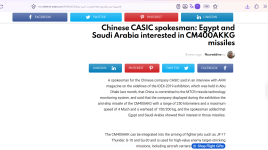
The news is from 8 years ago
1793793738261.png
https://www.defense-arabic.com/2019/03/23/المتحدث-باسم-شركة-casic-الصينية-مصر-والسعو/

What do the Chinese say?
1793803325740.png

The ambition of Egypt's military industry is like a high-tech oasis born in the desert. They seem to see a future in which the PL-15E hangs under the wing of the F-16 and Chinese-guided bombs hidden in the jars of the gusts. This technique of grafting requires breaking down inherent barriers, like finding a common interface for three alien puzzles. But unlike Serbia’s upgraded MiG-29 with the WZHK-1 mount, Egypt is faced with more complex system integration.

Data relay, interface adaptation, and fire control decoupling – behind these technical words, there are countless day and night engineering deductions. If Egypt can truly achieve cross-system integration, it will be a major breakthrough in the field of military trade. But this technological breakthrough is bound to be full of thorns, after all, it involves the chemical reactions of two independent technical systems.

Today's Egyptian military industry mouth speaks of technical autonomy, but in the bones it calculates trading chips. They may be using a technical declaration to pressure the United States and France to try to pry up orders for advanced missiles that have been blocked. But in this game, the real technical puzzle has just emerged.

https://www.sohu.com/a/1097059530_121981677?scm=10008.1479_13-1479_13-68_68.4935001-5187001-5188001-5189001-5190001.0-1-0-0-0.0&spm=smpc.content/392_4.fd-d.52.1793787381092ufsokwm

1793803675093.png
Ariegsa, the Egyptian defense company, put it in this gap.


Don't buy J-10CE, just buy the PL-15E.


A single million-dollar, project with maintenance, $200 million will allow the MiG-29M fleet to use long-range medium-range bombs first.


The reference precedent is Serbia-old MiG-29 hanging over the CM-400AKG, proving that the Russian platform is not a night of night.


PL-15E open parameters: range of more than 145 kilometers, dual-pulse engine, active radar seeker, with two-way data chain, can hit multiple targets, no matter after launch.


The Egyptian F-16 is now mainly dependent on the AIM-7 semi-active bullet, with an effective range of more than 40 kilometers; the gusts are mika, 60 kilometers up and down.


A PL-15E hangs up, and the over-the-horizon ability is directly across the generation.​

https://www.sohu.com/a/1096561482_122341605?scm=10008.1479_13-1479_13-68_68.4935001-5187001-5188001-5189001-5190001.0-1-0-0-0.0&spm=smpc.content/392_4.fd-d.3.1793739622602zeFoxPg


1793803831181.png
Why does Egypt want to do this? The Egyptian Air Force is a "national" fleet: the French Rafale, the U.S. F-16, the Russian MiG-29M2, each aircraft with its own ammunition, the logistics chain does not touch each other. More importantly, the ammunition configuration was locked by the seller. Egypt's gusts can not get the French Meteor long-range air-to-air missile (range of about 200 kilometers), can only hang the "mika" (effective range of 80 kilometers); the F-16 long-range ammunition is also strictly limited.
The avionics systems of the United States and France precisely have the strictest control over such permissions, allowing only the ammunition they have certified to be mounted, and the source code is not open to the user country to modify it. Ariegga claims to be able to bypass the original, but Defense Security Asia clearly states that there is no public evidence that PL-15 or CM-302 has actually been integrated into Rafale or F-16, and the Ariegsa CEO himself has not directly confirmed the specific PL-15 integration project.
cb0e8793db0c464b8e6937556ce4e78b.webp

The real cost is not in technology, in politics. Even if there is some kind of flexible path in technology, hanging Chinese missiles on their aircraft without Dassault or Loma’s permission may have consequences far more than the savings in procurement costs. Aircraft manufacturers may terminate maintenance warranties, stop supplying spare parts, and even affect the delivery of subsequent weapons systems.

https://www.sohu.com/a/1095805068_121410513?scm=10008.1479_13-1479_13-68_68.4935001-5187001-5188001-5189001-5190001.0-1-0-0-0.0&spm=smpc.content/392_4.fd-d.62.1793739416592XRrVXBY

Some may deny or dispute these claims, but that is no reason to trivialize, disparage, or attempt to monopolize knowledge; the realms of politics and military armament are vastly different from the world of media. Certain parties—such as former colonial powers—may offer denials for their own personal agendas; for instance, they might seek to project strength even as their own air forces decline, or they may harbor designs on Egypt’s economic zones. Is Egypt supposed to wait? In reality, there are weapons systems that enter and leave service without ever being publicly announced. Whether or not people believe what we say, the truth eventually emerges—to some, it may even seem as though we are speaking from the future. States never disclose or leak information unless they already possess something even better and more powerful. This is how nations operate; they send messages of deterrence. These are not mere fabrications, as some might imagine, but rather signals that we have not yet revealed our true capabilities.

 
This clown comes many time with fake news like this, it is not possible to integrate western weapons with eastern weapons. You need source code from both side, Chinese and France would never do that ahahah.


As per the news report, France views these source codes as proprietary products developed over decades which cannot be shared with any other country.
images11نتتنتنت.jpg
 
It's not possible to integrate PL-15 on western (RAFALE) and Russian (MIG-29), you need source codes of RAFALE/MIG-29 to integrate Chinese BVR on these jets, so I'm afraid to say that is not possible at least on your RAFALE, may be Russian could authorize to give you source codes for your MIG-29 to integrate Chinese BVR but it's also not 100% guarantee for you
The US and Europe have integrated Western weapons on the Ukrainian Mig-29s without any source code from Russia!
 
To provide further context, here is another detail regarding a Chinese-made guided bomb that is also used on Egyptian fighter jets.
1793806682628.png
1793806769157.png


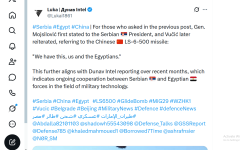
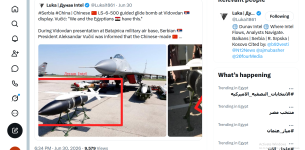
<blockquote class="twitter-tweet"><p lang="en" dir="ltr">#Serbia #Egypt #China | For those who asked in the previous post, Gen. Mojsilović first stated to the Serbian 🇷🇸 President, and Vučić later reiterated, referring to the Chinese 🇨🇳 LS-6-500 missile: &quot;We have this, us and the Egyptians.&quot;This further aligns with Dunav Intel reporting over recent months, which indicates ongoing cooperation between Serbian 🇷🇸 and Egyptian 🇪🇬 forces in the field of military technology.#Serbia #China #Egypt    #LS6500 #GlideBomb #MiG29 #WZHK1 #Vucic #Belgrade #Beijing #MilitaryNews #Defence #defenceNews #مصر #طائر #شحن #عسكري #طيران_الإمارات@Abdalla82101103 @shadowh55543098 @Defense_Talks @GSSReport @Defense785 @khaledmahmoued1 @Borrowed7Time @ashrafnsier @N0R_SM</p>&mdash; Luka | Дунав Intel (@Lukai1861) <a href="">June 30, 2026</a></blockquote><script async src="https://platform.x.com/widgets.js" charset="utf-8"></script>

Serbia has unveiled further assets, including the HQ-9BE system, which features an AESA radar—the JSG400 TDR—that rivals the performance of the French Thales Ground Master 403 (GM403). This system enhances Serbia's ballistic missile defense capabilities and is capable of tracking 400 targets simultaneously.
HLZQvQ_aQAAsZPa.jpg

Combine this with its performance in military exercises, as well as how Egypt integrated this system—as part of an initial deal for nine batteries that includes local production—with the objective of surpassing even the S-400’s performance through a continuous development program.


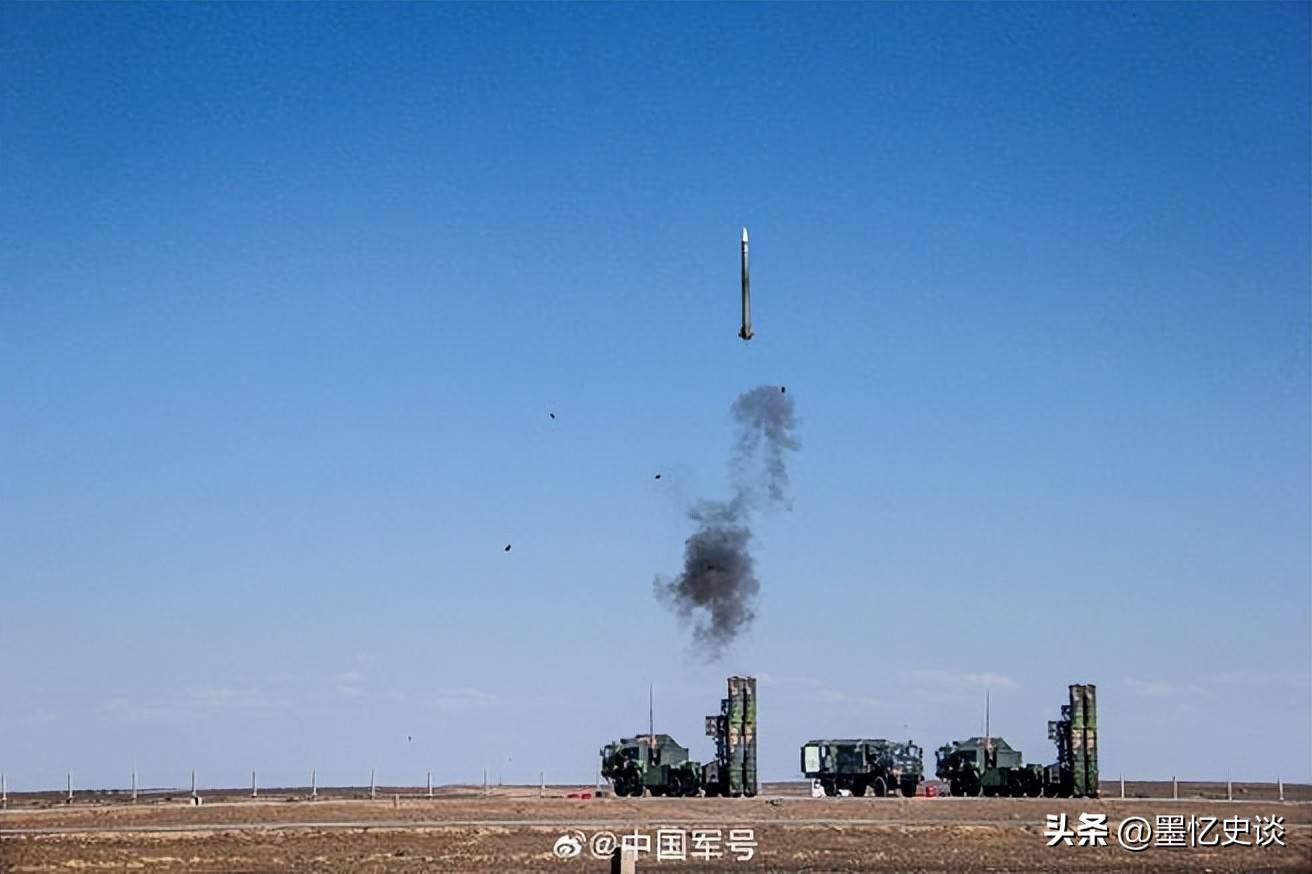
Show the muscles! The PLA is capable of accurately intercepting 2 missiles, and the US military has to admit the gap.​


2026-11-04 14:00
Posted in: Henan Province

Article with Figures - 1


Hi, this is memory.


A live-fire verification just disclosed in November 2026 directly refreshed the outside world's understanding of the PLA's anti-missile capabilities.

The Shenwei missile battalion of the Central Theater Air Force received a notification from the target to complete the two-shot interception, which took only two minutes.


What is even more serious is that one of the targets suddenly changed sharply in the middle of the attack, and the window is only a few seconds away, and it is accurately shot down.


Many people only see "stop", but do not understand what level is behind this.


Why did the US military stare at China's anti-missile for so long, and finally had to relax and admit the gap? Break this up and break it today.


Article with Figures - 1


Article with Figures - 1


This mission is not an ordinary target, but a combat-oriented verification of new weapons. In the official disclosure of the information, there are three details that the vast majority of people have not noticed, and each can be taken out alone to say things.


The first detail, two at the same time. Many people think that stopping one is the same as stopping two, which is nothing more than a shot. That's not the case at all. At the same time, the two bullets that attack, the flight direction, altitude and speed are not the same, the radar should track two high-speed targets at the same time, the fire channel should be assigned two interceptors at the same time, and the command system should be counted as two intercept points simultaneously.


In the past, anti-director training in various countries, most of them were single goals one by one, and then hit one and then hit one. The ability to fight two goals at the same time shows that the multi-target processing capability of the system has been fully loaded. On the battlefield, the opponent must be a saturation attack, and will not come to you one by one to fight. To be able to stop two at the same time, it means that in the face of cluster targets, the defense line will not break.

The second detail, one of the halfway changes. This is a real hard bone. Ordinary ballistic missiles go to the parabola, and the radar can calculate the trajectory in advance and wait for it to come. However, the target suddenly dropped sharply, which is equivalent to a direct turn of the flight route, and the interception point that was calculated before was instantly invalidated.


The officers themselves said that the interception window was only 5 seconds or less. A second later, the target flew over, and it was too late to stop. We can count our own five numbers, one, two, three, four, five, so that time, to recalculate the trajectory, issue launch instructions, missile ignition, the whole process can not be a little wrong.


The goal of this kind of maneuvering is the number one problem in the anti-missile system of various countries. Many so-called advanced air defense systems, encountering the curve of the missile, directly failed. The PLA can complete the strain interception in the second-level window, which is equivalent to directly crossing a high threshold in the field of anti-missile.


Article with Figures - 1


The third detail, from notification to intercept for two minutes. Note that the "notification target" begins to count, not the radar discovery of the target. That is to say, the superiors transmitted the target information, the troops turned on, searched, tracked, locked, launched, hit, and completed the full process, only 120 seconds.


What does that mean? This means that the troops are in a state of combat readiness all the year round, the equipment can be hit at any time, and the personnel can be on at any time. It is not a few hours in advance to put up the situation and wait to hit the target, but to be notified and immediately put into battle. When there is a real enemy, intercept it one second early, and the ground is less dangerous. Two minutes of the whole process, this speed is placed in the world is the first echelon level.


Many people talk about anti-missile, always staring at a certain missile is not powerful, in fact, this is the biggest cognitive misunderstanding. Modern anti-aircraft defense is never a single piece of equipment, but the confrontation of the entire system.


This Shenwei missile battalion can play so accurately, behind the sea, land and air space a network is supported. The early warning satellite in the sky, the early warning aircraft in the air, and the long-range radar on the ground, the information of each node is summarized in real time, and the target has just been launched, and the whole line of defense has received news.


The previous ground-guided troops, looking at the sky on their own radar, the line of sight is so far away, the opponent's low-altitude interception defense or around a bend, may have leaked. Now it is not the same, the friendly and neighbor units find the target, the data is directly synchronized, even if their radar is disturbed, they can still stare at the target.


The official report mentioned one thing, before a confrontation drill, the opponent released strong electromagnetic interference, the radar screen in the camp is full of clutter, the target is directly lost. Finally, the empty message from the friendly and neighboring forces is re-targeted to complete the fight. This is the power of the system, a single node out of the problem, the entire network will not break.


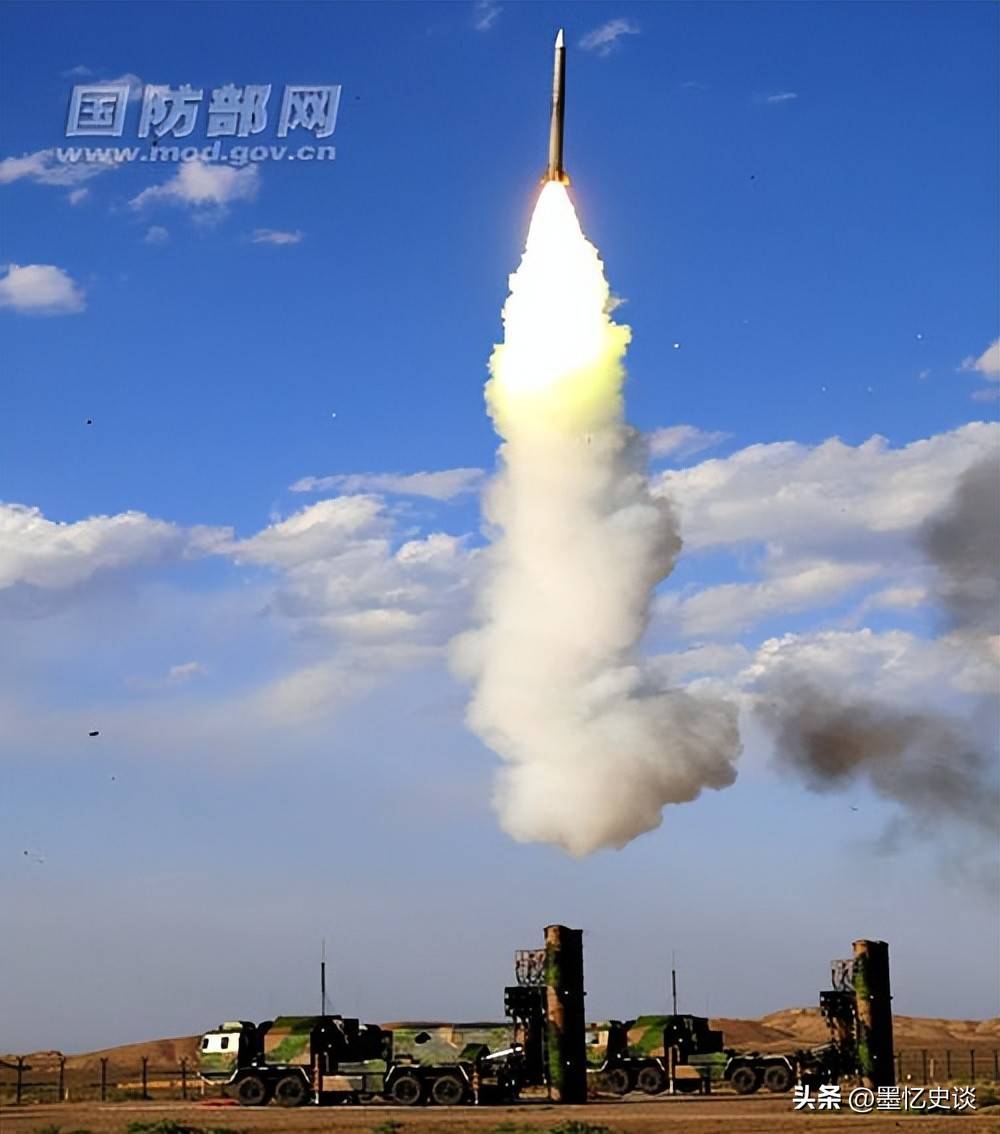
Let’s talk about the types of missiles that everyone cares about. The officers and soldiers themselves said that red flags -9, red flags - -19, red flags - -29, 99 to one, there should be. These three types of bombs are not repeated construction, but are clear division of labor, and layer by layer, layer by layer, step by layer.


The Red Flag-9 series is responsible for long-range air defense and low-level anti-missile, aircraft, cruise missiles, and short-range ballistic missiles, all within its interception range. Red flag -19 main high-altitude interception, but also to deal with hypersonic glide targets. The Red Flag-29 goes higher and farther, responsible for mid-range interception outside the atmosphere against medium-range and even intercontinental ballistic missiles.


Three layers of defense are stacked together, from low altitude to space, from short-range to long-range, full coverage. The opponent's missiles flew over, to break through one level after another, and the difficulty of trying to prevent success rose.


Zhang Xuefeng, a military expert, said bluntly, so far, our surface-to-air missile weapon system has been at the forefront of the world's first echelon. This sentence is not casual, it is the bottom of the fire again and again.


Article with Figures - 1


Another thing that is easy to ignore is the human factor. Shenwei missile battalion is not waiting to use new equipment, is the backbone directly into the scientific research institutes and manufacturers, with the research team to touch the equipment. The equipment has not yet been installed, and people have already understood the principle. Not long after the change of outfit, the live fire hit.


They also broke the boundaries of the previous position, the manipulator, the launcher, the maintenance hand, cross-change training, everyone can top several positions. On the battlefield, even if there is a loss, the rest of the people can still play with the equipment.


If you have the equipment, you have to use it. Two minutes of the whole process, seconds window interception, behind these numbers, is the soldiers again and again to practice the muscle memory. Not by luck to hit once, it can be played at any time, and can be played again at any time.


Article with Figures - 1


When someone asked me, you said it was so powerful, what do you think of the US military? In fact, the U.S. military doesn’t have to say anything to see what they do.


The United States has engaged in anti-missile defense for decades, spent trillions of dollars, and set up a global anti-missile network. Patriots, Sade, Aegis, the first one than the other. But this system is designed from the root for traditional parabolic ballistic missiles.


When it comes to mobile re-orbiting targets, especially hypersonic weapons, the interception efficiency of the U.S. military system is directly reduced. The Pentagon’s own assessment report states that existing anti-missile systems do not have reliable interception of mobile re-orbital targets. The U.S. Missile Defense Agency has previously stopped the project directly, acknowledging that the technology can not cross the hurdle for a while.


In the past, the US military felt that China's anti-missile was following them, and it was normal to be 10 or 20 years away. However, in recent years, China has successfully intercepted live ammunition again and again, especially this time to stop two re-orbiting targets at the same time, which is tantamount to clearly telling the outside world that many technical bottlenecks have been broken through.


One thing the U.S. military has to admit is that the military balance in the Western Pacific is changing because of the improvement of China's anti-aircraft and missile defense capabilities. In the past, the US military felt that its missiles and aircraft could be easily prevented, and now it is not so optimistic about this account.

They stepped up the deployment of the anti-missile system in Guam and pulled Japan into joint anti-missile exercises, which essentially felt the pressure. If China's anti-missile capabilities are not good, the U.S. military does not need to spend so much money to strengthen the defense of the second island chain.


There is another interesting phenomenon. In the past, as soon as China had anti-missile tests, the Western media followed suit, either saying that the data was watered or that it was a kind of goods. This video of the Shenwei missile battalion came out, and the mainstream military media in the West were quite low-key, and few jumped out and said no.


Why? Because everyone who understands understands. Second-level window, double target simultaneous interception, mobile de-orbit target to fight, these hard indicators are placed here, can not be mixed with false. Saying lies can only reveal that you do not understand.


The U.S. military knows better than anyone that China's anti-missile system is not a sample in the laboratory, but a combat capability that has been installed in the army and is on duty all year round. The troops of Gyeonggi have been used, and other directions will only be rolled out one after another.


In the past, the US military always talked about the "missile gap", but now in turn, they themselves will begin to face the gap in the field of anti-missile. This is not the result of real technological progress.


In the final analysis, the development of anti-missile capabilities is not to take the initiative to pick things, but to keep the door. If someone has a spear, we have to have a shield. There is a reliable shield in the hand, and there is courage to speak, and the life can be solid.


This two-minute two-shot intercept is only a microcosm of the PLA's escalating combat effectiveness. There will be more “firsts” and more breakthroughs. Do not compare with anyone, walk your own path, strength is always the hardest reason

https://www.sohu.com/a/1097050322_122157674?scm=10008.1479_13-1479_13-68_68.4935001-5187001-5188001-5189001-5190001.0-1-0-0-0.0&spm=smpc.content/392_4.fd-d.54.1793805866864X6FqGs2

When information is gathered from a variety of different sources, it creates a more complete and clearer picture—yet some fools fail to understand this.
 

Users who are viewing this thread

Country Watch Latest

Back
Top