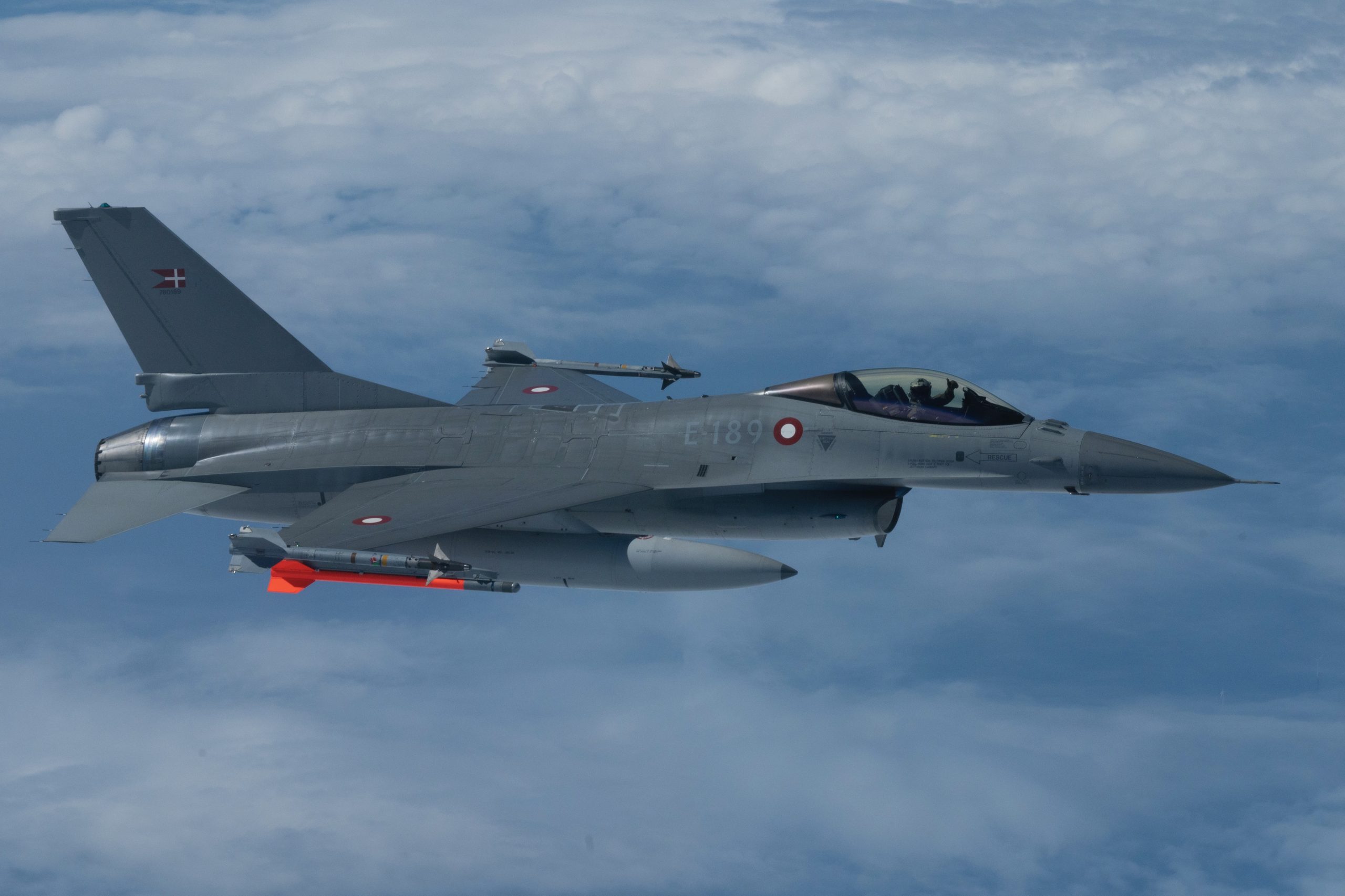
And you think these F16s will be used for CAS! Do you release how much inter services coordination/infra/support is required for it be successful? How long it took to train the Ukrainians on these F16s? how long will it take to train the ground forces for successful CAS operations?
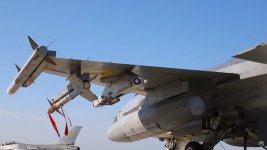
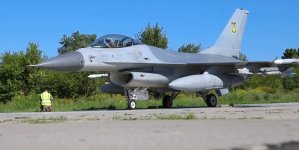
As I said, pay attention to what Ukraine is "showing" these F16s carrying, not what you think.
Much more than most people suppose.
The first thing is that air support is not as easy as adding a new weapons system. Most of the Russian GBAD in Ukraine is close to the front line and directed against ZSU fixed wing aircraft, drones and GMLRS, not rear-based and configured to defend cities from strategic strikes, as Ukraine has done in Kiev with a large IADS.
What are the challenges that must be overcome to carry out CAS missions? How large will the Strike Package be, including AWACS, CAP, EW, SEAD, CSAR, etc. just to get into range? Will ground units perform SEAD and other roles? The Ukrainians are not really trained, equipped, or organized to field large Strike Packages of the kind they would need to get close enough to the front lines to identify Russian armor and fire on them.
And ZSU ground forces will have trouble trying to deploy SEAD to support ground attacks, and they will probably be reluctant to see the attention and ammunition expenditure being wasted when they could engage Russian armor without waiting.
When the ZSU ground forces spot the Russians, will the CAS strike aircraft be able to show up in time? How quickly would they take off, fly potentially long distances across the country, and before arriving at the station, communicate with the Forward Air Traffic Controllers (FACs/TACPs), transmitting targets and instructions to strike them?
These tasks are easier for helicopters, many of their fixed wing regiments are deliberately positioned away from the front lines to protect them. At least out of range of ISR drones. This has not been a problem for them, because it seems that they only use ground attack tactics as part of deliberately planned operations.
The only other option is to have strike or Strike Package aircraft in the air at all times, 24/7, waiting for a call for assistance, but only the US has that capability because it is absurdly expensive in terms of the number of aircraft and unit sorties required, the operational planning difficulties, and the absurdly expensive logistical burden of flying aircraft 24 hours a day that do nothing but perhaps conduct ground attack missions that artillery and other weapons can replicate. In other words, it is a luxury that only a few countries can afford.
Furthermore, are the pilots and ground observers trained to operate together? Is there at least someone in each ZSU battalion who is well trained and experienced to call in air strikes and provide the necessary information that the pilots need to know? Who knows how to communicate with them who have the proper equipment to do so?
I cannot stress this enough, one guy with a radio and a map cannot call in an effective CAS. This needs to be someone who is not only well versed in ground operations, but also an expert on aircraft, their ordnance, and the tactics they use, because this person’s job is not just to relay information about the target, they need to be able to brief the pilot on everything they need to know to make an attack and not only hit the target, but also to try to survive. This is difficult, and often requires specialized air force troops who are permanently attached to the ground forces.
Which pilots are also trained to conduct CAS?
Especially problematic because the PS ZSU was not really trained for this before the war, and in addition to highly planned operations carrying out rocket attacks, the hasty support of CAS would be a new skill set for most serving pilots in the Ukrainian air force. One that they would need to perform in non-permissive airspace.
What about airspace deconfliction? It’s a nightmare to deal with, but extremely necessary if aircraft start flying into artillery flight paths.
There are many people here doing due diligence without knowing all the intrinsic details of the complexity of each dedicated mission.