JF-17 PFX program

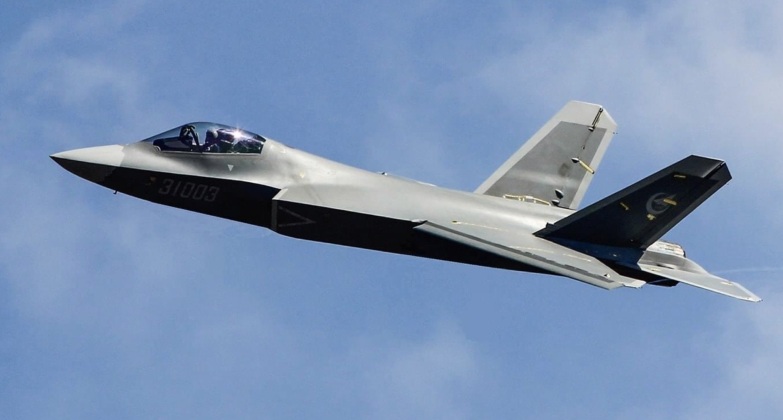
Additionally, the only twin engined model seen was this which in no way looks like a JF17 (a smaller J20 or possibly a double engine larger manned Bayraktar Kizelilma seems more apt)
View attachment 84890


And again I'm claiming these are nothing but fancy PR-stunts to get PR, interest and lots of discussion in the media since no-one is discussing the facts or real capabilities but only "hey look, soon we will have!"
 
Last edited:
Additionally, the only twin engined model seen was this which in no way looks like a JF17 (a smaller J20 or possibly a double engine larger manned Bayraktar Kizelilma seems more apt)
View attachment 84890
if you want a gauge for PAC/AvRID's technical abilities just remember 1732824050102.png
 
Pakistan Unveils Plan For Ambitious Twin Engine JF-17 Fighter Derivative: Chinese Support Remains Vital

South Asia , Aircraft and Anti-Aircraft​

Military Watch Magazine Editorial Staff
November-28th-2024


Pakistan Air Force JF-17 Fighter

Pakistan Air Force JF-17 Fighter


The Pakistan Aeronautical Complex has unveiled a design for a new twin engine fourth generation fighter aircraft, with the platform designated the JF-17 PFX and intended to retain considerable commonality with the JF-17 Block III currently jointly produced by Pakistan and neighbouring China. The fighter is intended to enter service in the 2030s, and to have completed development before the end of the current decade. The development of the JF-17 into a larger twin engine variant represents a particularly unusual program concept, with the new aircraft expected to have significantly higher production and operational costs. Expected advantages include the ability carry a significantly larger radar, a higher weapons carrying capacity, a longer range and a superior flight performance. The JF-17 PFX is expected to be able to operate at higher altitudes, retain superior manoeuvrability, and potentially be able to fly supersonically without using its afterburners - a capability known as supercruise. The fighter is likely to maintain the same primary armaments as the JF-17 Block III, including the Chinese PL-10 and PL-15 missiles for air to air combat.


Pakistan Air Force JF-17 Block III

Pakistan Air Force JF-17 Block III


Pakistan’s defence sector had previously announced plans to develop a fifth generation fighter under Project AZM, with the unveiling of the ‘4+ generation’ JF-17 PFX potentially coming as a result of frustrations in realising a fifth generation capability. Developing the new twin engine fighter may be seen as a stopgap to bring industrial capabilities forwards, which could then pave the way for development of a fifth generation fighter jointly with China. Nevertheless, Pakistan’s local tech sector suffers from severe limitations, and while the JF-17 was built primarily to meet Pakistani requirements, over 95 percent of its technologies are of Chinese origin. The JF-17 Block III in particular benefits from a range of technological advances made by China’s combat aviation sector during the development of the country’s first fifth generation fighter the J-20, including composite materials, active electronically scanned array radars, helmet mounted displays, and new generations of engine technologies. Indeed, the latest JF-17 variant’s fighter’s primary air to air missiles were originally developed for the J-20 specifically to fit inside its internal weapons bays, and were subsequently widely deployed by ‘4+ generation’ fighters.


FC-31 Prototype

FC-31 Prototype


In parallel to work on the JF-17 PFX, the Pakistan Air Force has continued to procure the JF-17 Block III in significant numbers, while also maintaining orders for the larger and more capable J-10C ‘4+ generation’ fighter from China. The two single engine fighters use many of the same technologies, with the J-10C being larger and having higher operational costs, but also boasting a significantly larger and more powerful sensor suite and a far superior flight performance. The J-10C’s combat potential is estimated to exceed that of any fighter deployed by neighbouring states, including neighbouring Iran’s Su-35s currently on order, and India’s Su-30MKI.

Alongside acquisitions of the JF-17 and J-10C, Pakistani officials in January stated that talks were also underway for the acquisition of FC-31 fifth generation fighters from China - an aircraft well over twice as large as the JF-17 and the first in the country’s fleet with a twin engine configuration. The large majority of fighters in Pakistan’s current fleet are very light single engine fighters, which are significantly smaller and cheaper to operate than even standard lightweight fighters such as the J-10 and F-16, namely the JF-17 and older Mirage III, Mirage 5 and J-7. Acquiring both the FC-31 and the J-10C will already significantly increase the proportion of larger fighters in service, which leaves questions surrounding the country’s ability to accommodate another medium weight twin engine fighter developed under the JF-17 PFX program.


Follow @MilitaryWatchM

 
Pakistan Unveils Plan For Ambitious Twin Engine JF-17 Fighter Derivative: Chinese Support Remains Vital

South Asia , Aircraft and Anti-Aircraft​

Military Watch Magazine Editorial Staff
November-28th-2024


Pakistan Air Force JF-17 Fighter

Pakistan Air Force JF-17 Fighter


The Pakistan Aeronautical Complex has unveiled a design for a new twin engine fourth generation fighter aircraft, with the platform designated the JF-17 PFX and intended to retain considerable commonality with the JF-17 Block III currently jointly produced by Pakistan and neighbouring China. The fighter is intended to enter service in the 2030s, and to have completed development before the end of the current decade. The development of the JF-17 into a larger twin engine variant represents a particularly unusual program concept, with the new aircraft expected to have significantly higher production and operational costs. Expected advantages include the ability carry a significantly larger radar, a higher weapons carrying capacity, a longer range and a superior flight performance. The JF-17 PFX is expected to be able to operate at higher altitudes, retain superior manoeuvrability, and potentially be able to fly supersonically without using its afterburners - a capability known as supercruise. The fighter is likely to maintain the same primary armaments as the JF-17 Block III, including the Chinese PL-10 and PL-15 missiles for air to air combat.


Pakistan Air Force JF-17 Block III

Pakistan Air Force JF-17 Block III


Pakistan’s defence sector had previously announced plans to develop a fifth generation fighter under Project AZM, with the unveiling of the ‘4+ generation’ JF-17 PFX potentially coming as a result of frustrations in realising a fifth generation capability. Developing the new twin engine fighter may be seen as a stopgap to bring industrial capabilities forwards, which could then pave the way for development of a fifth generation fighter jointly with China. Nevertheless, Pakistan’s local tech sector suffers from severe limitations, and while the JF-17 was built primarily to meet Pakistani requirements, over 95 percent of its technologies are of Chinese origin. The JF-17 Block III in particular benefits from a range of technological advances made by China’s combat aviation sector during the development of the country’s first fifth generation fighter the J-20, including composite materials, active electronically scanned array radars, helmet mounted displays, and new generations of engine technologies. Indeed, the latest JF-17 variant’s fighter’s primary air to air missiles were originally developed for the J-20 specifically to fit inside its internal weapons bays, and were subsequently widely deployed by ‘4+ generation’ fighters.


FC-31 Prototype

FC-31 Prototype


In parallel to work on the JF-17 PFX, the Pakistan Air Force has continued to procure the JF-17 Block III in significant numbers, while also maintaining orders for the larger and more capable J-10C ‘4+ generation’ fighter from China. The two single engine fighters use many of the same technologies, with the J-10C being larger and having higher operational costs, but also boasting a significantly larger and more powerful sensor suite and a far superior flight performance. The J-10C’s combat potential is estimated to exceed that of any fighter deployed by neighbouring states, including neighbouring Iran’s Su-35s currently on order, and India’s Su-30MKI.

Alongside acquisitions of the JF-17 and J-10C, Pakistani officials in January stated that talks were also underway for the acquisition of FC-31 fifth generation fighters from China - an aircraft well over twice as large as the JF-17 and the first in the country’s fleet with a twin engine configuration. The large majority of fighters in Pakistan’s current fleet are very light single engine fighters, which are significantly smaller and cheaper to operate than even standard lightweight fighters such as the J-10 and F-16, namely the JF-17 and older Mirage III, Mirage 5 and J-7. Acquiring both the FC-31 and the J-10C will already significantly increase the proportion of larger fighters in service, which leaves questions surrounding the country’s ability to accommodate another medium weight twin engine fighter developed under the JF-17 PFX program.


Follow @MilitaryWatchM


This article is crazy - no way PAF is changing JF17 into a Frankenstein 2 engine plane or building a new 2 engine plane. This is beyond Pakistan’s abilities to do(Azm proved that).

People need to get realistic…
 
If you have decade spare in time
About 2 to 3 billion dollars spare not needed elsewhere by your military .....

then yes go for it ....by 2040 you may have five prototypes of a semi stealth jf17 with full eco system in place

Or

You may stick to imports from china in small no's both j10 and j35

License production?
 
Pakistan Unveils Plan For Ambitious Twin Engine JF-17 Fighter Derivative: Chinese Support Remains Vital

South Asia , Aircraft and Anti-Aircraft​

Military Watch Magazine Editorial Staff
November-28th-2024


Pakistan Air Force JF-17 Fighter

Pakistan Air Force JF-17 Fighter


The Pakistan Aeronautical Complex has unveiled a design for a new twin engine fourth generation fighter aircraft, with the platform designated the JF-17 PFX and intended to retain considerable commonality with the JF-17 Block III currently jointly produced by Pakistan and neighbouring China. The fighter is intended to enter service in the 2030s, and to have completed development before the end of the current decade. The development of the JF-17 into a larger twin engine variant represents a particularly unusual program concept, with the new aircraft expected to have significantly higher production and operational costs. Expected advantages include the ability carry a significantly larger radar, a higher weapons carrying capacity, a longer range and a superior flight performance. The JF-17 PFX is expected to be able to operate at higher altitudes, retain superior manoeuvrability, and potentially be able to fly supersonically without using its afterburners - a capability known as supercruise. The fighter is likely to maintain the same primary armaments as the JF-17 Block III, including the Chinese PL-10 and PL-15 missiles for air to air combat.


Pakistan Air Force JF-17 Block III

Pakistan Air Force JF-17 Block III


Pakistan’s defence sector had previously announced plans to develop a fifth generation fighter under Project AZM, with the unveiling of the ‘4+ generation’ JF-17 PFX potentially coming as a result of frustrations in realising a fifth generation capability. Developing the new twin engine fighter may be seen as a stopgap to bring industrial capabilities forwards, which could then pave the way for development of a fifth generation fighter jointly with China. Nevertheless, Pakistan’s local tech sector suffers from severe limitations, and while the JF-17 was built primarily to meet Pakistani requirements, over 95 percent of its technologies are of Chinese origin. The JF-17 Block III in particular benefits from a range of technological advances made by China’s combat aviation sector during the development of the country’s first fifth generation fighter the J-20, including composite materials, active electronically scanned array radars, helmet mounted displays, and new generations of engine technologies. Indeed, the latest JF-17 variant’s fighter’s primary air to air missiles were originally developed for the J-20 specifically to fit inside its internal weapons bays, and were subsequently widely deployed by ‘4+ generation’ fighters.


FC-31 Prototype

FC-31 Prototype


In parallel to work on the JF-17 PFX, the Pakistan Air Force has continued to procure the JF-17 Block III in significant numbers, while also maintaining orders for the larger and more capable J-10C ‘4+ generation’ fighter from China. The two single engine fighters use many of the same technologies, with the J-10C being larger and having higher operational costs, but also boasting a significantly larger and more powerful sensor suite and a far superior flight performance. The J-10C’s combat potential is estimated to exceed that of any fighter deployed by neighbouring states, including neighbouring Iran’s Su-35s currently on order, and India’s Su-30MKI.

Alongside acquisitions of the JF-17 and J-10C, Pakistani officials in January stated that talks were also underway for the acquisition of FC-31 fifth generation fighters from China - an aircraft well over twice as large as the JF-17 and the first in the country’s fleet with a twin engine configuration. The large majority of fighters in Pakistan’s current fleet are very light single engine fighters, which are significantly smaller and cheaper to operate than even standard lightweight fighters such as the J-10 and F-16, namely the JF-17 and older Mirage III, Mirage 5 and J-7. Acquiring both the FC-31 and the J-10C will already significantly increase the proportion of larger fighters in service, which leaves questions surrounding the country’s ability to accommodate another medium weight twin engine fighter developed under the JF-17 PFX program.


Follow @MilitaryWatchM


Not again! Military watch Magazine is as crappy like NationalNonsense and BulgarianBS!

There is NO way and in fact none said, Pakistan would build a two-engined variant!

It‘S exactly the same nonsense like the story with the Chinese „White emperor“ 6th generation fighter unveiled at Zhuhai … as if that PR Stund would be real!
 
Not again! Military watch Magazine is as crappy like NationalNonsense and BulgarianBS!

There is NO way and in fact none said, Pakistan would build a two-engined variant!

It‘S exactly the same nonsense like the story with the Chinese „White emperor“ 6th generation fighter unveiled at Zhuhai … as if that PR Stund would be real!

Clickbait or for getting Audience. Nothing else.
 
If you have decade spare in time
About 2 to 3 billion dollars spare not needed elsewhere by your military .....

then yes go for it ....by 2040 you may have five prototypes of a semi stealth jf17 with full eco system in place

Or

You may stick to imports from china in small no's both j10 and j35

License production?
Il be extremely happy if Pakistan can create a twin engine
Jf-17 thunder aircraft with 2 or 3 prototypes by 2050 if it can create a whole ecosystem. Along with it.
 
Il be extremely happy if Pakistan can create a twin engine
Jf-17 thunder aircraft with 2 or 3 prototypes by 2050 if it can create a whole ecosystem. Along with it.

This is my belief too..
Pakistan is smart enough to know there are no permanent friends
China has your back today

What if there is serious improvement in relations with India next 5-10 years who thinks that then china guarantees Pak Chinese weapons

For this reason self sufficiency partly is vital otherwise at mercy of china forever
 
Hi,

Deino---Dassault found around 75 years ago---Paf Kamra---around 25 years ago---.

Son---digital technology has evened out the playing field---sony is a nobody now---. Giants like Nakamichi---Akai---no one knows their names.

By the way---just saw your picture---compared to me---you are ugly---. Next time you call me old---I will remind you of how ugly you are are---.
senile old man, whichever care home you're in needs to seriously revoke your internet access. All you do is bark.
 
Not again! Military watch Magazine is as crappy like NationalNonsense and BulgarianBS!

There is NO way and in fact none said, Pakistan would build a two-engined variant!

It‘S exactly the same nonsense like the story with the Chinese „White emperor“ 6th generation fighter unveiled at Zhuhai … as if that PR Stund would be real!
😆
 
Why are you posting links to donate money to an Amazon charity project? ...and again! A twin-engined JF-17 is so much way out of reality, that I really ask, when then posting such stuff!
Is it way our of reality? I'm not so sure about that.

Pakistan would almost certainly ask Turkey and China for advisors, as well as relevant technological assistance. This could make such a fighter a reality.

Having said that, PFX still seems like more of a tech demonstrator concept than an actual fighter.
 
Il be extremely happy if Pakistan can create a twin engine
Jf-17 thunder aircraft with 2 or 3 prototypes by 2050 if it can create a whole ecosystem. Along with it.
We need to be clear first.
1. What level of ecosystem do you mean by “a whole ecosystem”?
2. What is its purpose and significance?
3、What conditions do we have now?

In the previous discussion, we explored some basic and immediate conditions, which you can check out.

One thing is certain.
From the most basic processing of raw materials to the final product, all the materials and technology involved, all under their own control.
This model, there is absolutely no possibility of Pakistan's fighter industry realizing it.

There is NO way and in fact none said, Pakistan would build a two-engined variant!
IMO. pakistan upgrading the JF-17 to a twin-engine medium fighter will be doomed to be a failed project. While it is doomed to failure, there is still a possibility that Pakistan will pursue this option.
This is ridiculous.

It‘S exactly the same nonsense like the story with the Chinese „White emperor“ 6th generation fighter unveiled at Zhuhai … as if that PR Stund would be real!
“White Emperor” is totally different from other concept fighters, AVIC gave it a very clear definition ------ sci-fi IP. Only fools and liars would think it is a 6th generation fighter.
 

Users who are viewing this thread

Back
Top