PAF Bridging the Gap 2025-2035
1. The Urgency of Modernization
The Pakistan Air Force (PAF) is approaching a critical juncture, with a significant number of legacy fighters due to retire by 2030. To avoid a capability gap, PAF is working to maintain operational readiness while pushing ahead with key long
term programs like the PFX and the future induction of the J-35A.
2. Platform Constraints and Practical Alternatives
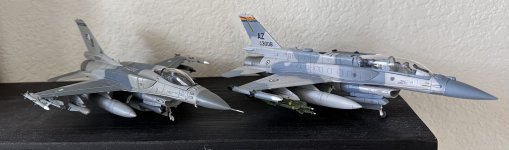
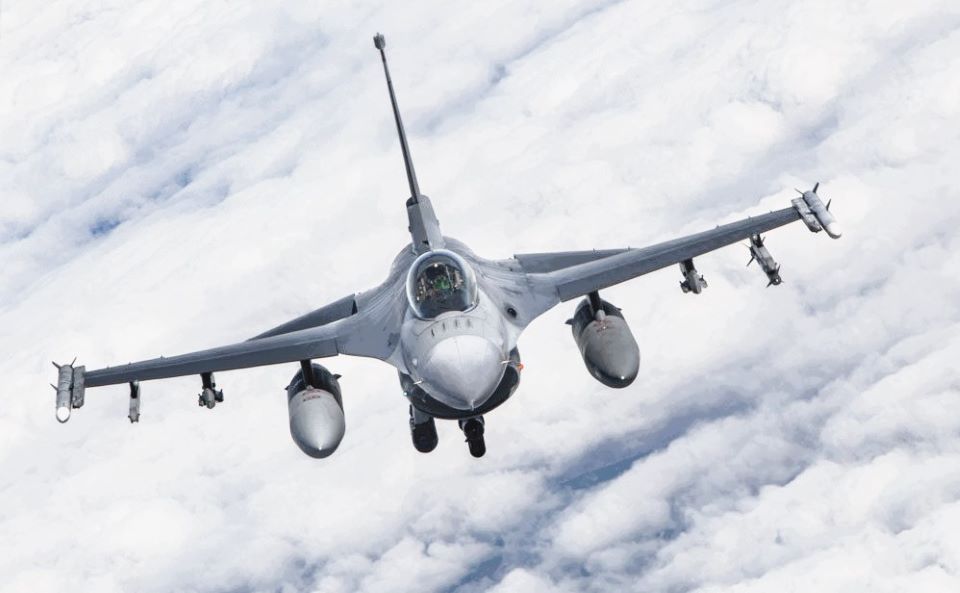
Introducing a completely new aircraft platform at this stage isn’t practical due to stretched logistics and support infrastructure. Instead, a more workable solution could be acquiring surplus F-16 airframes with sufficient remaining service life. The U.S. is projected to phase out over 1,000 F-16s in the next decade and some of which, particularly MLU or Block 50/52 variants, could still add substantial value to PAF’s fleet.
3. Mirage Phase-Out and F-16 Sustainment Strategy
With the Mirage III/V fleet expected to be replaced by the J-10C, there’s an opportunity to repurpose the existing Mirage rebuild facilities to support a long-term F-16 sustainment effort. Although this would require U.S. approval, it could help extend the operational life of the F-16 fleet well into the 2040s while avoiding the burden of introducing a new logistics chain.
4. Strategic Value of Upgraded Legacy Aircraft
While legacy fighters may not rival 5th or 6th-generation platforms in stealth and autonomy, they can still serve as force multipliers. If integrated into a modern multi-domain environment with AI-enabled drones, networked sensors, and electronic warfare capabilities, these platforms can remain operationally relevant.
5. Economic Strength as a Foundation for Defense
A strong defense isn’t built on airpower alone, it requires a stable foundation. For Pakistan to sustain long-term military readiness, it must address core internal issues: economic revitalization, political stability, and poverty reduction. These aren’t just national priorities, they’re strategic imperatives. Even close allies like China have emphasized this, with Victor Gao recently highlighting the need for Pakistan to fix its economic and security challenges in order to unlock its full potential.
6. Looking Ahead: The Changing Nature of War
The future of warfare is already taking shape. With AI, autonomous systems, combat drones, and smart kill chains becoming the norm, the battlefield is evolving fast. It’s not just about machines, it’s about speed, data, and decision making. The idea of manned unmanned teaming once sounded like science fiction, but it’s fast becoming reality. We may not witness the full scale in our lifetime, but the shift is already underway and Pakistan must be ready on every front.