SpaceX Now Causing NASA to Lose Space Race to China, Experts Say
Is SpaceX squandering America's lead in space?
By
Victor Tangermann
Published Sep 22, 2025 11:08 AM EDT
NASA / Futurism
A multibillion-dollar contract between NASA and SpaceX is under scrutiny as the Elon Musk-helmed space company’s plans to return astronauts to the surface of the Moon keep slipping.
As the
New York Times reports, experts are now warning that China
could beat the United States in the race back to the Moon. After a series of
successful robotic missions to the Earth’s natural satellite, the country has
made major strides in its efforts to launch its “Lanyue” lunar lander to the Moon before 2030.
While NASA’s first crewed landing attempt since the 1970s, Artemis 3, is tentatively scheduled for
no earlier than mid-2027, experts warn that relying on Musk’s SpaceX could set the space agency up for an ever-slipping timeline.
Current and former NASA officials told the
NYT that the concerns were not related to president Donald Trump and Musk’s
deteriorated relationship.
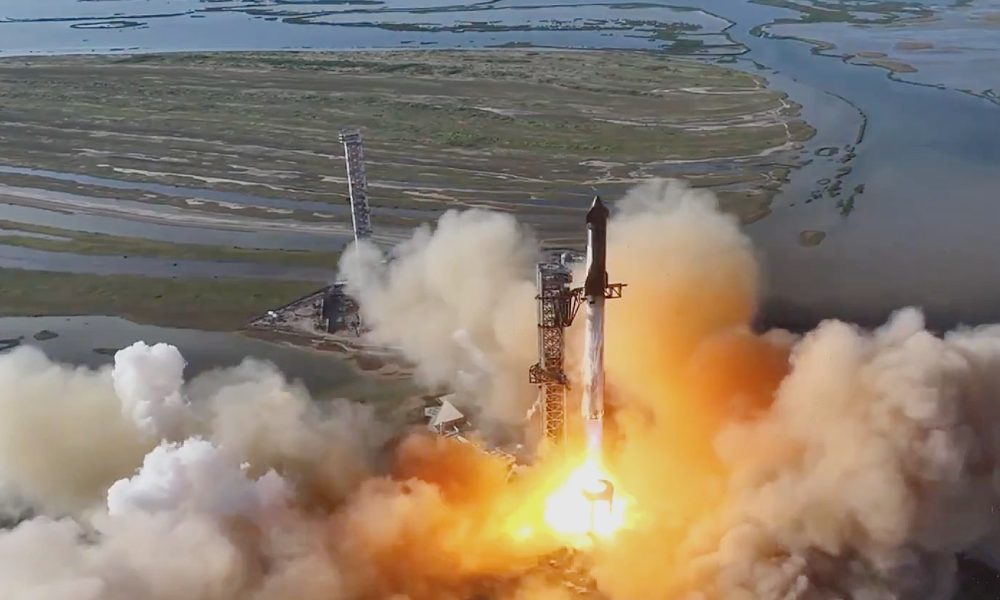
However, they point out that the mercurial CEO may have exaggerated claims about his company’s super-heavy Starship spacecraft. The enormous rocket has
yet to launch and land successfully without blowing up, but NASA is still hoping to use a Human Landing Systems variant to shuttle the first astronauts down to the Moon a mere two years from now.
And that’s not to mention that the rocket will need to demonstrate that it can
refuel in space before that can happen, something that has never been done before.
“This is not anything against SpaceX — they have done incredible things,” former NASA human spaceflight head Douglas Loverro told the
NYT. “But the further you move from known technology, the longer it takes to go ahead and get something done.”
Musk has already blown through several of his own deadlines. Both SpaceX and NASA said in 2023 that they would attempt the first in-orbit refueling test in early 2025, which has now slipped to at least next year.
Earlier this month, Musk said during a
podcast appearance that “unless we have some very major setbacks, SpaceX will demonstrate full reusability next year.”
The company’s
latest and tenth test launch last month was a mixed success, completing a suborbital flight and even deploying a payload in space. Starship’s upper stage survived reentry largely unscathed, but took significant damage to its aft section and flaps.
The test followed three significant test flight failures, each of which was
ended with massive explosions.
Add it all up, and whether the launch platform will be ready to safely ferry astronauts from lunar orbit down to the surface a mere two years from now remains unclear at best.
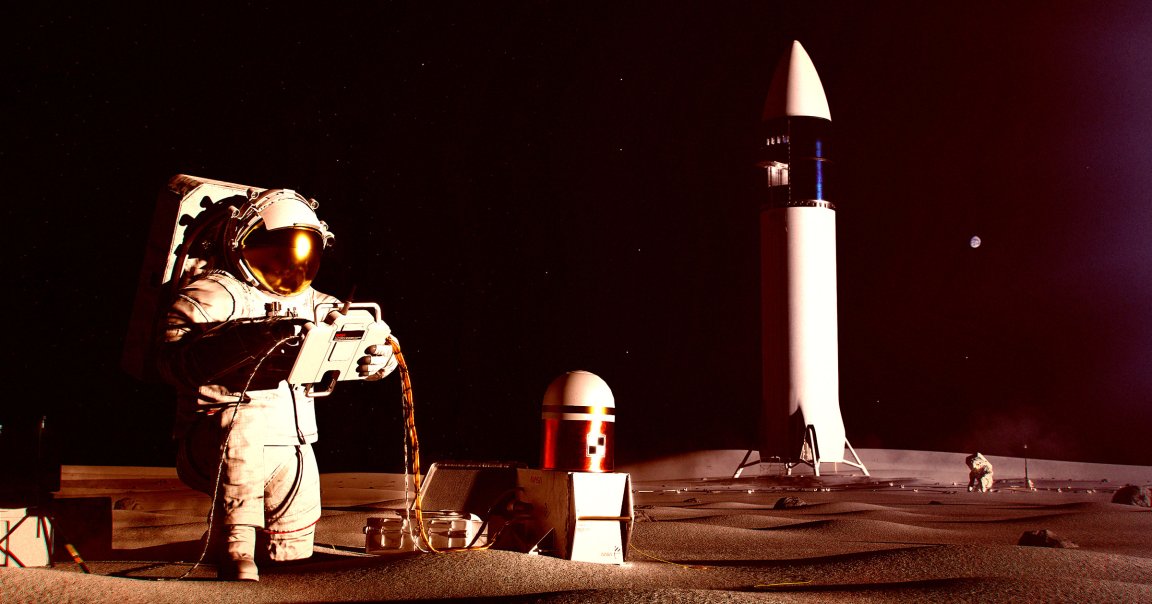
NASA chose a complex approach for its upcoming Artemis 3 mission. A crew of four astronauts will launch inside the agency’s Orion capsule atop a Space Launch System rocket, built by Boeing. The capsule will then rendezvous with SpaceX’s Starship in the Moon’s orbit to complete the last leg of the journey down to the surface.
However, most stages of the project have faced delays, including Orion and the Space Launch System. Starship remains a particular wildcard, experts warn, considering the sheer amount of unproven tech it’ll rely on.
The company will even have to send an uncrewed Starship to the Moon in a safety demonstration first before it can land NASA astronauts there, which could end up costing SpaceX a considerable amount of time.
“There are thousands of engineering challenges that remain for both the ship and the booster,” Musk admitted during an August
SpaceX webcast.
Musk’s own commitment to the Moon program is also dubious. The billionaire has made it clear that he has little interest in landing astronauts on the Moon, and has called on NASA to
cancel its Artemis program altogether in favor of focusing on sending the
first humans to Mars with the help of Starship.
In short, time is quickly running out as China makes significant moves to send its first astronauts to the Moon. As a result, Loverro, alongside other former NASA officials, is
calling for a “Plan B,” such as building a lunar lander that doesn’t need to be refueled.
And even that contingency plan could take far too long.
“I doubt that’s going to be accomplished by 2030,” Daniel Dumbacher, former deputy associate adminstrator of human spaceflight at NASA, told the
NYT, “and that makes it likely that China will beat us to the Moon.”






 - Price, speed and sida lagu heli karo? | Fastest Internet.