MNZGamerX
Trusted Member

Bangladesh Spiralling Towards More Political Turbulence With Its Economy On Downspin
Jaideep Mazumdar
Oct 25, 2024
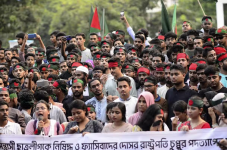
Bangladesh set for more turmoil and unrest in the coming months.
With Bangladesh’s economy set on a downspin, the country is headed for more political turbulence.
Rising inflation, acute unemployment, dwindling foreign reserves, growing external debt, industrial unrest, a sharp downturn in export earnings as well as foreign remittances, and sharp devaluation of the Bangladesh Taka has plunged the country into a deep economic crisis.
The crisis will get compounded further, and it is only a matter of time until the current ‘interim government’ headed by Muhammad Yunus starts facing strong headwinds.
Sporadic protests against the government have already been breaking out in different parts of the country. But for now, these are mostly minor in nature and uncoordinated.
However, the rising prices of essentials, including food, increasing unemployment and cost of living, a further belt-tightening by the government due to austerity measures imposed by the country’s creditors are already fuelling disenchantment with the current dispensation, headed, ironically, by an economist.
This disenchantment will definitely coalesce, perhaps within the next few months, into collective anger against the Yunus-led interim government.
The economic crisis faced by the country is being compounded by the political crises that continue to wrack the country.
Yunus, who holds the position of chief adviser of the interim government, is a political greenhorn, and so are the other advisers, some of whom are student activists who led the mass movement that unseated Sheikh Hasina from power in early August.
The worthies running the interim government are all novices who have little administrative and political acumen. Governance, thus, is bound to suffer at a time the crisis-ridden country requires astute administrators and politicians to lead it.
Also, there are signs of growing friction between Yunus and the other advisers on the one hand and major political parties like the Bangladesh Nationalist Party (BNP) and Jamaat-e-Islami Bangladesh on the other.
The latest discord between the interim government and the BNP was over the demand for the resignation of the country’s president, Mohammad Shahabuddin. While some of the advisers (who are, effectively, ministers) want the president to step down, the BNP is firmly opposed to it.
President Shahabuddin, in the course of an interview to a Bangla newspaper earlier this week, remarked that Hasina had not formally resigned from the post of prime minister before fleeing the country because he had not seen her resignation letter.
This triggered angry protests by some of the interim government’s advisers, who accused the president of being a ‘secret agent’ of the Awami League. They demanded the president’s resignation, and thousands of students hit the streets of Dhaka in support of this demand.
But the BNP rejected this demand. BNP leaders, in their meetings with Yunus over the past two days, warned the chief adviser of caving in to the “unreasonable demand” of the students since it would push the country towards a constitutional crisis.
“President Shahabuddin is an Awami League appointee and, thus, the BNP had no reason to protect him. But the BNP does not want to allow Yunus and his advisers too much leeway, and that is why it opposed the sacking of the president. The BNP, as well as the Jamaat, wants to keep the interim government on a tight leash,” a senior faculty member of Dhaka University (DU), who is also a political commentator, told Swarajya over the phone from Dhaka.
The DU professor, who did not want to be named because of the sensitivity of the issue, added that the friction between the interim government and the BNP-Jamaat is bound to increase in the coming months.
“With public anger over inflation, rising unemployment, and a sharp economic downturn set to increase in the near future, the BNP, Jamaat, and other parties will want to put a lot of distance between themselves and the Yunus dispensation. And it is a no-brainer that the political parties will stand with the angry masses and even lead them in their protests against the interim government,” he prophesied.
Senior BNP leaders, as well as a number of civil society leaders and political analysts that Swarajya spoke to, agreed with this assessment.
Political parties, especially the BNP and Jamaat, are also keen on elections being held soon. The BNP knows that the earlier parliamentary elections are held, the sooner it can come to power.
Top BNP leaders have been publicly urging the Yunus-led interim government to hold elections “within a reasonable time frame.” They have reportedly told Yunus that parliamentary elections should be held before the onset of the monsoons next year.
Though Yunus has not set a time frame for holding parliamentary elections, he has indicated that it would be premature to launch the exercise before carrying out the reforms that his government has been tasked with.
Various commissions have been appointed to suggest reforms in six spheres: the country’s constitution, electoral system, judiciary, police, anti-corruption commission, and public administration.
Yunus has categorically said elections to the country’s parliament will be held only after reforms, as recommended by these commissions, are carried out.
But that is a long process and also riddled with potential roadblocks. Yunus has set an unrealistic time frame of just three months (till end-December) for the commissions to submit their reports. It is near-impossible for the commissions to do so by this year-end.
After Yunus receives the recommendations from the six commissions, he will sit with the political parties and hammer out a consensus for their implementation. Evolving such a consensus will be an arduous and time-consuming task.
Even if such a consensus is evolved, there is the matter of implementing the reforms. This process will also take considerable time since it will involve restructuring institutions like the police and the judiciary, amending the country’s constitution, and effecting major changes in the country’s administrative setup.
“The BNP, Jamaat, and other parties will not wait beyond the summer of 2025 for elections to the Jatiyo Shangsad (parliament). But there is no way that the process of reforms will be completed and implemented by then. A serious confrontation between the political parties and the interim government is, thus, inevitable. That can lead to violence and more turmoil,” an Awami League leader, who is in exile in a Southeast Asian nation, told Swarajya.
BNP and Jamaat leaders have already warned the interim government that their (BNP and Jamaat) workers and supporters “won’t sit idle” if elections are not held soon.
Bangladesh, thus, is headed for more turmoil and unrest in the coming months. The growing economic crisis and political turbulence are set to feed on each other and compound the crisis that the nation is already steeped in.
What’s more alarming, however, is that growing public anger and political turmoil can create a fertile ground for radical Islamists (who have got a fresh lease of life after Hasina’s departure from power) to increase their influence and power.
Jaideep Mazumdar
Oct 25, 2024
Bangladesh set for more turmoil and unrest in the coming months.
With Bangladesh’s economy set on a downspin, the country is headed for more political turbulence.
Rising inflation, acute unemployment, dwindling foreign reserves, growing external debt, industrial unrest, a sharp downturn in export earnings as well as foreign remittances, and sharp devaluation of the Bangladesh Taka has plunged the country into a deep economic crisis.
The crisis will get compounded further, and it is only a matter of time until the current ‘interim government’ headed by Muhammad Yunus starts facing strong headwinds.
Sporadic protests against the government have already been breaking out in different parts of the country. But for now, these are mostly minor in nature and uncoordinated.
However, the rising prices of essentials, including food, increasing unemployment and cost of living, a further belt-tightening by the government due to austerity measures imposed by the country’s creditors are already fuelling disenchantment with the current dispensation, headed, ironically, by an economist.
This disenchantment will definitely coalesce, perhaps within the next few months, into collective anger against the Yunus-led interim government.
The economic crisis faced by the country is being compounded by the political crises that continue to wrack the country.
Yunus, who holds the position of chief adviser of the interim government, is a political greenhorn, and so are the other advisers, some of whom are student activists who led the mass movement that unseated Sheikh Hasina from power in early August.
The worthies running the interim government are all novices who have little administrative and political acumen. Governance, thus, is bound to suffer at a time the crisis-ridden country requires astute administrators and politicians to lead it.
Also, there are signs of growing friction between Yunus and the other advisers on the one hand and major political parties like the Bangladesh Nationalist Party (BNP) and Jamaat-e-Islami Bangladesh on the other.
The latest discord between the interim government and the BNP was over the demand for the resignation of the country’s president, Mohammad Shahabuddin. While some of the advisers (who are, effectively, ministers) want the president to step down, the BNP is firmly opposed to it.
President Shahabuddin, in the course of an interview to a Bangla newspaper earlier this week, remarked that Hasina had not formally resigned from the post of prime minister before fleeing the country because he had not seen her resignation letter.
This triggered angry protests by some of the interim government’s advisers, who accused the president of being a ‘secret agent’ of the Awami League. They demanded the president’s resignation, and thousands of students hit the streets of Dhaka in support of this demand.
But the BNP rejected this demand. BNP leaders, in their meetings with Yunus over the past two days, warned the chief adviser of caving in to the “unreasonable demand” of the students since it would push the country towards a constitutional crisis.
“President Shahabuddin is an Awami League appointee and, thus, the BNP had no reason to protect him. But the BNP does not want to allow Yunus and his advisers too much leeway, and that is why it opposed the sacking of the president. The BNP, as well as the Jamaat, wants to keep the interim government on a tight leash,” a senior faculty member of Dhaka University (DU), who is also a political commentator, told Swarajya over the phone from Dhaka.
The DU professor, who did not want to be named because of the sensitivity of the issue, added that the friction between the interim government and the BNP-Jamaat is bound to increase in the coming months.
“With public anger over inflation, rising unemployment, and a sharp economic downturn set to increase in the near future, the BNP, Jamaat, and other parties will want to put a lot of distance between themselves and the Yunus dispensation. And it is a no-brainer that the political parties will stand with the angry masses and even lead them in their protests against the interim government,” he prophesied.
Senior BNP leaders, as well as a number of civil society leaders and political analysts that Swarajya spoke to, agreed with this assessment.
Political parties, especially the BNP and Jamaat, are also keen on elections being held soon. The BNP knows that the earlier parliamentary elections are held, the sooner it can come to power.
Top BNP leaders have been publicly urging the Yunus-led interim government to hold elections “within a reasonable time frame.” They have reportedly told Yunus that parliamentary elections should be held before the onset of the monsoons next year.
Though Yunus has not set a time frame for holding parliamentary elections, he has indicated that it would be premature to launch the exercise before carrying out the reforms that his government has been tasked with.
Various commissions have been appointed to suggest reforms in six spheres: the country’s constitution, electoral system, judiciary, police, anti-corruption commission, and public administration.
Yunus has categorically said elections to the country’s parliament will be held only after reforms, as recommended by these commissions, are carried out.
But that is a long process and also riddled with potential roadblocks. Yunus has set an unrealistic time frame of just three months (till end-December) for the commissions to submit their reports. It is near-impossible for the commissions to do so by this year-end.
After Yunus receives the recommendations from the six commissions, he will sit with the political parties and hammer out a consensus for their implementation. Evolving such a consensus will be an arduous and time-consuming task.
Even if such a consensus is evolved, there is the matter of implementing the reforms. This process will also take considerable time since it will involve restructuring institutions like the police and the judiciary, amending the country’s constitution, and effecting major changes in the country’s administrative setup.
“The BNP, Jamaat, and other parties will not wait beyond the summer of 2025 for elections to the Jatiyo Shangsad (parliament). But there is no way that the process of reforms will be completed and implemented by then. A serious confrontation between the political parties and the interim government is, thus, inevitable. That can lead to violence and more turmoil,” an Awami League leader, who is in exile in a Southeast Asian nation, told Swarajya.
BNP and Jamaat leaders have already warned the interim government that their (BNP and Jamaat) workers and supporters “won’t sit idle” if elections are not held soon.
Bangladesh, thus, is headed for more turmoil and unrest in the coming months. The growing economic crisis and political turbulence are set to feed on each other and compound the crisis that the nation is already steeped in.
What’s more alarming, however, is that growing public anger and political turmoil can create a fertile ground for radical Islamists (who have got a fresh lease of life after Hasina’s departure from power) to increase their influence and power.