F-22Raptor
Elite Member

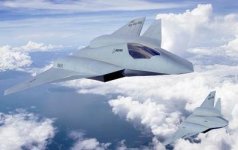
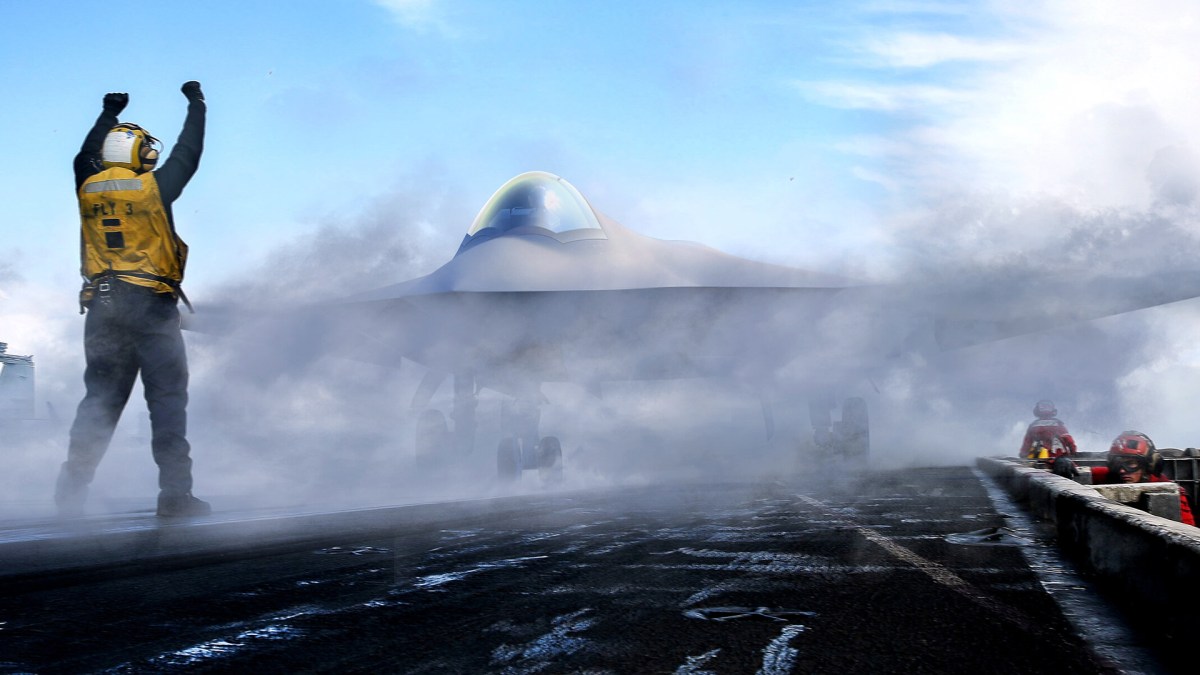
WASHINGTON — The Navy has chosen Boeing to build its sixth-generation strike fighter, dubbed F/A-XX, providing it a dominant position as the Pentagon’s primary producer for future fighter jets, two sources told Breaking Defense.
The selection locks Boeing in as the sole supplier of sixth-generation fighters for the US. In March 2025, Boeing won the right to develop and produce the Air Force’s next-gen fighter, dubbed the F-47.
The two wins collectively will put Boeing in a position to ice out both its biggest competitors — Lockheed Martin and Northrop Grumman — from the sixth-generation American fighter jet marketplace for the foreseeable future, a shocking turnaround for a firm that in early 2025 was at serious risk of ending its fighter production entirely in the coming years. (Lockheed will continue building the fifth-gen F-35 Joint Strike Fighter.)
The Navy and Boeing declined to comment ahead of a contract award. Northrop did not immediately respond to a request for comment.
The F/A-XX program has had a windy path to this point.
Shortly after the Air Force awarded the F-47 contract, there were rumors that F/A-XX would be next — and then the program seemingly stalled out. In July 2025, the White House declared that moving forward with the Navy fighter would imperil F-47’s success, and officials inside the department quarreled over whether to move forward with the jet. Congress and Navy brass, meanwhile, insisted it will be a crucial part of the air wing of the future.
The Navy has kept public information about the program to a minimum, though officials have said the F/A-XX will boast a greater range than current aircraft and serve as a stealthy tip of the spear for the carrier air wing. The next-gen fighter is expected to replace the Boeing F/A-18 Super Hornet and EA-18G Growler.
Yet the competition for F/A-XX has been one of the most highly anticipated contract awards for the service outside of its shipbuilding portfolio. Once operational, the new aircraft will join the service’s warships to complement Lockheed’s F-35 Joint Strike Fighter and a to-be-determined Collaborative Combat Aircraft.
The Navy effort is also referred to as the Next Generation Air Dominance fighter, sharing that name with what is now the Air Force’s F-47 program. And while many outside observers previously speculated there may be overlap between the two next-gen fighter efforts beyond their names, Navy officials have repeatedly stated that the service’s fighter will have a separate airframe from the Air Force, eschewing the joint approach controversially used for the F-35 program.
The selection locks Boeing in as the sole supplier of sixth-generation fighters for the US. In March 2025, Boeing won the right to develop and produce the Air Force’s next-gen fighter, dubbed the F-47.
The two wins collectively will put Boeing in a position to ice out both its biggest competitors — Lockheed Martin and Northrop Grumman — from the sixth-generation American fighter jet marketplace for the foreseeable future, a shocking turnaround for a firm that in early 2025 was at serious risk of ending its fighter production entirely in the coming years. (Lockheed will continue building the fifth-gen F-35 Joint Strike Fighter.)
The Navy and Boeing declined to comment ahead of a contract award. Northrop did not immediately respond to a request for comment.
The F/A-XX program has had a windy path to this point.
Shortly after the Air Force awarded the F-47 contract, there were rumors that F/A-XX would be next — and then the program seemingly stalled out. In July 2025, the White House declared that moving forward with the Navy fighter would imperil F-47’s success, and officials inside the department quarreled over whether to move forward with the jet. Congress and Navy brass, meanwhile, insisted it will be a crucial part of the air wing of the future.
The Navy has kept public information about the program to a minimum, though officials have said the F/A-XX will boast a greater range than current aircraft and serve as a stealthy tip of the spear for the carrier air wing. The next-gen fighter is expected to replace the Boeing F/A-18 Super Hornet and EA-18G Growler.
Yet the competition for F/A-XX has been one of the most highly anticipated contract awards for the service outside of its shipbuilding portfolio. Once operational, the new aircraft will join the service’s warships to complement Lockheed’s F-35 Joint Strike Fighter and a to-be-determined Collaborative Combat Aircraft.
The Navy effort is also referred to as the Next Generation Air Dominance fighter, sharing that name with what is now the Air Force’s F-47 program. And while many outside observers previously speculated there may be overlap between the two next-gen fighter efforts beyond their names, Navy officials have repeatedly stated that the service’s fighter will have a separate airframe from the Air Force, eschewing the joint approach controversially used for the F-35 program.